
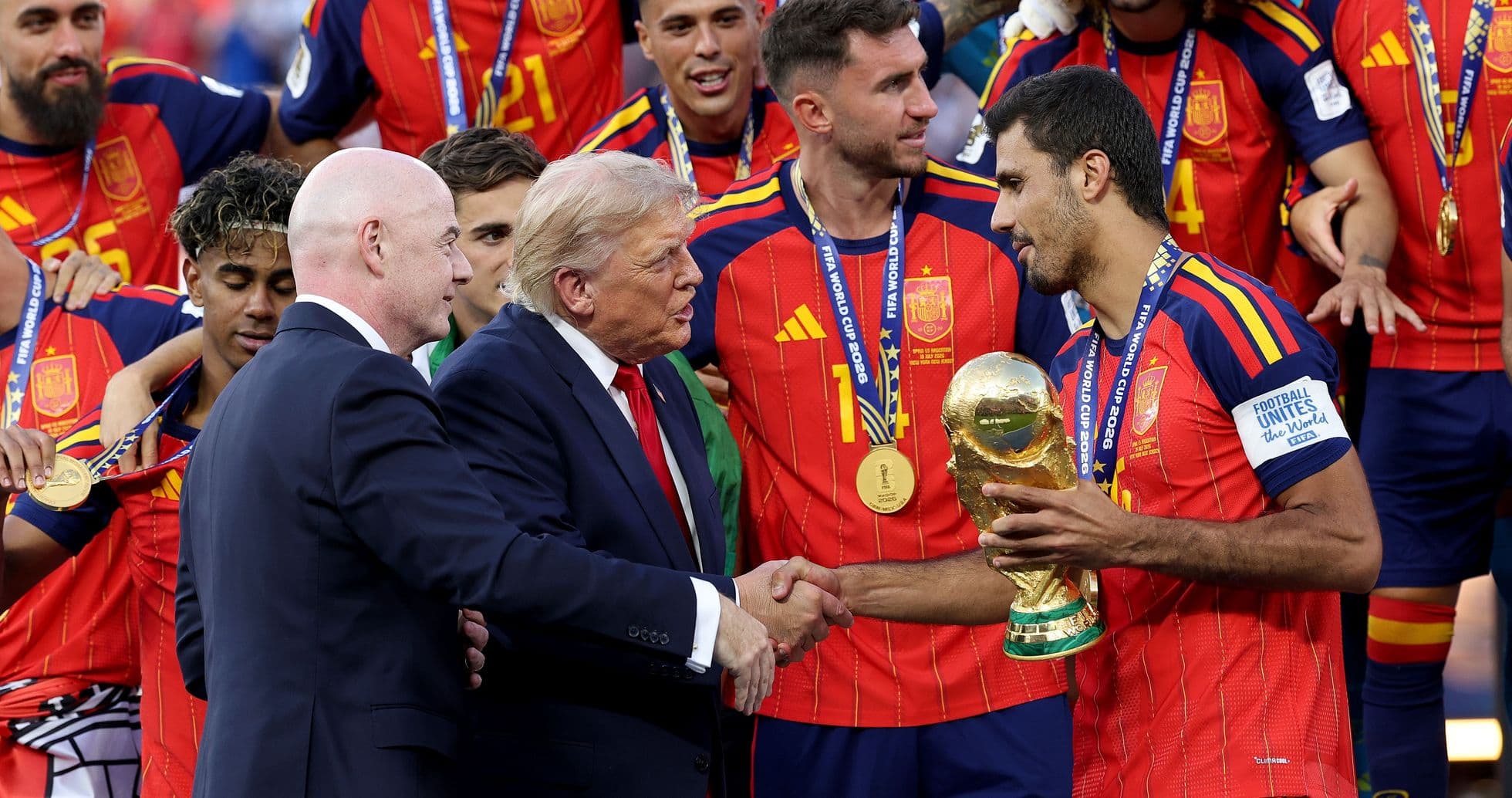
2026 World Cup: A Clash of Football Glory and Controversy
The 2026 World Cup brought a striking mix of unforgettable football moments and controversial decisions that cast a shadow over the tournament. While the pitch showcased dazzling skills from global stars and saw Spain achieve an historic double by holding both men's and women's titles, off-field issues stirred heated debates about FIFA's governance.
Throughout the event, fans witnessed spectacular goals, memorable celebrations like the Norwegian rowing salute, and intense matches stretching from morning to late night. The presence of every top player and team elevated the tournament's excitement, contrasting with previous editions where absences disappointed many supporters.
Star Performers and Historic Feats
Kylian Mbappé edged out competitors like Lionel Messi and Jude Bellingham to claim the Golden Boot. The semi-finals featured the four best national teams globally. Erling Haaland popularized the Norwegian naval salute as a celebration across stadiums.
Teams made history: Canada won their first-ever knockout game, Mexico reached the same stage and challenged England in what many called the tournament's best match. The United States dominated their group, winning three matches and scoring 11 goals—their highest tally ever—and ignited nationwide enthusiasm for men’s soccer unlike before. Post-match celebrations, especially in Seattle, perfectly captured the new fervor among American fans.
The Shadows Behind the Spectacle
Yet behind the thrilling football lay troubling administrative and political controversies. Ticket pricing strategies and mandatory water breaks introduced during matches disrupted the game's flow and fueled criticism. Commercial interruptions during play marked a departure from the sport’s traditional fluidity.
FIFA’s transparency came under fire, especially regarding video review procedures and political interference. A glaring example was when Donald Trump and the U.S. government intervened to lift a suspension on Folarin Balogun, an attacking star, stirring distrust among fans. These incidents raised questions about fairness and influence that may haunt future tournaments.
Political Struggles and Financial Influence
The conflict involving Iran, a nation at war with one of the host countries, left their team uncertain about travel arrangements. Fans faced high costs due to dynamic ticket pricing, benefiting FIFA through commissions on secondary market sales.
Money’s role was undeniable—both as a force supporting football’s global growth and as a driver behind controversial decisions. From advertising breaks to expanding the tournament to 64 teams, commercial interests shaped much of the event’s character.
Memorable Moments Beyond Controversies
Despite challenges, the World Cup offered touching stories. Scottish fans formed bonds with Boston, Kansas embraced Algeria’s squad, Messi clinched late victories, Ronaldo scored in his farewell, and the surprising rise of Cape Verde added fresh excitement.
"This World Cup closed on a strange consensus: astonishing and appalling all at once. Yet the crowds already can’t wait to do it all again."
Looking ahead, FIFA and the United States are set to co-host another World Cup, likely in 2038. Whether lessons will be learned remains uncertain, but the passion of fans seems ready to return regardless.
Related News

FIFA World Cup 2026 Commentary Team: Complete List of Presenters and Analysts
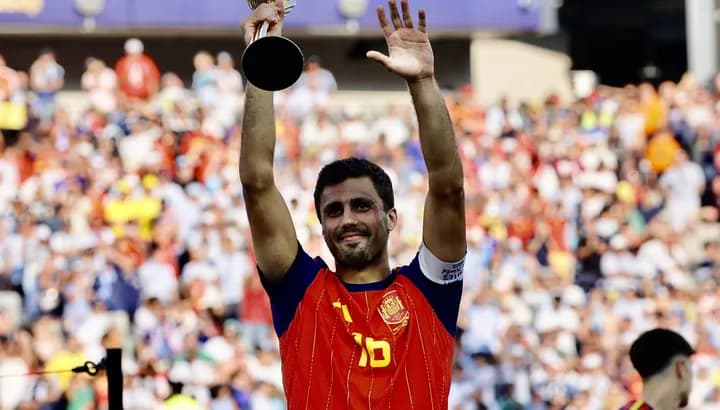
World Cup 2026 Best XI: Messi, Rodri, Mbappe Lead the Lineup
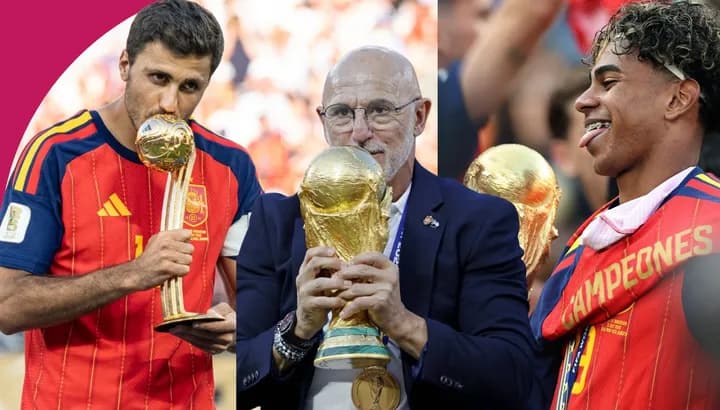
Spain’s Tactical Mastery Behind Their Second World Cup Triumph
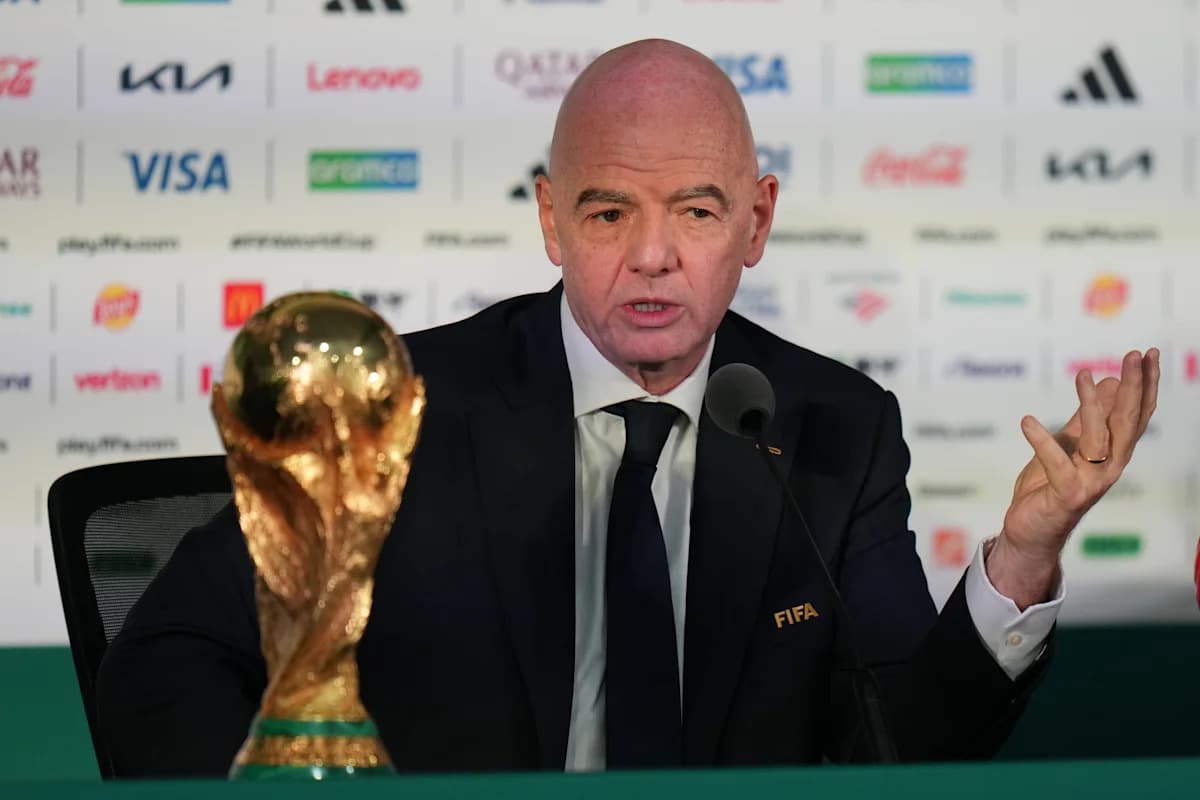
Gianni Infantino Criticizes World Cup 2026 Detractors Amid Event's Success
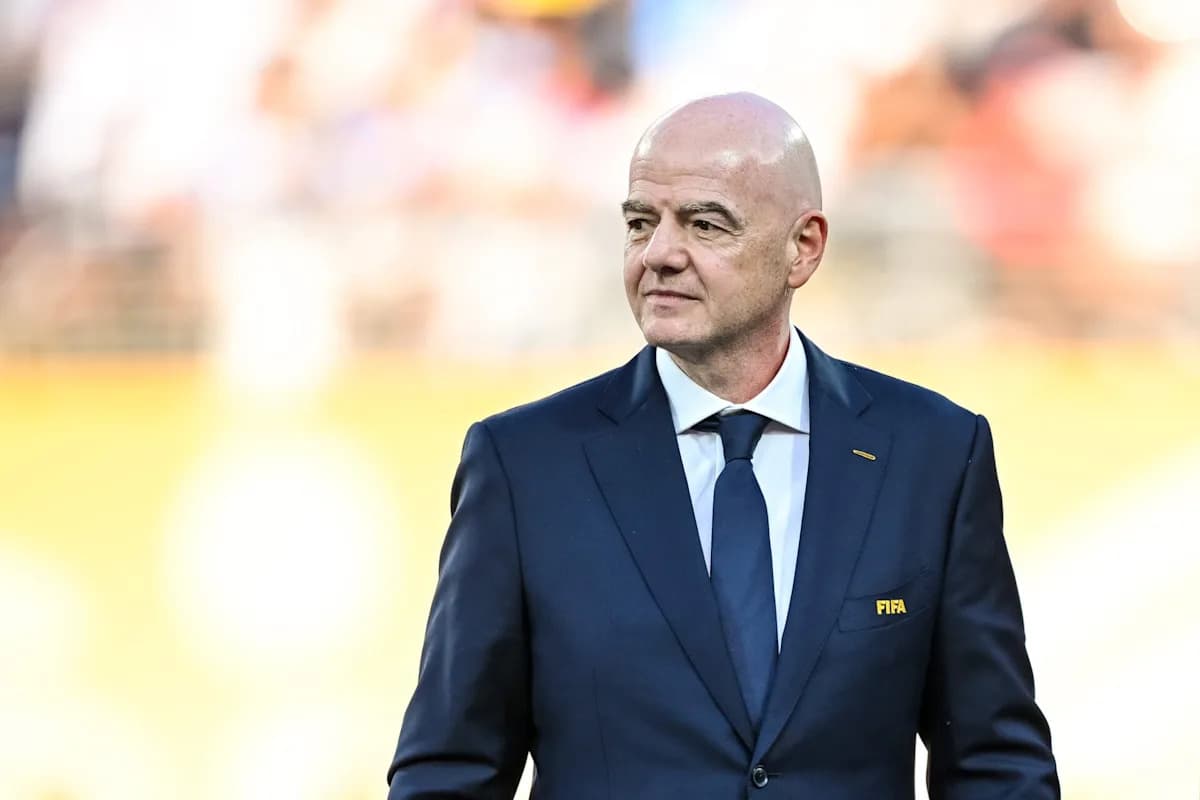
FIFA President Gianni Infantino Responds Strongly to 2026 World Cup Critics
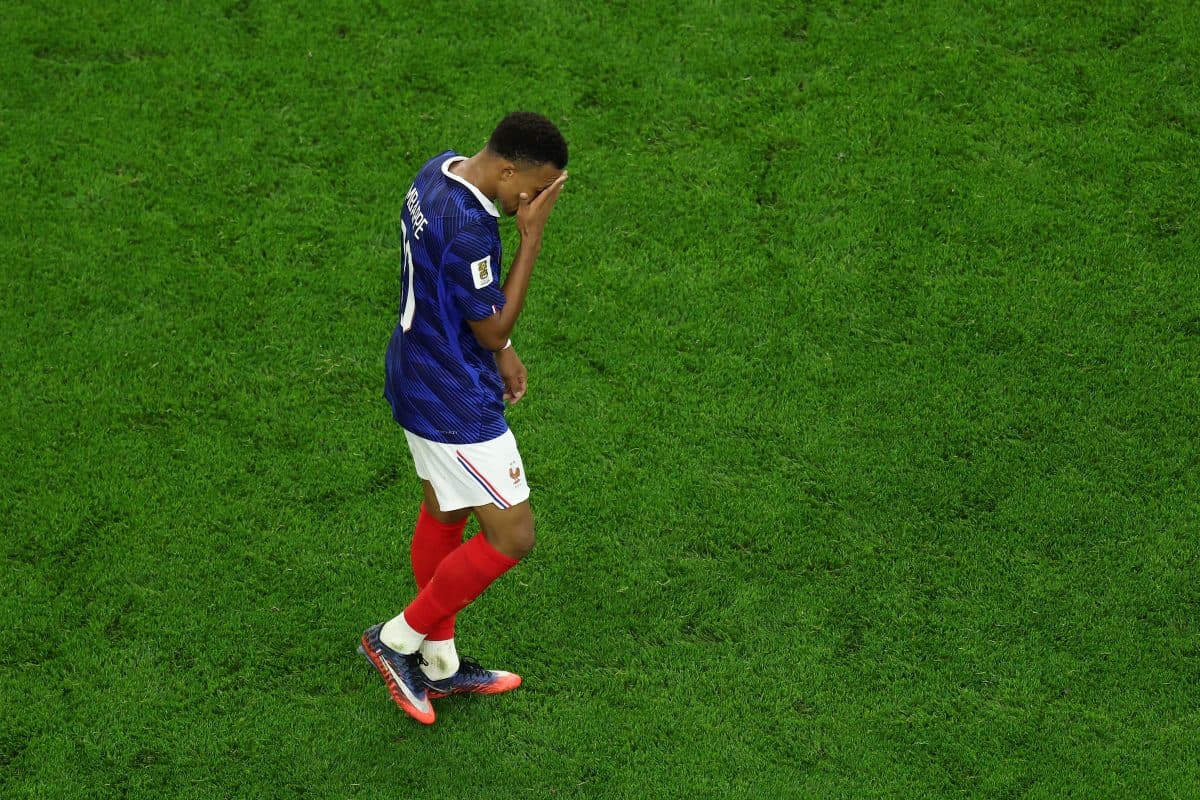
Kylian Mbappé Pens Open Letter to France Fans After 2026 World Cup