
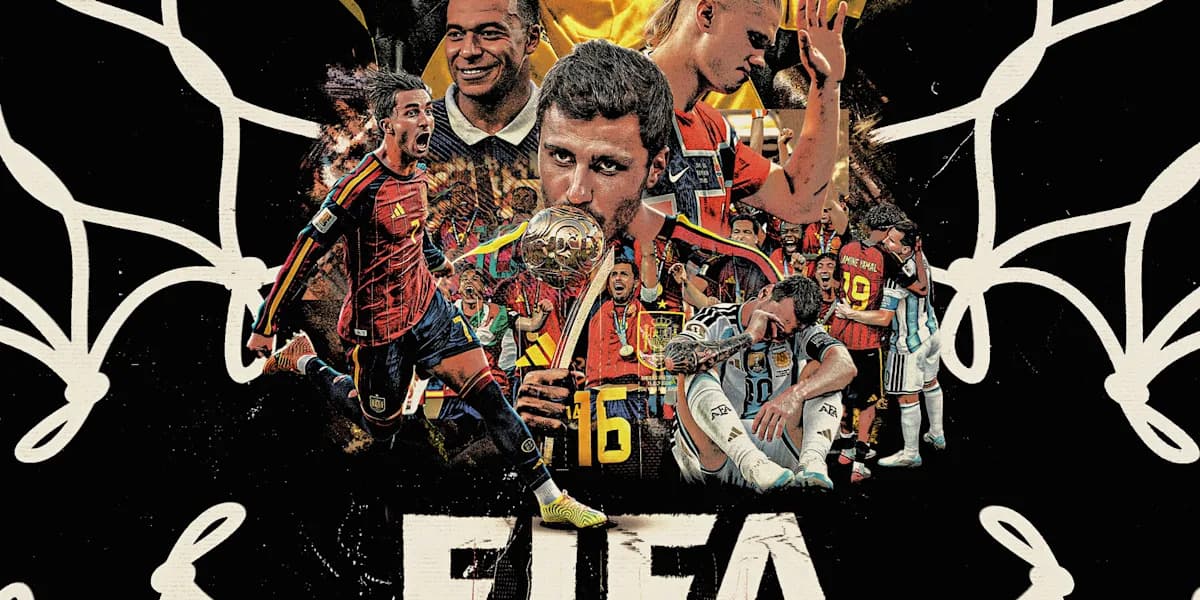
How the 2026 World Cup Captivated America and Defied Expectations
The 2026 World Cup captured the attention of the United States and the entire continent, transforming those indifferent to soccer into engaged fans, casual observers into passionate followers, and strengthening the devotion of longtime enthusiasts.
Inside the intense environment of covering a single team, it’s easy to miss the broader excitement unfolding throughout the tournament. Time often slips away with travel to training, games, interviews, and quick naps rather than watching other matches live. Though fans, merchandise, and ads featuring Timothée Chalamet were everywhere, the true festival vibe was sometimes elusive.
A Flight Full of Soccer Fans
After the U.S. exited early, the World Cup’s impact hit me fully during a flight home from the Spain-France semifinal in Dallas. Fellow passengers anxiously inquired about live TV to catch the Argentina-England match over Tennessee. When the game began, many seat-back screens tuned in to Fox’s pregame show hosted by Rebecca Lowe. Cheers and groans echoed as England scored, strangers debated tactics, and when Argentina came from behind, the whole plane erupted — even delaying landing instructions.
This scene wasn’t unique. Airports buzzed with fans discussing highlights, Uber drivers wanted to talk about the Spain-Argentina final, and conversations about soccer filled unexpected places. The U.S. might not have the deep-rooted soccer culture of Argentina or England, but this World Cup changed that narrative, drawing in new fans and affirming the sport’s growing presence.
Defying Global Doubt
The world doubted America’s ability to host: fears of empty seats, weak passion, poor stadiums. Those concerns proved wrong. Despite issues like high ticket prices, political controversies, VAR flaws, and frequent commercial breaks disguised as hydration pauses, the event succeeded in capturing attention and filling venues.
Attendance remained strong even with 104 matches spread across all times and conditions. Mexico’s longstanding soccer tradition and Canada’s British ties helped lay a foundation, but the U.S. made a leap forward. Soccer's accessibility has soared over the past decade, shifting from obscure late-night broadcasts to mainstream coverage of leagues like the Premier League, Liga MX, and MLS.
Viewership and Stories That Mattered
Fox and Telemundo posted massive audiences: 50 million tuned in for U.S.-Belgium, 45 million for Mexico-England. These numbers were second only to the NFL, driven not just by the World Cup’s allure but by the sport’s growing weekly appeal.
Storylines added to the drama. Cape Verde, making its World Cup debut, advanced to knockouts and challenged Argentina. Spain’s only stumble was a scoreless draw versus Cape Verde. Fans from Norway, the Netherlands, Scotland, Argentina, Algeria, and Spain filled cities and bars, sharing traditions and even discovering ranch dressing.
Players Who Left Their Mark
Rodri, Spain’s midfielder and Golden Ball winner, connected his journey back to America, recalling being a teenager near MetLife Stadium when Spain last won in 2010. Lionel Messi, at 39, defied age to shine in his sixth World Cup, finishing second in goals and inspiring Argentina to the final with his skill and hunger despite being largely contained by Spain’s defense.
New heroes emerged for American viewers: Norway’s striker Erling Haaland, Cape Verde’s veteran goalkeeper Vozinha, and U.S. forward Folarin Balogun, who faced controversy but showed class under pressure.
Host Nations’ Mixed Fortunes
The U.S. inspired belief by winning its first two group games, though falling to Belgium in the Round of 16. Canada celebrated historic victories, while Mexico thrilled crowds at Estadio Azteca before bowing out to England in one of the tournament’s most intense matches. Brazil and Germany, with their rich histories, exited earlier than expected, and some confederations struggled overall.
Morocco impressed again by reaching the quarterfinals after knocking out the Netherlands and Canada. African teams generally had a strong showing.
Elite Performances Define the Tournament
Kylian Mbappé rose to become the World Cup's top scorer, with more tournaments ahead. Messi dazzled, Haaland and England’s Harry Kane struck fear into defenses, while playmakers like England’s Jude Bellingham and France’s Michael Olise displayed remarkable skill.
Spain’s team, known for control, organization, and pressure rather than individual stars, ultimately claimed the title. Their style subdued opponents and earned respect worldwide.
The Final Moments
The final wasn’t always thrilling visually, and Spain should have secured victory before extra time. Still, their triumph crowned a memorable month of soccer across an engaged continent, celebrating both La Roja and the sport itself.
Related News
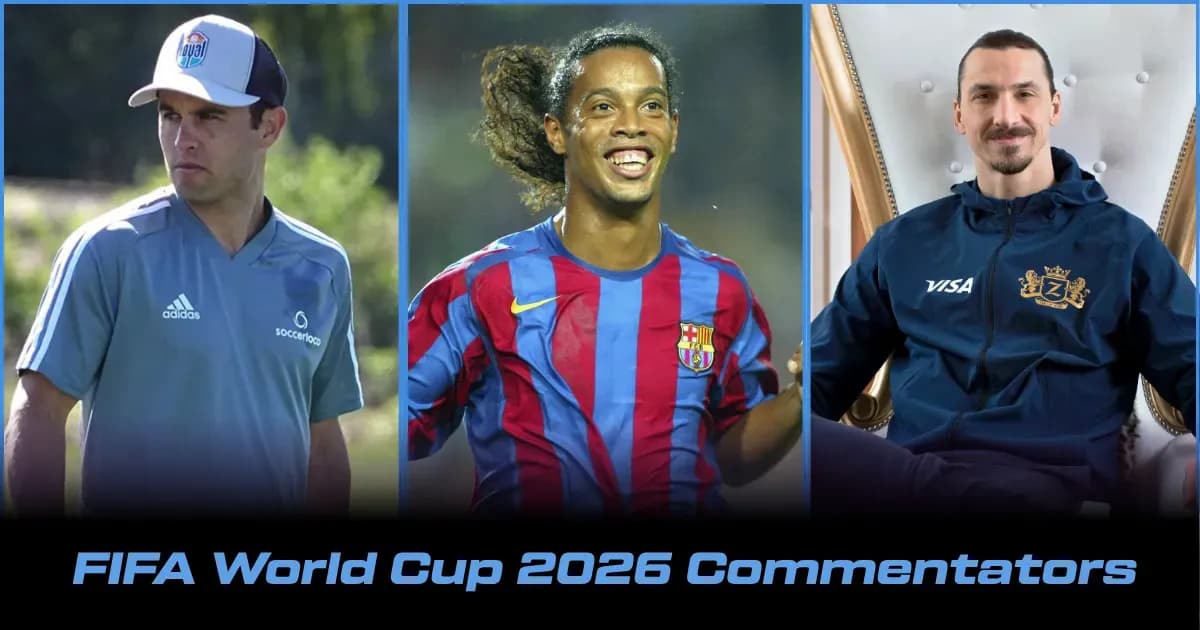
FIFA World Cup 2026 Commentary Team: Complete List of Presenters and Analysts
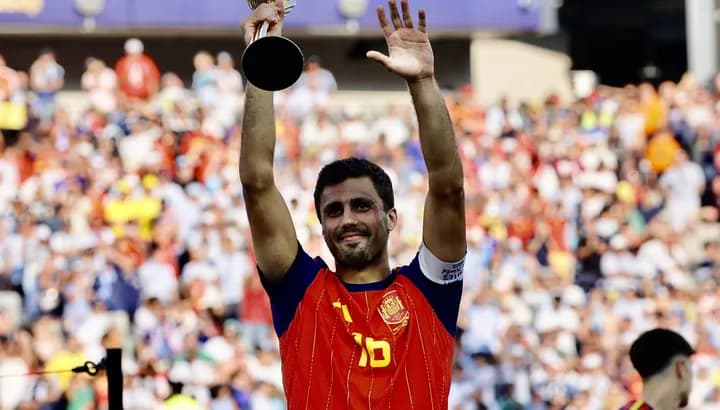
World Cup 2026 Best XI: Messi, Rodri, Mbappe Lead the Lineup
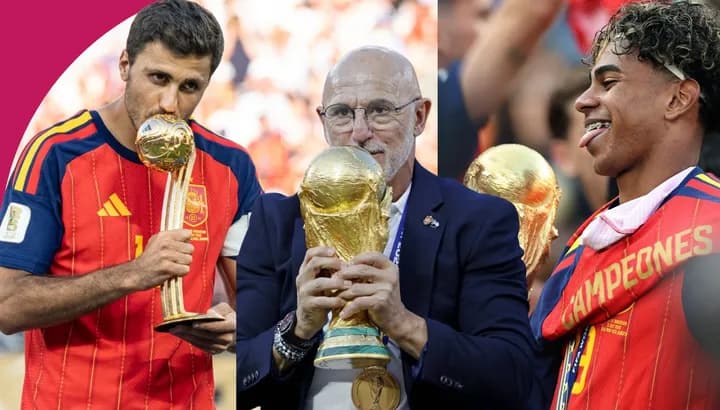
Spain’s Tactical Mastery Behind Their Second World Cup Triumph
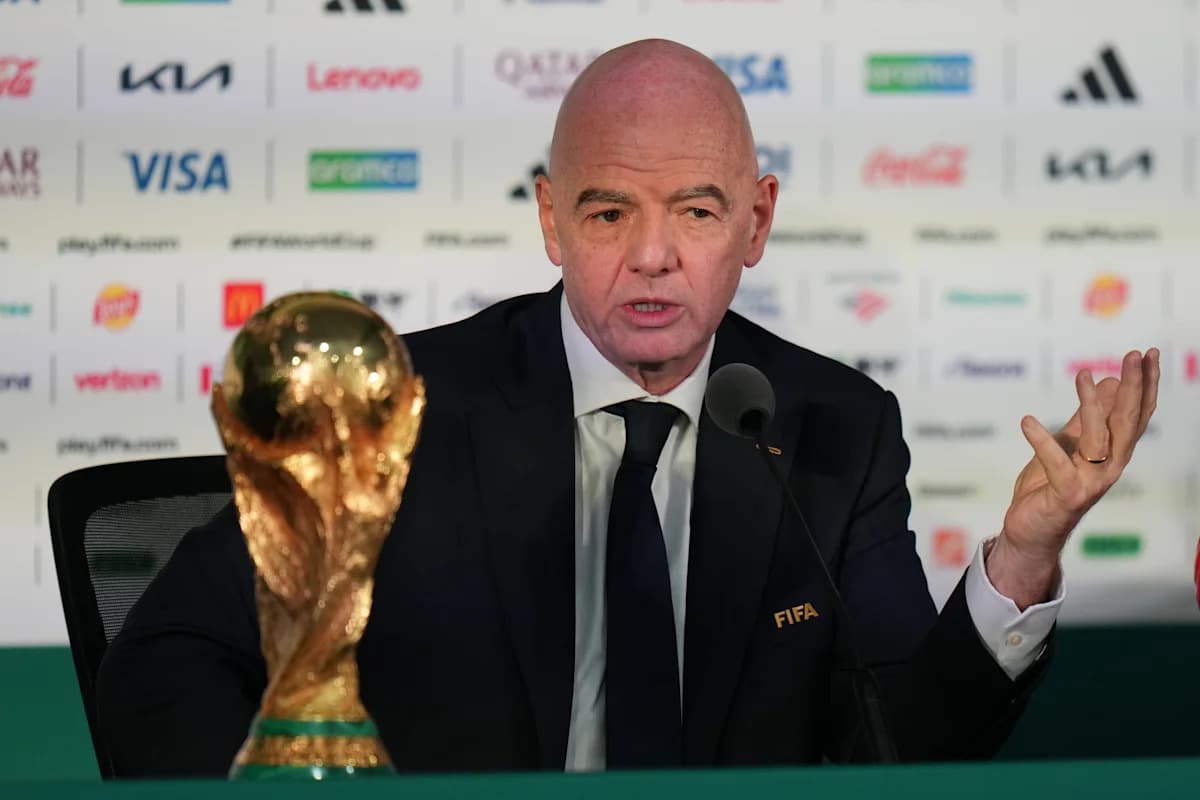
Gianni Infantino Criticizes World Cup 2026 Detractors Amid Event's Success
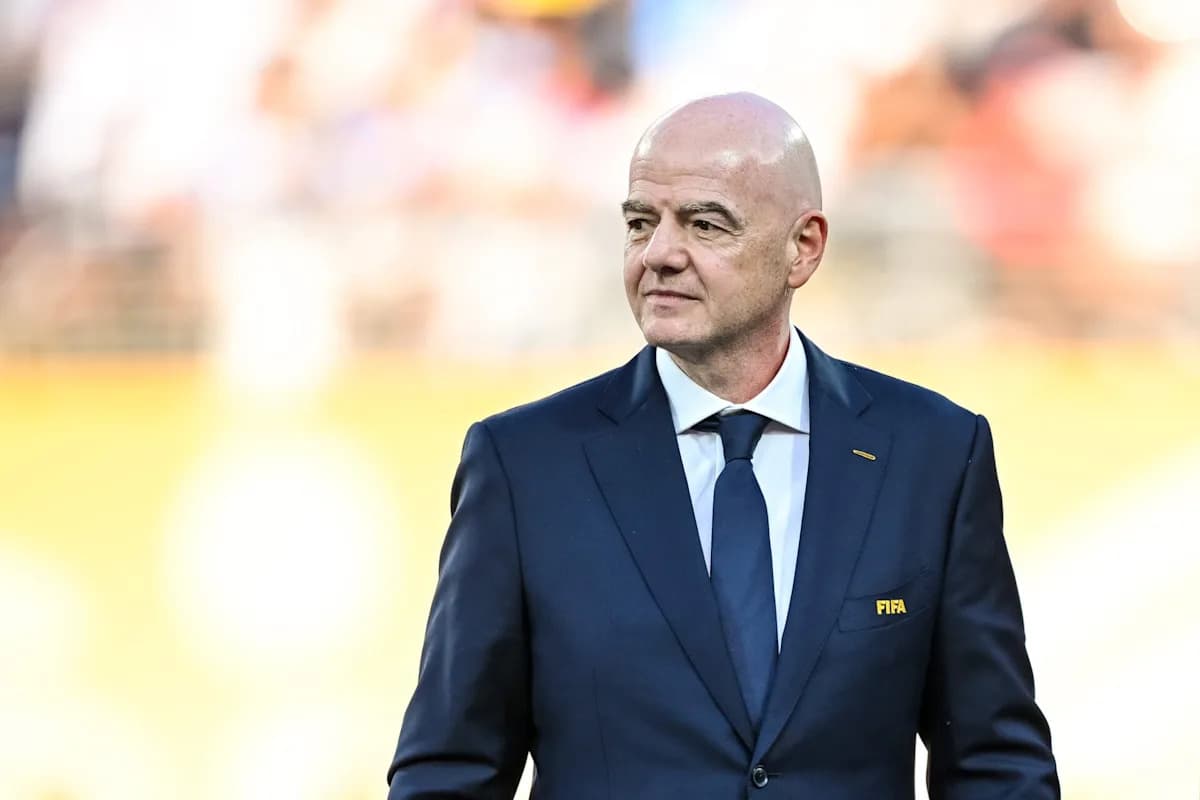
FIFA President Gianni Infantino Responds Strongly to 2026 World Cup Critics
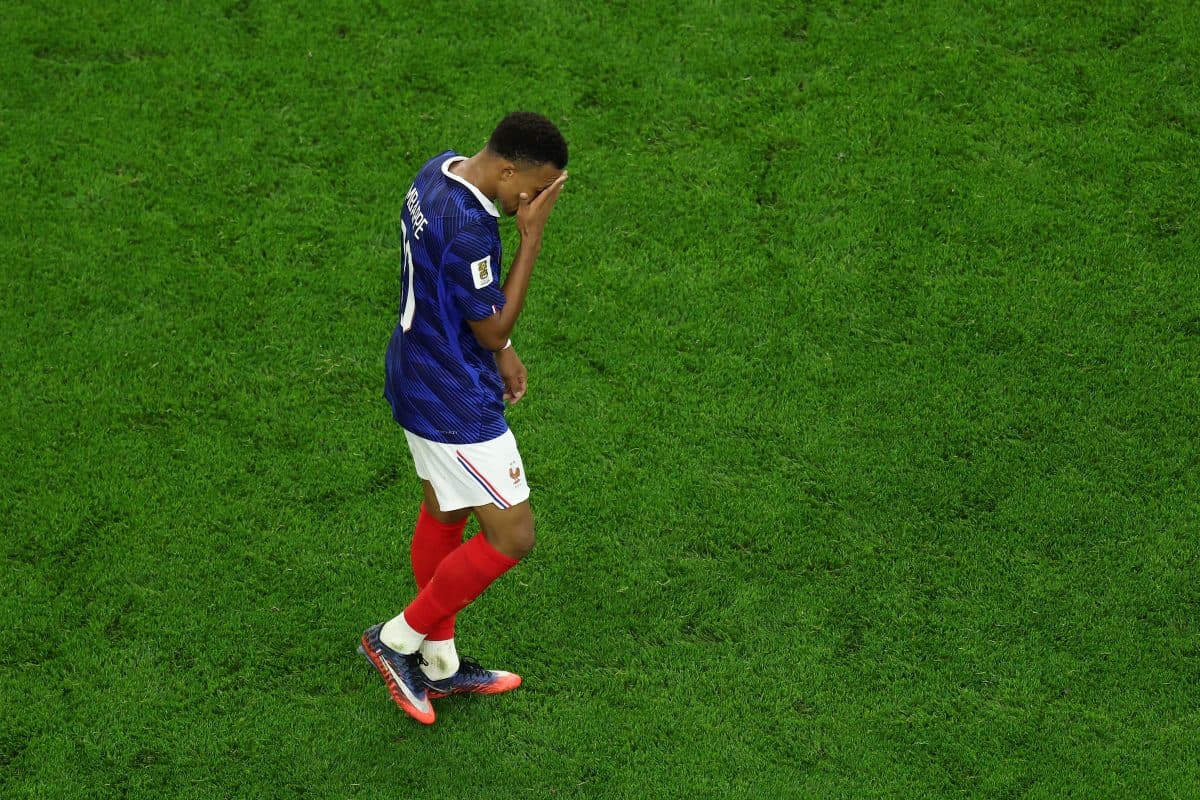
Kylian Mbappé Pens Open Letter to France Fans After 2026 World Cup