
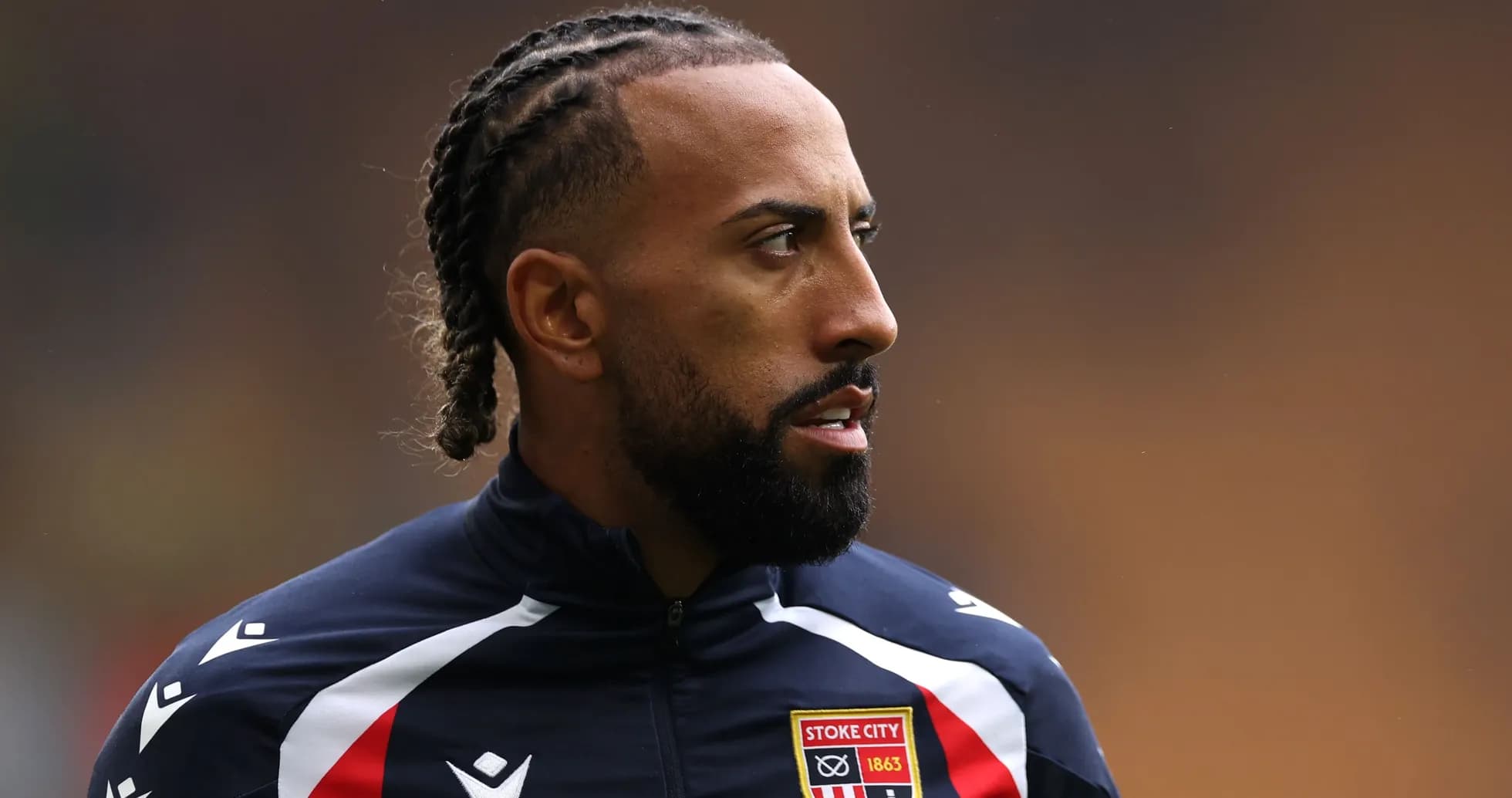
From Wreckage to the Premier League: Thomas's Remarkable Comeback
Twenty-four hours earlier, his car lay on its roof in a quiet residential street. On Saturday afternoon, he was sprinting down the wing at Stamford Bridge.
Thomas’s weekend veered from horror to defiance in the space of a day, leaving Hull City fans, teammates and even Chelsea supporters shaking their heads in disbelief.
From wreckage to the Premier League
Friday morning, the images hit social media first. A grey Land Rover Defender, upside down, doors flung open, glass scattered across the road. The kind of picture that usually comes with bad news.
Local residents spoke of a frantic scene as emergency services flooded the area to deal with the overturned SUV. The impact had clearly been severe; the vehicle looked like a write-off. Somehow, Thomas climbed out of the wreckage without serious injury.
Given the state of the car, the idea of him playing football the next day felt absurd. Hull City’s medical staff put him through a full assessment, checking and rechecking. No corners cut, no risks taken. By the time the squad boarded the coach to West London, one surprise name was on it.
Sergej Jakirovic decided his winger was fit enough to travel. That alone felt remarkable.
A surreal substitution at Stamford Bridge
The real shock came just after the hour mark.
With Hull City chasing legs and looking for a spark against Chelsea, Jakirovic turned to his bench. In the 60th minute, the board went up. Off came Elliot Stroud. On came Thomas, less than a day after that crash.
For a moment, the football stopped mattering. The narrative shifted from tactics and shape to sheer human resilience. His entrance drew a murmur around Stamford Bridge; this was no ordinary substitution, no routine rotation.
It was only his second Premier League appearance for Hull City, but it carried the weight of a career-defining moment. Every touch, every sprint, every challenge felt like a statement that Friday’s nightmare would not define his season.
Hull, inspired and stubborn, clawed their way to a 2-2 draw, recovering from behind against Chelsea in a performance that underlined their growing steel. Thomas played his part in the fightback, helping to drag the visitors up the pitch and ease the pressure when it mattered.
A key figure in Hull’s long game
His presence on the pitch was about more than just a cameo. Hull City have bet big on Thomas.
The club pushed hard to prise him away from Championship side Stoke City in the final weeks of the transfer window, paying an undisclosed fee and tying him down to a long-term deal that runs until the summer of 2030. That sort of contract length is not handed out lightly. It signals belief, expectation, and responsibility.
Inside the club, there was understandable caution in the hours after the crash. Nobody wanted emotion to override medical sense. But those close to the situation know his own determination to be involved weighed heavily in the final call. He wanted to play. He wanted to travel. He wanted to move on.
Hull’s hierarchy see him as a central pillar in their project, a winger to lead their attack over the coming years, not just a short-term fix. The four-year commitment to 2030 underlines that trust.
Now his story has added a dramatic new layer to Hull City’s early-season narrative. A squad rebuilt with ambition, a club pushing upwards, and a marquee signing who has already shown he’s prepared to quite literally climb out of the wreckage and get back to work.
If this is how Thomas responds to a car flipped on its roof, how will he respond when the real pressure games arrive later in the season?
Related News
Al-Taawoun Fined and Punished for Fan Chants Against Neves
Atlético Madrid's Bold Promise to Julián Álvarez
Liverpool Eyes Rayan as £130m Release Clause Approaches
Arsenal and Liverpool Battle for Bournemouth Starlet Rayan
Ajax Embraces Míchel's Style with Impressive Transformation
Anthony Martial's Potential Return to LaLiga with Málaga