
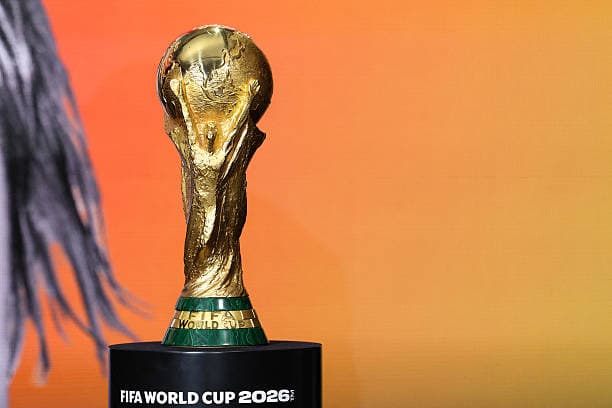
World Cup 2026: The Ultimate Betting Experience
The 2026 FIFA World Cup will not just be the biggest tournament football has ever seen. It will be the most commercial, the most connected and, unmistakably, the most bet on.
FIFA’s decision to expand the competition to 104 matches across the United States, Canada and Mexico has blown the doors off the old format. More games, more windows, more screens. For broadcasters, sponsors, sportsbooks and streaming platforms, it’s a month-long conveyor belt of opportunity.
For fans, it’s something else entirely: a tournament that never really switches off.
From Kickoff to Cash-Out: Mobile Betting at the Heart of the Spectacle
The numbers from Qatar in 2022 set the stage. FIFA reported that the World Cup final between Argentina and France drew an average live audience of 571 million viewers worldwide. That’s not just a football match. That’s a global broadcast event, a magnet for every industry that feeds off live sport.
By 2026, mobile betting has moved from the margins into the bloodstream of football culture. The routine is familiar now. Team news drops, injury whispers emerge, tactical previews roll out, and odds start to dance. Fans check their phones before they find their seats.
Markets swing on a hamstring tweak, a surprise omission, a manager’s change of shape. Lineups are no longer just debated; they’re traded on.
Once the whistle goes, the tempo only rises. Sportsbooks adjust prices within seconds of a goal, a penalty, a red card or a substitution. Every moment carries a number. From the first minute of the group stage to the last breath of stoppage time in a knockout tie, the betting markets shadow the game step for step.
Mobile apps chase that urgency. Fast registration. Rapid withdrawals. In-play options that keep pace with the chaos. For millions of supporters, downloading a betting app before a major tournament has become part of the build-up, as automatic as filling out a wall chart or buying a new shirt.
America’s Gambling Boom Rewrites the Broadcast
The United States has reshaped the commercial landscape in barely a decade. Since the 2018 Supreme Court ruling that lifted federal restrictions on sports betting, state after state has rolled out legal wagering. Licensed operators, mobile platforms, heavy advertising and integrated odds have followed.
By 2026, any viewer flicking through American sports coverage will see the shift instantly. Pregame shows dissect lines and totals as much as tactics. Halftime panels lean on live odds to frame the narrative. Graphics packages pull real-time markets onto the screen as naturally as possession stats.
When the World Cup lands in North America, that model goes global. For casual fans, one of their first steps into the tournament may not be reading a preview or checking a group table. It may be downloading a betting app to “make the games more interesting” as they follow the host nation or a superstar-laden contender.
Regulators Tighten the Screws
Governments have not stood still. Across North America, Europe, Latin America and parts of Africa, regulators have spent recent years reworking gambling laws with events like the World Cup clearly in mind.
Brazil offers one of the clearest examples. The country has moved toward broader online betting regulation, unlocking a vast market built on a fan base that lives and breathes football. Licensed operators see opportunity. Regulators see risk, and act accordingly.
On regulated platforms, the differences are hard to miss. Stronger identity checks. More rigorous payment verification. Clearer responsible gambling tools. Stricter rules on how and where betting can be advertised.
The download process itself has become part of the compliance story. Operators lean on secure payments, legal clarity and account protection to build public trust. In a tournament watched across multiple continents at once, that trust is no luxury. It’s a requirement.
At the same time, prediction markets have blurred old lines. Some financial platforms now offer event-forecasting products tied directly to sports outcomes. That has pushed regulators into new territory: are these financial instruments or gambling products? The answer carries weighty consequences for tax, licensing and consumer protection.
A Bigger Tournament, a Different Betting Rhythm
The expanded World Cup format does more than add games. It changes the way fans and bettors experience the tournament.
Twelve groups, then a new round of 32 before the traditional knockout ladder begins. That structure stretches the schedule and thickens the daily slate. For sportsbooks, it means hundreds of extra markets: player props, live lines, correct scores, corner counts, booking totals, halftime bets and more.
For supporters who like to live inside a tournament day by day, it’s relentless. Morning kickoffs in one city, late-night drama in another, matches overlapping across time zones. Search traffic and sign-ups spike around these windows as fans open accounts specifically to ride the wave of fixtures.
The expanded field also drags new nations – and new betting cultures – into the spotlight. When a country reaches the World Cup after years, or decades, away, the emotional investment is enormous. Interest explodes around tactical previews, injury updates, qualification stories and statistical breakdowns long before the first ball is kicked.
Sportsbooks move quickly to meet that surge. Multilingual apps. Localized promotions. Regional sponsorship deals. Country-specific content aimed at fans who may be entering a legal betting market for the first time. For many, downloading a betting app becomes part of the ritual of finally seeing their flag on the biggest stage.
Data, Algorithms and the New Language of Risk
Modern football analysis has gone far beyond goals and possession. Expected goals, pressing intensity, transition efficiency, shot quality, defensive pressure, attacking patterns – these terms now dominate discussions around elite tournaments.
Sportsbooks sit right in the middle of that data storm. They ingest live feeds that track player movement, substitution timing, possession flows and tactical tweaks. Algorithms process it all in real time, adjusting odds almost as soon as something meaningful happens on the pitch.
The betting experience reflects that shift. Apps increasingly showcase live dashboards, statistical tools and performance trackers alongside the markets themselves. Many bettors don’t just want a price; they want the numbers that sit underneath it.
Technology has changed the emotional tempo too. With a phone in hand, a fan can follow odds on the train, at work, in a bar, at home. Younger audiences already live inside digital wallets, finance apps, streaming services and interactive entertainment. Sports betting slots into that ecosystem with ease.
The 2026 World Cup will be sold as the biggest celebration football has ever staged. It will be that. But it will also be a test case for what happens when the world’s favourite sport, an expanded format and a mature global betting industry collide over 104 games.
The question is no longer whether betting is part of the World Cup experience. It’s how deeply it will shape the way we watch, feel and remember it.
Related News

FIFA World Cup 2026 Commentary Team: Complete List of Presenters and Analysts
World Cup 2026 Best XI: Messi, Rodri, Mbappe Lead the Lineup

Spain’s Tactical Mastery Behind Their Second World Cup Triumph
Gianni Infantino Criticizes World Cup 2026 Detractors Amid Event's Success
FIFA President Gianni Infantino Responds Strongly to 2026 World Cup Critics
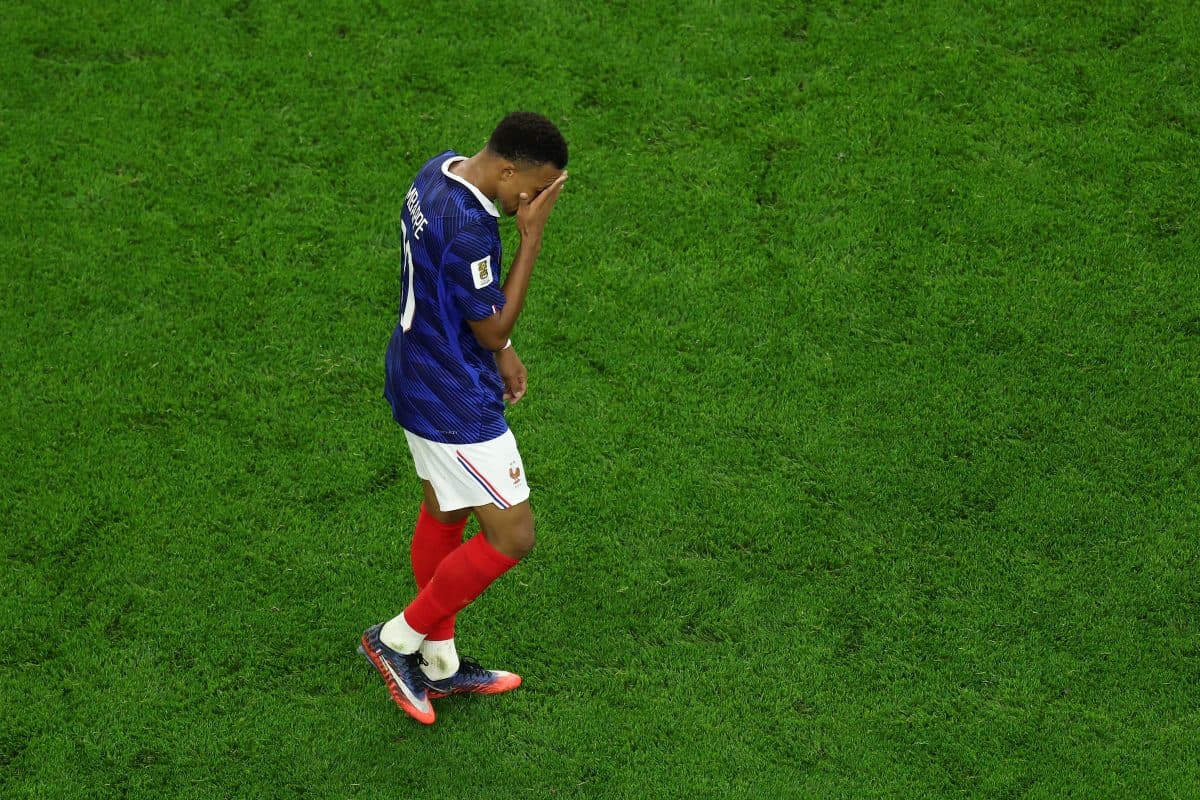
Kylian Mbappé Pens Open Letter to France Fans After 2026 World Cup