
Viking FK's Two-Head Coach Revolution in Champions League
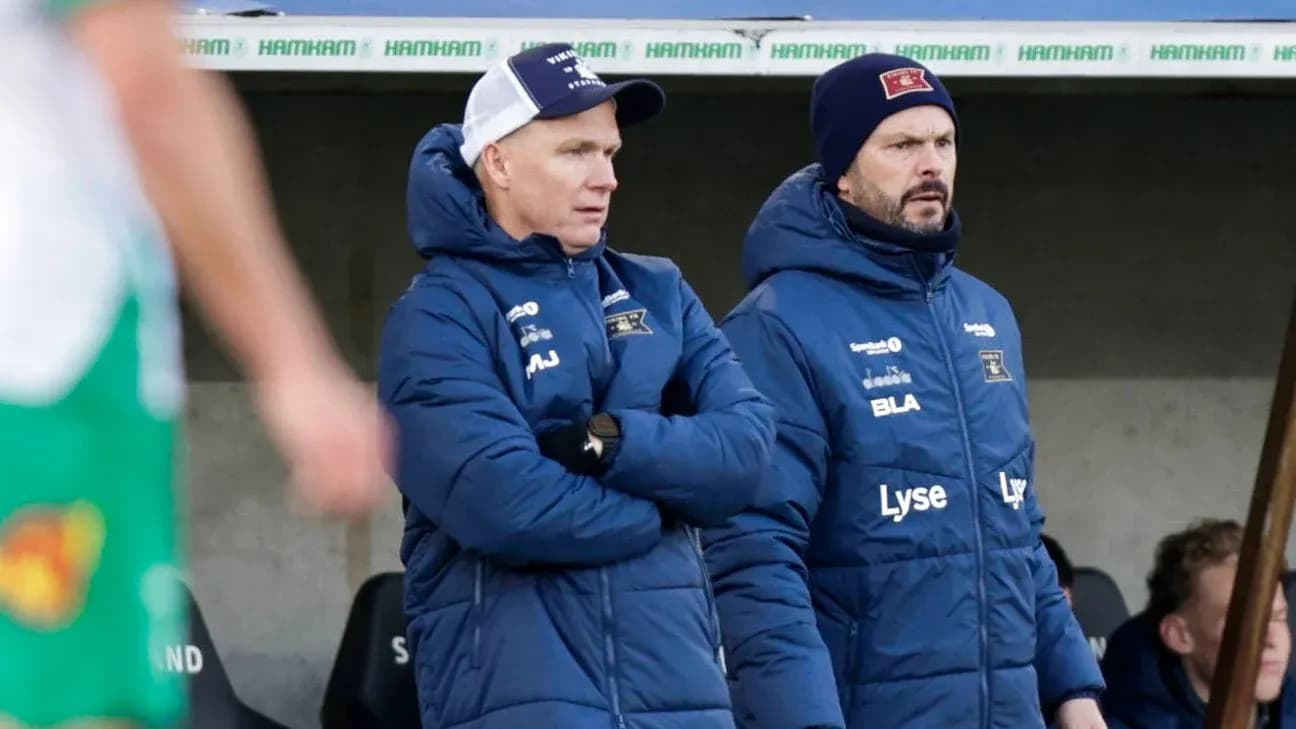
Norwegian champions Viking FK arrive in Germany this week carrying one of European football’s boldest ideas – and it sits in the dugout.
While most clubs still cling to the classic hierarchy of a single all-powerful manager and his assistant, Viking split the throne in two. Morten Jensen and Bjarte Lunde Aarsheim share the job, the authority and the pressure, right down the middle.
They have done so since January 2021. Not as a stop-gap. Not as an experiment to be quietly shelved. This is the core of Viking’s identity.
A shared vision, a single direction
At Viking, there is no “number one” and no deputy. Jensen and Lunde Aarsheim make the big calls together: tactics, selection, game management. Matchday duties, training-ground work, media briefings – all divided equally.
It helps that both men are steeped in the club. Lunde Aarsheim is not just a coach; he is part of Viking’s fabric, sitting eighth on the club’s all-time appearance list. Jensen, for his part, has become the public face of the project, but never at the expense of the partnership.
The result is a unified message that runs from the dressing room to the pitch. Two voices, one plan.
From domestic nearly-men to champions
The impact has been impossible to ignore. Under the dual leadership, Viking have muscled their way back to the top of Norwegian football.
The defining moment came in 2025, when the Stavanger club finally ended a 34-year wait for the Eliteserien title. That triumph did not arrive in isolation. Viking have turned themselves into perennial contenders, locked in a fierce title fight with Bodo/Glimt and refusing to drift back into the pack.
Consistency at home has laid the foundation for a push abroad. The co-coaches have not just stabilised Viking; they have elevated them.
Dinamo Zagreb, a dream, and a breakthrough
The real statement came in Europe. Viking’s play-off victory over Dinamo Zagreb did more than secure a tie with VfB Stuttgart. It opened a door that had been shut for more than three decades.
Zlatko Tripic, captain and heartbeat, stood at the centre of it all. The forward scored in both legs of the play-off, turning a demanding tie into a defining chapter of his career and his club’s modern history.
His goals carried Viking into the Champions League main stage for the first time since 1992. For a generation of supporters, this is uncharted territory.
Jensen did not hide what it meant. After the win over Dinamo Zagreb, he described the achievement as “overwhelming and everything we’ve ever dreamed of.” It sounded less like a cliché and more like a release.
Tripic, the bridge between dugout and pitch
If Jensen and Lunde Aarsheim are the brains of the operation, Tripic is the nerve centre on the grass.
The captain serves as the crucial conduit for their shared ideas, translating dual instructions into a single, coherent performance. His influence stretches beyond goals and assists; he is the embodiment of the co-coaches’ vision, enforcing standards, tempo and belief.
When Viking bend into their shape, press as a unit or spring forward on the break, Tripic is usually at the heart of it. He is the player who makes the two-head system feel like one team.
A 1,150-kilometre test of a philosophy
Now comes the next examination: VfB Stuttgart at the MHP Arena.
The 1,150-kilometre journey from Stavanger to southern Germany is more than a geographical trip. It is a journey from theory to proof, from domestic dominance to the harsh light of the Champions League.
Viking travel not just as Norwegian champions but as standard-bearers for a different way of running a football club. Their co-coaches will walk out into one of Europe’s major leagues, shoulder to shoulder, their approach exposed on one of the sport’s grandest stages.
If their players can once again execute the shared gameplan with the precision that floored Dinamo Zagreb, Viking will not just be chasing a famous result. They will be testing whether a two-headed dugout can truly thrive at the highest level of European football.
Related News
Hibernian Sack Coach David Gray Amidst Poor Performance
David Gray's Hibernian Tenure Ends After Six Games
Juventus vs NEC Nijmegen: Spalletti's Focus on Mentality
Cristiano Ronaldo's Future at Al-Nassr in Question After AFC Champions League Defeat
Mikel Merino's Leadership Shines in Carabao Cup Match

Celtic Supporter Arrested for Alleged Assault on Frankie Kent