
Ventura County's 2–1 Victory Over Vancouver Whitecaps II Highlights Team Divergence
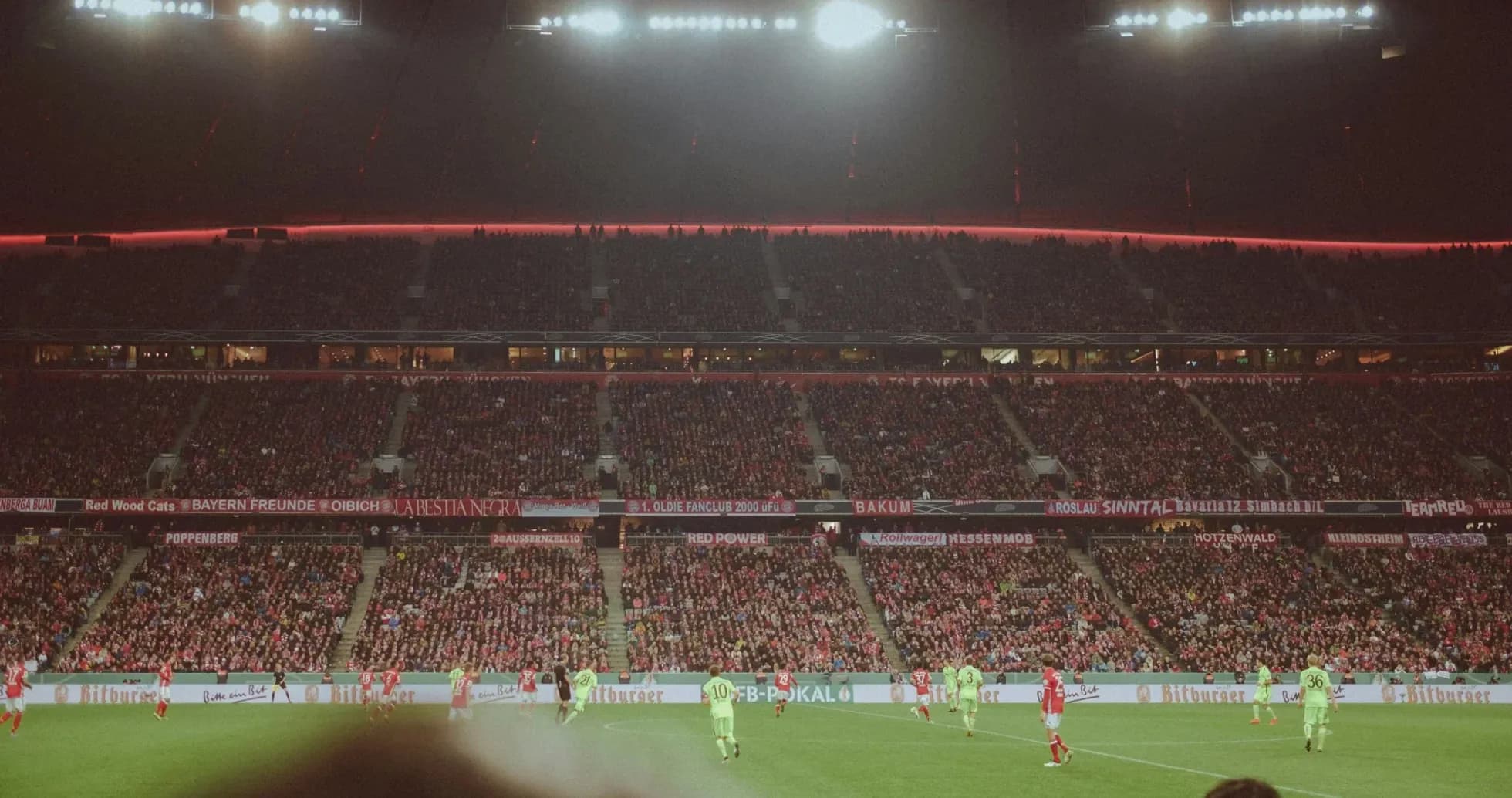
Under the floodlights of Dignity Health Sports Park, Ventura County’s 2–1 win over Vancouver Whitecaps II felt less like a routine group-stage outing and more like a snapshot of two clubs heading in opposite directions in MLS Next Pro 2026.
Heading into this game, Ventura County were quietly building a reputation as one of the Pacific Division’s most volatile but dangerous outfits. Overall they had taken 22 points from 14 matches, with a goal difference of 2 (23 scored, 21 conceded in the standings snapshot; 26 for and 22 against in the broader stats, still a slim positive margin). Their season’s DNA was clear: no draws, just eight wins and six defeats, underpinned by an overall scoring rate of 1.9 goals per game and 1.6 conceded. At home they were sharper in attack, averaging 2.0 goals while allowing 1.8, a profile that promised goals but not necessarily control.
Vancouver Whitecaps II arrived as a team in freefall. They were 7th in the Pacific Division and 13th in the wider conference picture, with 9 points from 13 matches and a bruising goal difference of -14, built from 17 goals scored and 31 conceded in the standings snapshot (18 for and 32 against in the season stats, the same -14). Their form line—“LLLLL”—told its own story. On their travels they were winless: seven away matches, seven defeats, with 9 goals scored and 20 conceded, an away defensive average of 3.0 goals against per game that has become their defining vulnerability.
The lineups underlined those identities. Ventura County’s XI was youthful and energetic: S. Conlon in goal behind a spine that included M. Vanney, S. Hernandez and E. Martinez, with the technical pairing of Pepe and V. Garcia offering control and progression. Ahead of them, the fluid attacking band of I. Luna, D. Vanney, E. Preston and J. Placias gave the hosts multiple routes to goal. On the bench, J. Rhodes, O. Aina, C. Gozdieski, A. Medina, M. McLean, A. Villatoro and E. Rios provided depth across the pitch, suggesting Ventura could sustain their intensity across the 90 minutes.
Vancouver, coached by Rich Fagan, travelled with a group that blended academy promise and early-career professionals. S. Rogers anchored the back line alongside J. Peace, P. Amponsah, M. Garnette and the notable presence of T. Wright, who also appears in the league’s top statistical lists as a defender of interest. Ahead of them, the midfield and forward cluster of Y. Tsuji, C. Bruletti, A. Bejaoui, C. Rassak, Y. Zuluaga and K. Podgorni was tasked with breaking Ventura’s rhythm and offering transitions. The bench—featuring I. Mathe, M. Popovic, T. Brown, T. Lodder and M. Badwal—was lighter in numbers than Ventura’s, a subtle but important factor in a league where late-game intensity often decides contests.
Tactically, this matchup was always going to be defined by Vancouver’s away fragility against Ventura’s home aggression. On their travels, Vancouver’s 1.3 goals scored per match have not been enough to offset the 3.0 they concede. Ventura, by contrast, combine that 2.0 home scoring average with a willingness to play open, high-tempo football. The 1–0 half-time lead to Ventura, reflected in the 2–1 full-time scoreline, fits the pattern of a side that often leans into chaos but trusts its attacking structure to outpunch opponents.
Discipline and game management are another key axis where these squads diverge. Ventura’s yellow-card profile shows a clear late-game edge: 30.00% of their cautions arrive between 46–60 minutes, another 30.00% between 61–75, and 35.00% in the 76–90 window. This is a team that pushes the limits as matches stretch, often defending leads or chasing games with aggressive interventions. Vancouver’s distribution is more even but still telling: 16.00% of their yellows fall in each of the 16–30, 46–60, 76–90 and 91–105 ranges, with 12.00% in the 0–15 and 61–75 minutes. That even spread suggests structural pressure throughout the match rather than one specific weak phase, a symptom of a side often under siege.
The “Hunter vs Shield” dynamic here is less about a single star striker and more about collective patterns. Ventura’s attack is distributed across the likes of Luna, Preston, Placias and D. Vanney, supported by Pepe’s and Garcia’s work between the lines. They collectively embody that 1.9 goals-per-game overall output and have already produced a biggest home win of 4–2 this season. Vancouver’s “shield” is statistically porous: overall they concede 2.5 goals per match, with the away figure rising to 3.0. For defenders like Wright and Amponsah, this fixture was another examination of whether they can hold a high line and defend space against layered movements and late runs from midfield.
In the “Engine Room” battle, Ventura’s central duo of Pepe and V. Garcia were always likely to dictate tempo against Vancouver’s rotating midfield of Tsuji, Bruletti, Bejaoui and Rassak. Ventura’s season numbers show they have only failed to score once overall, and have kept 4 clean sheets in total (1 at home, 3 on their travels). That reliability in chance creation is rooted in their central structure: they can play through pressure, go direct to the front line, or use the half-spaces via Luna and Placias. Vancouver, with no clean sheets home or away, are still searching for a midfield balance that can protect a back line already stretched by constant transitions.
From a statistical prognosis standpoint, this 2–1 result aligns almost perfectly with the expected profiles. Ventura’s home scoring average of 2.0 was met; Vancouver’s away scoring average of 1.3 translated into a single consolation goal. With both sides yet to draw a match this season, the probability of a decisive result was always high, and Ventura’s slightly positive goal difference and superior form (“WLLWW” in the standings snapshot, “WWLWWWLLLWWLLW” across the broader run) pointed toward a narrow but deserved home win.
Following this result, the narrative hardens: Ventura County look every inch a playoff-bound side from 5th in the Eastern Conference grouping, capable of overpowering weaker visitors even when they leave the back door ajar. Vancouver Whitecaps II, stuck at 13th in the conference context and 7th in the Pacific Division, remain a team whose attacking flashes cannot yet mask a chronic defensive softness, especially away from home. The squads on show in Carson reflected that divergence: Ventura deep, flexible and increasingly ruthless; Vancouver brave but brittle, still searching for the defensive platform that could turn their season from damage limitation into genuine competition.
Related News

MLS Winners and Losers: Rising USMNT Star Cavan Sullivan, St. Louis City's Smart Moves, and Chicago Fire's Struggles Without Hugo Cuypers

MLS Highlights: Portland Timbers End Drought, Josh Sargent Shines, Cavan Sullivan Impresses
Tacoma Defiance vs Colorado Rapids II Stats: Head-to-Head Record

St. Louis City II vs Vancouver Whitecaps II: Head-to-Head Stats and Match Preview
Atlanta United II vs New York City II Stats: Head-to-Head Record
Houston Dynamo FC II vs Austin II Stats: Head-to-head Record