
Vancouver Prepares for World Cup: New Rules and Crowds Ahead
The World Cup isn’t kicking off for another two years, but Vancouver’s matchday reality starts on Wednesday.
That’s when the city officially enters its FIFA World Cup 2026 “event period,” a two‑month stretch that will reshape how streets sound, look, and even who gets to use them. The changes run from May 13 to July 20, 2026, wrapped inside a new FIFA World Cup 2026 Bylaw that hands city officials expanded powers over advertising, vending, noise, graffiti, and public space.
The backdrop is huge. The province expects roughly 350,000 visitors to stream through B.C. Place during the tournament. Vancouver is preparing to spend between $532 million and $624 million to host seven matches, with the city on the hook for up to $281 million of that bill.
City hall calls it a “once-in-a-generation opportunity” to showcase Vancouver on a global stage.
Others see something very different.
A New Rulebook Around B.C. Place
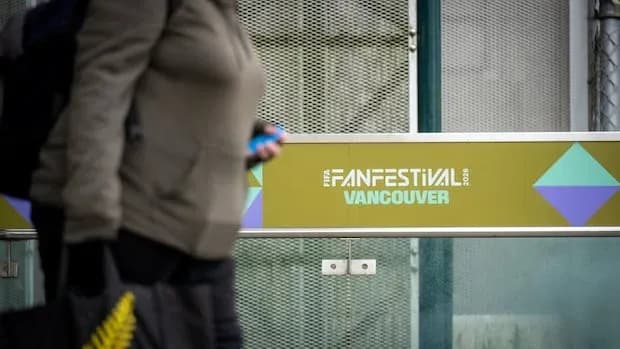
The heart of the operation is a tightly drawn “controlled area” – a two‑kilometre ring around B.C. Place and the FIFA Fan Festival site at Hastings Park.
Inside that zone, the rules change.
Temporary event structures will spring up more easily. Fan zones, branded signage, and pop‑up installations near key sites will face fewer bureaucratic hurdles. The city wants to move fast and build big.
On the flip side, everyday activities get squeezed. Street vending and busking face new restrictions. Certain types of advertising will be shut out to protect FIFA’s commercial partners. Any unauthorized commercial signs that sneak through can be ripped down quickly to keep the tournament’s branding clean and uncluttered.
The soundscape will shift too. Noise allowances are extended, designed to fit international broadcast schedules and late‑running event operations. Nights will be louder, and for longer.
Even the way goods move through the city is up for revision. Truck routes and delivery times in busy parts of the downtown core may be reworked to clear space for security perimeters and event logistics.
Break the rules, and it could be costly. For most common violations, bylaw officers can hand out tickets ranging from $250 to $1,000. Enforcement will be a joint effort between the City of Vancouver and the Vancouver Police Department, blending municipal oversight with a heavier security presence.
The message is clear: for two months, this part of Vancouver will run on World Cup time.
“Privatization of Public Space”
Not everyone is celebrating.
Housing advocates and legal experts warn that the bylaw’s language around “clean, safe, and organized” public spaces carries a familiar edge in a city already struggling with homelessness and inequality.
“This is basically the privatization of public space,” said Penny Gurstein, professor emeritus at the University of British Columbia’s School of Community and Regional Planning. “I think people should be worried, especially people who are experiencing homelessness, living on the streets.”
The concern is simple and sharp: when a city promises to be “clean” for a global event, people living on the margins often pay the price.
Officials insist that’s not what will happen here. The city says the bylaw does not change existing protections for unhoused residents. People experiencing unsheltered homelessness will still be allowed to erect temporary overnight shelter in parks where current bylaws already permit it.
On beautification, the city draws a firm line. It says the term refers to physical infrastructure work – fixing sidewalks, sprucing up streets, decorating construction sites – and claims this push has “no assessed impact on human rights.”
Critics aren’t convinced that legal language and on‑the‑ground practice will match.
A City Split by the Same Tournament
Margot Young, a constitutional law professor at UBC’s Allard School of Law, points to a deeper divide beneath the fanfare.
“There will be disruption, but that disruption will be different for different groups in the city depending really upon their … social and economic status,” she said.
For wealthier residents, the World Cup looks like a festival. Tickets, parties, corporate hospitality, and a city dressed up for the cameras.
“For those with money, they maybe can go to games, they can take part in the parties,” Young said.
For those at the other end of the income scale, the same event can feel like a force pushing them out of view.
“But for individuals who are at the bottom of our ... income and wealth distribution … they will be moved around by the reordering of city space by FIFA,” she said.
The city has promised trauma‑informed enforcement. Young questions how that will actually work when the event is underway.
“There's no system in place to sort of monitor what is happening with respect to the vulnerable populations,” she said.
The fear is not just about a ticket here or a warning there. It’s about a month‑long reordering of who belongs where in their own city.
Services Stay, Spotlight Grows
City officials stress that homelessness services and outreach programs will continue through the tournament. Vancouver currently counts more than 1,500 shelter beds and about 8,100 supportive housing units, backed by outreach teams, hygiene services, and storage programs.
On paper, the safety net remains in place even as the city dresses itself for the world.
What changes is the pressure. Bylaw officers, police, private security, and FIFA’s commercial demands will converge on a relatively small slice of Vancouver at the exact moment global attention does the same.
For some, that’s the dream: a packed B.C. Place, a roaring fan festival at Hastings Park, and a city buzzing late into the night.
For others, it’s a looming question: when the World Cup comes to town and public space becomes premium space, who actually gets to stay put?
Related News
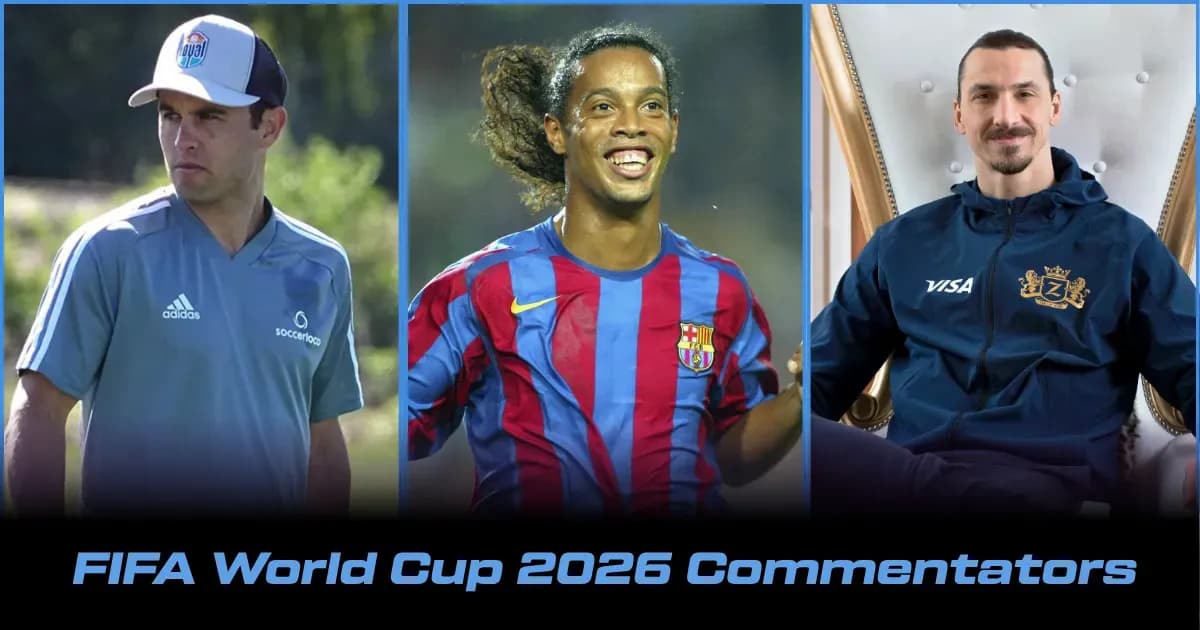
FIFA World Cup 2026 Commentary Team: Complete List of Presenters and Analysts
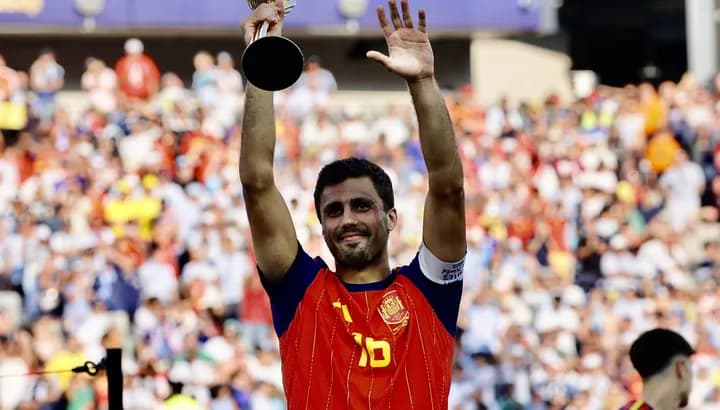
World Cup 2026 Best XI: Messi, Rodri, Mbappe Lead the Lineup

Spain’s Tactical Mastery Behind Their Second World Cup Triumph
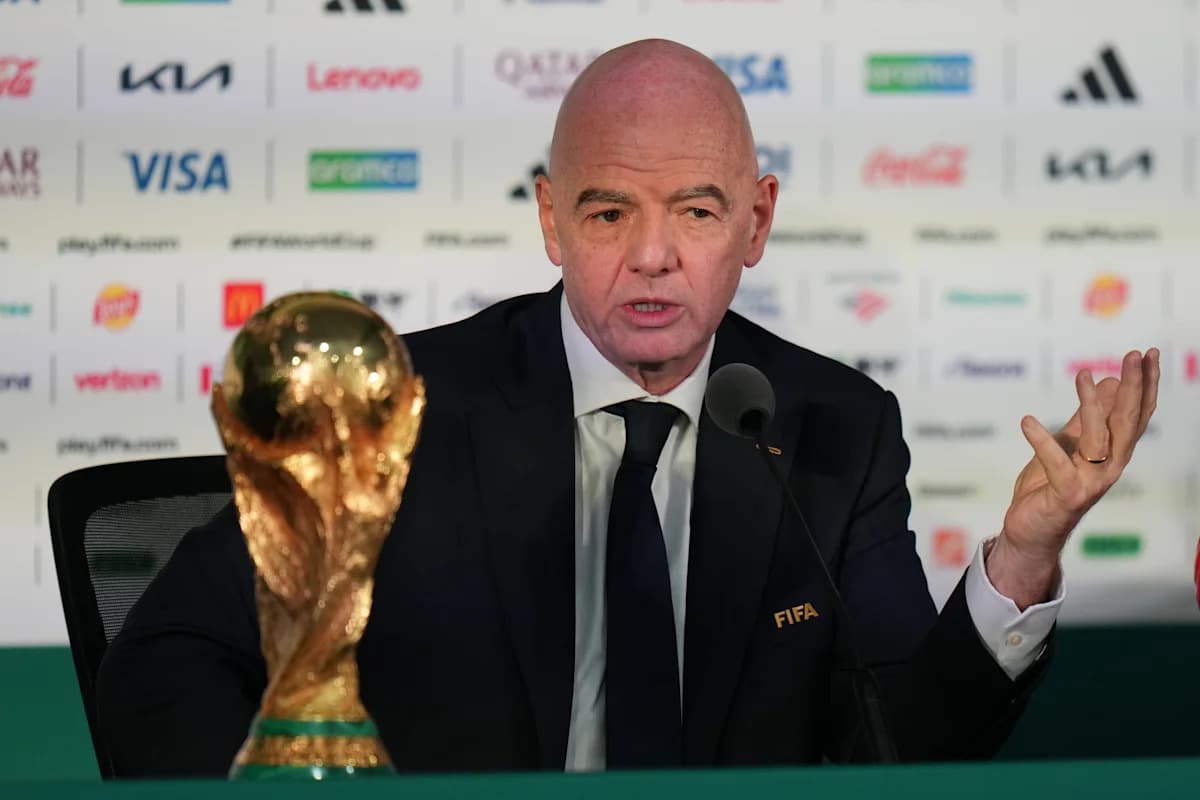
Gianni Infantino Criticizes World Cup 2026 Detractors Amid Event's Success
FIFA President Gianni Infantino Responds Strongly to 2026 World Cup Critics
Kylian Mbappé Pens Open Letter to France Fans After 2026 World Cup