
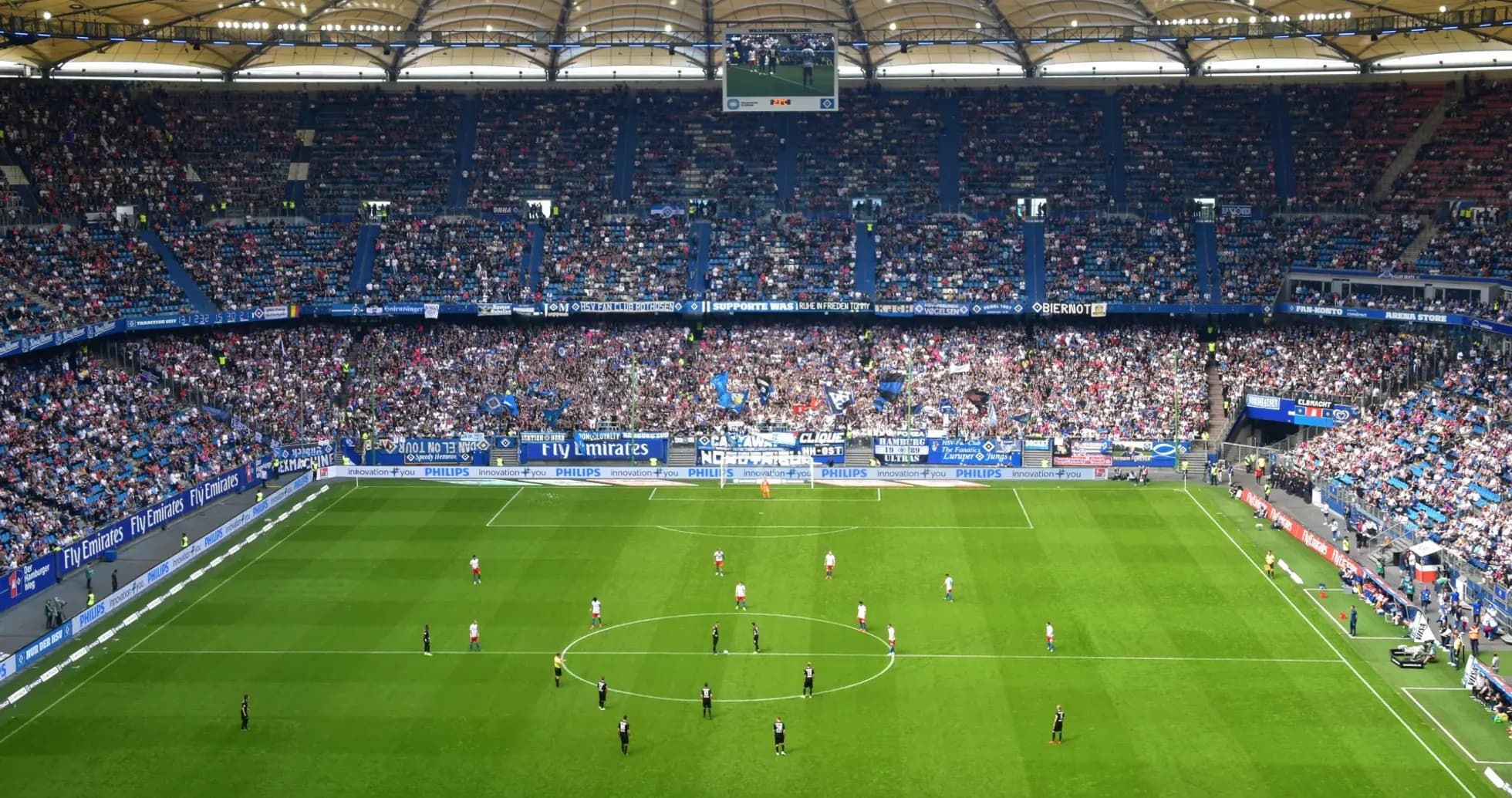
Vancouver Whitecaps II vs Tacoma Defiance: Key Matchup in MLS Next Pro
In the MLS Next Pro Group Stage in 2026, this fixture at Swangard Stadium between Vancouver Whitecaps II and Tacoma Defiance is an early-season six-pointer in the Pacific Division. Vancouver come in 6th with 9 points from 10 games and a -9 goal difference, while Tacoma sit just behind them in 7th on 8 points with a -8 goal difference. With both sides already on 7 league defeats, this match has clear lower-midtable and potential playoff-race implications: the winner stabilizes and stays in touch with the pack above, the loser risks being dragged toward the bottom of the conference hierarchy.
Head-to-Head Tactical Summary
Recent meetings show a volatile, high-scoring matchup with a slight tilt toward Vancouver at Swangard and more balance at Starfire Sports. On 12 April 2026 at Swangard Stadium, Vancouver Whitecaps II beat Tacoma Defiance 2-1 after a 0-0 HT, underlining Vancouver’s ability to edge tight home contests. In 2025 at Starfire Sports on 5 September, Vancouver won 3-1 after a 0-0 HT, showing they can counter-punch effectively away. Earlier that year on 15 May 2025 at Swangard Stadium, Vancouver produced a dominant 5-0 win after leading 2-0 at HT, their clearest statement of attacking superiority in this matchup. Tacoma’s main response came on 7 April 2025 at Starfire Sports with a 5-3 home win after a 0-0 HT, highlighting their capacity to exploit an open game. The 21 September 2024 clash at Swangard Stadium ended 3-1 to Vancouver after a 1-0 HT lead, reinforcing a pattern: at Swangard, Vancouver have consistently combined early control with enough attacking punch to finish the job.
Global Season Picture
- League Phase Performance: In the league phase, Vancouver Whitecaps II have 9 points from 10 matches (3 wins, 0 draws, 7 losses), scoring 15 goals and conceding 24 (goal difference -9). Tacoma Defiance have 8 points from 10 matches (3 wins, 0 draws, 7 losses), with 10 goals for and 18 against (goal difference -8). Both sides are loss-heavy, but Vancouver’s matches are more open (higher goals for and against), while Tacoma are involved in lower-scoring contests.
- Season Metrics: Scope detection shows team statistics and standings both at 10 games, so these numbers are also in the league phase. Vancouver’s attacking output is relatively proactive, averaging 1.6 goals scored per game (16 total) but conceding 2.5 per game (25 total), a defensively fragile profile. They have not kept a single clean sheet and have failed to score only once, confirming a consistently open, high-variance style. Discipline-wise, Vancouver accumulate yellow cards throughout the match, with notable spikes late in games (21.05% of yellows between 76-90 minutes and another 21.05% between 91-105), suggesting rising defensive stress as matches progress. Tacoma Defiance average 1.2 goals for and 1.9 against per game (12 scored, 19 conceded), pointing to a slightly tighter but still negative goal balance. They have one clean sheet and have failed to score in four games, indicating a more inconsistent attack. Their yellow cards cluster around the 31-45 minute (33.33%) and 46-60 minute (25.00%) ranges, hinting at aggression and disruption in the middle phases rather than late desperation.
- Form Trajectory: In the league phase, Vancouver’s form string of “LLWLW” shows a stop-start pattern: three defeats in the last five but with wins intermittently breaking the runs, consistent with a high-variance, momentum-swinging team. Tacoma’s “LWWLL” indicates a recent mini-peak followed by regression: two consecutive wins were immediately followed by two losses, underlining their inability to sustain positive trends. Both teams are oscillating rather than trending upward, which magnifies the importance of this direct clash as a potential inflection point.
Tactical Efficiency
With no explicit comparison block data provided, we benchmark tactical efficiency using the league-phase statistics. Vancouver’s attack is relatively efficient in volume terms at 1.6 goals per match, but this is undermined by a very leaky defense conceding 2.5 goals per match; the lack of any clean sheets underlines a low defensive efficiency index. Their biggest away loss of 6-1 and home loss of 2-3, combined with a high away goals-against average (3.2), suggest that once their defensive structure is breached, they struggle to limit damage. Tacoma’s profile is more conservative: 1.2 goals scored and 1.9 conceded per game reflect a slightly weaker attack but a somewhat more compact defense than Vancouver’s. Their biggest wins (4-1 at home, 2-3 away) and biggest away loss (4-0) show that they are capable of both sharp counter-attacking and complete collapses, but on average they keep matches a bit tighter than Vancouver. In practical terms, Vancouver’s “attack index” is higher in raw output, but their “defense index” is lower; Tacoma sit slightly below Vancouver offensively but above them defensively. This sets up a tactical contrast: Vancouver rely on outscoring opponents, Tacoma on narrowing margins and hoping their structure holds.
The Verdict: Seasonal Impact
From a seasonal perspective, this match is a pivotal mid-campaign lever for both sides in the Pacific Division. A Vancouver win would move them to 12 points and create at least a four-point cushion over Tacoma, reinforcing Swangard Stadium as a stronghold and giving them a platform to chase the midtable and potential playoff positions above. It would also validate their attacking-first approach despite defensive weaknesses, encouraging continuity rather than structural overhaul. For Tacoma, victory would flip the table dynamics, lifting them above Vancouver and compressing the lower half of the division, while signaling that their more balanced goals-for/goals-against profile can translate into results away from Starfire Sports. Defeat, however, would leave them stuck on 8 points with an increasing gap to direct rivals and intensify pressure to find more attacking output. Given both teams already have 7 losses in 10 league matches, this fixture is less about the title race and more about staying relevant in the playoff conversation and avoiding being locked into the bottom tier of the conference. The outcome will likely shape recruitment priorities and tactical adjustments heading into the second half of 2026: Vancouver focusing on defensive reinforcement if they win and can afford to refine, Tacoma potentially forced into more attacking risk if they lose and fall further behind.
Related News

MLS Winners and Losers: Rising USMNT Star Cavan Sullivan, St. Louis City's Smart Moves, and Chicago Fire's Struggles Without Hugo Cuypers

MLS Highlights: Portland Timbers End Drought, Josh Sargent Shines, Cavan Sullivan Impresses
Tacoma Defiance vs Colorado Rapids II Stats: Head-to-Head Record

St. Louis City II vs Vancouver Whitecaps II: Head-to-Head Stats and Match Preview
Atlanta United II vs New York City II Stats: Head-to-Head Record
Houston Dynamo FC II vs Austin II Stats: Head-to-head Record