
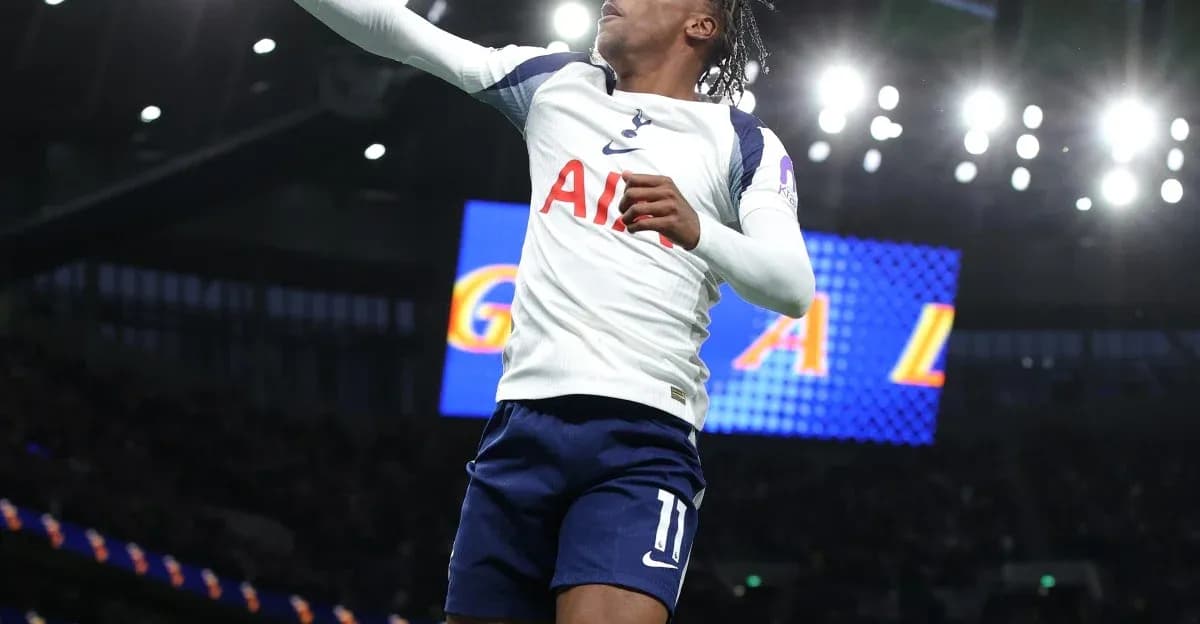
Tottenham's Anxious Draw Against Leeds: What Went Wrong
Tottenham feel the strain of the run-in. Ninety-nine times out of a hundred, this is the kind of game a side with European ambitions quietly wins, banks, and forgets. Instead, Spurs walked away from a fraught 1-1 draw with Leeds United knowing they had let the perfect afternoon slip through their fingers.
They had the lead. They had the chances. They had the stadium ready to explode. They leave with a single point and a lingering sense of injustice.
Tel’s thunderbolt, Tel’s torment
For an hour, Mathys Tel looked like the story. Then he became the twist.
After a tense, goalless first half in which both teams jabbed without landing anything decisive, the young forward finally broke the contest open with the kind of strike players dream about and coaches rarely encourage. The ball sat up for him, 20-odd yards out, right of centre. One touch to set, one swing of the right boot, and it screamed into the top corner.
No swerve, no doubt. Just violence and precision. A goal that cut through all the anxiety that has clung to Tottenham’s season.
The stadium surged. Spurs had been threatening — without composure, without ruthlessness — and at last they had something to show for it. Tel, who so often tries that spectacular effort and watches it fly high or wide, had finally nailed one. For a while, it felt like the moment that might define his season.
Then came the moment that might define his afternoon.
Protecting a fragile 1-0 lead deep in the second half, Tel dropped into his own penalty area to help defend a Leeds attack. As the ball looped up, he went for the overhead clearance, back to goal, eyes fixed on the ball. Ethan Ampadu, arriving from behind, rose to head it towards goal. Tel never saw him. His boot caught Ampadu in the head.
The contact was clear. The intent was not malicious. None of that mattered.
After a six-minute VAR check and a walk to the monitor, the referee pointed to the spot. Dominic Calvert-Lewin stepped up and dispatched the penalty, cool and clinical, dragging Leeds level and ripping the air out of the home crowd.
Cruel on Tel? Undoubtedly. Wrong? By the letter of the law, no. This is modern football: high boots in the box, head contact, penalty. The debate, as always, lives in the grey area of consistency, not in this incident itself.
Wasteful Spurs, resilient Leeds
The numbers told the story of a match that Spurs should have killed. Final xG: 1.32 to 1.26. Close on paper, but Tottenham’s big moments came in clusters, and they squandered them.
Richarlison’s afternoon summed it up. He ran, he pressed, he fought for every loose ball, but when the chances came, the finish deserted him. Early on, Pedro Porro slid a perfect ball in behind the Leeds back line. Richarlison latched onto it, in stride, only to let the opportunity die with a heavy touch. It set a pattern: clever movement, poor execution.
Randal Kolo Muani fared little better. There were flashes — including a lovely layoff that created a chance Richarlison could not convert before Pombo blazed over — but his influence ebbed away as the game wore on. For all Tottenham’s territorial control and attacking intent, their forwards never quite found the calm required inside the box.
Leeds refused to play the willing victim. Any notion that they might be coasting into the end of the season evaporated inside the opening 10 minutes. They pressed with intelligence, kept their shape, and broke with purpose. They are a side that has found rhythm at the right time, and they made Spurs work for every yard.
Kinsky, the Leeds goalkeeper, produced two defining saves that framed the contest. The first came midway through the opening half, when Tottenham looked certain to strike. Somehow, he clawed the ball away from the line, contorting his body to keep the match level and leave home supporters staring in disbelief.
The second, late on, might have saved Leeds’ season as much as it endangered Tottenham’s. Sean Longstaff unleashed a rocket from distance that seemed destined for the net. Kinsky flew, fingertips strong, and turned it away. It was a save of title-race quality in a match that was all about the scrap for European places.
VAR, penalties, and one furious finale
This was a match played under the constant shadow of VAR. A rare “penalty corner” call early on — the sort of infringement usually highlighted in August and forgotten by September — reminded everyone how quickly the technology can change a game. A Leeds chance late in the first half, scrubbed off for offside, probably spared Spurs a penalty against Kevin Danso. The margins were thin all afternoon.
Tottenham, for once, avoided their familiar habit of conceding in first-half stoppage time. Small mercies. The larger frustrations came later.
Deep into an extraordinary 13 minutes of added time — a number that seemed plucked from the sky as much as calculated — came the incident that will dominate the post-match conversation in north London. James Maddison, making his first appearance of the season as a late substitute, drove into the box and appeared to be bundled over.
The stadium waited for the whistle. It never came.
No penalty. No trip to the monitor. Just play on, to a backdrop of disbelief. For Spurs, who had watched VAR pour over Tel’s foul on Ampadu, the contrast was galling. This, in their eyes, was “stone cold nailed on.” Instead of a chance to win it from the spot, they were left with anger and a single point.
Maddison’s return, at least, offered a sliver of light. Rusty or not, he carried himself like a player desperate to drag his team over the line, snapping into pockets of space and injecting a touch of craft that had been missing. Spurs have missed that kind of presence between the lines. They will need him now.
There were other oddities. A handball given against Micky after he was clearly fouled and instinctively grabbed the ball, expecting a whistle. A stop-start rhythm that never allowed Tottenham to fully settle after taking the lead. A sense that, on another day, the same referee crew might have made very different calls.
But when the noise fades, the basics remain: Spurs had enough to win and did not.
The table, the tension, the trip to Stamford Bridge
Strip away the emotion and the draw is not catastrophic. Tottenham stay two points clear of West Ham with two matches to play and hold a healthy advantage on goal difference. The equation is simple: match or better West Ham’s results and they finish ahead.
The problem lies in what comes next.
Spurs travel to Stamford Bridge next week, a ground that has been a graveyard for them for more than three decades. One league win there since 1990 is not a record; it is a curse. West Ham, meanwhile, head to Newcastle, a fixture that offers no guarantees but feels, on paper, less psychologically loaded than Tottenham’s assignment.
The nightmare scenario is obvious. A heavy defeat at Stamford Bridge, a West Ham win at St James’ Park, and suddenly that cushion evaporates. The season, which has flickered between promise and exasperation, would be right back on the brink.
Tottenham did not play badly against Leeds. The patterns were there, the chances were there. Last week against Villa, the ball went in. This week, it did not. Sometimes football is that blunt.
But with the finish line in sight, blunt truths are all that matter. Spurs cannot afford many more afternoons where “almost” is the headline. The question now is simple: in one of their least favourite venues, with their margin for error shrinking, can they finally deliver the win that turns this anxious run-in into something more than another tale of what might have been?
Related News

Raphinha’s Hat-Trick Powers Barcelona to 7-2 Victory Over Racing Santander
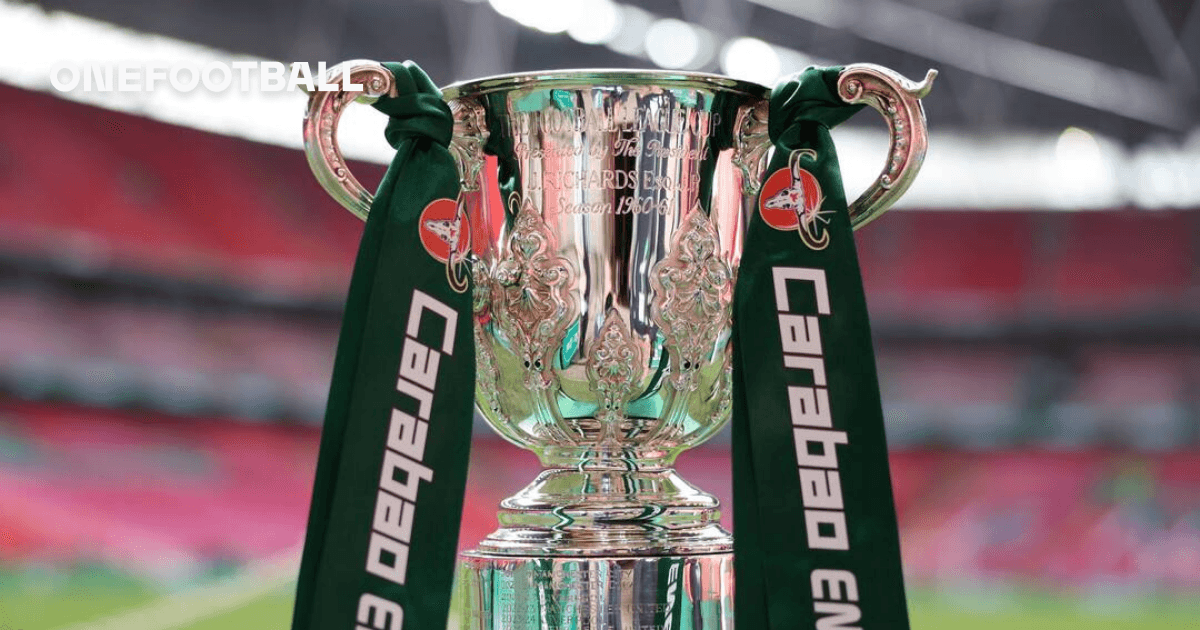
Carabao Cup Fourth Round Draw: Liverpool Set to Clash with Chelsea, Arsenal to Face Fleetwood Town
Key Football Matches to Watch in Azerbaijan This Autumn
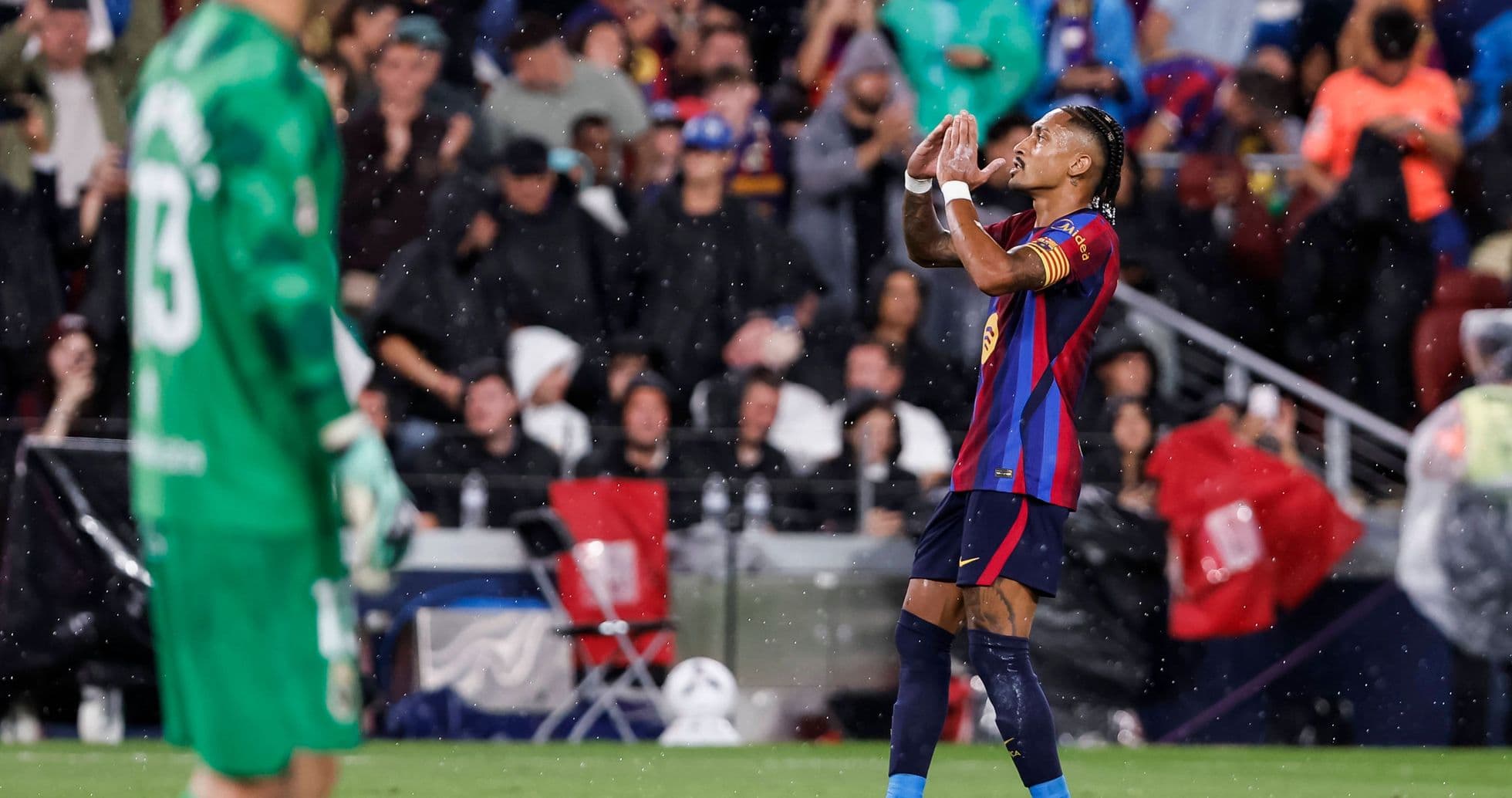
Raphinha's Hat-Trick Drives Barcelona to 7-2 Triumph Over Racing Santander
Hansi Flick Leads Barcelona to Record-Breaking Seven Wins in a Row

Gavi Reflects on Injury Return as Barcelona Dominate Racing Santander 7-2