
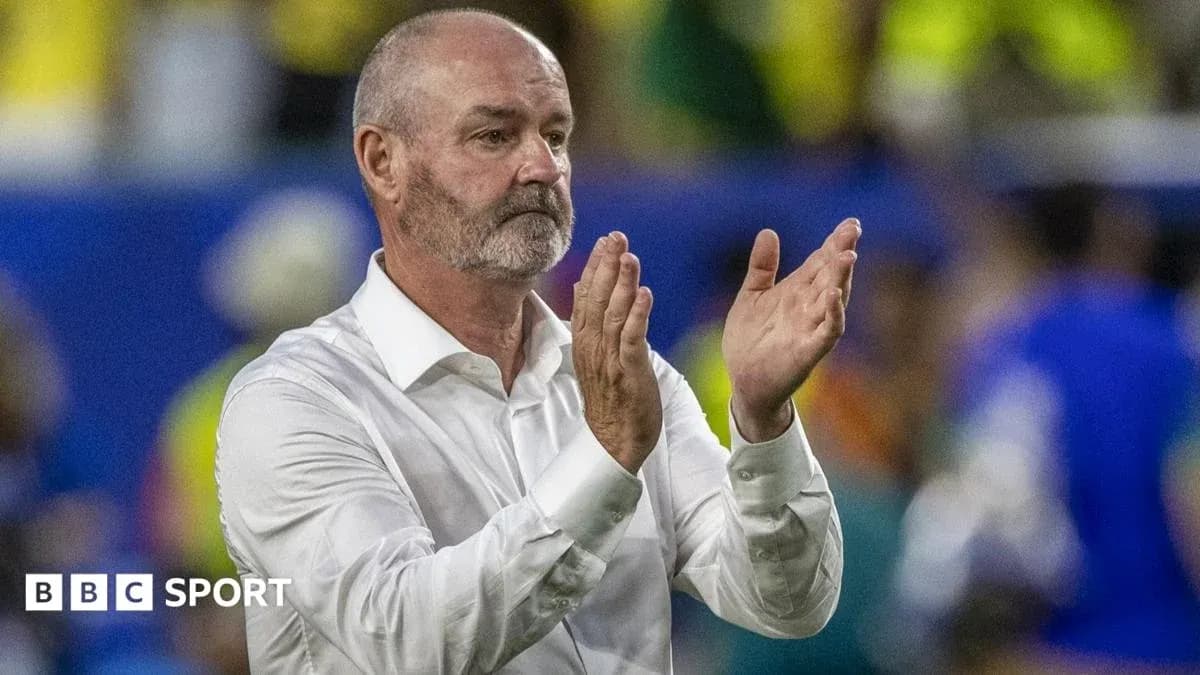
Steve Clarke on Scotland Contract and World Cup Exit
Steve Clarke has revealed he had to “give the SFA a little shove” to secure his final Scotland contract – all while knowing he would walk away if his team failed to escape their World Cup group.
Speaking publicly for the first time since Scotland’s early exit in the Americas, the 63-year-old former national coach told an audience in Edinburgh that he effectively forced the Scottish FA’s hand in the build-up to the tournament, but had already made a private pact with himself about the consequences of failure.
Clarke was in conversation with his old Chelsea and Scotland team-mate Pat Nevin at a Spartans Community Foundation dinner when he was asked about his decision to resign, despite signing a new four-year deal on the eve of the World Cup.
“It was never really a change of mind,” he said, as quoted by The Scotsman. “I am quite a complex person. I wanted to control my narrative.”
“They panicked a little bit”
Clarke laid bare a tense spring stand-off with the SFA hierarchy, explaining that by March he still had no offer on the table.
“Obviously we got to March and I hadn’t been offered a new contract, which I thought was pretty strange,” he said. “You start to think are they hedging their bets a little bit, waiting on the tournament in the summer.
“So I did a little bit in the media in March to give the SFA a little shove. We negotiated non-stop from the beginning of April really to the middle of May, just before the Curacao game.
“And I said to them if we don’t agree a new contract before we go to the World Cup then I will say I am leaving the job. They panicked a little bit and gave me the new contract.
“It was like drawing teeth trying to get it over the line. But we got it over the line anyway.”
The deal was signed. The future, on paper, looked settled. Clarke, though, had already drawn his own line in the sand.
Private ultimatum
Behind the scenes, the manager had decided that anything less than a place in the knockout rounds would spell the end of his tenure.
“But I always knew in my head that if we did not get out of the group stage then I would probably leave,” he admitted. “The only way I would have stayed on is if they had been three fantastic games and they went against you.”
Scotland’s campaign never reached that threshold. A narrow 1-0 win over Haiti offered early hope, but a 1-0 defeat to Morocco and a bruising 3-0 loss to Brazil left Clarke’s side clinging to improbable permutations to sneak through as one of the best third-placed teams.
The numbers never stacked up. And Clarke knew it.
“We had to stay for four or five days [in Charlotte], the longest four or five days ever just sitting and waiting, knowing you are going home because the goal difference was not good enough,” he recalled.
“I knew we needed four points. I got hammered in the media for saying that. Somebody hammered me for saying, ‘nah, that’s us, we are going home’. But I was right.”
Those days in North Carolina, spent in limbo, effectively closed the book on his reign.
Time for a new voice
Clarke revealed that the decision to step aside was also shaped by conversations with senior players in the aftermath of the Brazil defeat. Their reaction, and the weight of history Scotland still carry at major tournaments, convinced him that the group needed a fresh message if they were to finally break through at a finals.
He “sensed that they needed to hear a different voice” to take the final step and reach the knockout stage at Euro 2028, which Scotland will co-host.
That baton now sits with new head coach Sebastien Pocognoli. Clarke confirmed he had already reached out to his successor.
He spoke to Pocognoli last week to wish him well and, with a wry nod to Scotland’s often tortured qualification campaigns, pointed to the expanded safety net for the hosts in 2028. Two spots at the finals will be reserved for the best-ranked hosts who do not qualify automatically as group winners or runners-up.
Clarke’s verdict on that safety net was typically dry: he believes “even Scotland” cannot fail to make it.
Related News
Liverpool Sporting Director Search: Internal vs External Candidates
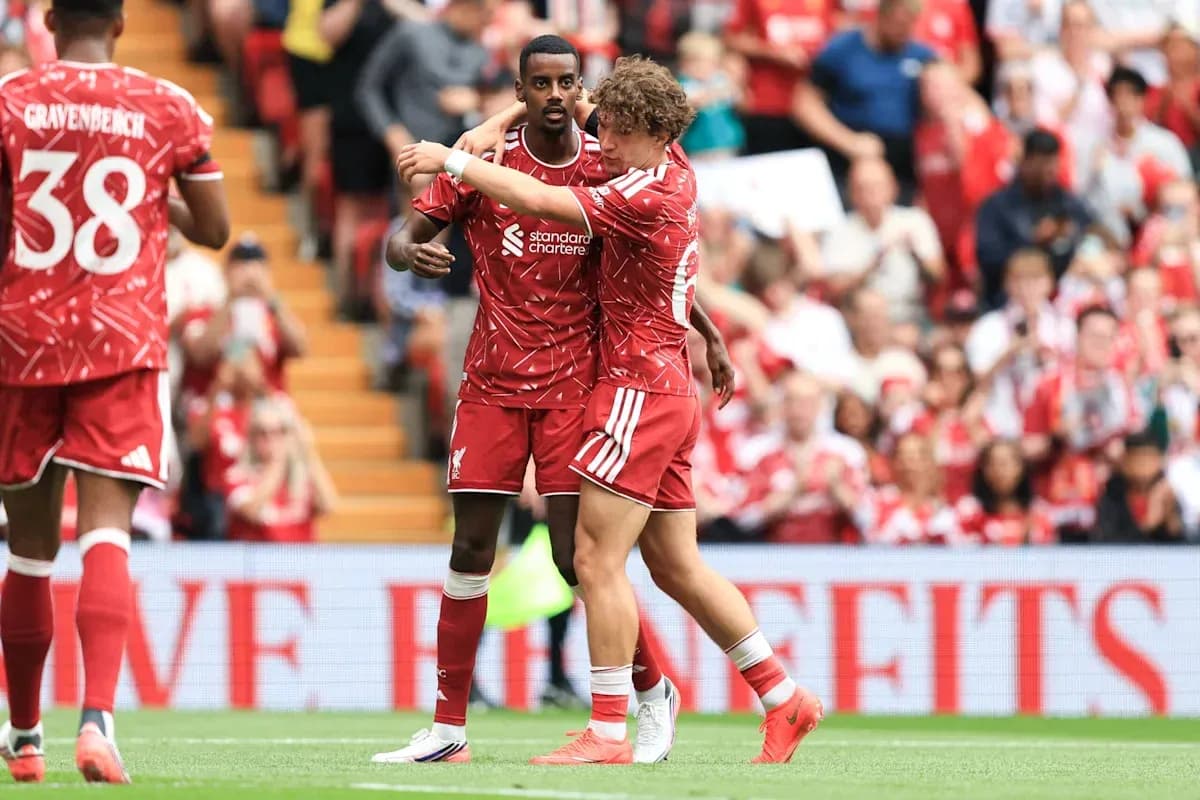
Alexander Isak on Choosing Liverpool: An Easy Decision
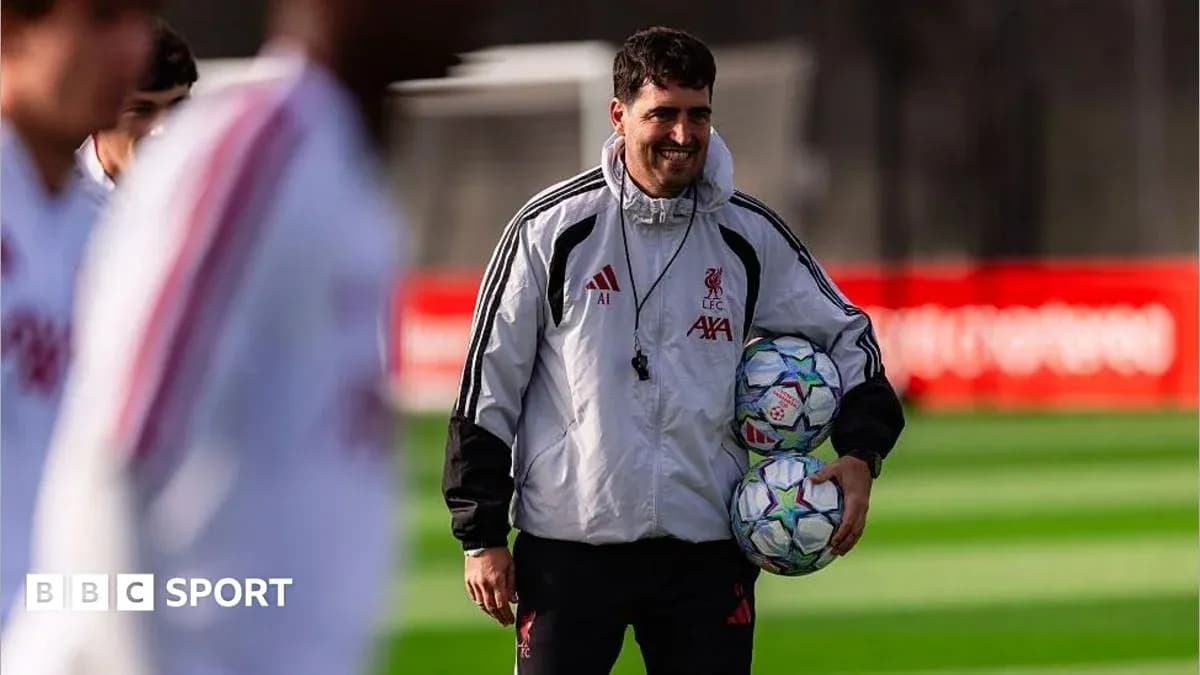
Iraola's Return to Bournemouth: Liverpool's New Era
JJ Gabriel's Future in Doubt as 'Kid Messi' Considers Leaving Man Utd
Owen Elding's Long-Awaited Call-Up to Ireland's Squad
Nick Woltemade Shines in Juventus Victory Over NEC Nijmegen