
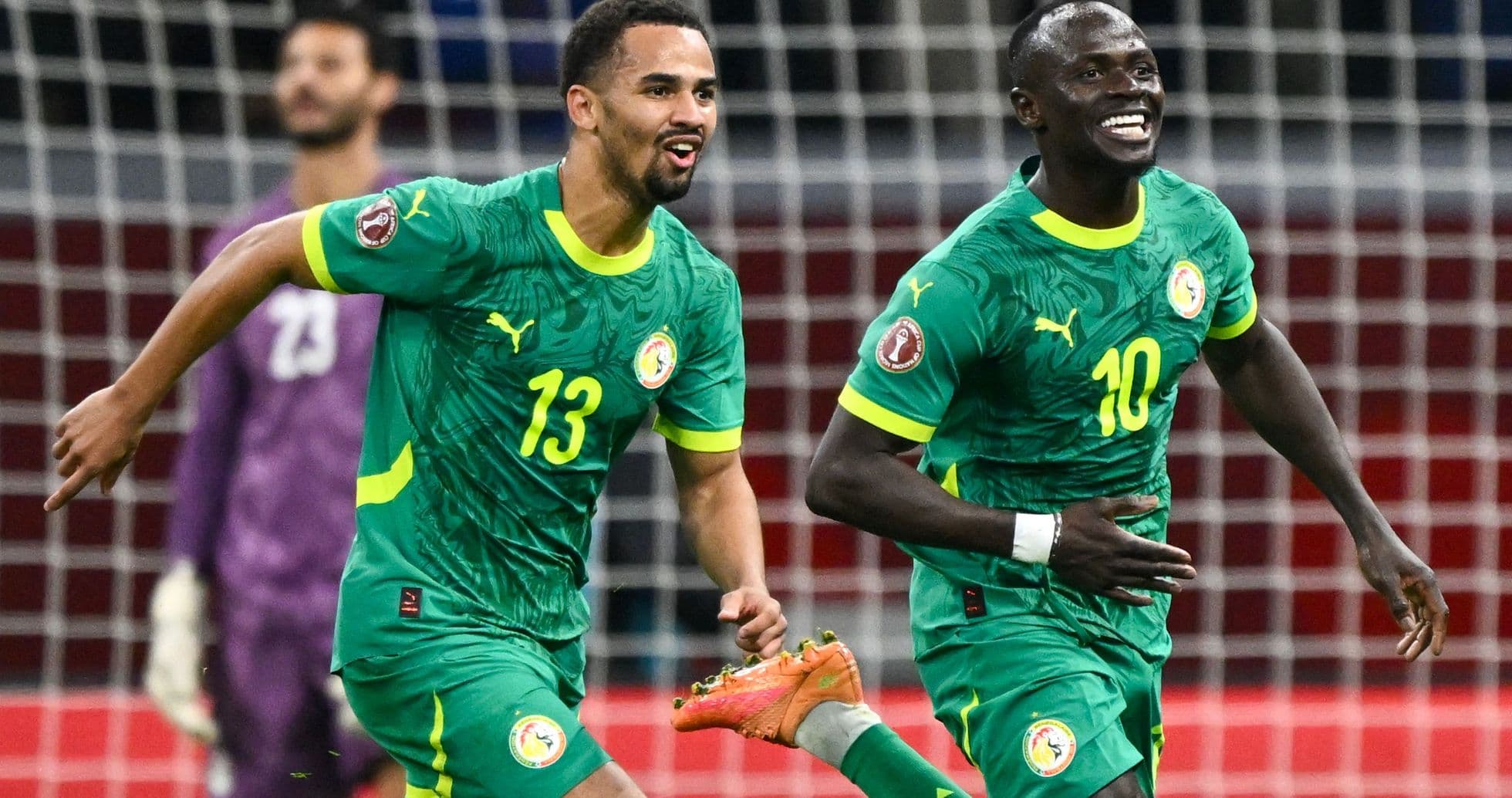
Senegal's 2026 World Cup Squad: Strength and Experience
Senegal arrive at the 2026 World Cup with a familiar aura of steel – and a very different kind of pressure.
They are no longer the dangerous outsider that stunned Africa. They are the champions who now have to prove they can do it on the biggest stage, against some of the hottest strikers on the planet. That reputation will be tested from the first whistle of the group stage.
A wall built on experience – and warning signs
The backbone of this team remains its defence. At AFCON, Senegal conceded just two goals on their way to the title, a record that underlined both structure and mentality. The Lions of Teranga defended as if every block and clearance carried history with it.
At the heart of it all still stands Kalidou Koulibaly. The captain remains the reference point, the organiser, the man others look to when the game starts to shake. But at 34, the miles are beginning to show. He missed the AFCON final through a mix of suspension and injury, and his red card in the group stages against Benin served as a sharp reminder: the line between authority and vulnerability is getting thinner.
Around him, the back line has a distinctly Ligue 1 flavour. Lyon’s Moussa Niakhate looks set to slot in alongside Koulibaly, a partnership that blends Koulibaly’s reading of the game with Niakhate’s athleticism. On the flanks, Krepin Diatta of Monaco and West Ham United’s El Hadji Malick Diouf are expected to provide both solidity and thrust, full-backs who can step into midfield or surge beyond the wingers when the game opens up.
Chelsea’s Mamadou Sarr and Nice defender Antoine Mendy add depth, while Rayo Vallecano’s Nobel Mendy has forced his way into the conversation after earning his first international call-up for the March friendlies against Peru and Gambia. Those matches may prove to be the auditions that shape the final defensive rotation.
Behind them all stands Edouard Mendy. At 34, the goalkeeper carries two AFCON titles and a calm authority that radiates through the side. He will start. There is no debate there.
Midfield muscle with a Premier League edge
If the defence gives Senegal structure, the midfield gives them bite and rhythm.
The return of Pape Matar Sarr and Habib Diarra from injury is a significant boost. Both missed the AFCON triumph, watching history from the sidelines. This time, they are expected to be fully fit and right in the mix for starting roles.
The Premier League influence runs deep. Idrissa Gueye, still an elite ball-winner at Everton, anchors the midfield with that familiar blend of aggression and intelligence. Around him, Sunderland’s Habib Diarra brings energy and vertical running, while Villarreal’s Pape Gueye offers control and physical presence in tight spaces.
Iliman Ndiaye, now at Everton, has turned his club form into a genuine talking point. His Premier League performances have sparked speculation about a move to Manchester United in the next transfer window. On the ball he glides, off it he snaps into tackles, and he carries a quiet menace around the box. A strong World Cup could change the trajectory of his career.
La Liga adds its own flavour. Pape Gueye at Villarreal and Pathe Ciss at Rayo Vallecano provide top-level experience and tactical versatility, able to sit deeper or push higher depending on the game state. Monaco’s Lamine Camara and Tottenham’s Pape Matar Sarr round out a midfield unit that can shift from functional to expressive in a heartbeat.
Competition for places will be fierce. The likely base is a three-man set-up: Idrissa Gueye holding, Habib Diarra and Pape Gueye working either side of him. It is not designed for fireworks. It is built to let the forwards burn.
Mane’s last dance
Up front, Senegal do not just carry firepower. They carry storylines.
Sadio Mane remains the face of this team. The Al-Nassr forward is Senegal’s all-time leading scorer with 51 goals and one of the country’s most decorated players, a Premier League and Champions League winner with Liverpool. He drove Senegal to their AFCON title, and now he has confirmed this World Cup will be his final act in international football.
That changes everything. Every run, every touch, every shot will feel heavier. Mane will start from his familiar position on the left, cutting inside, dragging defenders with him, demanding the ball when the moments get tight. He will want to leave with something more than memories.
Through the middle, Bayern Munich’s Nicolas Jackson carries a different kind of urgency. His loan move from Chelsea has not been simple; he has had to live in the shadow of Harry Kane and Luis Diaz, waiting for chances, fighting for rhythm. The World Cup offers him something he has not always had in Bavaria: a stage that is his. At his best, he is direct, ruthless, and relentless. Senegal will need that version.
On the right, Iliman Ndiaye is expected to complete the front three. His ability to drift inside, combine in tight pockets, and arrive late in the box makes him a perfect foil for Mane and Jackson. With club scouts already watching, he has as much to gain as anyone.
The depth behind them is rich. PSG’s Ibrahim Mbaye brings youthful unpredictability and could be a devastating option off the bench. Cherif Ndiaye (Samsunspor), Boulaye Dia (Lazio), Habib Diallo (Metz), Mamadou Diakhon (Club Brugge) and Assane Diao (Como) are all pushing for minutes, each with a slightly different profile.
Then there is Bamba Dieng. The Lorient striker has forced his way back into the squad after an impressive Ligue 1 campaign. His return adds another direct, penalty-box presence to an already crowded attacking department.
A XI built for one more charge
Strip away the noise and the likely shape is clear. A 4-3-3, built on experience at the back, legs in midfield and star power up front.
Predicted Senegal starting XI for World Cup 2026 (4-3-3): Mendy; Diatta, Koulibaly, Niakhate, Diouf; Diarra, Idrissa Gueye, Pape Gueye; Ndiaye, Jackson, Mane.
It is a side that can grind and a side that can explode. A team that has already conquered Africa, now staring at a very different summit.
For Mane, this is the last chapter in national colours. For the rest of this group, it might just be the beginning of something bigger.
Related News
Raphinha’s Hat-Trick Powers Barcelona to 7-2 Victory Over Racing Santander
Carabao Cup Fourth Round Draw: Liverpool Set to Clash with Chelsea, Arsenal to Face Fleetwood Town
Key Football Matches to Watch in Azerbaijan This Autumn
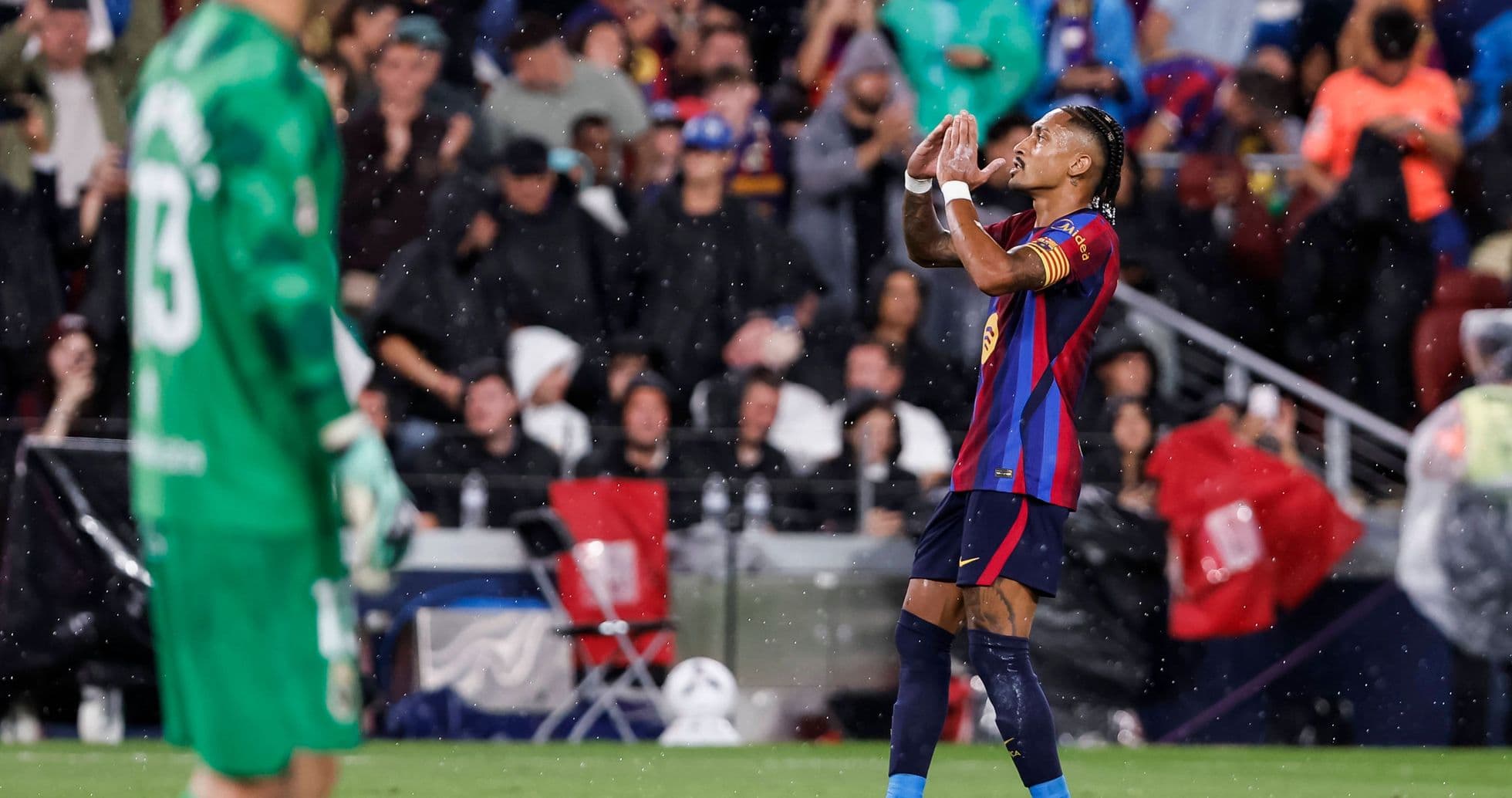
Raphinha's Hat-Trick Drives Barcelona to 7-2 Triumph Over Racing Santander
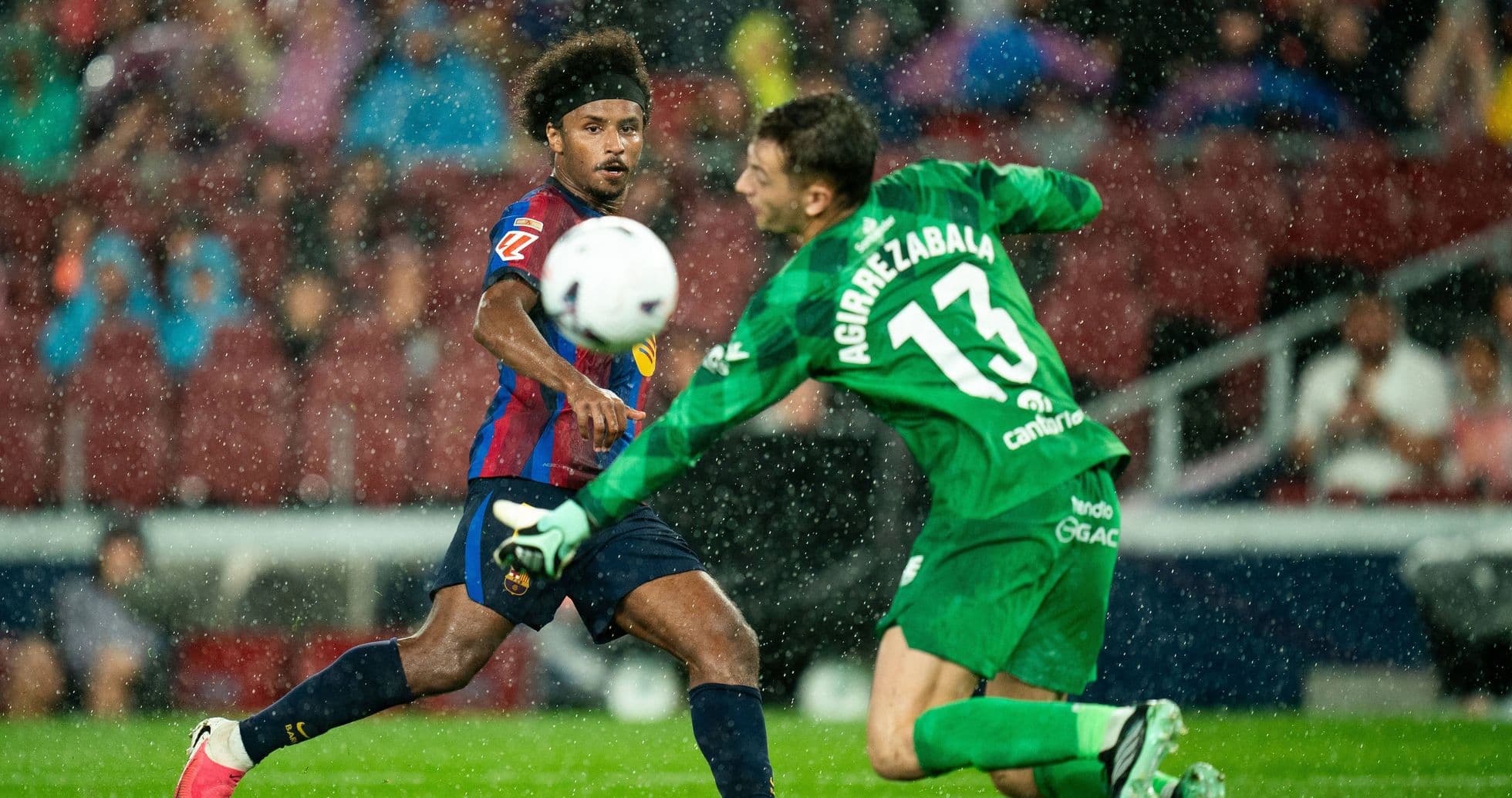
Hansi Flick Leads Barcelona to Record-Breaking Seven Wins in a Row
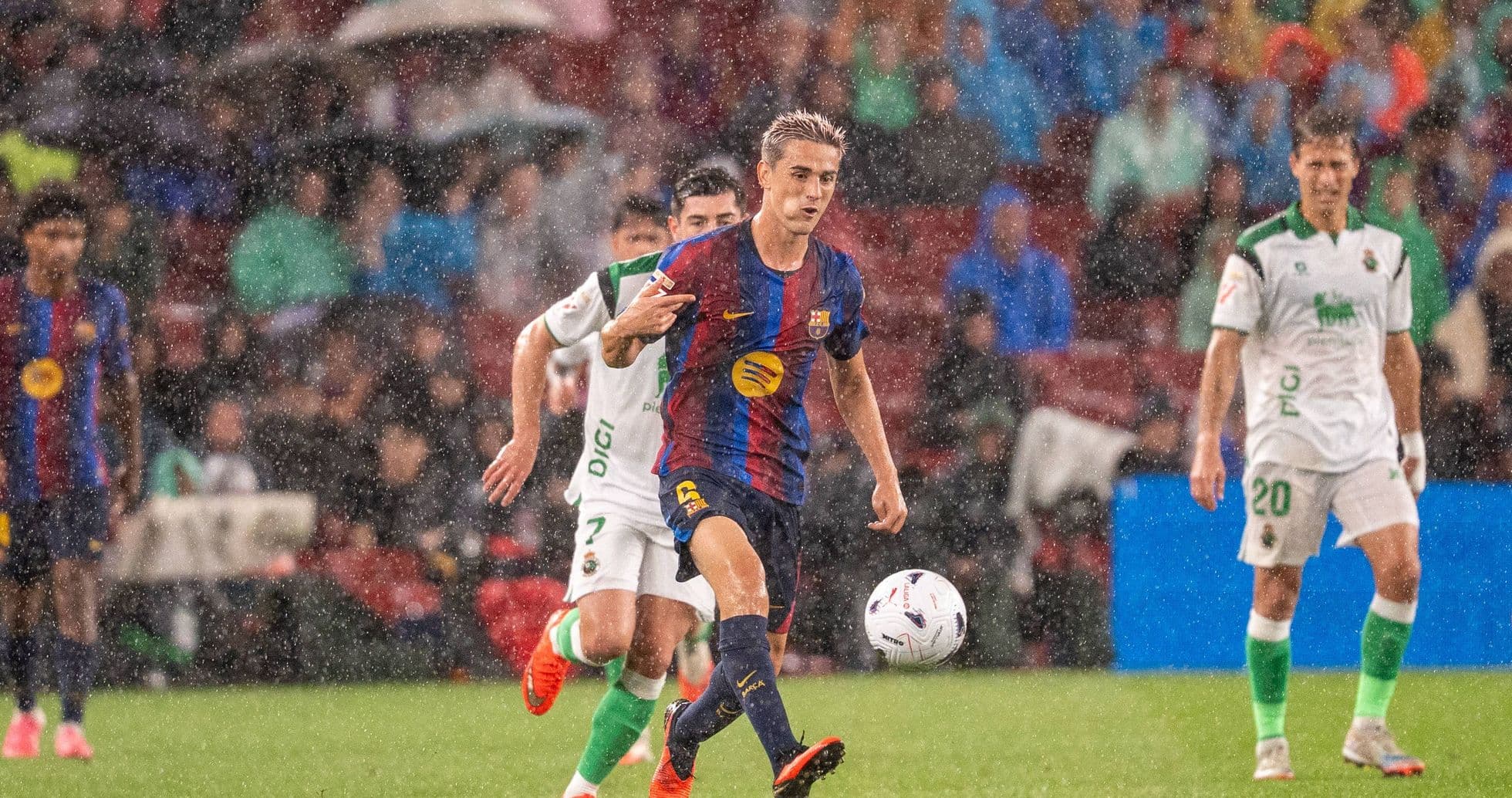
Gavi Reflects on Injury Return as Barcelona Dominate Racing Santander 7-2