
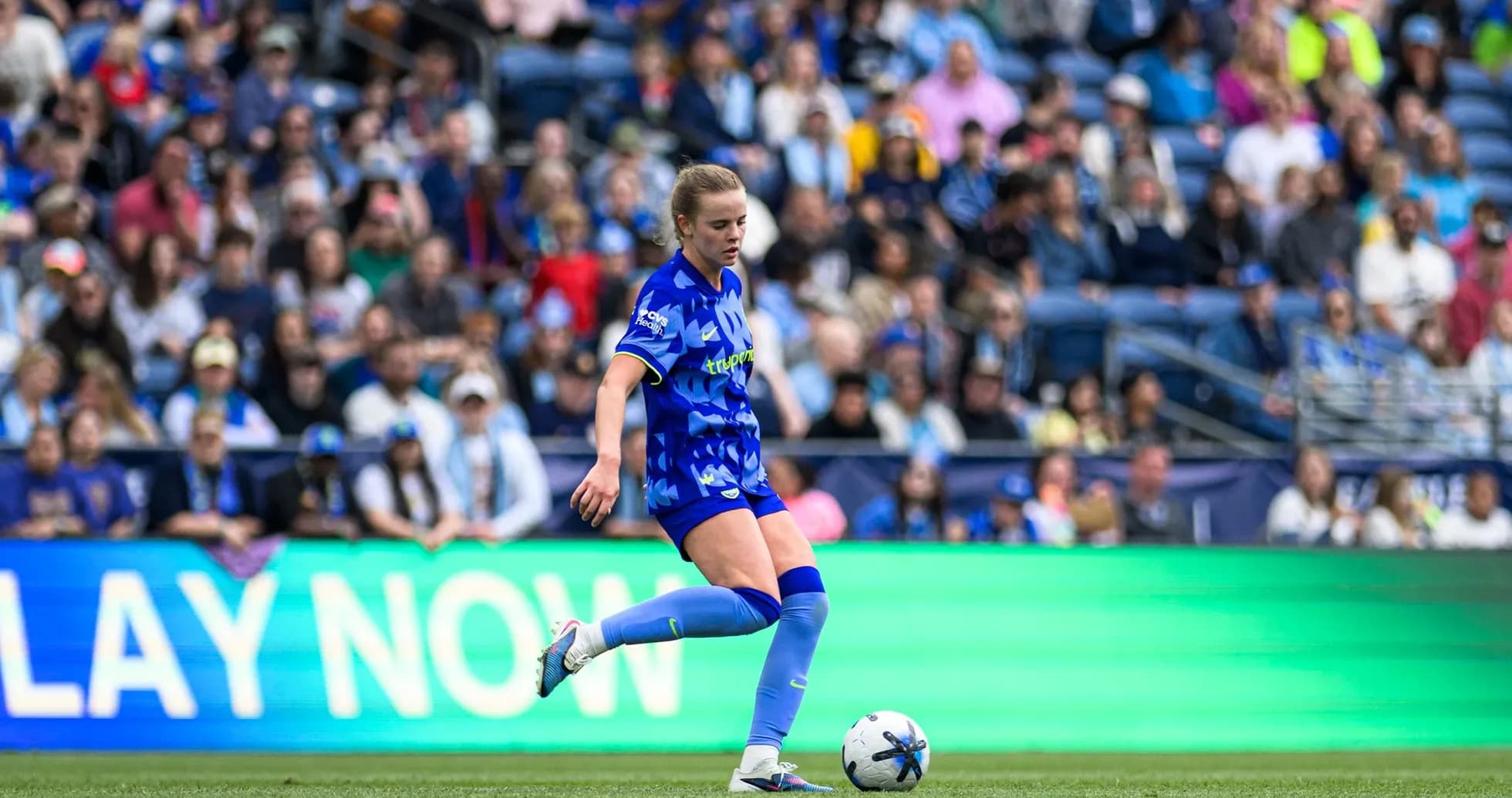
Seattle Reign FC vs Washington Spirit W: NWSL Group Stage Showdown
Under the cool lights of Lumen Field, this Group Stage meeting in the NWSL Women between Seattle Reign FC and Washington Spirit W finished 0–1, a narrow scoreline that felt like a verdict on two very different seasonal identities. Seattle, heading into this game sitting 8th with 11 points and a total goal difference of -1 (7 scored, 8 conceded), are a side still searching for an attacking rhythm. Washington arrived as a fully formed contender: 2nd in the table on 18 points, with a total goal difference of 9 (15 for, 6 against), and riding a “WWWWW” surge of form that framed this as a test of Reign resilience against one of the league’s most complete units.
Structurally, the game was a clash of systems as much as squads. Laura Harvey rolled out a 4-3-3 for Seattle, a shape she has used less often this season than the 4-2-3-1 but one that clearly aimed to stretch Washington’s back four and give her front line more direct channels to attack. Across from her, Adrian Gonzalez stayed loyal to Washington’s season-long blueprint: a 4-2-3-1 that has underpinned all 9 of their league fixtures so far. The contrast was stark—Seattle’s three in midfield tasked with covering width and shuttling, Washington’s double pivot and advanced trio designed to control zones and tempo.
For Seattle, the back line of C. Dickey behind S. Huerta, E. Mason, P. McClernon and M. Curry was built on familiarity and defensive stability. Heading into this game, Reign had conceded 5 goals at home and 3 on their travels, averaging 1.0 goals against both at home and away. That symmetry tells the story of a team that can defend competently in structure but rarely overpowers opponents. The midfield trio of A. McCammon, M. Mercado and S. Meza had the unenviable task of both screening and progressing against one of the league’s most intelligent attacking midfields.
Up front, N. Mondésir, M. Fishel and M. Dahlien formed a fluid front three. Mondésir has been one of Seattle’s few consistent creative sparks this season, with 1 goal and 2 assists in the league and 9 key passes from 147 total passes. Her 21 dribble attempts and willingness to drive at defenders were central to Harvey’s plan to unbalance Washington’s disciplined back line. Yet Seattle’s broader attacking profile heading into this game was stark: only 7 goals in total, with an average of 1.0 at home and 0.7 on their travels, and a worrying 5 fixtures in which they failed to score. This match ultimately fit that pattern.
Washington’s XI, by contrast, looked like a side at the peak of its powers. Sandy MacIver in goal anchored a back four of G. Carle, E. Morgan, T. Rudd and K. Wiesner—an intelligent, physically strong unit that has conceded only 6 goals in total, with a defensive average of 0.5 at home and 0.8 on their travels. E. Morgan, in particular, has been a defensive pillar: 15 tackles, 8 successful blocks and 11 interceptions, plus 557 passes at 90% accuracy. Her presence on the top yellow and red card lists underlines how aggressively she defends the space in front of MacIver, but also how fine the margins are in her role.
Ahead of them, the double pivot of H. Hershfelt and R. Bernal formed the base for a devastating attacking quartet: R. Kouassi, L. Santos, T. Rodman and S. Cantore. This is where Washington separate themselves from almost everyone in the league. Heading into this fixture they had scored 15 in total, with 6 at home and 9 on their travels, averaging 1.5 at home and 1.8 on their travels. That away figure is particularly important: Washington are not just comfortable on their travels; they are more prolific.
The “Hunter vs Shield” matchup was embodied by Washington’s attacking stars against a Seattle defence that, while organized, has rarely imposed itself. L. Santos, with 3 goals and 1 assist and a 7.13 rating, is a dual-threat midfielder who can both arrive in the box and dictate play. T. Rodman, also on 3 goals and 3 assists, has taken 23 shots with 12 on target and created 11 key passes. S. Cantore matched them with 3 goals and 1 assist of her own, a reminder that Washington’s threat is not concentrated in one channel but spread across multiple lines.
On the creative side, the “Engine Room” duel was particularly fascinating. For Seattle, Mondésir’s 2 assists and 9 key passes made her the natural conduit between midfield and attack. Opposite her, Kouassi has quietly become one of the league’s most complete midfielders: 3 assists, 20 key passes, 20 tackles and 5 interceptions, plus 112 duels contested and 57 won. Her ability to both win the ball and immediately turn it into forward progression is central to Washington’s identity. This match, decided by a single Washington goal, felt like a vindication of that profile: one more duel won, one more vertical pass threaded, one more decisive moment carved out of midfield control.
Disciplinary trends also shaped the tactical undercurrent. Seattle’s yellow card distribution heading into this game showed a late-game spike, with 18.18% of their yellows between 76–90 minutes and an even higher 27.27% from 91–105. Washington’s own profile featured a pronounced late surge as well, with 33.33% of their yellows coming between 76–90 minutes. In a tight 0–1, that shared tendency toward late fouls and physicality hinted at a closing phase where both sides were stretched, challenges grew riskier, and Washington’s superior game management on their travels again told.
From a macro perspective, the statistical prognosis before a ball was kicked always tilted toward Washington. They arrived with 5 clean sheets in total—2 at home and 3 on their travels—and had failed to score in only 2 matches. Seattle, by contrast, had 3 clean sheets (2 at home, 1 on their travels) but had failed to score in 5. With Washington averaging 1.8 goals on their travels and conceding only 0.8, the expectation on any xG model would lean toward a narrow away win, built on clinical finishing and structural solidity rather than chaos.
Following this result, the story of the night aligned almost perfectly with those probabilities. Seattle’s 4-3-3 gave them moments of width and promise, especially when Mondésir drifted inside to combine with Fishel, but the lack of a sustained cutting edge—so clearly signposted by their season-long averages—again proved decisive. Washington’s 4-2-3-1, anchored by Morgan’s back-line authority and powered by the creativity of Santos, Rodman and Kouassi, delivered exactly what their away record suggested: control, a single moment of quality, and the defensive discipline to protect it.
In narrative terms, this 0–1 at Lumen Field felt less like an upset and more like a confirmation. Seattle remain a side with pieces—Mondésir’s invention, Huerta’s experience, Dickey’s presence—but without a fully coherent attacking identity. Washington, by contrast, look every inch a contender: structurally consistent, statistically dominant on their travels, and stacked with match-winners across the attacking band. In a league defined by fine margins, this was a night where the numbers and the eye test finally shook hands.
Related News
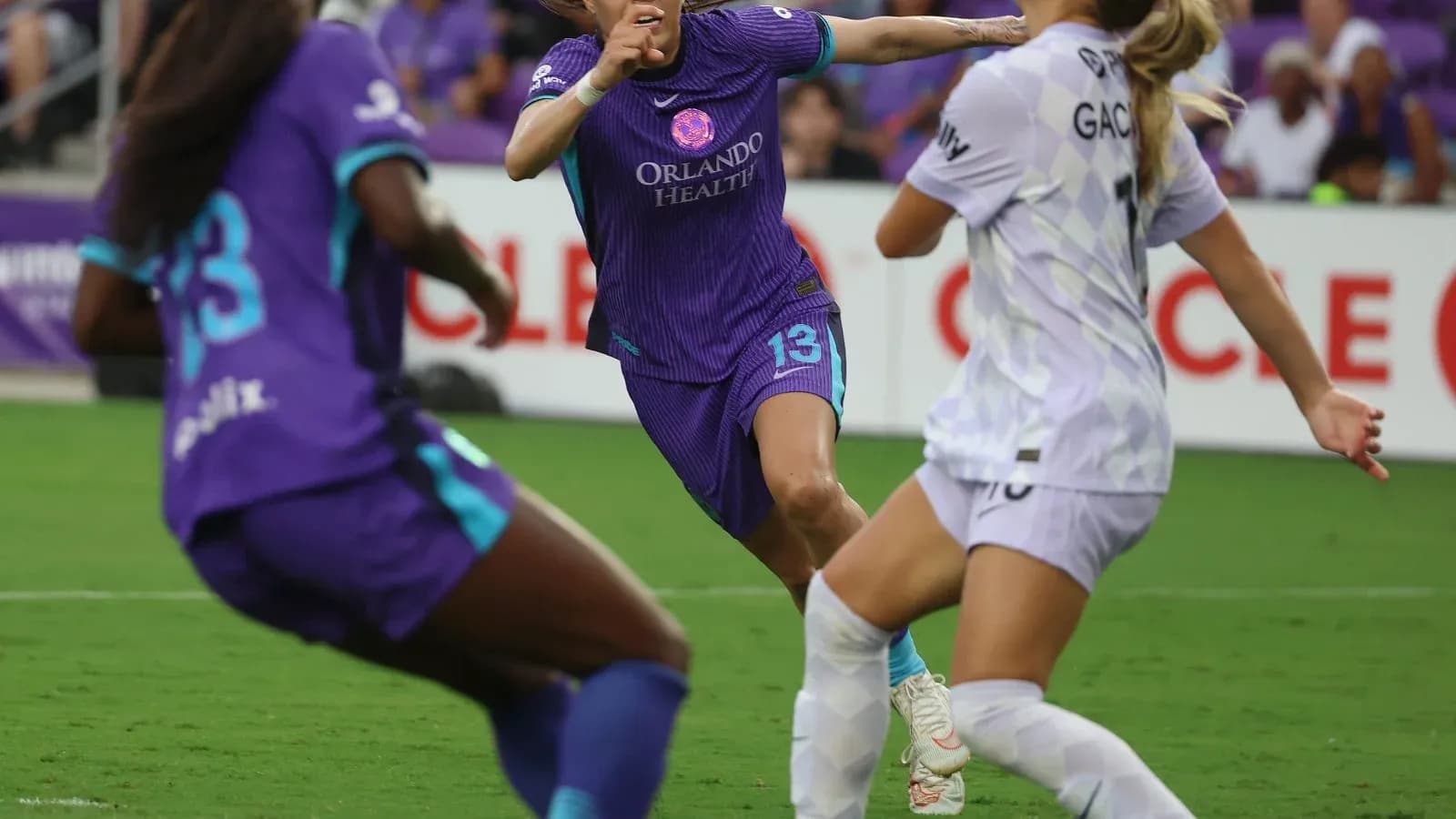
Orlando Pride W vs Portland Thorns W: Playoff Showdown
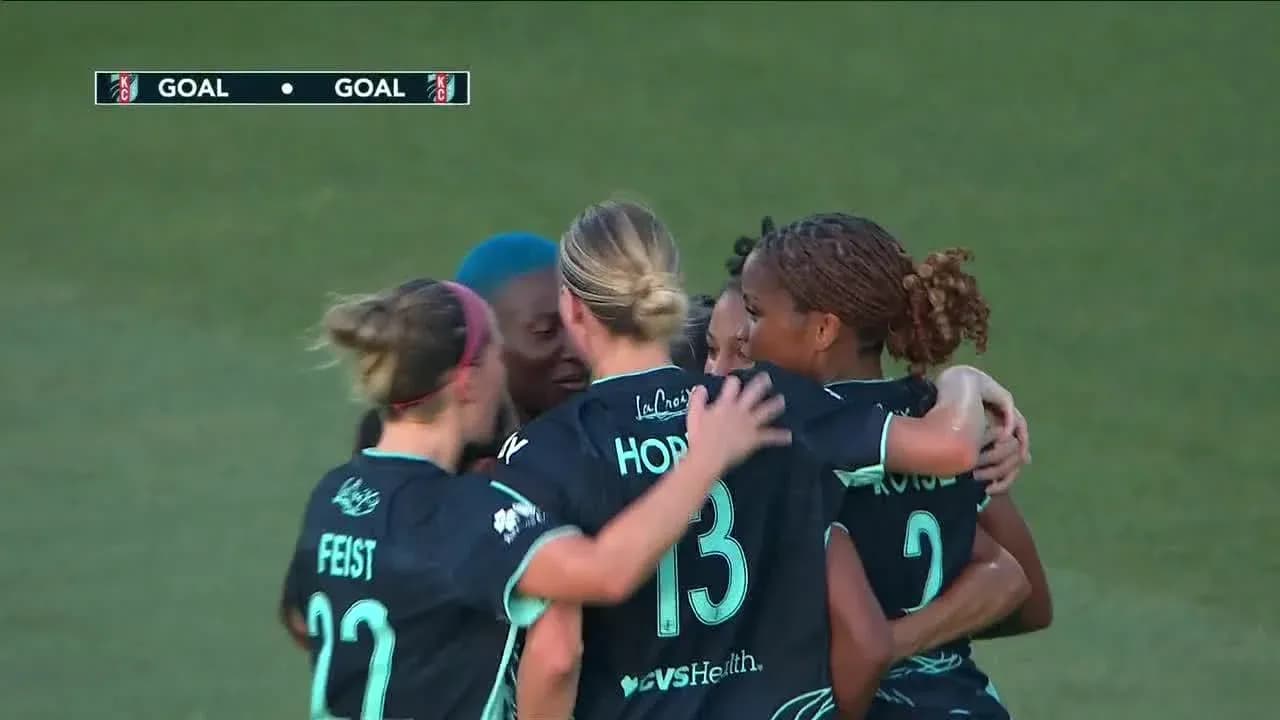
San Diego Wave W vs Kansas City W Predicted Lineups: Team News for NWSL Women
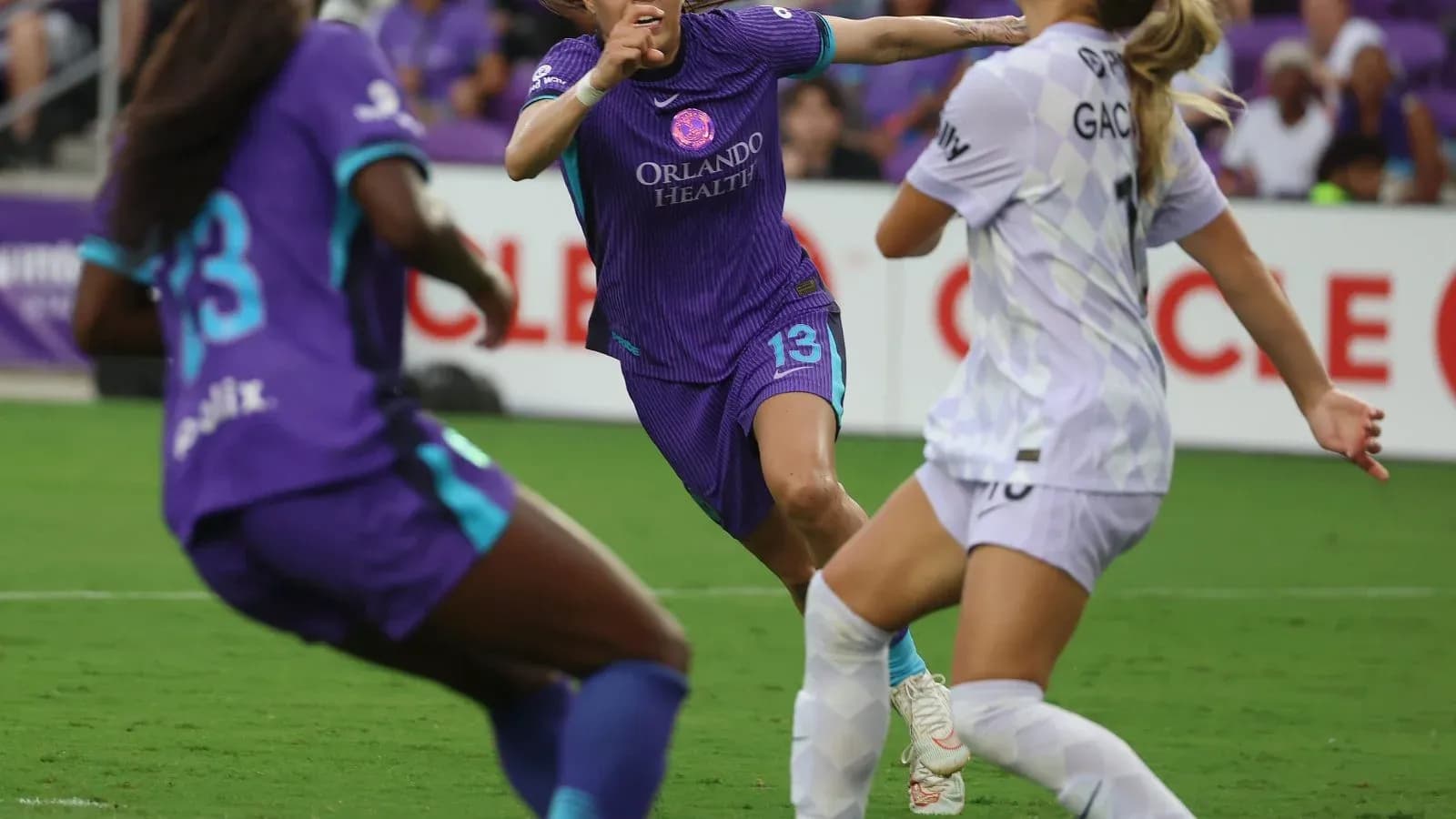
Orlando Pride W vs Portland Thorns W Prediction: Key Stats and Betting Tips
San Diego Wave W vs Kansas City W: Key NWSL Clash Preview
San Diego Wave W vs Kansas City W Prediction: Key Stats and Betting Tips
Portland Thorns and Chicago Red Stars Draw in NWSL Showdown