
San Diego Wave W vs Orlando Pride W: Tactical Clash Ends in 1-0 Defeat
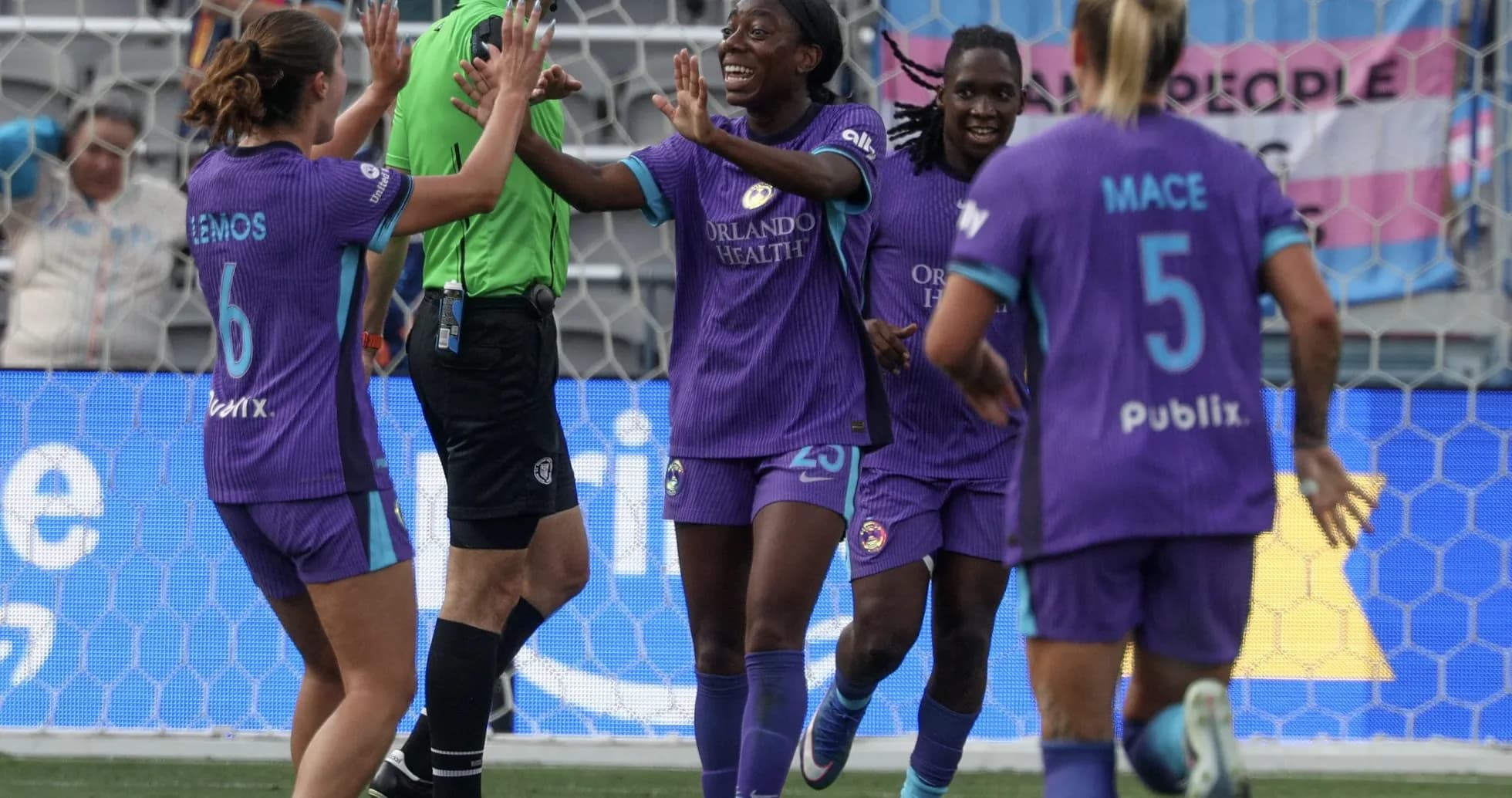
Snapdragon Stadium under the lights, a tight NWSL Women group-stage contest, and two sides whose seasons are being written in very different inks. Following this result, San Diego Wave W’s 1–0 home defeat to Orlando Pride W freezes them on 22 points from 12 matches, still 3rd with a goal difference of 4 (17 scored, 13 conceded). Orlando, meanwhile, climb from the congested mid-pack, now on 14 points from 11 games with a goal difference of -1 (15 for, 16 against) and the sense that their identity as spoilers and counter-punchers is hardening.
Both coaches trusted their preferred structure. Jonas Eidevall rolled out a 4-2-3-1 that has been his most-used shape this season (7 league lineups in this formation), mirroring Seb Hines’ Orlando, who have used 4-2-3-1 in all 11 of their league fixtures. The symmetry on paper belied a clear divergence in execution: San Diego’s version is built on possession, high full-backs, and a front four of technicians; Orlando’s is about verticality, defensive discipline, and a ruthless focal point in B. Banda.
San Diego’s seasonal DNA framed the night’s frustration. Heading into this game, they had been efficient but streaky: 7 wins, 1 draw, 4 losses overall, scoring 17 and conceding 13. On their travels they had been sharper (4 away wins, 10 away goals) than at home, where across 6 matches they had scored only 7 and conceded 5. The averages underline it: at home they managed 1.2 goals for and 0.8 against per game, a solid defensive base but an attack that can stall, especially given they had already failed to score in 3 home fixtures. This defeat felt like a continuation of that pattern rather than an anomaly.
Team Selection
Eidevall’s selection leaned heavily into his creative core. D. Haracic in goal sat behind a back four of A. D. Van Zanten, K. Wesley, K. McNabb, and K. Pickett. Ahead of them, the double pivot of K. Ascanio and the experienced K. Dali was tasked with both tempo control and counter-pressing. The line of three – G. Corley, L. E. Godfrey, and Dudinha – is the team’s artistic heart, with Ludmila as the lone forward.
The attacking burden on Dudinha and Godfrey was immense. Across the season, Dudinha has been one of the league’s standout attackers: 12 appearances, 12 starts, 856 minutes, 4 goals and 4 assists, with 17 shots (9 on target) and 42 dribbles attempted, 26 successful. She is not just a finisher but San Diego’s primary progressor between the lines, winning 54 of 104 duels and drawing 21 fouls. Godfrey, with 4 goals and 2 assists in 652 minutes and a pass accuracy of 80% from 216 passes, offers a more vertical, penalty-box-oriented threat, with 17 key passes and 9 shots on target from 10 attempts. Together they are supposed to turn San Diego’s territorial control into goals; on this night, Orlando’s structure smothered their best zones.
Orlando's Defensive Identity
Orlando arrived as a paradox: a side with a negative goal difference overall (-1) but with a clearer defensive identity than their numbers suggest. Heading into this game, they had conceded 16 goals in 11 matches, an average of 1.5 per game overall, but away from home that dropped to 1.3, with 8 conceded in 6 away fixtures. Crucially, they had kept 3 away clean sheets, a league-leading away resilience for a mid-table side, and had failed to score on their travels only once. This 1–0 win at Snapdragon fits neatly into that away-day persona: compact, opportunistic, and anchored by their star striker.
B. Banda is the “hunter” in this matchup, and San Diego’s defensive block was the “shield.” Banda’s league line to date is imposing: 8 goals in 11 appearances (10 starts), 801 minutes, from 41 shots with 23 on target. She leads the league’s scoring charts, averages heavy involvement in duels (102 contested, 44 won), and draws 25 fouls, constantly pinning back defensive lines. Her presence at the tip of Orlando’s 4-2-3-1 forced San Diego’s centre-backs, K. Wesley and K. McNabb, to defend deeper than Eidevall might have liked, blunting San Diego’s ability to squeeze the pitch.
Behind Banda, Hines built a protective shell. A back four of H. Mace, C. Dyke, Rafaelle Souza, and O. Hernandez, with H. McCutcheon and A. Lemos as the double pivot, gave Orlando both aerial security and bite in midfield. Lemos, one of the league’s top yellow-card collectors with 2 yellows and a missed penalty on her record, is an archetypal enforcer: 19 tackles, 2 blocks, 12 interceptions, and 59 duels contested, 33 won. Her job was to disrupt the passing lanes into Dudinha and Godfrey, and to foul intelligently without tipping into red-card territory – a delicate balance for a player who has already missed from the spot once this season.
Discipline and Game Flow
Discipline was always going to be a subtext. San Diego, across the season, have a relatively even yellow-card distribution, with a late-game surge: 18.18% of their yellows come in each of the 31–45, 46–60, 61–75, 76–90, and 91–105 minute ranges. That pattern hints at a team that grows more aggressive as matches stretch. Orlando’s yellow profile is more volatile: 28.57% of their yellows fall between 61–75 minutes, and 21.43% between 76–90, with a notable 14.29% in added time (91–105). They also carry a red-card flashpoint: 100.00% of their reds this season have arrived in the 61–75 window. Hines’ side walked that disciplinary tightrope again, but here they managed to stay on the right side of the line, preserving their structure to see out the win.
In the “engine room” duel, K. Dali and K. Ascanio faced Lemos and H. McCutcheon. Dali’s role as San Diego’s tempo-setter was evident: dropping between lines, trying to drag Lemos out of position and create half-spaces for Dudinha. But Orlando’s compact 4-2-3-1, with Luana Bertolucci and J. Doyle tucking in from the advanced midfield line, created a box around central zones, forcing San Diego wide. With no data on shot counts or xG from the match itself, the structural story suggests that San Diego’s expected goals would have skewed towards lower-quality wide efforts rather than central, high-value chances.
Final Thoughts
Defensively, San Diego’s season numbers painted them as a side usually hard to break down at home: 5 goals conceded in 6 home matches, an average of 0.8 per game. Orlando’s away attack, averaging 1.3 goals per game (8 in 6), posed exactly the kind of test that exposes small lapses. One clean, decisive moment – and the fact that Orlando have already produced a 0–3 away win in their “biggest away win” column – underscores their capacity to strike decisively on their travels.
From a statistical prognosis standpoint, Orlando’s away clean-sheet record (3 on their travels) and San Diego’s tendency to fail to score at home (3 times heading into this game) always made a low-scoring contest plausible. Orlando’s single successful penalty this season shows they can convert high-pressure moments, while Lemos’ earlier miss in the campaign is a reminder that not every big chance is taken. Here, they did not need the spot-kick safety net; their structure and Banda’s threat were enough.
Following this result, the narrative arcs diverge. For San Diego, this is another chapter in a home story defined by narrow margins and attacking inconsistency, despite the individual brilliance of Dudinha and Godfrey. For Orlando, it is confirmation that their 4-2-3-1, anchored by a ruthless Banda and an uncompromising midfield, travels well. In a group stage where every point bends the bracket for the play-offs, this 1–0 in San Diego feels less like an upset and more like the logical outcome of two clearly defined tactical identities colliding – and the away side executing theirs with greater clarity.
Related News
Orlando Pride W vs Portland Thorns W: Playoff Showdown
San Diego Wave W vs Kansas City W Predicted Lineups: Team News for NWSL Women
Orlando Pride W vs Portland Thorns W Prediction: Key Stats and Betting Tips
San Diego Wave W vs Kansas City W: Key NWSL Clash Preview
San Diego Wave W vs Kansas City W Prediction: Key Stats and Betting Tips
Portland Thorns and Chicago Red Stars Draw in NWSL Showdown