
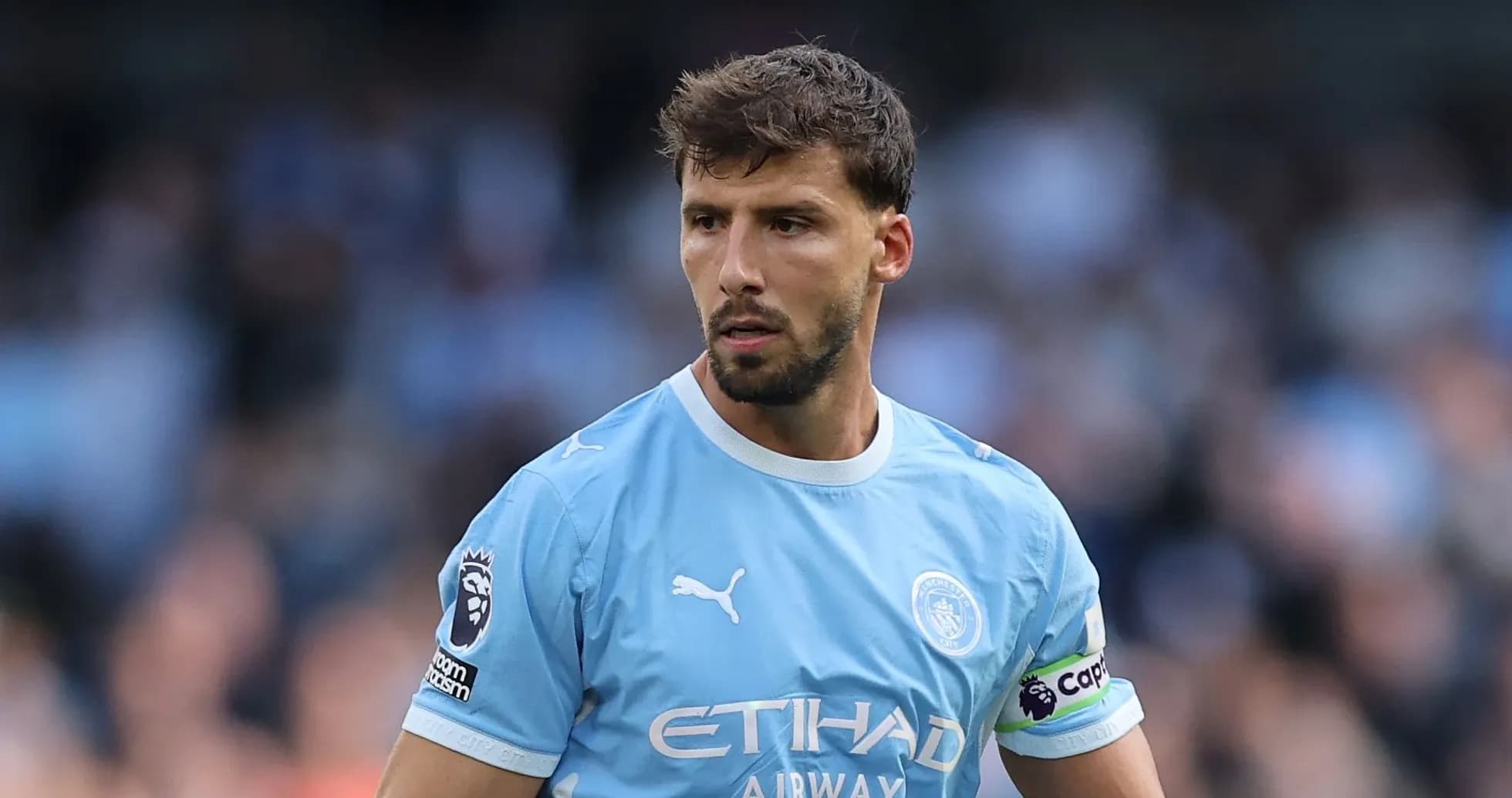
Ruben Dias: The Bridge Between Guardiola and Maresca at Manchester City
The Pep Guardiola era at Manchester City ended with a decade of control and a cabinet full of silver. The response from the club was ruthless and expensive: a Premier League record £458 million thrown at reshaping the squad for Enzo Maresca.
Rodri gone. Bernardo Silva gone. John Stones gone. Cornerstones of a dynasty, stripped out in one summer. In their place, Enzo Fernandez, Elliot Anderson, and Ayyoub Bouaddi – new faces, new energy, a new hierarchy inside the Etihad.
And right in the middle of that upheaval stands Ruben Dias.
From lieutenant to standard-bearer
At 29, Dias suddenly finds himself as one of the old guard. More than 250 games for City. Four Premier League titles. A Champions League. He has lived the Treble, felt the weight of those nights, and now carries the responsibility of making sure that history doesn’t turn into nostalgia.
His job, he insists, has not changed – even if almost everything around him has.
“In terms of the role I have, it goes down to trying to be the best version of yourself, and in terms of that, nothing has changed,” Dias told BBC Sport. The faces around him are different, the dressing room dynamic has shifted, but the standard he demands remains the same.
“So many people have left and so many winners have left, and now new people have joined with a lot of ambition and people that are desperate to win and that is also what makes the club keep on going.”
That’s the line that matters. City are betting that their culture, not just their players, wins trophies.
Maresca steps in, the machine keeps moving
A change of manager after Guardiola was always going to feel seismic. This could easily have been the moment the juggernaut stalled. Instead, Maresca has walked into a club he already knows from the inside and made the transition look almost unnervingly smooth.
Four games, four wins. Premier League and Champions League. No early wobble, no identity crisis.
Dias is clear about why.
“There's obviously many things from training session to some details about the way we press, details about the way we defend and that make all of these Enzo's idea. I feel like everything is making a lot of sense,” he said.
Everyone, he insists, is buying in. The players are excited. Training is joyful. That last word matters in a squad that has already climbed every mountain the club game can offer. Joy is what keeps serial winners from becoming tired winners.
The bridge between eras
The scale of the rebuild means Dias is now more than just a centre-back. He is the living link between Guardiola’s Treble winners and Maresca’s remodelled City.
He has just committed himself to that project until 2029. That is not the decision of a man easing towards the exit. It is the decision of someone who wants to prove that domination can be sustained, not just remembered.
“I am 29, I am going to be 30 next year but I am excited about all of this and all the things with the club, the new manager, new players, the new challenge, guys that I was so close with leaving,” he said.
There is no attempt to hide the emotional cost of that churn. Legends and close friends have gone. The dressing room he walked into years ago no longer exists.
“It's the circle of life, you can call it and it is just how things are,” Dias reflected. “I am appreciative of all of it – I'm appreciative of the memories I have with all the ones that left and I'm excited about the memories I'm going to make with the ones that have just arrived.”
That duality – mourning what’s gone, embracing what’s next – is exactly where City are as a club.
Ambition without a finish line
For all the medals and all the miles on the clock, Dias refuses to soften his edge.
“I am still very ambitious,” he said. “I took the decision of being at this level because I feel like I have won so much but maybe the thing that would be my biggest reward would be to be here so many years playing at this level and having the consistency of being ambitious for so long.”
That is the challenge now. Not just to win again, but to keep wanting to win in year 8, year 9, year 10 of a cycle that has already delivered almost everything.
City have changed manager. They have ripped up key parts of the core. They have spent heavily, trusted new blood, and handed the armband of responsibility to players like Dias.
The question is no longer whether they can build a great team. They’ve already done that. The question, with Maresca on the touchline and Dias anchoring the dressing room, is whether they can build a second great team before the echoes of the first one fade.
Related News
James Rodríguez Retires from Colombia National Team: A Golden Era Ends
Liverpool Target Lamine Camara: A Rising Force in Ligue 1
Al-Taawoun Fined and Punished for Fan Chants Against Neves
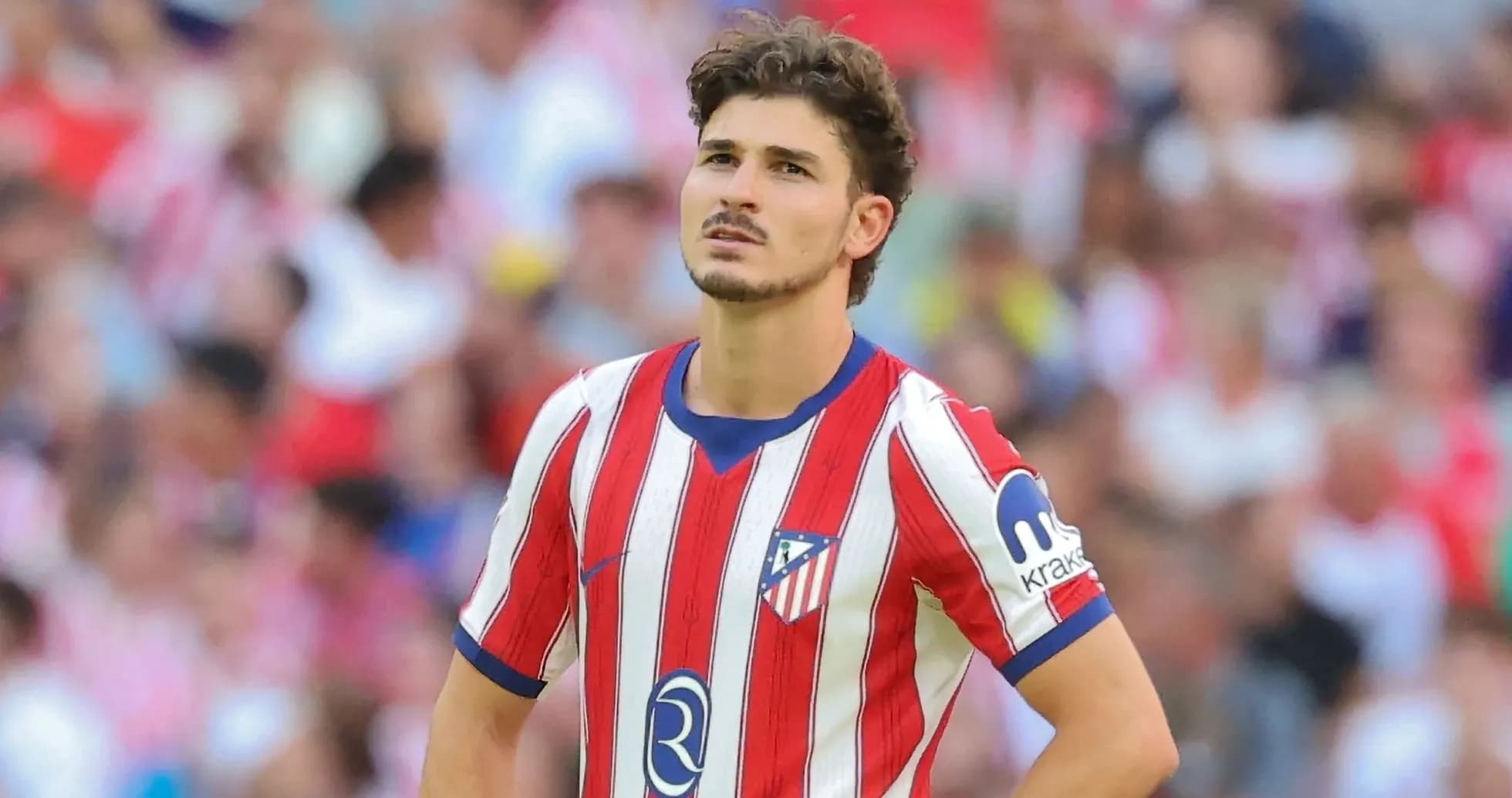
Atlético Madrid's Bold Promise to Julián Álvarez
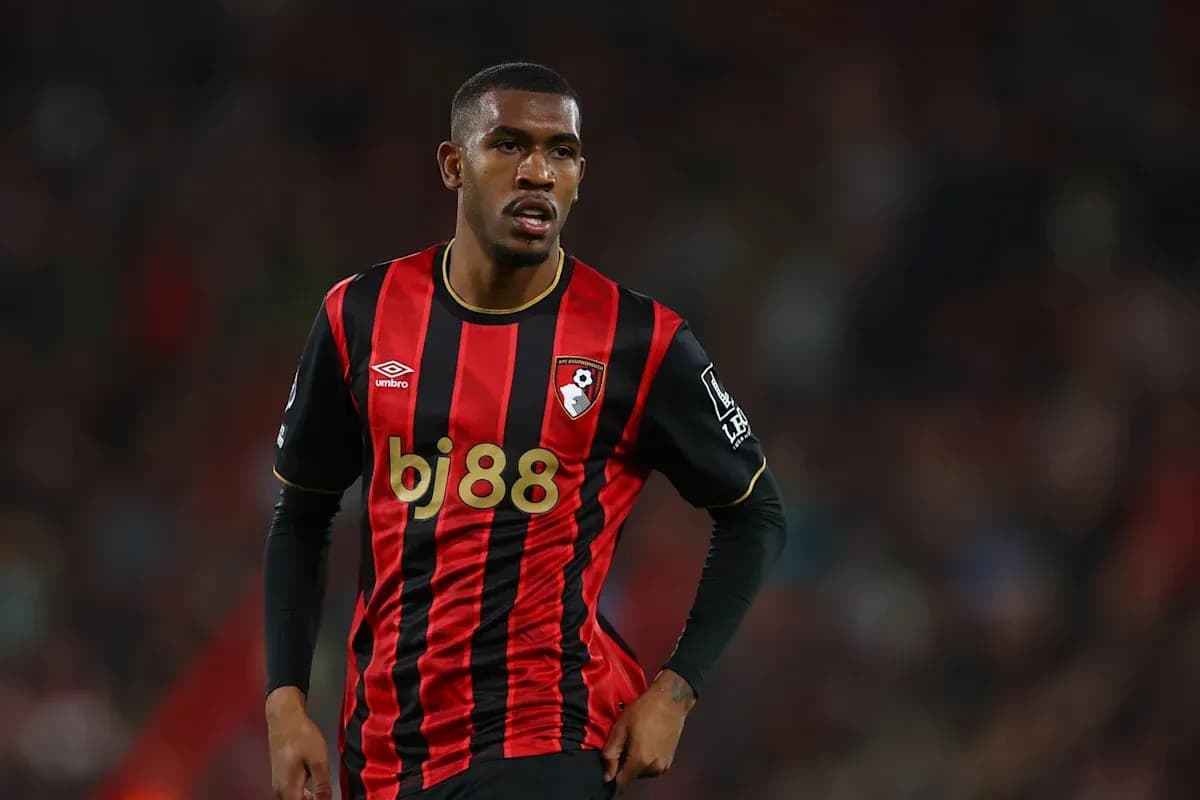
Liverpool Eyes Rayan as £130m Release Clause Approaches
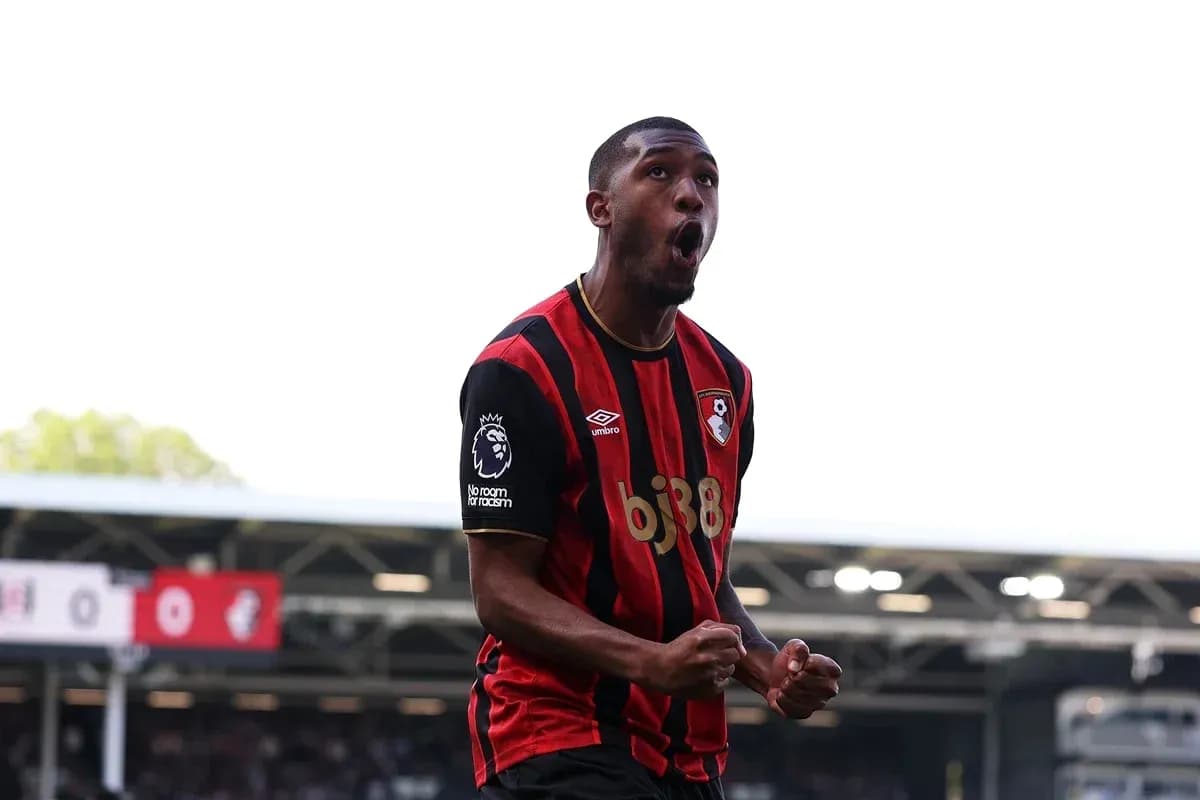
Arsenal and Liverpool Battle for Bournemouth Starlet Rayan