
Real Madrid's Late Win Masks Familiar Flaws Under Mourinho
Real Madrid walked out of Catalonia with three points and a knot in the stomach.
A 90th‑minute strike from debutant Carlos Espí snatched a 2–1 win over Espanyol on Saturday night, giving José Mourinho a victorious start to his second spell in charge and masking, just barely, a performance riddled with familiar flaws.
Dream Start, Sudden Drift
For a few minutes, it looked like the perfect opening night.
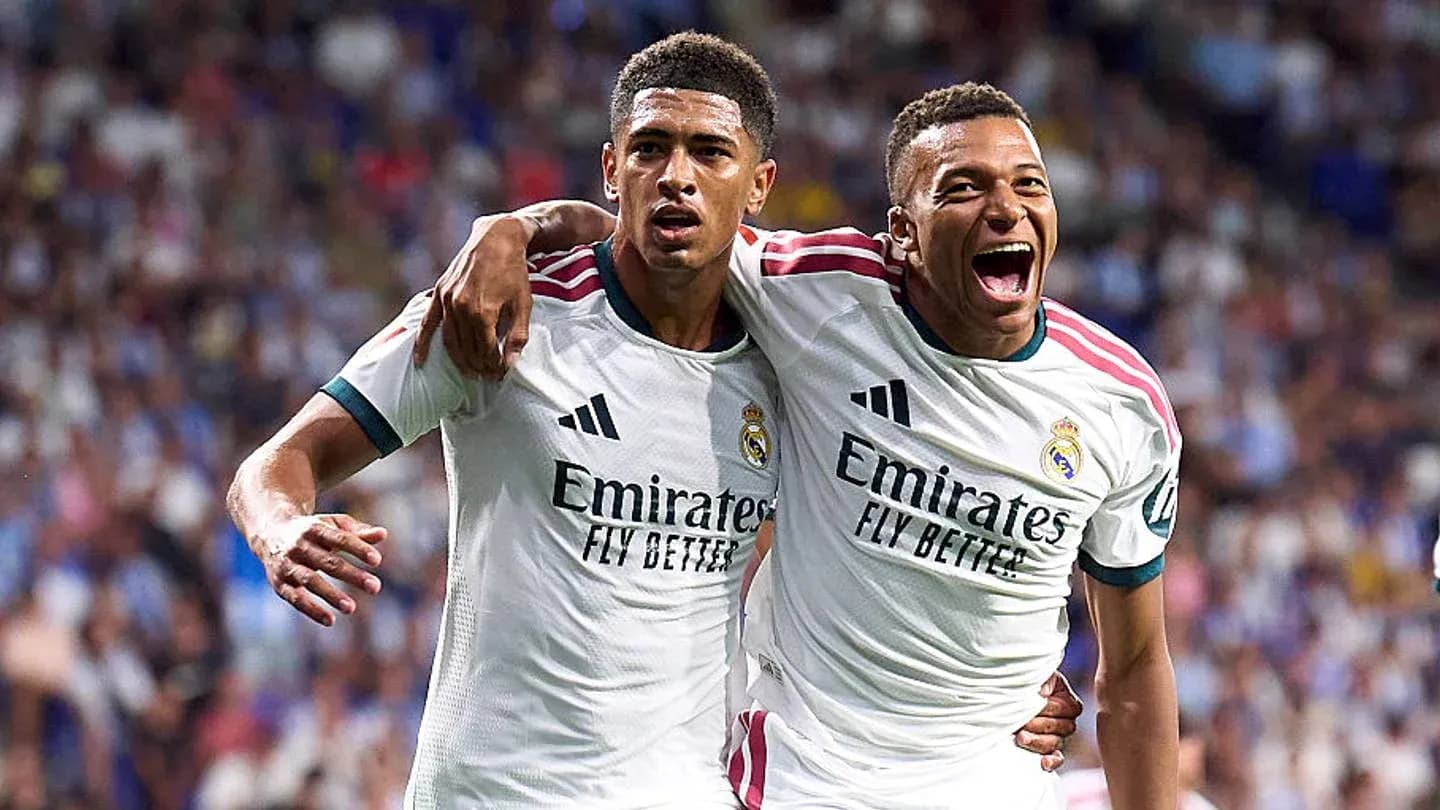
On nine minutes, Arda Güler stood over a set piece and bent in the kind of delivery that turns defenders to stone. Jude Bellingham attacked it with conviction, thundering his header past the goalkeeper to give the 15-time European champions an early 1–0 lead. Mourinho’s new era had its first goal, and it was vintage Real Madrid: quality, timing, ruthlessness.
Then the control slipped.
Espanyol settled, dropped into a compact shape and watched Madrid’s rhythm slowly evaporate. Passes became predictable, the tempo dropped, and the visitors’ grip on the match loosened with every hesitant touch.
The punishment arrived on the half-hour. Álex Calatrava ghosted into the box, completely untracked, and beat Thibaut Courtois with the equalizer. Federico Valverde was caught ball-watching, shouting instructions rather than tracking the runner. One simple move, one static midfield, and the game was level.
Instead of waking Madrid up, the goal seemed to drain them. Whatever Mourinho said in the dressing room at half-time, it didn’t show. The second half opened with the same stale pattern: sterile possession, hopeful crosses, and little incision.
Mbappé Misfires, Espí Delivers
Kylian Mbappé tried to rip the game open on his own. Frustrated, he drifted out to the right wing, took on defenders, and carved out half-chances. His biggest opportunity came after the restart, when he rose to meet a cross and somehow headed wide with the goal gaping.
It summed up his night. Dangerous in flashes, decisive only when it truly mattered.
As the minutes bled away, Real Madrid looked resigned to a draw. Vinícius Júnior, kicked and crowded down the left, ran into the same cul-de-sacs he has seen so many times in La Liga against a deep block. He ended the match with no chances created and no shots on target, his tricks easily read by Espanyol’s back line.
Desperation grew. Cross after cross rained in, many of them aimless. The midfield offered almost no line-breaking passes. The plan, such as it was, boiled down to Mbappé or Vinícius Jr conjuring something out of nothing.
They didn’t. Carlos Espí did.
Brought on in the 80th minute, the new signing seized his moment at the death. Mbappé finally found space to work, engineered a clean look, and Espí arrived to finish the move with composure in the 90th minute. One chance, one strike, three points. A debut, a winner, and a lifeline for a performance that didn’t deserve such a dramatic ending.
A Win Wrapped in Warning Signs
The scoreboard flatters Madrid. The problems do not.
Once again, a disciplined, supposedly inferior Spanish side sat deep, closed the gaps, and watched Real Madrid run out of ideas. It’s a pattern that has dogged them over the last two seasons, and nothing in Barcelona suggested it has been solved.
The full-back debate captured the contradiction of Mourinho’s approach. He opted for Denzel Dumfries over Trent Alexander-Arnold, clearly prioritizing defensive solidity. Yet Dumfries was beaten in the build-up to Espanyol’s goal and offered limited threat going forward, to the point where Mbappé effectively took over the right flank in the first half. Mourinho traded attacking quality for security and ended up with neither.
In midfield, the issues were even more stark. Valverde, rated 8.1 but culpable on the equalizer, again struggled to impose himself in his favored role. He watched Calatrava run past him for the goal and never truly dictated the tempo. Alongside him, Bernardo Silva kept the ball neatly and had short spells of control, but he won just two of his nine duels and drifted in and out of the contest. The engine room that should dominate these matches instead looked hesitant and reactive.
At the back, there were positives. Ibrahima Konaté’s debut was imposing: strong in the challenge, dominant in the air, though occasionally unsure with his positioning in the box. Dean Huijsen showed off his range of passing, including five balls into the final third, and threw himself into the fight, literally shedding blood for the cause. Álvaro Carreras kept things simple and avoided the costly errors that marred his previous campaign.
Courtois, rated 6.7, had little to do and was again let down by the lack of protection in front of him on Espanyol’s goal.
Güler and Bellingham Shine Amid the Noise
Not everyone was dragged down by Madrid’s structural problems.
Arda Güler was the most inventive player on the pitch. His set-piece delivery for Bellingham’s opener was exquisite, and almost every time he found space, he lifted his head and picked out a progressive option. His 8.5 rating reflected a performance brimming with creativity, and his withdrawal just after the hour mark felt harsh given how lifeless Madrid looked without him.
Bellingham, rated 8.3, carried his summer form with England straight into La Liga. He didn’t just score; he surged forward again and again, making dangerous runs and treating tight spaces as an invitation to showcase his skill. His energy without the ball, combined with Güler’s vision on it, offered Mourinho a glimpse of a partnership that can define this Madrid side.
Off the bench, Yan Diomande added some thrust and played a key role in the move that led to Espí’s winner, even if he occasionally took too many touches in crowded areas. Marc Cucurella, still shaking off World Cup rust, linked reasonably well and now needs time to develop an understanding with Vinícius Jr. Eduardo Camavinga came on and completed every pass he attempted, a quiet but clean cameo. Trent Alexander-Arnold’s brief appearance offered little evidence either way, limited by time and context.
And then there was Espí. On for just 10 minutes, he walked away with a 7.5 rating and the night’s defining moment.
Mourinho’s Work Starts Now
Strip away the late drama and the story looks very different. Madrid labored against a low block, relied on individual talent rather than coherent patterns, and switched off at a key defensive moment. The same themes that have undermined them in recent seasons resurfaced on opening night.
Real Madrid fans will cling to the positives: three points, a winning start for Mourinho, Güler and Bellingham already in sync, Konaté looking the part, Espí announcing himself in style. But the noise around those positives is impossible to ignore.
The alarm bells in Catalonia were loud. If this team truly intends to rip the title away from Barcelona, how long can it keep living off late winners and isolated flashes of brilliance?
Related News
Transfer Rumors: Haaland’s Two Options; Real Madrid Targets $100 Million Premier League Star
Manchester United Targets Premier League Forward to Strengthen Attack

Liverpool Eyes 17-Year-Old Mexican Midfielder Gilberto Mora for Summer Transfer
Summer 2026 Transfer Window: Manchester United and Tottenham Struggle with New Signings
Liverpool Maintain Interest in Real Madrid Midfielder Amid Transfer Challenges
Transfer Insider Warns Tottenham About Costly Sale of Will Lankshear