
Reading's VAR Controversy: Disallowed Goal Sparks Outrage
It has not been a kind few days for referees. Barely had the outrage cooled from the VAR chaos in the Manchester derby when another decision, this time in the Carabao Cup, lit the fuse again.
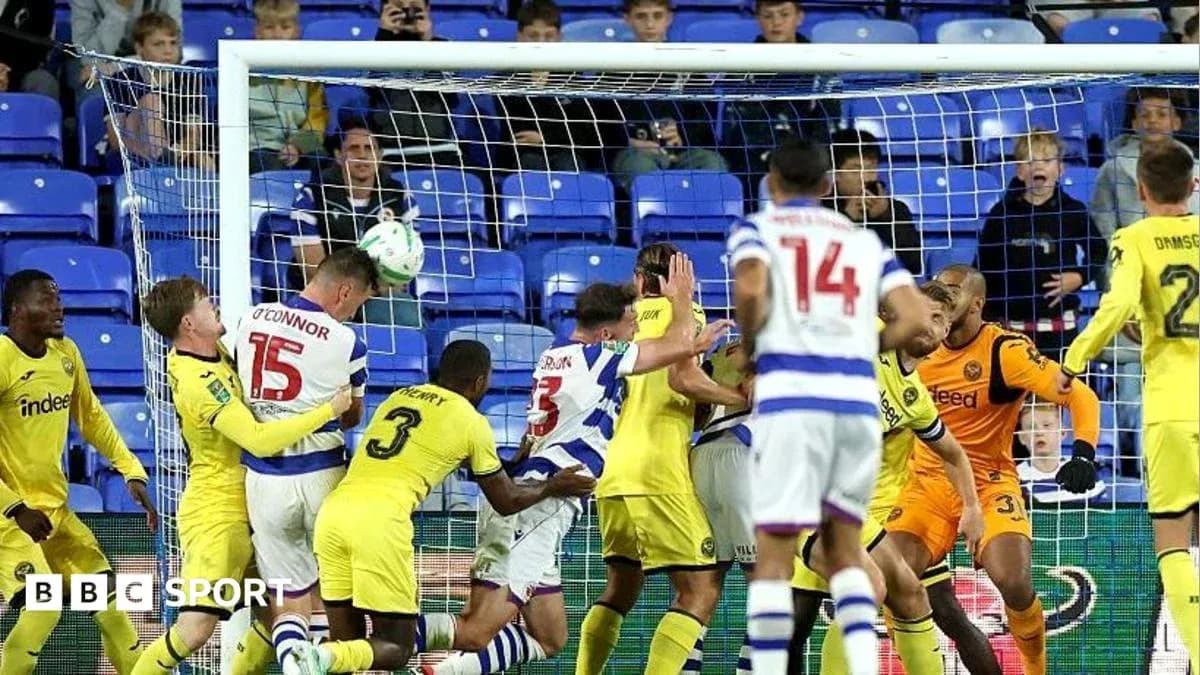
At the SCL Stadium, Reading thought they had levelled against Brentford in the third round. Paudie O'Connor flung himself into an acrobatic finish, the ball flying in, the home crowd exploding. It looked a superb equaliser. It looked clean. It looked exactly what the game needed.
Then came the whistle.
Referee Tom Nield, after consulting his assistant, ruled the goal out for dangerous play, judging O'Connor’s boot to have been too high. No collision, no obvious complaint from an opponent, just a centre-half daring to try something usually reserved for highlight reels and Zlatan Ibrahimovic compilations.
The decision stunned the stadium. The only explanation anyone could muster was that the officials were as shocked as everyone else to see a big defender contort like a world-class striker.
"It was in the top three worst decisions I've seen," the Reading manager said, still bristling after the 2-1 defeat on Tuesday night.
"It was one of the worst decisions I've seen in my whole life," he said, echoing the disbelief in the stands.
There was more. A clear handball shout for a Reading penalty later in the match went unanswered, but the anger barely reached the surface. The disallowed goal had already swallowed the narrative whole. Fans streamed out of the ground furious with the officials, feeling a Premier League scalp had been snatched away.
And yet, by the time Reading supporters head back to the SCL on Saturday for the visit of Notts County, they may be seething long before kick-off – and this time, the blame will not lie with the referee.
Off the pitch, a different set of officials have picked a spectacularly awkward moment to get to work. Scottish and Southern Electricity Networks (SSEN) are replacing a pylon and have chosen this weekend to close junction 11 of the M4, the crucial turn-off that sits right next to the stadium.
The impact is obvious. Thousands of Reading and Notts County fans will be trying to funnel into the area, while racegoers head to Newbury and visitors aim for the Newbury Show just a couple of junctions further west. The roads are likely to choke. Delays feel inevitable.
On the grass, though, the mood inside the Reading camp should be very different.
They lost at Cambridge in the league last Saturday. They then went out of the cup to Brentford. On paper, that is a rough week. On the pitch, it told a more encouraging story.
Reading rattled a Premier League side. Brentford were uncomfortable enough to turn to Igor Thiago, the Brazilian forward, to try to lock the tie down. That in itself said plenty about the level of threat Richardson’s team carried.
For the first time in a while, there is a sense of genuine competition for places across the squad. That has not been the case in recent seasons, when injuries, thin depth and off-field turbulence often picked the team for the manager.
Now, players are looking over their shoulders. Performances matter. Training sessions count. The anger from Tuesday may linger, but it also sharpens edges.
Officials may have dominated the headlines this week, from Manchester to Reading. The question now is whether this sense of injustice fuels the Royals into something more dangerous: a side that stops talking about bad decisions and starts forcing results that no referee can take away.
Related News
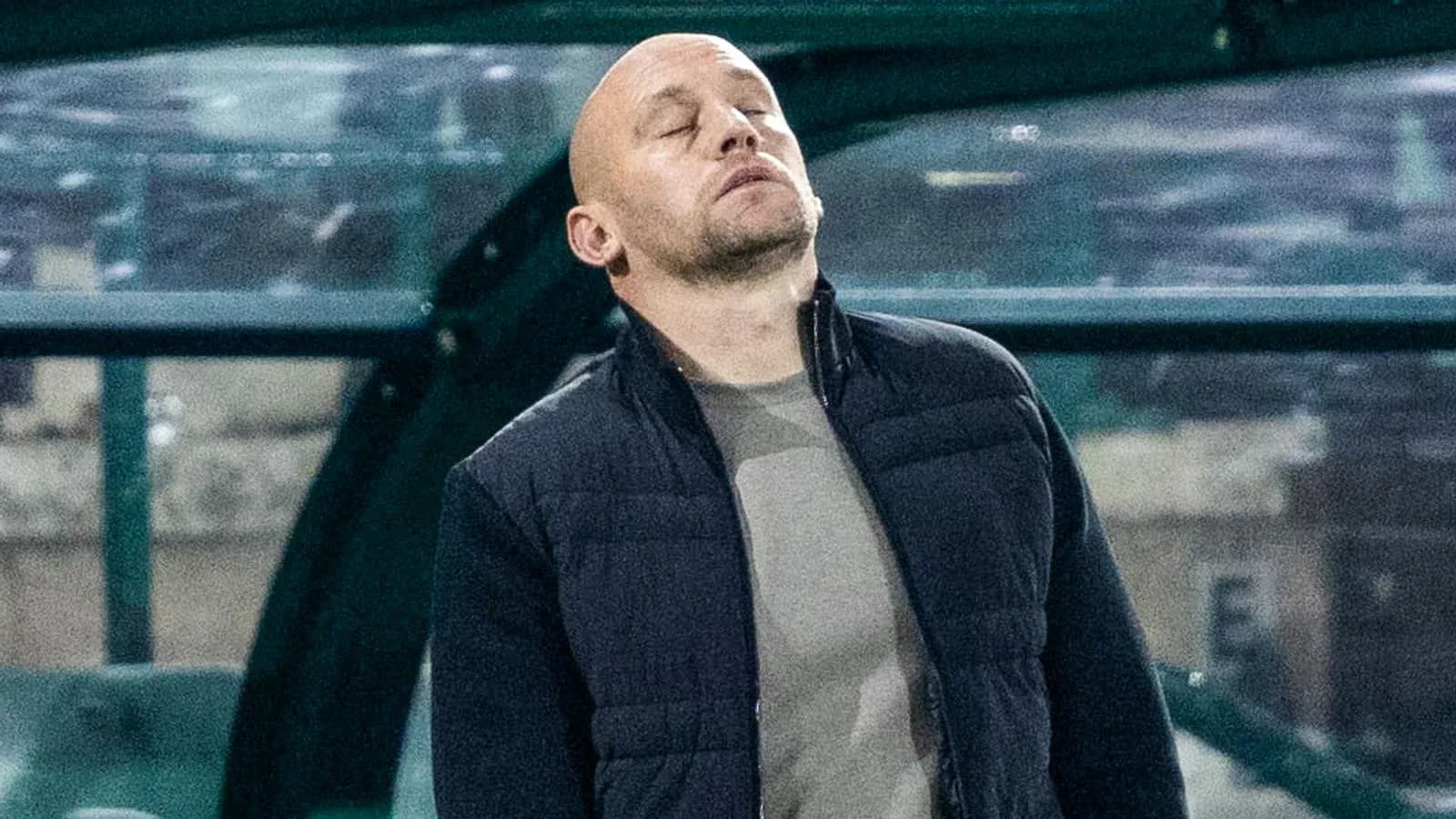
Hibernian Sack Coach David Gray Amidst Poor Performance
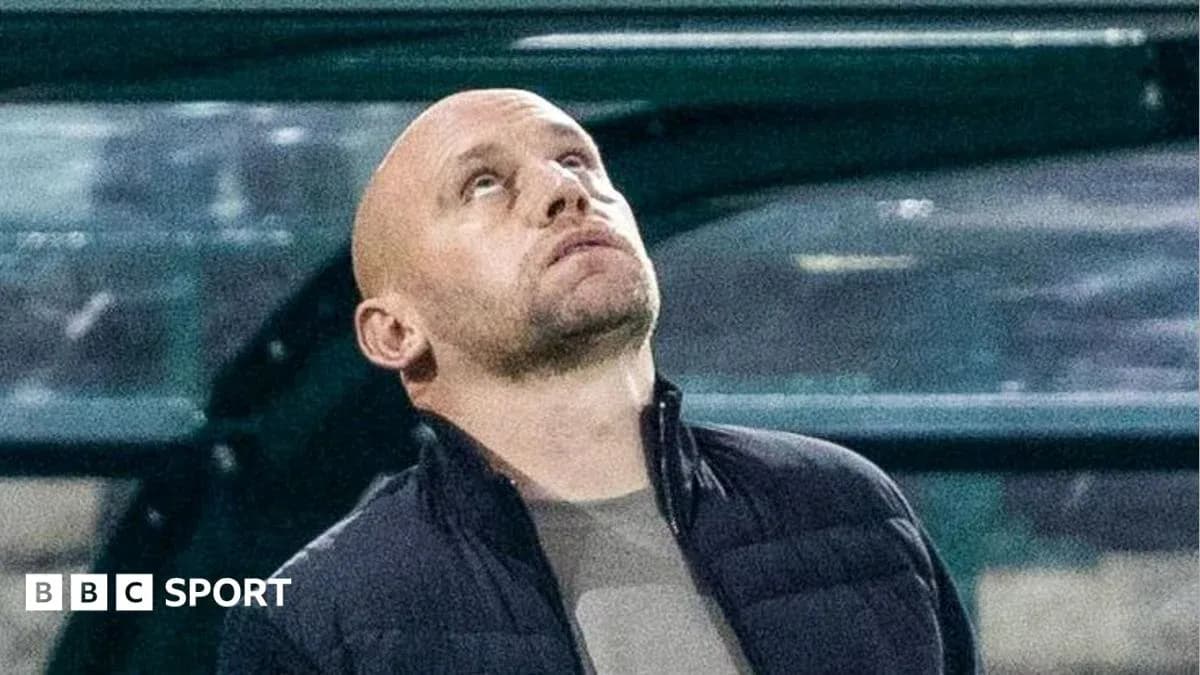
David Gray's Hibernian Tenure Ends After Six Games
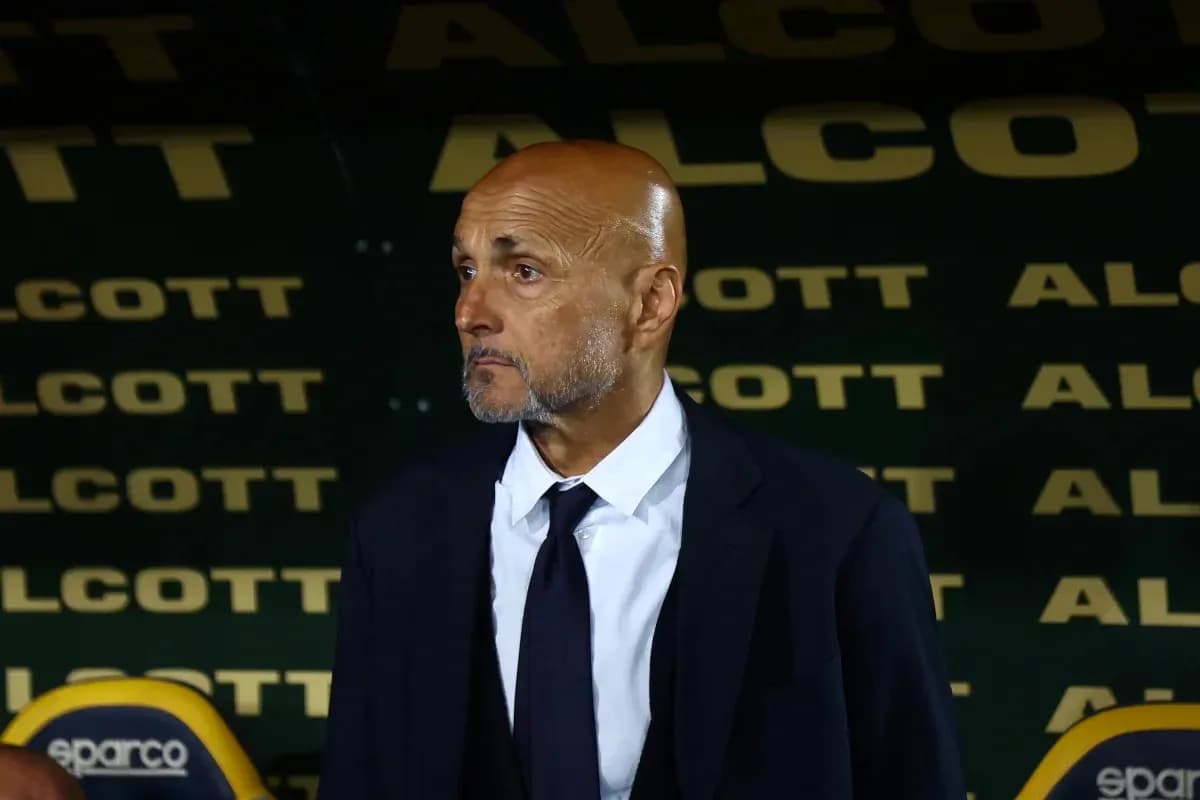
Juventus vs NEC Nijmegen: Spalletti's Focus on Mentality

Cristiano Ronaldo's Future at Al-Nassr in Question After AFC Champions League Defeat
Mikel Merino's Leadership Shines in Carabao Cup Match
Celtic Supporter Arrested for Alleged Assault on Frankie Kent