
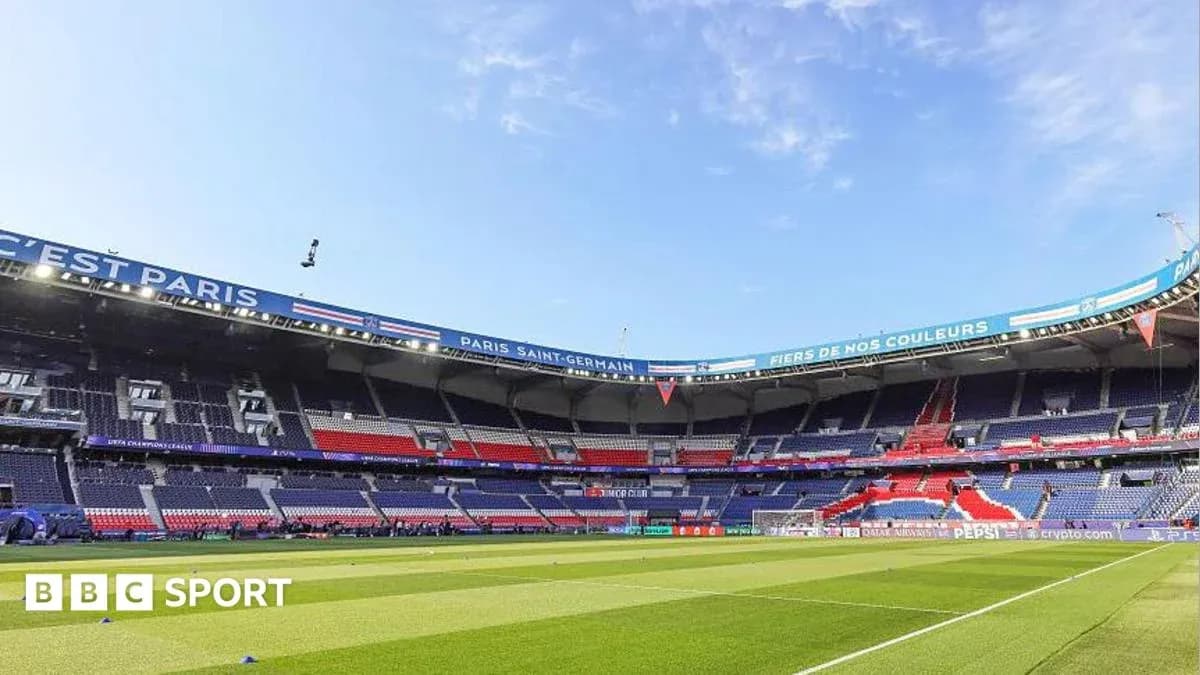
PSG Moves Ligue 1 Opener Due to Damaged Pitch
Paris St‑Germain will not begin their Ligue 1 title defence in Paris after “exceptional heatwaves” left the Parc des Princes pitch badly scarred and unsafe.
The champions were scheduled to host Rennes in the capital on Sunday. Instead, the fixture has been flipped: the game will now be played in Brittany, on Rennes’ turf, after league officials ruled the surface in Paris unfit.
An inspection by Ligue de Football Professionnel (LFP) experts delivered the decisive verdict. Their assessment found the pitch “did not allow the match to be played under satisfactory conditions, particularly with regard to the safety and physical integrity of the players”. In other words, the grass simply could not be trusted.
PSG have accepted the ruling and the disruption that comes with it. The club confirmed the Parc des Princes surface will be completely relaid before their next scheduled home match, against Monaco on 4 September.
They acknowledged the frustration for supporters, stressing they “fully understand the inconvenience caused by this change” but underlined that this was an “exceptional situation”, driven not by poor planning but by extreme weather.
That weather has been brutal. France recorded its hottest day ever on average across the country on 24 June, with temperatures in Paris climbing to almost 41C and half the nation placed under a red heat alert. The human cost was stark: between 22 and 28 June, deaths in France rose by 2,025 – nearly a 30% increase – with fatalities in the Paris region alone up by 62% over the same period.
The consequences have stretched well beyond football. Temperatures across western Europe have soared all summer, fuelling wildfires in parts of France and pushing stadium infrastructures to their limits.
PSG are not alone in battling their playing surface. In Spain, Celta Vigo were forced to postpone their La Liga opener against Osasuna earlier this month after a fungal “disease” ravaged the pitch at the Estadio de Balaidos. A prolonged spell in which temperatures failed to drop below 25C for more than three weeks created perfect conditions for fungus to spread and the turf to deteriorate.
Conclusion
For Europe’s elite clubs, the warning is clear: the climate is changing faster than the grounds can cope. How many more fixtures will the heat move before football catches up?
Related News
Transfer Rumors: Haaland’s Two Options; Real Madrid Targets $100 Million Premier League Star

Manchester United Targets Premier League Forward to Strengthen Attack

Liverpool Eyes 17-Year-Old Mexican Midfielder Gilberto Mora for Summer Transfer
Summer 2026 Transfer Window: Manchester United and Tottenham Struggle with New Signings
Liverpool Maintain Interest in Real Madrid Midfielder Amid Transfer Challenges

Transfer Insider Warns Tottenham About Costly Sale of Will Lankshear