
Premier League New Arrivals: Who Will Survive?
The Premier League’s new arrivals rarely stroll through the door quietly. This year is no different. Coventry City, Ipswich Town and Hull City have fought their way out of a brutal Championship season and into the glare of the top flight. Now comes the hard part: staying there.
Three very different stories. One shared question: who survives?
Coventry City – Data, drive and a 25-year wait
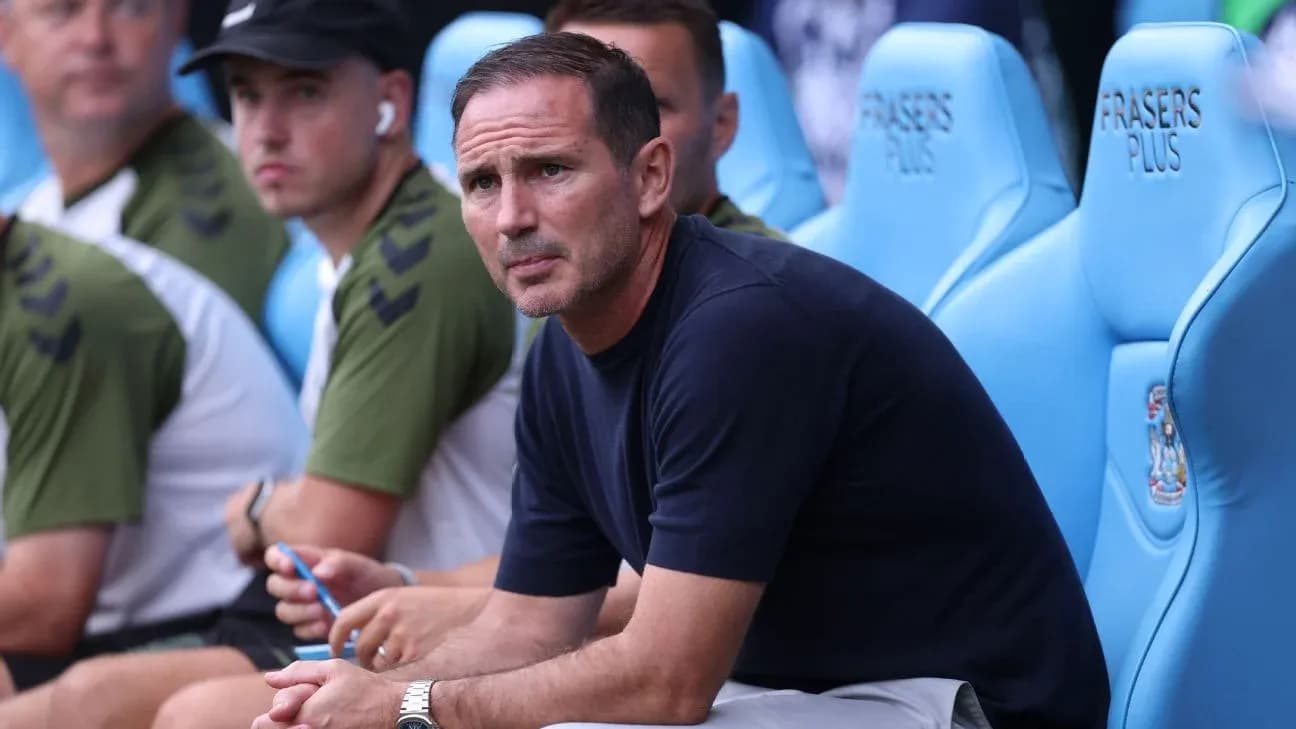
A quarter of a century away, and Coventry are back. Not via a smash-and-grab playoff run, but as emphatic champions, the product of years of sharp recruitment finally matched with the right man in the dugout: Frank Lampard.
His side did not just win promotion; they tore through the division. Ninety-seven league goals – the fourth-highest tally ever in a 46-game Championship season – and the meanest defence in the league with only 45 conceded. The title was wrapped up with four games to spare and an 11-point cushion. This was dominance, not a hot streak.
Lampard’s Coventry play on the front foot. They spread the goals around rather than leaning on a single talisman: seven different players hit seven or more league goals. They peppered goalkeepers, finishing with the most shots on target in the division and ranking second for big chances created. The shape is usually a 4-2-3-1, occasionally morphing into a 4-3-3, but the theme remains the same: aggression, movement, and numbers in the final third.
At the heart of that lies Jack Rudoni. Once a promising technician, he has grown into a roaming, box-crashing midfielder with a real punch in the final third. Seven goals, seven assists last season tell part of the story; his timing, energy and ability to arrive late into dangerous areas tell the rest. Championship watchers have long argued he has Premier League quality. Now he has the stage to prove it.
Coventry have backed that belief in their project with serious money. They have broken their transfer record three times this summer, the biggest outlay going on Caleb Yirenkyi from Nordsjaelland for £23.1 million. Fresh from featuring in all four of Ghana’s World Cup games and scoring against Panama, he comes in as a modern No. 6: a destroyer who can also drive forward and launch attacks. His job is clear – protect the back line, win duels, and make sure Coventry aren’t simply overrun by slicker, faster midfields.
The momentum is real. The unity under Lampard is obvious. Out of the three promoted sides, Coventry look the most equipped to handle the step up. Survival will still be a scrap, but if anyone of this trio edges over the line, it’s likely to be them – even if it’s by the skin of their teeth.
Ipswich Town – Back again, but without their architect
Ipswich are back already. One year out, one year back. The problem? Their last Premier League campaign was a car crash.
After back-to-back promotions into the top flight, Kieran McKenna’s side were simply not ready. Four wins all season, 22 points, 19th place. Relegation felt inevitable long before it was confirmed. The club stuck with him for the Championship reset, and he delivered again – promotion at the first attempt. Then, just as the mood brightened, he walked away this summer.
Gary O’Neill now inherits a club transformed by McKenna’s work, but stripped of the man who built the structure.
Ipswich’s route back up was grounded in solidity. They owned the second-best defensive record in the Championship, with 17 clean sheets and only 47 goals conceded. They were still a step below Coventry’s relentlessness, but they became a side that was awkward, stubborn and hard to break down.
McKenna had already moved away from the chaos that defined their previous Premier League stay. O’Neill is unlikely to rip that up. His track record suggests he will lean into it: compact lines, disciplined shape, often a 4-4-2, and a team that stays in games for as long as possible. Ipswich will not try to outgun many opponents; they will try to suffocate them.
For that approach to work, Azor Matusiwa becomes crucial. He has missed pre-season, but once fit, he is exactly the kind of midfielder this version of Ipswich needs: relentless, combative, and willing to do the ugly work when the team is penned in. They will spend long spells without the ball. Matusiwa’s ability to plug gaps and break up attacks could be the difference between narrow defeats and frustrating draws.
Up front, the pressure lands heavily on Emersonn. Ipswich have gambled, smashing their transfer record with a £24m move for the young striker after a modest six-goal season at Toulouse. The fee is Premier League size; his output so far is not. The club will argue they are buying potential – he has shown flashes of genuine talent – but potential does not keep teams up. Goals do.
Ipswich did share the scoring load in the Championship, with four players reaching double figures. The leap in level is brutal, though, and Emersonn will be asked to bridge it quickly.
The problem is obvious and brutal: McKenna’s departure is a gaping hole. His influence in reshaping the club, tactically and culturally, was enormous. Losing him on the eve of a Premier League return feels like a body blow. O’Neill is a capable operator, but he is stepping into someone else’s house.
There is a decent core here. There is defensive resilience. There is a plan. But right now, it feels like a team heading for another season of damage limitation – and one that may still end with the same outcome as last time: straight back down.
Hull City – From the brink to the big time
Hull’s route to the Premier League borders on the improbable.
Two seasons ago, they stayed in the Championship on goal difference, clinging on to avoid dropping into League One. They started last season under a transfer embargo. They then scraped into the playoffs with a win on the final day. This is not a polished rise; it’s a story stitched together with grit and survival instinct.
Yet here they are.
The numbers behind their promotion are wild. Hull conceded 66 goals last season, the fourth-worst defensive record in the Championship. Sides with that kind of leak at the back do not usually go up. What kept them alive was their knack for stepping up in big games and away from home against top-10 opposition, where they showed resilience and a surprising edge.
Then the playoffs changed everything. The same team that had been porous all year suddenly shut up shop, not conceding a single goal across the knockout ties. They edged Middlesbrough 1-0 in a tense, ‘Spygate’-tinged final and punched their ticket to the top flight.
Sergej Jakirovic has been central to this turnaround. Little known when he arrived, he quickly imposed a clear identity. Hull usually line up in a 4-2-3-1, but Jakirovic has shown he is not wedded to one system. He shifted to a back three with wing-backs to hurt Millwall in the playoff semifinal, a tactical tweak that underlined his willingness to adapt to opponents. He talks constantly about the collective, about the unit being Hull’s main strength, and the players have bought into that.
Within that collective, Ryan Giles stands out. From left-back, he has become Hull’s chief creator, surging forward and whipping in dangerous deliveries. Eight assists last season underline his importance. His crossing and set-piece quality give Hull a reliable route to goal, especially when open-play chances dry up against better sides.
The summer transfer window made Hull’s priorities crystal clear. Defence, defence, defence. The club shattered their transfer record to sign goalkeeper Konstantinos Tzolakis from Olympiacos, betting big that his presence can stabilise a shaky back line. If Hull are to survive, he will almost certainly need to have a standout season.
Lucas Gourna-Douath’s arrival also intrigues. Once tipped for big things, the 23-year-old midfielder arrives with something to prove. If he can rediscover his best form, Hull suddenly have a player capable of raising the level of their midfield.
Strip away the romance of their story, though, and the reality bites. On paper, Hull look light. Light on top-flight quality, light on experience, light on depth. Their defensive record last season is an alarm bell that will not stop ringing, and there are serious questions about where the goals will come from over 38 games against Premier League back lines.
Hull have already defied the odds just to get here. To stay, they will need to do it all over again – against stronger, faster, more ruthless opposition. Can that grit stretch one more season, or does this remarkable rise meet its ceiling at the very top?
Related News
Transfer Rumors: Haaland’s Two Options; Real Madrid Targets $100 Million Premier League Star
Manchester United Targets Premier League Forward to Strengthen Attack

Liverpool Eyes 17-Year-Old Mexican Midfielder Gilberto Mora for Summer Transfer
Summer 2026 Transfer Window: Manchester United and Tottenham Struggle with New Signings
Liverpool Maintain Interest in Real Madrid Midfielder Amid Transfer Challenges
Transfer Insider Warns Tottenham About Costly Sale of Will Lankshear