
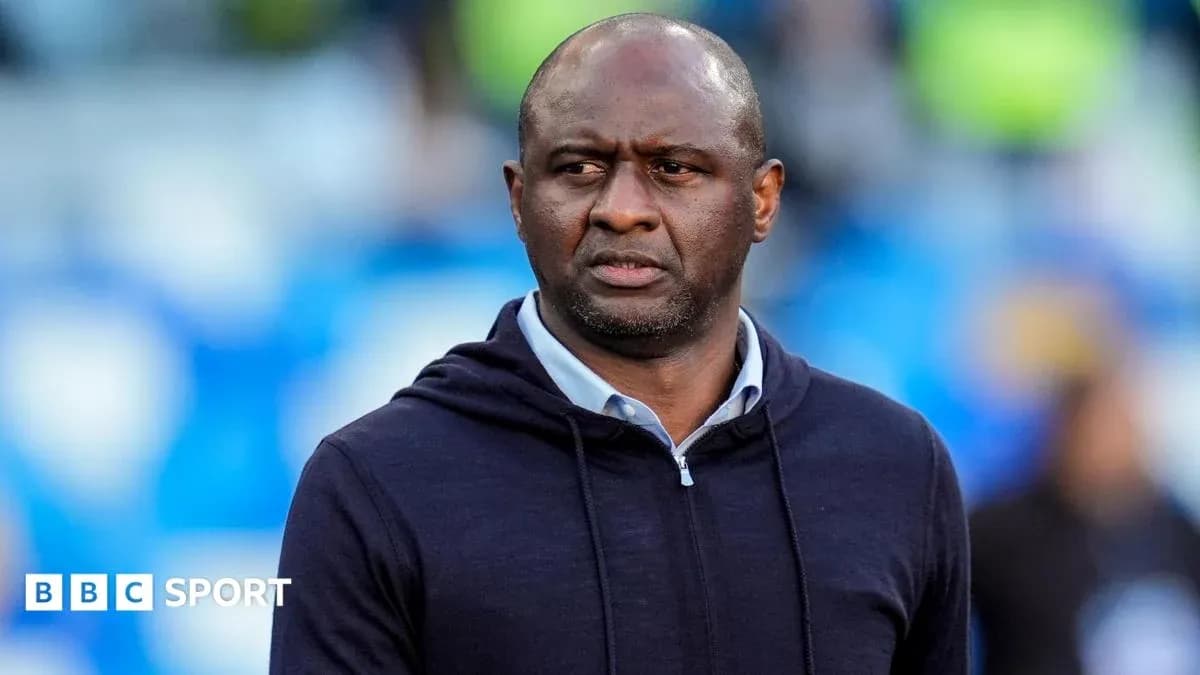
Patrick Vieira’s Chaotic Start as Senegal Coach
Patrick Vieira has been unveiled as the new man for Senegal. Except he hasn’t really. Not yet.
At 50, the former France captain has been announced as coach of the Teranga Lions without signing a contract, with no confirmed date for his official presentation and with a federation fighting battles on every front. Right now, his appointment feels more like a statement of intent than a done deal.
The Senegalese football federation (FSF) admits talks are still ongoing over the “administrative and contractual arrangements” with Vieira. Behind that dry phrase lies a mess: internal power struggles, legal uncertainty and a sacked coach who has not gone quietly.
FSF under siege
Vieira was unanimously approved on Monday at an FSF meeting as the successor to Pape Thiaw. Patrick Kluivert was among the other names on the shortlist, along with Patrice Carteron and former Senegal internationals Habib Beye and Oumar Daf. The choice of Vieira, on paper, gives Senegal a global name, a World Cup winner and one of the defining midfielders of his generation.
But the ground beneath that decision is anything but stable.
Thiaw’s dismissal, coming after Senegal’s dramatic last-32 exit to Belgium at the Fifa World Cup, was not formally endorsed by the Senegalese government, which bankrolls the national team. That alone would be enough to complicate a handover. Thiaw is now demanding several months of unpaid wages and bonuses, with the total reportedly close to $815,000 (£600,000).
The federation is also waiting on a ruling from the Court of Arbitration for Sport (Cas) in Lausanne over the contested election of its current leadership, a case that has dragged on for a year and is expected to be decided by Friday. That verdict could call into question not only the legitimacy of the FSF hierarchy but, by extension, the appointment of Vieira himself.
Inside the country, the leadership finds itself increasingly isolated – lacking clear government backing and losing the public’s trust – yet boxed in by the calendar and the looming Cas decision. Even so, the FSF moved to fill what has become one of the hottest seats in African football.
No time to breathe
The fixture list shows no sympathy. Senegal return to competitive action on 23 September, away to Mozambique in their Group J opener in qualifying for the 2027 Africa Cup of Nations. Ethiopia await a few days later.
Those games demand clarity: who picks the squad, who stands in the technical area, whose ideas shape the next phase of this team? For now, those questions hang over Dakar.
A giant of a player, a mixed record as a coach
Vieira’s name still carries enormous weight. Arsenal, Inter Milan, France – his playing career needs no embellishment. As a manager, the story is less straightforward. His achievements on the touchline have not matched his aura as a player, and that reality will not be lost on a fanbase that has grown used to winning.
Yet Senegal is not a foreign land to him, nor a convenient career move. Born there, Vieira never fully cut the cord.
Towards the end of his playing days, he played a central role in creating the Diambars Institute, putting real money and energy into a project that would change Senegalese football. Diambars has since become one of Africa’s standout academies and a key pillar in Senegal’s recent rise.
From Diambars have come Idrissa Gana Gueye, Bamba Dieng and Abdoulaye Seck, among others – players who have helped write Senegal’s story on the continental and global stage since 2018. If Vieira does take charge, he will inherit a group partly shaped by a system he helped build.
A golden era in dispute
Senegal stand at a strange crossroads. On the pitch, they have never been more successful. Champions of Africa for the first time in February 2022 at the delayed 2021 Afcon, they followed that up with a second title in January, edging the final 1-0 after extra time.
Yet even that triumph is not fully at rest. The ultimate destination of the trophy will be decided by Cas after Thiaw led his players off the pitch in stoppage time, protesting a controversial penalty awarded to hosts Morocco. The legal wrangle over that decision still hangs in the air, another thread in the wider tangle surrounding the national team.
Rebuild under a shadow
Vieira’s task, if he actually steps into the role, is stark: rebuild a side trying to look forward while still living in the glow – and the shadow – of its most successful chapter.
A wave of promising young players is coming through, but they must follow giants. Sadio Mane, Edouard Mendy, Kalidou Koulibaly, Gana Gueye – that core has set a ferocious standard. Whoever leads Senegal next will need to refresh the team without ripping out its identity.
The FSF’s search process reflected the stakes. Alongside Vieira, the names of Kluivert, Carteron, Beye and Daf underlined a desire to balance international pedigree with local knowledge. In the end, the federation turned to the man who had already been dropping hints.
During an unusually high-profile holiday in Senegal, Vieira allowed the cameras and speculation to swirl, feeding the sense that something more than tourism was at play. Now his appointment has been announced, yet still hangs in limbo, hostage to contracts, courtrooms and a federation fighting for legitimacy.
Senegal know where they need to be on 23 September: in Mozambique, chasing a place at Afcon 2027. The real question is whether Patrick Vieira will be the man standing in front of the players when that journey begins.
Related News
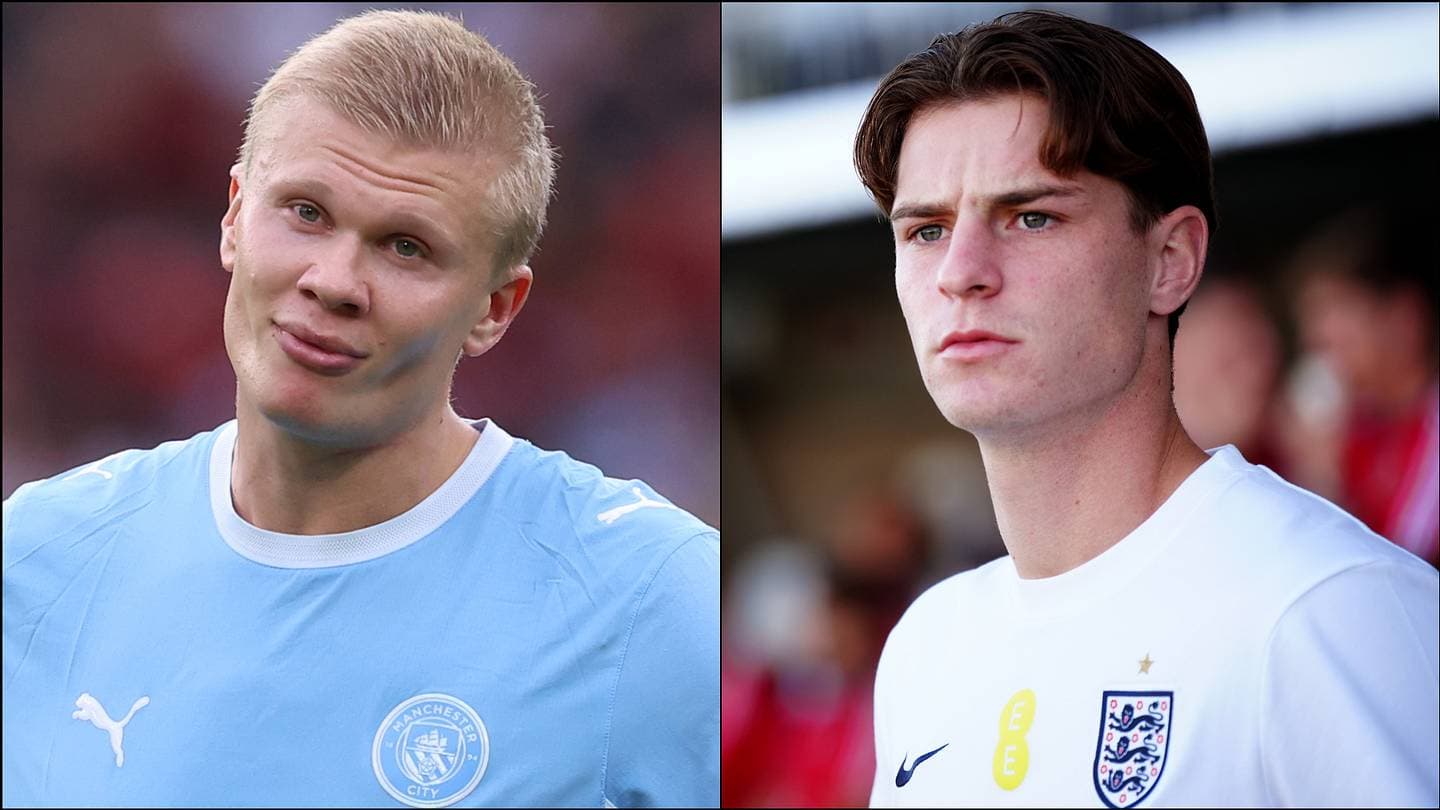
Transfer Rumors: Haaland’s Two Options; Real Madrid Targets $100 Million Premier League Star
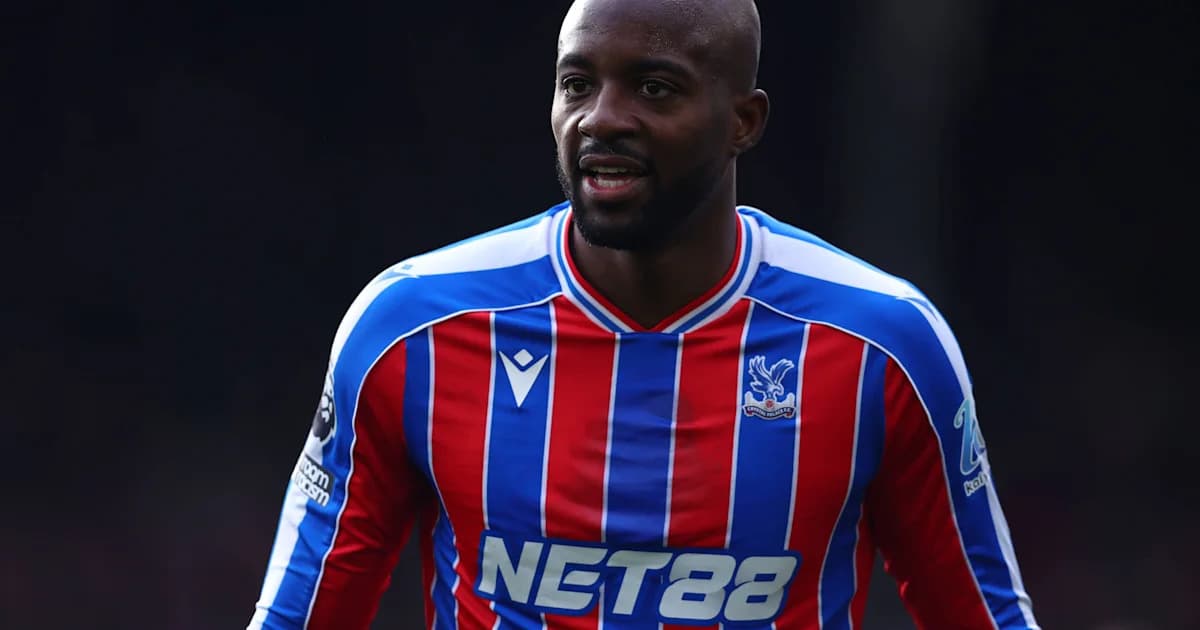
Manchester United Targets Premier League Forward to Strengthen Attack
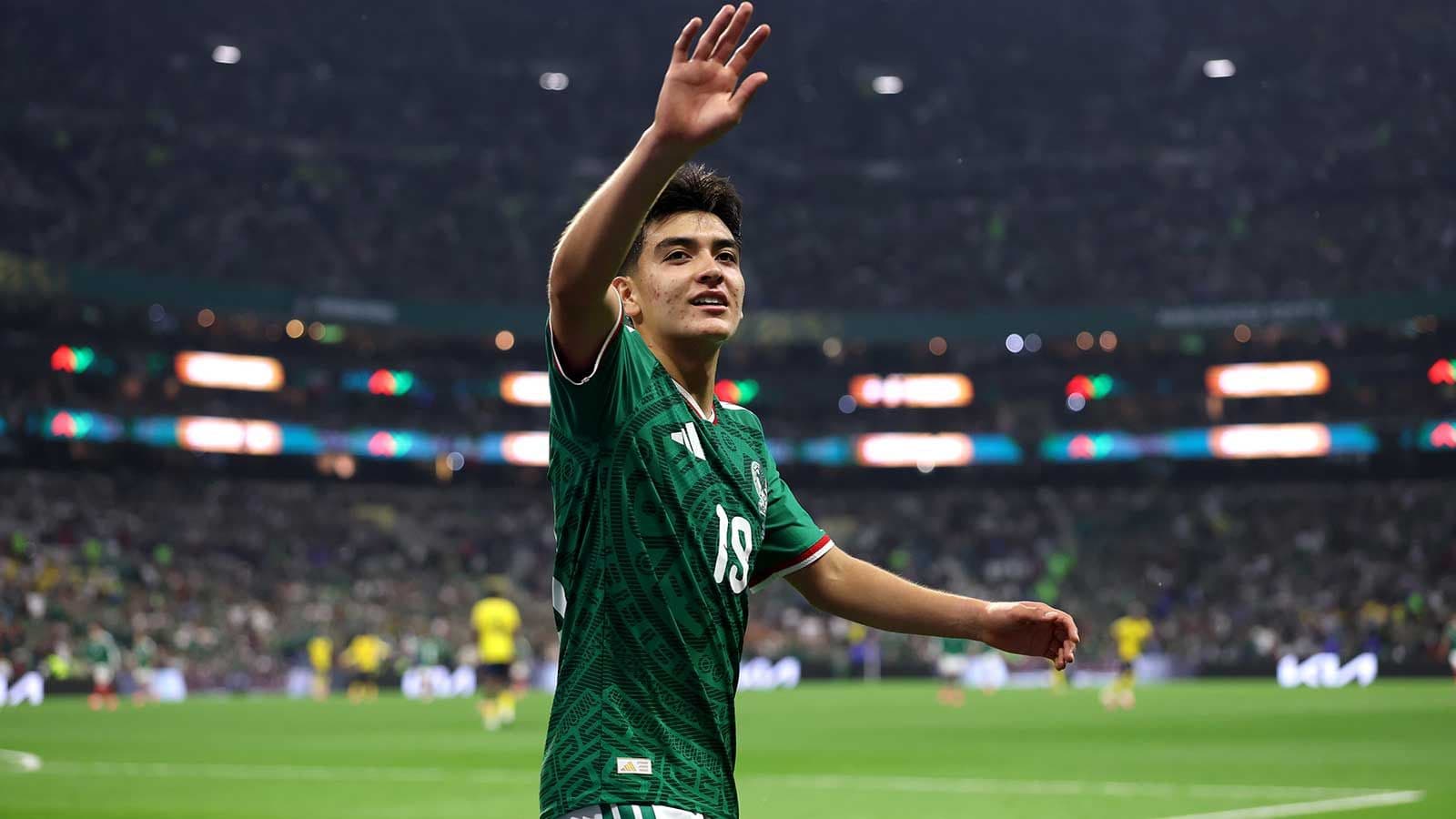
Liverpool Eyes 17-Year-Old Mexican Midfielder Gilberto Mora for Summer Transfer
Summer 2026 Transfer Window: Manchester United and Tottenham Struggle with New Signings
Liverpool Maintain Interest in Real Madrid Midfielder Amid Transfer Challenges
Transfer Insider Warns Tottenham About Costly Sale of Will Lankshear