
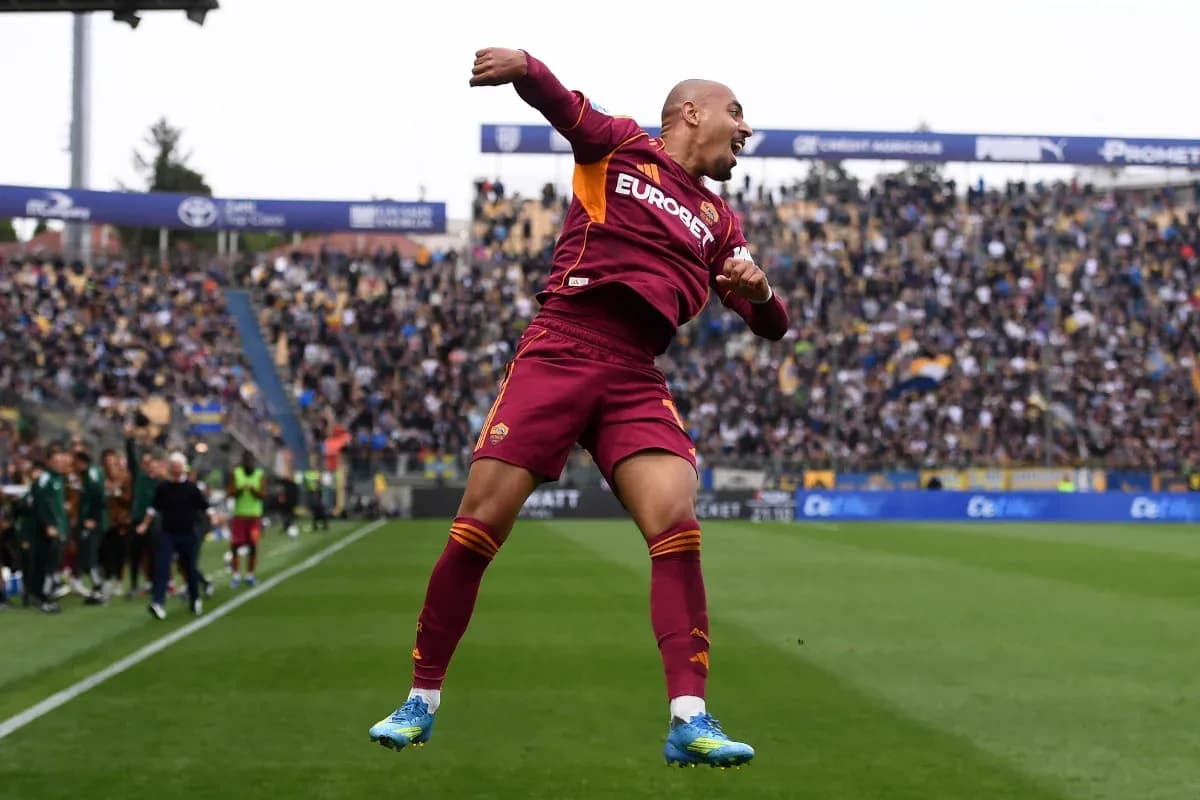
Parma vs AS Roma: Tactical Insights from Serie A Clash
The late afternoon light over Stadio Ennio Tardini faded into something more anxious than romantic as Parma and AS Roma walked out for this Serie A clash, part of the Regular Season - 36. By the time Daniele Chiffi blew for full time, a 3–2 away win had confirmed what the table had hinted at heading into this game: Roma’s sharper edge in both boxes, and Parma’s tendency to live on a knife-edge.
Following this result, the league picture around the fixture is clear. Parma sit 13th on 42 points, their overall goal difference at -18, the product of 27 goals for and 45 against. It is the profile of a side that grinds and suffers more than it dominates. Roma, in contrast, are 5th with 67 points and a goal difference of +24, built on 55 goals scored and only 31 conceded overall. One team is trying to close out survival and identity; the other is sharpening itself for European nights.
I. Squad DNA and Structural Choices
Parma’s season has been defined by pragmatism and repetition. Their most-used system, the 3-5-2, appeared again here, for the 18th time in the league if we include this match on top of the 17 recorded in their season statistics. Carlos Cuesta leaned into that familiar shape: Z. Suzuki behind a back three of A. Circati, M. Troilo, and L. Valenti; a five-man midfield line with E. Valeri and E. Delprato as the width, and C. Ordonez, H. Nicolussi Caviglia, and M. Keita as the central engine; G. Strefezza and N. Elphege as a mobile but relatively lightweight front two.
The numbers explain the caution. Heading into this game, Parma at home had averaged 0.8 goals for and 1.4 goals against, with only 4 home wins from 18. They had failed to score at home 7 times and had kept 4 clean sheets. This is a side that lives in tight margins and low-scoring scripts, one that has learned to suffer in a block and hope the game stays within reach.
Roma arrived with a very different rhythm. Piero Gasperini Gian stayed loyal to the 3-4-2-1 that has been his default, used 28 times this Serie A season. M. Svilar started in goal behind a back three of G. Mancini, E. Ndicka, and M. Hermoso. Z. Celik and Wesley Franca offered width, with B. Cristante and M. Kone as the double pivot. Ahead of them, the creative pair of M. Soule and P. Dybala floated behind the spearhead: D. Malen, one of the league’s most efficient forwards.
Roma’s seasonal metrics underline a side that can control and punish. On their travels they averaged 1.3 goals for and 1.2 against heading into this game, with 9 away wins from 18 and only 4 away blanks. Overall they had scored 55 and conceded 31, an attack-defense balance that justified their top-five position.
II. Tactical Voids and Absence Shadows
Both squads came into the fixture with significant absences that shaped the tactical story. Parma were without A. Bernabe (muscle injury), B. Cremaschi, M. Frigan, and G. Oristanio (all knee injuries). Bernabe’s absence removed a progressive passer from midfield, forcing Cuesta to trust more in the industry of Nicolussi Caviglia and the vertical running of Keita rather than a true tempo-setting playmaker.
Up front, the benching of Mateo Pellegrino was notable. He has been Parma’s most reliable attacking reference in Serie A: 8 goals and 1 assist in 35 appearances, with 50 shots (21 on target) and a physical profile that wins 215 duels from 504. He is the kind of forward who can pin a back three and give wing-backs a target. Starting without him tilted Parma towards mobility and counter-attacking rather than sustained territory.
Roma’s absences were just as telling. A. Dovbyk (groin injury), E. Ferguson (ankle), L. Pellegrini (thigh), and B. Zaragoza (knee) all missed out. Without L. Pellegrini, Gasperini Gian lost a natural connector between midfield and attack, increasing the creative load on M. Soule and P. Dybala. Without Dovbyk, Roma’s attacking plan had to lean even more heavily on D. Malen’s verticality and on the rotations of the two support forwards.
Discipline-wise, both teams carried reputations into this match. Parma’s yellow-card distribution shows a tendency to accumulate cautions in the heart of the contest: 21.88% between 46-60 minutes and another 21.88% between 76-90. Their red-card profile is even more volatile: 40.00% of reds in the 31-45 window, then 20.00% each in 61-75, 76-90, and 91-105. M. Troilo embodies that edge; across the season he has collected 7 yellows and 1 straight red, plus one yellow-red, and he has blocked 15 shots, a defender who lives on the border of aggression and risk.
Roma, by contrast, spread their yellows more evenly across the second half, with 23.08% in 46-60, 23.08% in 61-75, and 23.08% in 76-90. Their red cards cluster in the 46-75 zone (50.00% in 46-60 and 50.00% in 61-75), pointing to a team that can become over-aggressive when they try to wrestle back control after the break. Z. Celik, who has 2 yellows and 1 red this season, is the emblem of that risk on the right flank.
III. Key Matchups – Hunter vs Shield, Engine Room vs Enforcer
The headline duel was always going to be D. Malen versus Parma’s back three. Malen came into the game with 13 league goals and 2 assists in 16 appearances, converting 45 shots (28 on target) into a ruthless return. He has also scored 3 penalties from 3, with no misses, giving Roma a clinical edge from the spot.
Facing him, Parma’s defensive triangle had to be perfect. M. Troilo’s profile is striking: 23 tackles, 15 successful blocks, and 15 interceptions in 19 appearances, with an 89% passing accuracy from 773 passes. He is both the blocker and the first passer out. L. Valenti and A. Circati were tasked with covering Malen’s diagonal runs, especially when Dybala and Soule dragged them into uncomfortable zones.
Behind that, Z. Suzuki’s role was to hold a defensive line that has conceded an overall average of 1.3 goals per game. With Parma’s total of 12 clean sheets split as 4 at home and 8 away, the Tardini has not been a fortress; it has been a place of survival.
In midfield, the “engine room” battle pitted Parma’s trio against Roma’s double pivot plus the roaming Soule. Nicolussi Caviglia and Keita had to screen passing lanes into Dybala’s feet while still providing outlets in transition. Roma’s B. Cristante, with his positional discipline, and M. Kone, with his energy, were tasked with pinning Parma back and feeding the front three.
M. Soule, Roma’s top assist provider with 5 in Serie A and 6 goals of his own, is the creative fulcrum. With 43 key passes and 948 total passes at 84% accuracy, he offers both volume and incision. His duel with Parma’s central block determined whether Roma could access the half-spaces or be forced wide into crosses.
On the flanks, Z. Celik and Wesley Franca attacked E. Valeri and E. Delprato. Valeri and Delprato had to manage a double burden: tracking runners and providing the width that Parma’s 3-5-2 depends upon in transition. Any delay in their recovery runs risked isolating the back three against Roma’s front line.
IV. Statistical Prognosis and Tactical Verdict
From a statistical lens, Roma’s 3–2 win fits the probabilities that surrounded the fixture. Heading into this game, Roma’s overall scoring rate of 1.5 goals per match and defensive average of 0.9 against suggested they would likely create more and concede less than Parma, whose overall averages stood at 0.8 for and 1.3 against. On their travels Roma had scored 24 and conceded 21; Parma at home had scored 15 and conceded 25. The intersection of those trends pointed toward Roma being able to push the Expected Goals balance in their favour.
Parma’s best route was always going to be a low-event match, leaning on set pieces and the physical presence of someone like Mateo Pellegrino, whose 5 blocked shots and 63 fouls drawn across the season show how he can pin and disrupt. Once the game opened up into a five-goal contest, it moved away from Parma’s comfort zone and into Roma’s.
Defensively, Roma’s back three, anchored by G. Mancini, showed again why this side has conceded only 31 goals overall. Mancini’s season numbers – 50 tackles, 14 blocked shots, 44 interceptions – underline his role as both shield and organiser. Even if Parma found a way to score twice, Roma’s structure and attacking talent allowed them to stay one step ahead on the scoreboard.
In xG terms, the profiles suggest Roma would typically generate more high-quality chances, especially with D. Malen’s movement and M. Soule’s creative volume. Parma, whose attack has failed to score in 15 of 36 matches overall, were always at risk of running cold in front of goal, even when they reached good positions.
Following this result, the tactical lesson is stark for Parma: their 3-5-2 gives them organisation, but without a consistent attacking focal point and with such slim margins at home, they remain vulnerable whenever a game accelerates. Roma, meanwhile, confirm the identity their numbers promised – a side that, even with key absences, can lean on a high-level front line, a disciplined back three, and a flexible 3-4-2-1 to navigate chaotic matches and still emerge with three points.
Related News
Frosinone vs Como Prediction: Key Stats and Betting Tips
Fiorentina vs Napoli Prediction: Key Stats and Betting Tips
AS Roma vs Inter: Serie A Showdown on 19 September 2026
Inter’s Dominance in 5–3 Win Over Udinese
AS Roma vs Inter Prediction: Key Stats and Betting Tips
Lazio and AC Milan Battle to a 2–2 Draw: Early Serie A Insights