
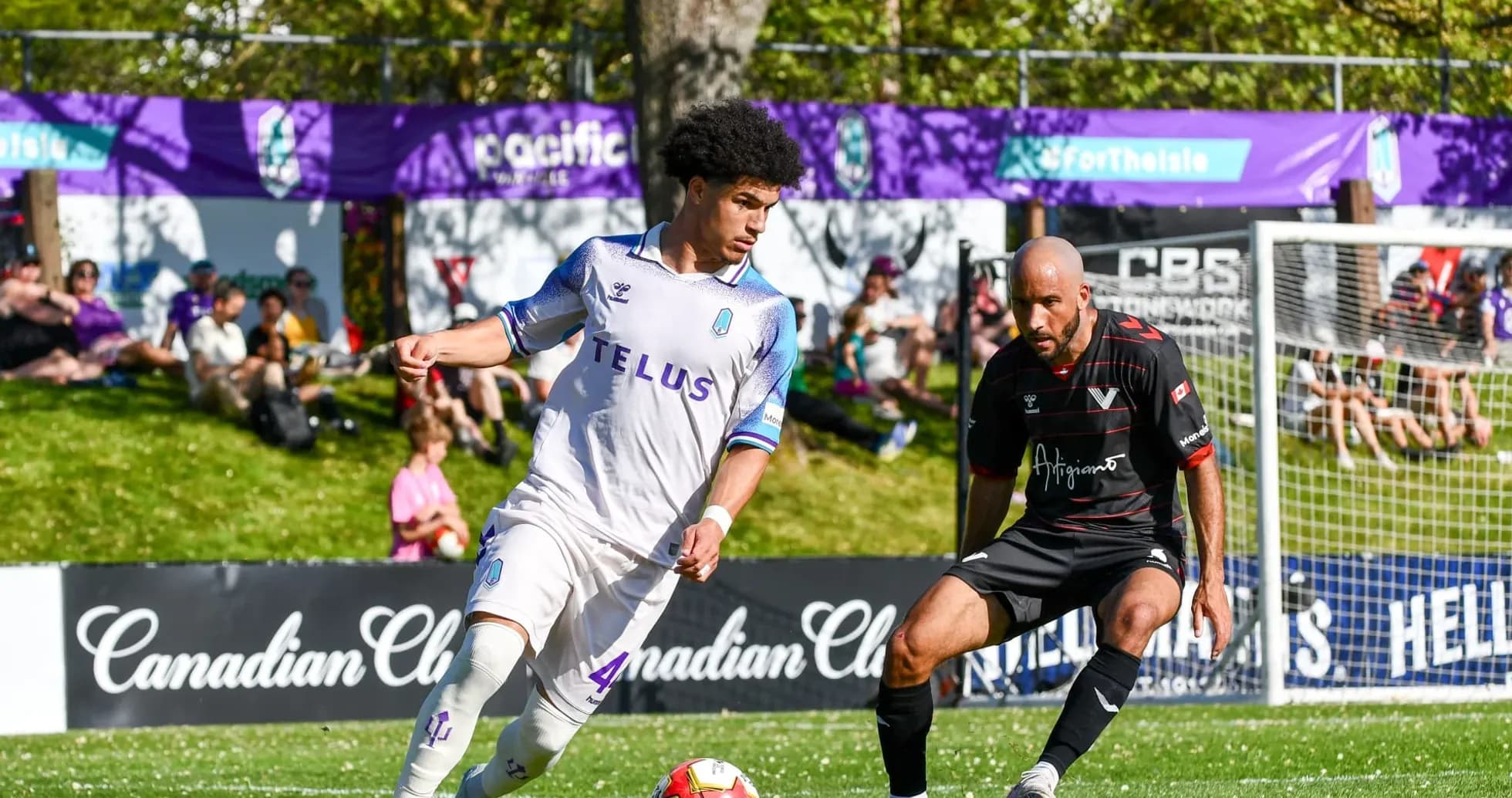
Pacific FC vs Vancouver FC: Tactical Contrasts in Canadian Premier League
Under the Starlight Stadium floodlights, this all-B.C. clash felt like a referendum on identity as much as form. Following this result, Pacific FC remain rooted to the bottom of the Canadian Premier League table in 8th, with just 1 point from 5 matches and a goal difference of -5, while Vancouver FC climb to 6th on 4 points and a far tidier goal difference of -1. The 3-1 away win does more than tilt early-season narratives; it crystallises the contrasting tactical trajectories of two teams built in very different images.
Pacific’s season-long DNA has been one of structural promise undone by fragility. Overall, they have scored 6 goals in 5 league matches, an average of 1.2 per game, but have conceded 11 at 2.2 per match. At home, the picture is even starker: 4 goals scored and 9 conceded across 4 fixtures, with averages of 1.0 for and 2.3 against. Starlight Stadium, once a fortress, has become a place where opponents arrive believing they will score twice.
The lineup against Vancouver told a story of a side still searching for its best version. James Merriman leaned again on the spine that has carried most of Pacific’s attacking threat: Alejandro Díaz leading the line, with Marco Bustos and Ayman Daniels offering support, and the ball progression entrusted to T. Gomulka and R. Juhmi. Behind them, Diego Konincks and J. Belluz anchored the back line with C. Greco-Taylor in the defensive unit and S. Melvin in goal.
Konincks is the emblem of Pacific’s paradox. As one of the league’s top performers, he has 1 goal and 1 assist in total this campaign, from just 2 total shots and 1 on target, while completing 134 passes at 89% accuracy. He has won 11 of 17 duels and blocked 1 shot, a defender whose numbers scream control and composure. Yet he operates in a system that, collectively, leaks chances and collapses in key moments.
In front of him, Díaz remains a reference point more in theory than in execution. In total this season he has 1 goal from 5 appearances and 168 minutes, with 2 shots and 1 on target. His 37 passes at 75% accuracy hint at link play, but only sporadically. Too often, Pacific’s attacking patterns rely on individual sparks from Bustos or late cameos from Bul Juach, who has 1 goal from just 27 minutes, rather than any sustained, repeatable mechanism.
The tactical void is most evident in game management and discipline. Pacific’s card profile is a warning siren: 38.46% of their yellow cards arrive in the 91-105 minute window, with another 30.77% between 61-75. Their red cards are split evenly, 50.00% between 76-90 and 50.00% between 91-105. This is a side that grows ragged as matches stretch, chasing games and paying in bookings and dismissals. Players like Juhmi (2 yellows) and the combative Greco-Taylor (2 yellows, plus 7 tackles and 4 interceptions) embody the edge, but also the risk.
Vancouver, by contrast, arrived with a quieter statistical profile but a clearer tactical identity. Heading into this game they had scored 4 goals in 5 matches, all of them on their travels, with an away average of 1.3 goals for and just 1.0 against. At home they had yet to score, but on the road they had already authored a 1-3 win. This match was perfectly aligned with that pattern: compact, patient, ruthless in transition.
Martin Nash’s starting XI reflected that pragmatism. C. Irving in goal, shielded by a back line featuring M. Doner, M. Campagna, T. Field and P. Gee, with a midfield built around Marcello Polisi. Ahead of them, A. Traore, N. Mezquida, M. Amissi and T. Campbell gave Vancouver verticality and interchangeability.
Polisi is the quiet conductor of this side. With 60 passes at 90% accuracy, 3 tackles, 1 blocked shot and 3 yellow cards this season, he is both metronome and enforcer. His duels (10 total, 6 won) and ability to break up play allow Vancouver to sit in a mid-block, absorb pressure, then spring forward. The card profile backs that picture: Vancouver’s yellows are spread across the middle and late phases of games, with 22.22% between 61-75, 22.22% from 76-90 and another 22.22% in 91-105. They foul to manage tempo, not because they are losing control.
This is where the “Hunter vs Shield” narrative crystallises. Pacific’s main scoring threats – Díaz, Juach, and even the set-piece presence of Konincks – are hunting against a Vancouver defence that, on their travels, concedes just 1.0 goal per match and has yet to keep a clean sheet but rarely collapses. Vancouver’s shape protects central spaces, forcing Pacific wide and into lower-quality deliveries, where Campagna and Field can dominate the air.
In the “Engine Room” duel, Gomulka and Juhmi faced Polisi. Pacific’s midfielders can circulate the ball – Juhmi’s 52 passes at 78% accuracy and 1 key pass show as much – but they lack Polisi’s blend of control and bite. When Pacific chase games late, that midfield stretches and the distances between lines grow, inviting counters. Vancouver’s late-game yellow-card surge is almost a tactical feature: controlled fouls to stop transitions, rather than panicked lunges born of chaos.
Discipline further tilts the balance. Pacific’s red-card history this season – with J. Heard already sent off and Belluz carrying a yellow-red – hovers over every aggressive duel. Vancouver, by contrast, have no reds, and their only disciplinary headliner is Polisi’s trio of yellows, which so far have been managed without tipping into dismissal.
From a statistical prognosis standpoint, the Expected Goals story – even without raw xG numbers – is implied by the shot and goal profiles. Pacific’s overall average of 1.2 goals for and 2.2 against, combined with Vancouver’s total averages of 0.8 for and 1.0 against, suggests a game script where Pacific generate more volume but from poorer positions, while Vancouver carve out fewer but cleaner chances in transition. The 3-1 scoreline at full time fits that template: Vancouver’s attacks are sharp and vertical, Pacific’s pressure is blunter and more easily repelled.
Following this result, the tactical arc for both clubs is clear. Pacific must turn Konincks’ individual excellence and Greco-Taylor’s defensive intensity into a coherent block that protects leads instead of chasing deficits, while finding ways to connect Díaz more consistently to service from Bustos and Daniels. Vancouver, meanwhile, can double down on a road-first identity: disciplined, Polisi-led control in midfield, and a front line that punishes every loose pass from a tiring opponent.
In a league where margins are thin and data already hints at deeper truths, this night at Starlight Stadium felt less like an anomaly and more like a confirmation. Vancouver know exactly what they are. Pacific, for all their talent, are still trying to find out.
Related News

Cavalry FC vs Forge: Intense Rivalry Returns to ATCO Field
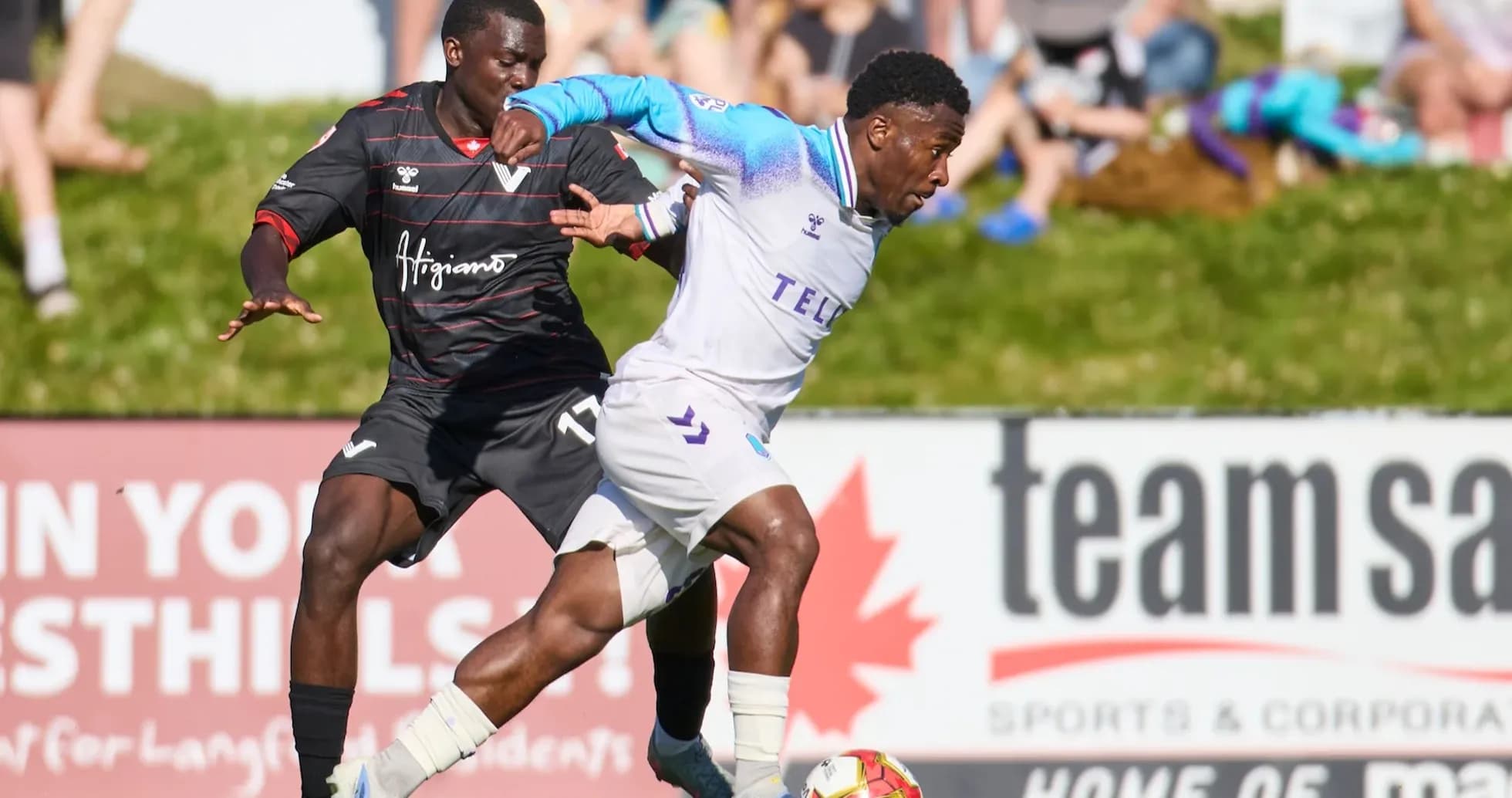
Pacific FC vs Vancouver FC Prediction: Key Stats and Betting Tips

Cavalry FC vs Forge Prediction: Key Stats and Betting Tips
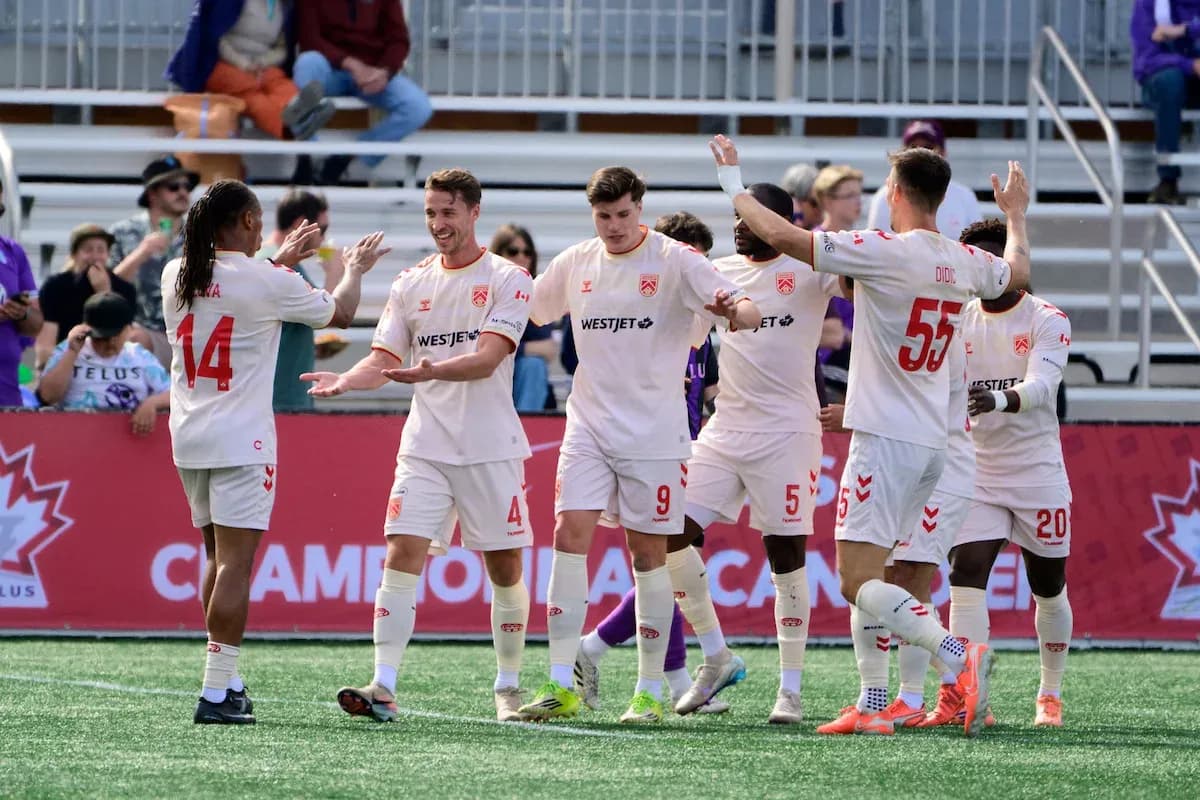
Cavalry FC Dominates Pacific FC in 1-0 Clash
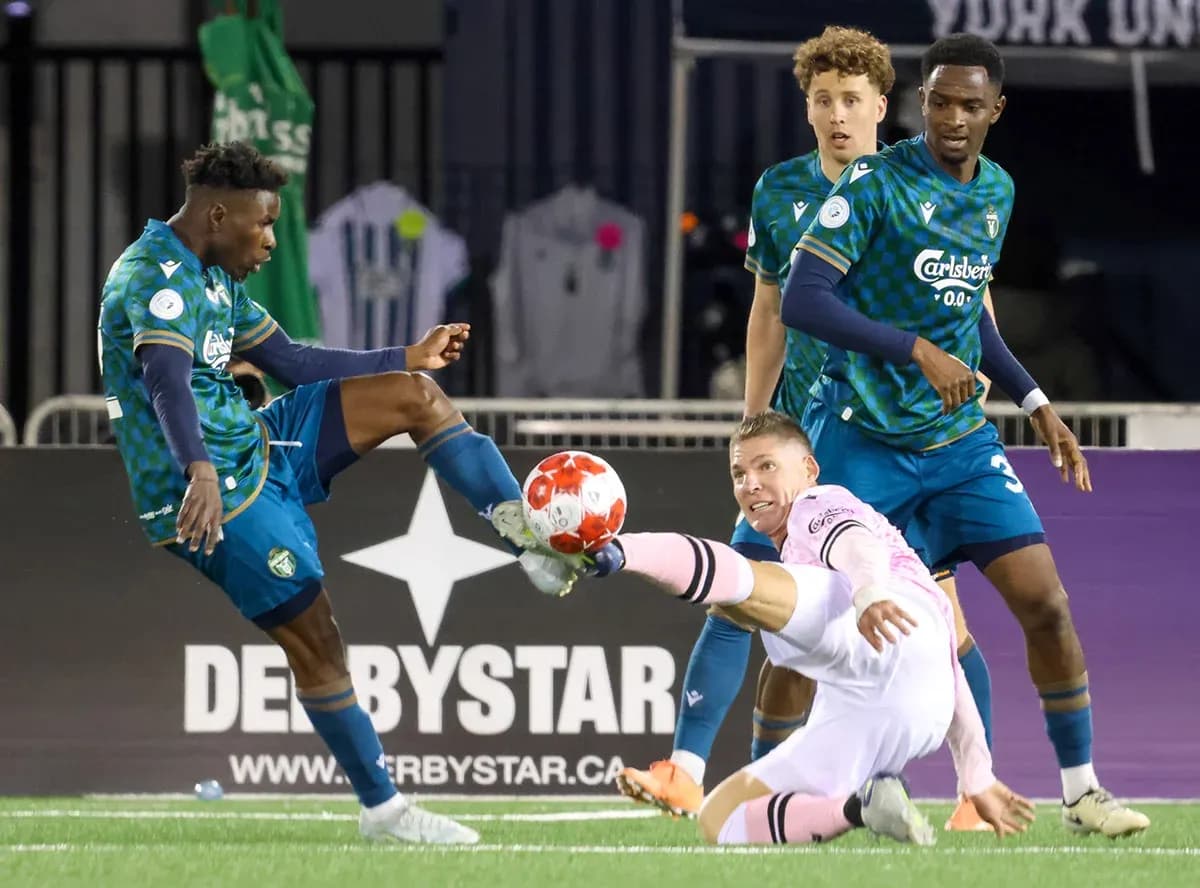
York United Triumphs Over Vancouver FC in Canadian Premier League Clash

Atlético Ottawa vs Supra du Quebec Stats: Head-to-Head Record