
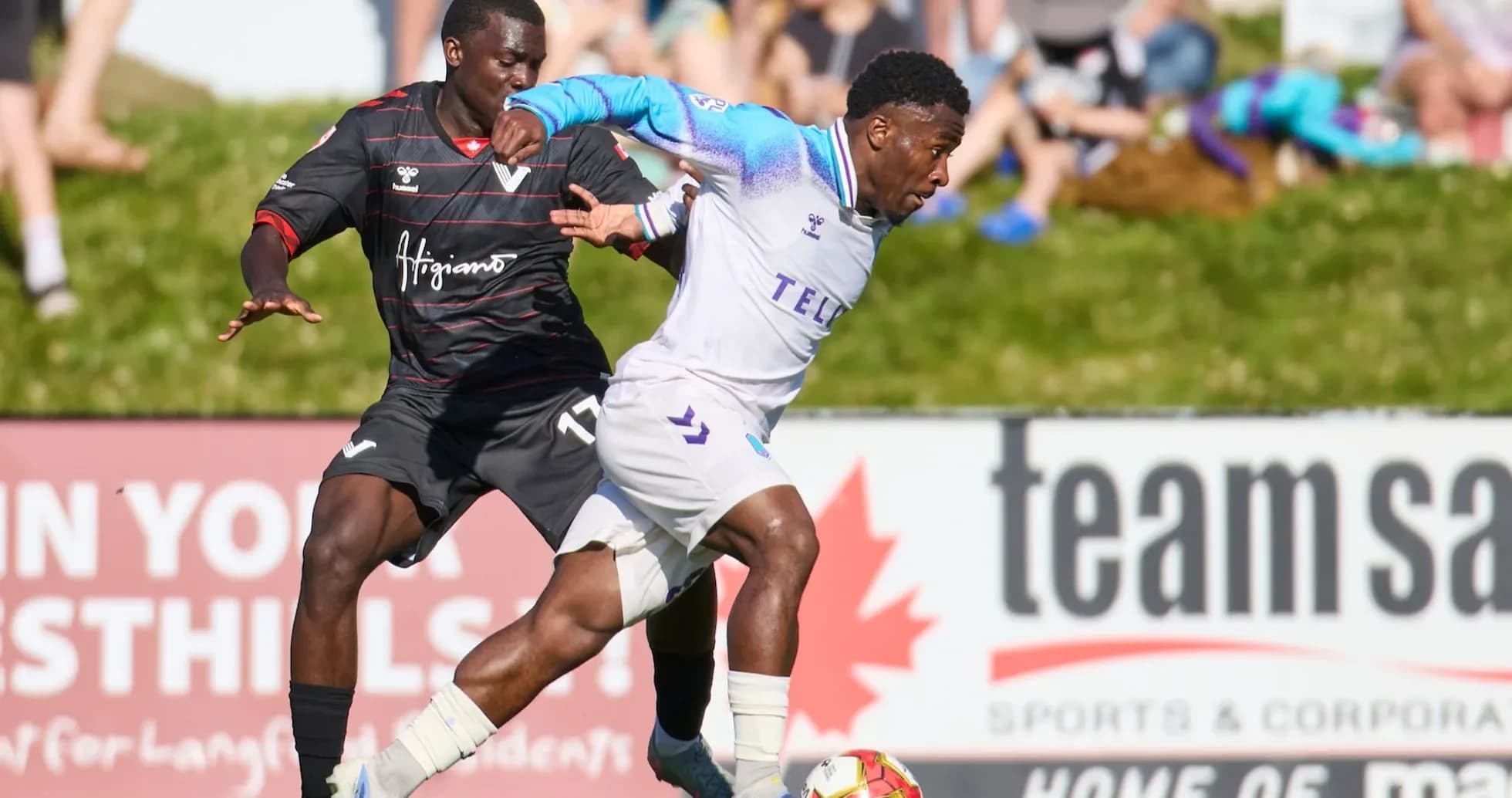
Pacific FC vs Vancouver FC: Fierce Rivalry in Canadian Premier League
On 20 September 2026, the lights of Starlight Stadium will frame another chapter of British Columbia’s fiercest football rivalry as Pacific FC welcome Vancouver FC in the Canadian Premier League. For Pacific, bottom of the table and fighting to salvage pride, this derby is a chance to jolt a miserable campaign back to life. For Vancouver, still in the mix near the top half, it is about consolidating a push toward the playoffs and proving that the province now tilts in their favour.
Season Context
Pacific FC arrive in this derby rooted to 8th place with just 10 points from 21 matches. One win all year, seven draws and 13 defeats underline a season of struggle, with 25 goals scored and a league-worst 43 conceded. A goal difference of -18 tells the story of a side too easy to play through and too fragile to protect leads.
Vancouver FC, by contrast, sit 4th with 30 points from 22 games and a positive goal difference of +2. Nine wins, three draws and 10 losses point to a high-variance side, but 30 goals scored and only 28 conceded show a more balanced outfit that can both hurt opponents and survive tight games.
Form & Momentum
Pacific’s recent form string reads LDDWL, a run that captures their season in miniature. They have become hard to beat at times but still lack the cutting edge to turn draws into wins (only 1 victory across 21 matches). Their attack averages 1.2 goals per game (25 in 21), which is respectable, but the defense leaks 2.0 per match (43 conceded in 21), leaving them constantly chasing games and vulnerable when stretched.
Vancouver’s form is also wobbling, with a sequence of LWLLL coming into this clash. Despite sitting 4th, they have dropped off recently, scoring 30 goals in 22 games (1.4 per match) but conceding 28 (1.3 per match). That defensive record is far sturdier than Pacific’s, yet the three straight defeats in that run suggest confidence is fragile and that this derby could be a psychological turning point either way.
Head-to-Head Patterns
The rivalry has tilted toward Vancouver in recent meetings, even if the margins have often been fine. On 15 August 2026, the sides drew 1-1 at Willoughby Community Park in the Canadian Premier League (season 2026, August 2026), with Vancouver as hosts unable to turn a second-half push into victory. Earlier that year, on 14 June 2026, Vancouver edged a 2-1 home win over Pacific at Willoughby Community Park Stadium in the Canadian Premier League (season 2026, June 2026), capitalising on Pacific’s defensive frailty. Perhaps the most painful memory for the Starlight crowd came on 3 May 2026, when Pacific lost 1-3 at home to Vancouver in the Canadian Premier League (season 2026, May 2026), a result that underlined the visitors’ growing authority in this matchup.
Tactical Preview
Pacific FC have leaned heavily on a 4-2-3-1 structure, used nine times this year, and the shape reflects their desire to build through creative midfielders like Marco Bustos and wide runners such as Y. Toualy. The numbers, however, show a team that struggles to control space: conceding 43 goals in 21 matches (2.0 per game) despite often playing with two holding midfielders points to issues in defensive organisation and transition. Their home record – 13 goals scored and 21 conceded in 11 games – suggests they will still commit bodies forward at Starlight Stadium, but must manage risk more carefully.
In attack, Pacific rely on the penalty-box instincts of A. Díaz (5 league goals) and the set-piece and creative threat of Bustos, who has chipped in with 2 goals and consistent chance creation. Toualy, with 5 assists, is a key conduit between midfield and attack, driving at defenders and providing final balls from the half-spaces. Yet the disciplinary record is a concern: multiple Pacific players feature among the league’s top red-card recipients, and a side already conceding 2.0 goals per match cannot afford to play long stretches a man down.
Vancouver FC also favour a 4-2-3-1 base, deployed seven times, but theirs is a more balanced version. With 30 goals scored and 28 conceded across 22 games, they combine a solid defensive block with quick transitions through players like T. Bah and L. Mousset. Bah offers relentless running and ball-carrying from midfield, contributing 3 goals and 1 assist, while Mousset and T. Campbell add penalty-area presence with 3 and 4 goals respectively. Vancouver’s away record – 13 scored and 17 conceded in 11 matches – shows they are dangerous on the break but not invulnerable when pressed high.
The midfield battle will be crucial. Pacific’s passers such as Toualy and R. Juhmi must find pockets between Vancouver’s lines, but they will be harried by industrious figures like M. Polisi, who combines 6 yellow cards with strong defensive numbers. If Vancouver can disrupt Pacific’s build-up and spring counters into the channels behind Pacific’s full-backs, their superior efficiency in both boxes could again decide the derby.
Statistical Snapshot
- Competition: Canadian Premier League, season 2026 — 20 September 2026.
- Venue: Starlight Stadium, null.
- Prediction: Win or draw — Double chance: Pacific FC or draw.
- Win Probabilities: Home 35% / Draw 35% / Away 30%.
- Model: Pacific FC 50.7 — Vancouver FC 49.5.
Betting Verdict
The prediction model leans slightly toward the hosts, with a double-chance recommendation on Pacific FC or draw backed by a 35% home win probability and 35% draw probability against 30% for a Vancouver victory. Despite Pacific’s dire season numbers (10 points from 21 games, 43 goals conceded), their recent run of LDDWL hints at incremental improvement and greater resilience at home. Vancouver’s superior overall record (30 points from 22 matches) is offset by a current slump of LWLLL and a derby history this year that has included a draw and two narrow wins rather than outright dominance. In a fixture where emotion and familiarity often compress the gap in quality, siding with Pacific to avoid defeat aligns with both the model’s near-even team index and the pattern of tight, hard-fought meetings between these British Columbia rivals.
Related News

Cavalry FC vs Forge: Intense Rivalry Returns to ATCO Field
Pacific FC vs Vancouver FC Prediction: Key Stats and Betting Tips

Cavalry FC vs Forge Prediction: Key Stats and Betting Tips
Cavalry FC Dominates Pacific FC in 1-0 Clash

York United Triumphs Over Vancouver FC in Canadian Premier League Clash

Atlético Ottawa vs Supra du Quebec Stats: Head-to-Head Record