
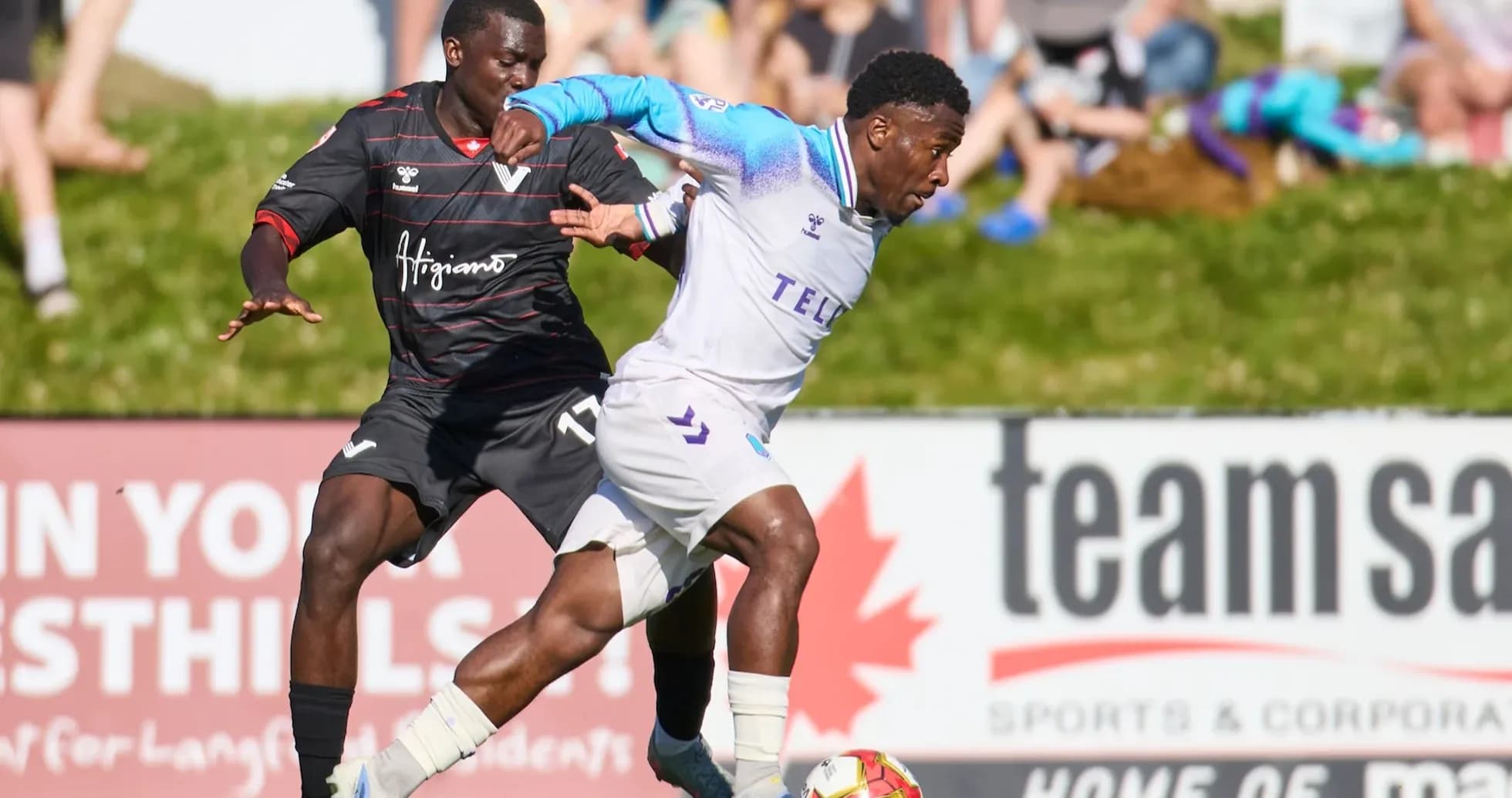
Pacific FC vs Vancouver FC: Tactical Stalemate in Canadian Premier League Clash
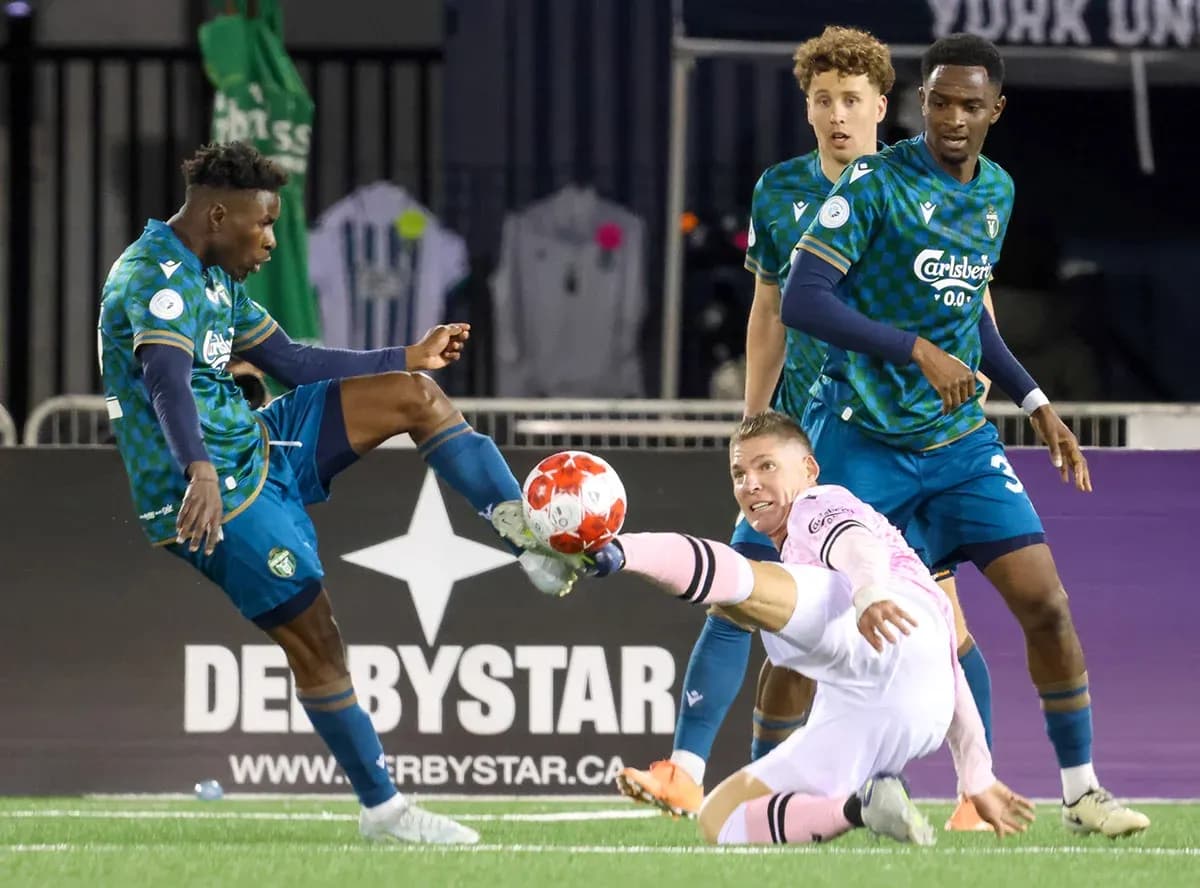
The floodlights at Westhills Stadium dimmed on a 1–1 draw, but the story of Pacific FC and Vancouver FC in this Canadian Premier League Group Stage clash runs deeper than the scoreline. It was a meeting of opposites in the table: Pacific arriving bottom in 8th with 11 points and a bruising overall goal difference of -18 (26 scored, 44 conceded), Vancouver sitting 4th on 31 points with a positive overall goal difference of 2 (31 scored, 29 conceded). Yet over 90 minutes, the gap in the standings blurred into a tactical stalemate.
I. The Big Picture – Two Identities, One Standoff
Pacific’s season has been defined by fragility and late-game suffering. Overall they concede 2.0 goals per match, with a defensive collapse pattern that is almost theatrical: 29.27% of their goals against come between 46–60 minutes, and a staggering 39.02% in the 76–90 window. At home, they have just 1 win from 12, with 14 goals scored and 22 conceded, mirroring their overall attacking average of 1.2 goals per game but underlining their inability to shut games down.
Vancouver, by contrast, are a side of streaks and surges. Overall they average 1.3 goals for and 1.3 against, with a more balanced profile: strong at home (6 wins from 11) but less convincing on their travels (3 wins, 2 draws, 7 losses, 14 scored, 18 conceded). Their away numbers tell of a team that can punch but not always control: 1.2 goals scored per away game against 1.5 conceded.
This match finished level at half-time and full-time, 1–1, a reflection of Pacific’s stubborn refusal to collapse this time and Vancouver’s inability to fully impose their higher-table authority on the road.
II. Tactical Voids and Discipline – Edges in the Margins
With no listed absentees, both coaches could lean into their preferred shapes. Terry Dunfield set Pacific in a 4-4-2, a slight departure from their more frequently used 4-2-3-1 this season but consistent with a recent trend of trying to simplify roles and add a second reference point up front. Mauro Nash answered with Vancouver’s familiar 4-2-3-1, the structure that has underpinned their best runs.
Pacific’s season-long disciplinary profile hints at chaos in key moments. Their yellow cards spike late: 16.67% between 76–90 minutes and another 26.19% in stoppage time, while red cards are heavily concentrated in the closing phase too, with 66.67% shown between 76–90. This is a team that often finishes frayed and short-handed. Vancouver’s bookings are more evenly spread but still peak late: 23.68% of their yellows come in the 76–90 window, and another 13.16% in added time. In a tight derby, that shared tendency towards late fouls and fatigue made the final quarter-hour a minefield.
Individually, discipline shapes the tactical risk. For Pacific, R. Juhmi’s 6 yellows in 17 appearances mark him as both an enforcer and a liability at the base of midfield. C. Greco-Taylor, with 5 yellows, and the red-prone trio of J. Heard (2 reds), J. Quintana (1 red) and M. Bustos (1 red) mean Dunfield must constantly weigh aggression against availability. Vancouver’s main flashpoint is T. Bah, whose 5 yellows are the by-product of an all-action role between the lines.
III. Key Matchups – Hunter vs Shield, Engine Room vs Enforcer
Up front, the “Hunter vs Shield” duel was layered rather than straightforward. For Pacific, Alejandro Díaz came from the bench as one of the league’s sharper penalty-box forwards: 5 goals overall from 19 appearances, with 3 penalties scored from 3. He entered a contest where his side, overall, struggle to create volume but can be efficient in bursts, particularly between 46–60 minutes, when 24.14% of their season goals arrive.
Opposite him, Vancouver’s attacking spear was Terran Campbell, starting as the lone striker in the 4-2-3-1. Campbell’s 4 goals overall and a habit of thriving in transition matched neatly against a Pacific defence that has allowed 44 goals overall and only 1 clean sheet all season. Behind Campbell, Thierno Bah floated as the chaos agent: 3 goals, 1 assist, and 126 duels contested with 66 won. His ability to carry the ball and draw 26 fouls is central to Vancouver’s territorial gains.
Yet the most intriguing “shield” on the pitch wore Pacific colours. Diego Konincks, with 3 goals and 1 assist from centre-back, plus 5 blocked shots and 19 interceptions, is more than a stopper. His 90% passing accuracy and 672 total passes make him the quiet architect of Pacific’s build-up. Against Vancouver’s pressing band of Bah, Marcello Polisi and the advanced midfield line, Konincks’ calm distribution was critical to breaking the first wave.
In midfield, the “Engine Room” battle was defined by contrast. For Pacific, Y. Toualy and Juhmi formed the heartbeat. Toualy, the league’s leading assister with 5, is the creative conduit: 12 key passes, 36 dribble attempts with 20 successful, and 18 fouls drawn. He is the one player capable of turning Pacific’s sporadic attacks into structured waves. Juhmi, by contrast, is the metronome and shield: 459 passes at 86% accuracy, 20 tackles and 8 interceptions. Together, they tried to wrest control from Vancouver’s double pivot.
Vancouver’s midfield steel came from Polisi and Benjamin Lee. Polisi’s 6 yellow cards underline his combative edge, but his 456 passes at 85% accuracy and 7 key passes show a player who can both break and make play. With Bah drifting inside from the line and M. Polisi stepping into half-spaces, Vancouver sought to overload the central channels, forcing Pacific’s wide midfielders like Toualy and M. Bustos into long defensive shifts.
IV. Statistical Prognosis – A Draw That Fits the Numbers
Viewed through the season’s statistical lens, a 1–1 feels almost pre-ordained. Pacific’s overall scoring average of 1.2 and concession rate of 2.0, set against Vancouver’s 1.3 for and 1.3 against, suggest a game where the visitors should edge the xG story but not necessarily run away with the result—especially given their away defensive average of 1.5 conceded per game.
Pacific’s goal timings—heaviest between 46–60 (24.14%) and with a secondary surge in the final quarter-hour (17.24% between 76–90)—intersect directly with their own defensive collapse window and Vancouver’s late yellow-card peak. It creates a chaotic, end-to-end final act where structure frays and small margins decide outcomes. That the game settled at 1–1 rather than tilting late in either direction hints at defences just about holding, goalkeepers doing enough, and finishing not quite matching the chaos.
From here, Pacific still stare up from 8th, but this performance—disciplined enough to avoid the late-game implosion that has haunted them—offers a sliver of tactical progress. Vancouver, 4th with a positive overall goal difference and a clear attacking core in Campbell and Bah, remain the more complete side. Yet on this night in Langford, the table flattened, and the narrative was of two contrasting projects meeting in the middle: one clawing for stability, the other searching for consistency away from home.
Related News

Supra du Quebec Defeats Atlético Ottawa 2–0 in Tactical Showdown
Vancouver FC vs York United: Predicted Lineups and Team News
Vancouver FC vs Forge: Head-to-Head Record and Match Stats

Cavalry FC and Forge Battle to 1–1 Draw in Tactical Chess Match
HFX Wanderers FC vs Atlético Ottawa: Head-to-Head Stats and Insights
Vancouver FC vs York United: Canadian Premier League Clash