

Ousmane Dembélé: The New Face of PSG and Ligue 1
Ousmane Dembélé stood alone again at the top of French football on awards night, but this time the context felt different. No longer the winger trying to escape Kylian Mbappé’s shadow, he is now the face of a Paris Saint-Germain side that has been rebuilt, reprogrammed and pushed to the edge of a historic season.
Back-to-back UNFP Player of the Year awards confirm it. The best in Ligue 1, two years running. The crown that once seemed permanently welded to Mbappé’s head now belongs, definitively, to Dembélé.
A Star Who Refused to Break
What makes this season’s accolade so striking is not dominance through volume, but brilliance in fragments.
Nine league starts. Just 960 minutes. A body that kept betraying him, muscles that forced Luis Enrique to constantly redraw his plans. Last season, Dembélé had logged 1,736 minutes in Ligue 1; this time, he barely played just over half of that.
Yet when he did step onto the pitch, he bent games to his will.
Ten goals. Six assists. Cold numbers that only hint at the chaos he created. Full-backs backed off. Centre-backs shifted nervously across. Midfields tilted his way, leaving gaps for others to rush into. Even when he didn’t touch the ball, he changed matches. Opponents adjusted entire defensive structures just to keep him facing the touchline rather than the penalty area.
That is what PSG have been paying for all these years: not only end product, but gravity.
Joining an Elite Club
This second straight Player of the Year trophy lifts Dembélé into rare company.
Only five players in the history of French football have ever retained the award. The last man to do it before the Mbappé era was Zlatan Ibrahimović, back in 2014, when he turned Ligue 1 into his personal stage.
Mbappé then took over and held the trophy for five consecutive seasons before his move to Real Madrid. That run felt unbreakable at the time, a monopoly on individual glory that mirrored PSG’s domestic dominance.
Now Dembélé’s name is etched alongside theirs. Ibrahimović. Mbappé. Dembélé. A new line in the story of modern Ligue 1.
The recognition in Paris did not stop there. Desire Doue, his young teammate, walked away with the award for best young player of the season, another sign that this PSG is not just about one superstar but a broader, emerging core.
On stage, Dembélé stayed true to his nature. No grand declarations, no self-mythologising. He pointed to the collective, to the structure Luis Enrique has imposed, to the work of teammates who run, press and sacrifice. The spotlight might have been on him, but he kept turning it back on the group.
Luis Enrique’s New PSG
That group looks very different from the disjointed constellation of superstars PSG fielded in past years.
Luis Enrique has stripped the project down and rebuilt it around a clear idea: the ball, the press, the collective. Gone are the days when the team bent around the whims of three or four attacking celebrities. This PSG works, relentlessly, with and without possession.
The shift has been brutal at times, especially when injuries hit. Dembélé’s absences could have broken earlier versions of this squad. Instead, Enrique’s framework held.
Press high. Keep the ball. Rotate intelligently. Trust the system.
The approach has carried PSG to the brink of a 14th domestic title. A narrow 1-0 win over Brest effectively sealed the league, opening up a six-point gap with an insurmountable goal difference. Lens, under Pierre Sage, emerged as the only serious challenger and Sage deservedly collected the best coach award. Yet the real power still resides in Paris, in a side that now looks built for more than just local dominance.
The Final Exam: Arsenal in London
For all the trophies and all the celebrations, PSG know the truth: their season will be judged elsewhere.
The club’s defining obsession remains the UEFA Champions League. The semi-final win over Bayern Munich – 6-5 on aggregate, breathless and brutal – felt like a statement from a team that has finally learned how to suffer and still survive.
Now comes Arsenal in the final, in London. A different kind of test. A different kind of pressure.
This is where Dembélé’s story sharpens. His season has already been decorated, his status in France confirmed. But the Champions League final offers something more: the chance to step into the space that Mbappé has left behind on the European stage and claim it as his own.
Observers across the continent have noted a change in this PSG. Less fragile. Less prone to emotional collapse when the tide turns against them. The squad has absorbed injuries, tactical tweaks and the weight of expectation without crumbling. There is a maturity now, a resilience that previous generations lacked.
Dembélé sits at the heart of that. When fit, he gives Enrique a weapon no one else in this squad can replicate: pure, unpredictable brilliance. One moment of acceleration, one feint, one pass slipped through a gap that didn’t seem to exist, and a final can swing.
If his body holds, if his rhythm returns at the right moment, he can tilt the biggest match in club football.
Because this is no longer just about an individual award, or even a domestic title. The outcome of this season – and that night in London – could redraw the map of French club football on the global stage.
The question now is simple: having climbed to the summit of Ligue 1 twice in a row, can Ousmane Dembélé drag PSG with him to the one peak they have never conquered?
Related News
Raphinha’s Hat-Trick Powers Barcelona to 7-2 Victory Over Racing Santander
Carabao Cup Fourth Round Draw: Liverpool Set to Clash with Chelsea, Arsenal to Face Fleetwood Town
Key Football Matches to Watch in Azerbaijan This Autumn
Raphinha's Hat-Trick Drives Barcelona to 7-2 Triumph Over Racing Santander
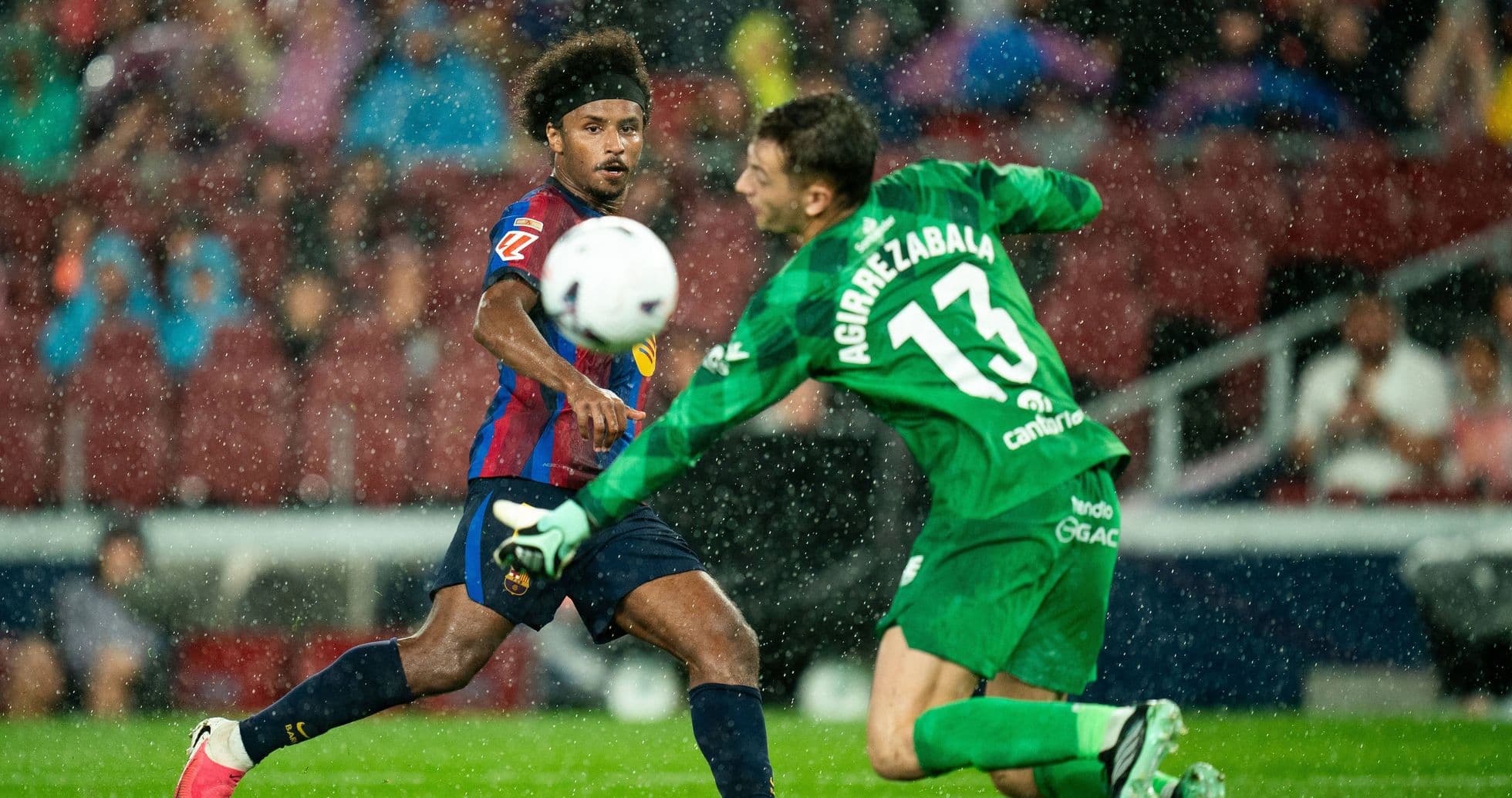
Hansi Flick Leads Barcelona to Record-Breaking Seven Wins in a Row
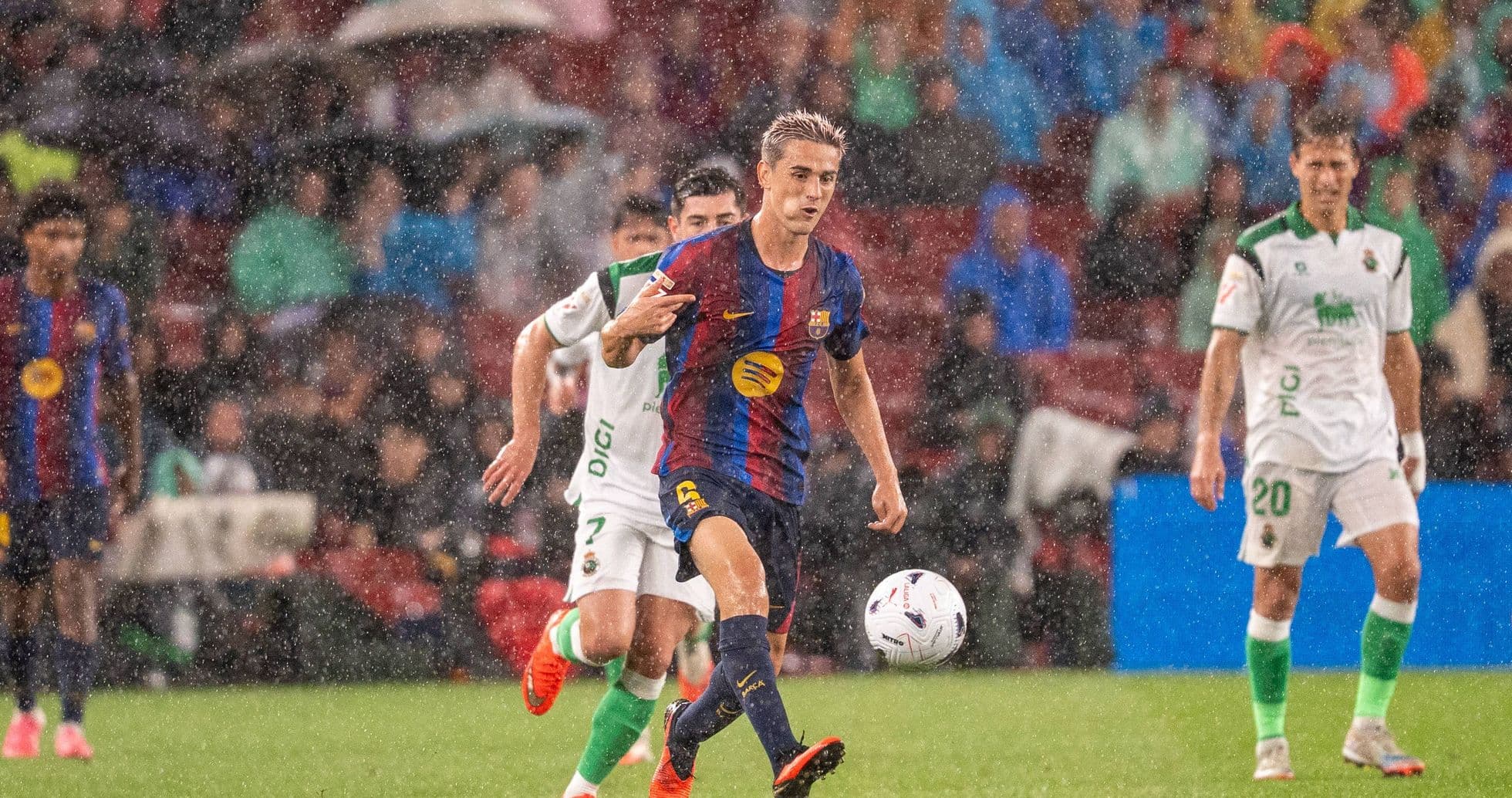
Gavi Reflects on Injury Return as Barcelona Dominate Racing Santander 7-2