
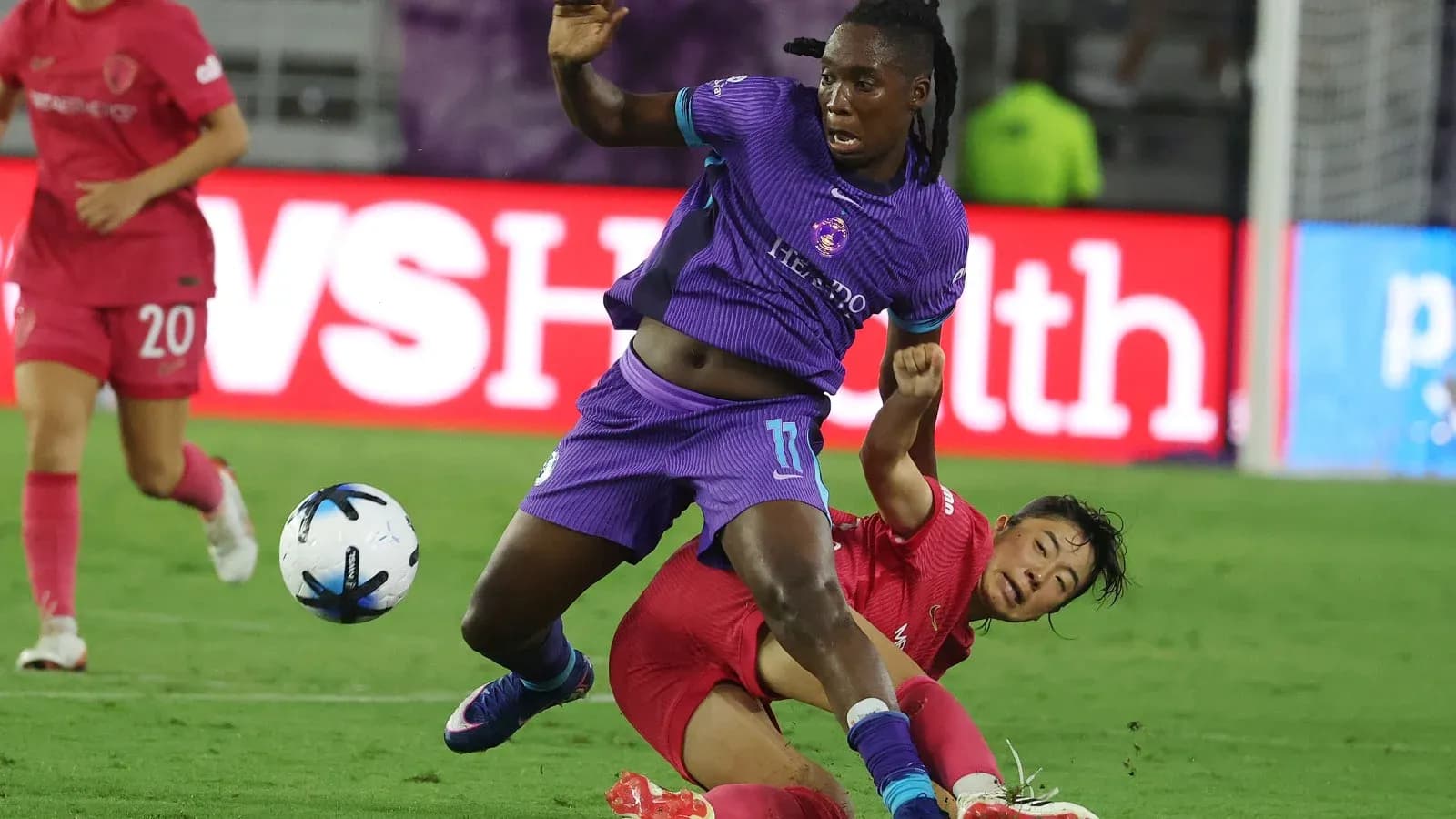
Orlando Pride W Tops North Carolina Courage W 1–0: A Tactical Analysis
Under the Orlando lights at Inter&Co Stadium, Orlando Pride W edged North Carolina Courage W 1–0, a result that crystallised the contrasting trajectories of two evolving projects in the NWSL Women 2026 season. Following this result, the table tells a clear story: Orlando sitting 7th with 11 points and a goal difference of 1 (12 scored, 11 conceded), North Carolina down in 13th on 9 points with a goal difference of -2 (9 scored, 11 conceded). The margins are fine, but the identities are diverging.
I. The Big Picture – A system finding its edge
Seb Hines doubled down on Orlando’s seasonal DNA with a 4-2-3-1 that has become almost ritual: the same shape has been used in all 8 league outings. The structure is simple but sharp. A back four in front of Anna Moorhouse, a double pivot of Ally Lemos and Haley Hanson, a mobile line of three – Solai Washington, Angelina Alonso Costantino, Summer Yates – all orbiting around the league’s most devastating outlet, Barbra Banda.
Orlando’s season numbers underline why this framework works. Overall they average 1.5 goals for per game, conceding 1.4. At home they are more volatile: 1.4 goals for and 1.6 against on their own pitch. The net effect is a narrow but positive overall goal difference of 1, and the sense of a side that lives on the edge but increasingly bends that chaos to its will.
Mak Lind’s Courage arrived with a more flexible, almost restless tactical profile. Across the season they have already deployed five different formations, with 4-3-3 the most common but far from exclusive. That flexibility has not yet hardened into consistency: overall they score 1.1 goals per game and concede 1.4, with their away profile particularly stark – just 0.8 goals for and 0.8 against on their travels. North Carolina can strangle games, but they struggle to open them.
II. Tactical Voids and the Discipline Line
There were no listed absentees in the data, which meant both coaches could lean into their preferred cores. For Orlando, that meant continuity in the back four of Oihane Hernández, Rafaelle Souza, Coriana Dyke and Hailie Mace, shielding Moorhouse and providing the launchpad for Banda’s vertical menace. For North Carolina, it meant a back line anchored by Uno Shiragaki and Natalia Staude, with Ryan Williams and Dani Weatherholt offering width and experience.
The disciplinary profiles of both teams framed the risk zones. Orlando’s yellow-card distribution this season shows a pronounced spike between 61–75 minutes, where 30.00% of their cautions arrive, and a secondary wave late: 20.00% from 76–90 and another 20.00% in 91–105. This is a side that grows more combative as fatigue and game-state pressure rise. North Carolina’s yellows peak even earlier in the second half: 40.00% between 46–60, with 20.00% from 76–90 and 10.00% in stoppage time. Add in their single red card, which has come in the 76–90 window (100.00% of their reds), and you see a pattern of emotional overload just as games reach their decisive phase.
Evelyn Ijeh’s profile embodies that edge. In 299 minutes she has committed 7 fouls and collected 2 yellows, operating as an aggressive front-line presser whose timing can tilt either way. Allyson Schlegel, the league’s standout in red-card stats with 1 dismissal, further underlines how thin North Carolina’s margin for error becomes once matches stretch.
III. Key Matchups – Hunter vs Shield, and the Engine Room
The headline duel was always going to be Barbra Banda against the Courage defensive unit. Banda has been the league’s most ruthless hunter: 7 goals in 8 appearances, from 30 shots with 19 on target, and an average rating of 7.87. She draws 19 fouls and commits 11, constantly destabilising back lines with her willingness to run at defenders (21 dribbles attempted, 6 successful) and to contest everything (79 duels, 33 won).
North Carolina’s “shield” is not a single player but a collective away profile: only 3 goals conceded in 4 away games, an average of 0.8 against on their travels, and 2 away clean sheets. Staude and Shiragaki were tasked with holding the central lane, while Williams’ dual role as creator and defender made her one of the game’s most important figures. Her season numbers – 3 assists, 283 passes at 85% accuracy, 10 key passes, 13 tackles and 8 interceptions – show a full-back who must both contain Banda’s channel runs and ignite Courage transitions.
The second key axis sat in midfield: the “engine room” of creativity versus control. For Orlando, even when not in the starting XI here, the shadow of Lizbeth Ovalle shapes their identity. Across the season she has 2 assists and 1 goal in 381 minutes, with 12 key passes and 10 dribble attempts (5 successful). Her presence in the squad, alongside technicians like Washington and Yates, defines a team comfortable playing through the thirds rather than simply serving Banda early.
For North Carolina, Ashley Sanchez is both playmaker and finisher. With 5 goals in 8 appearances, 11 key passes, 18 shots (11 on target) and 71 duels (29 won), she is the Courage’s attacking compass. Behind her, Shinomi Koyama and Manaka Matsukubo are asked to stitch phases together, but Sanchez remains the reference point Orlando had to crowd, bump and deny between the lines.
IV. Statistical Prognosis – Why 1–0 Felt Inevitable
Following this result, the numbers align neatly with the narrative of a narrow home win. Orlando came in with a balanced overall profile – 1.5 goals scored, 1.4 conceded – and a home record that suggested both vulnerability and punch. North Carolina’s away data, meanwhile, screamed “low-event”: 0.8 goals for and 0.8 against, two away clean sheets but also two away blanks in front of goal across the season.
Overlay that with the disciplinary curves and the picture sharpens. Orlando’s tendency to draw cards in the final half-hour mirrors Banda’s late-game threat; as the match opens up and tackles get looser, her ability to win fouls and drive at tired legs becomes decisive. North Carolina, whose yellows and single red cluster in the second half, are statistically more likely to lose defensive composure just when Banda’s influence peaks.
In a knockout context, this would read like a classic 1/8 final script: a higher-ranked side with a defined attacking star gradually grinding down a structurally sound but goal-shy opponent. In the group-stage reality of the NWSL Women, the same logic applied. Orlando’s stable 4-2-3-1, the vertical gravity of Banda, and a Courage attack that averages just 1.1 goals overall combined to make a one-goal margin not only plausible, but almost pre-written in the data.
The 1–0 scoreline at Inter&Co Stadium was not an accident; it was the natural intersection of a hunter at the peak of her powers, a shield that can only bend so far, and two squads whose statistical fingerprints already knew how this story was likely to end.
Related News
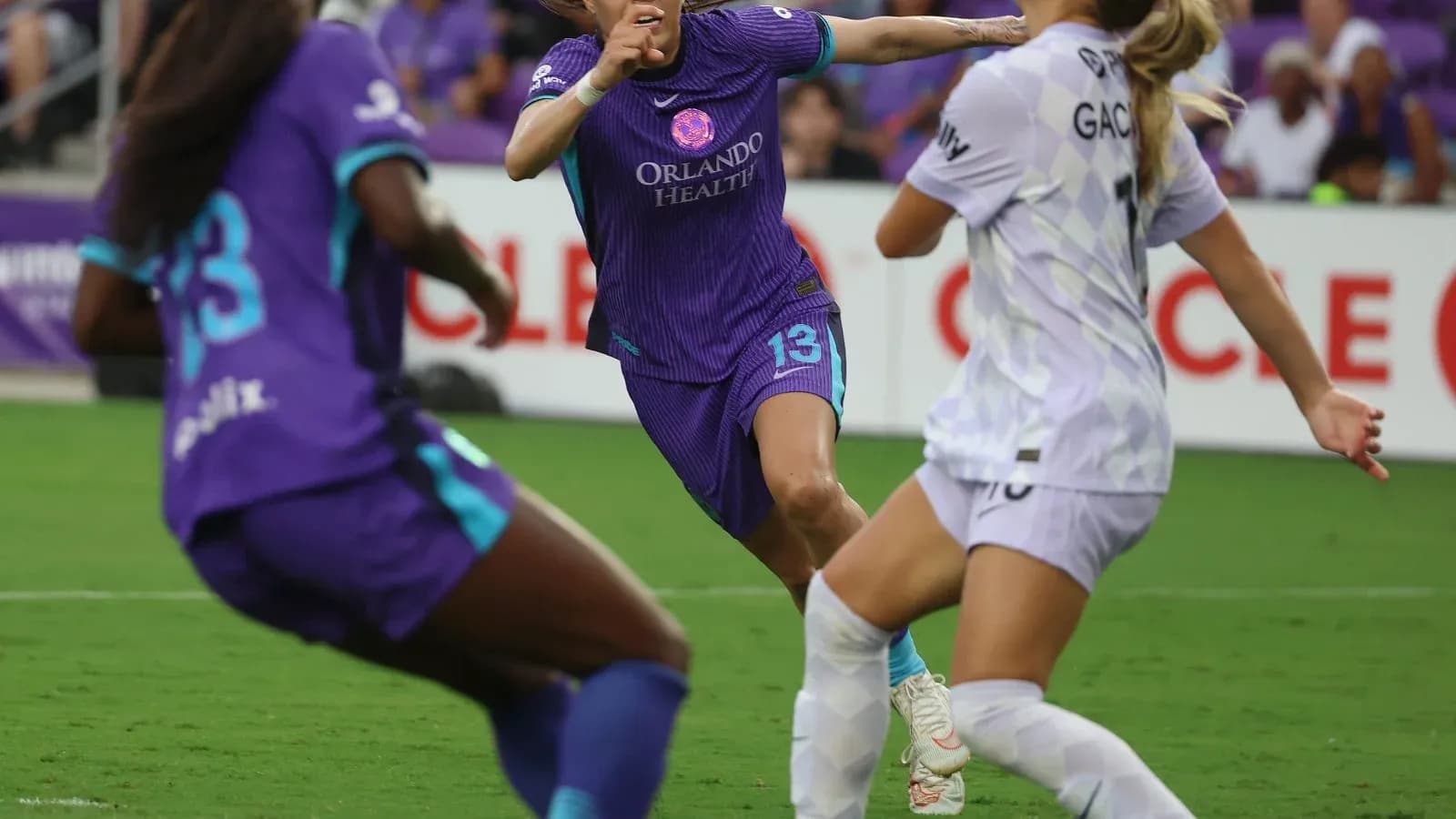
Orlando Pride W vs Portland Thorns W: Playoff Showdown
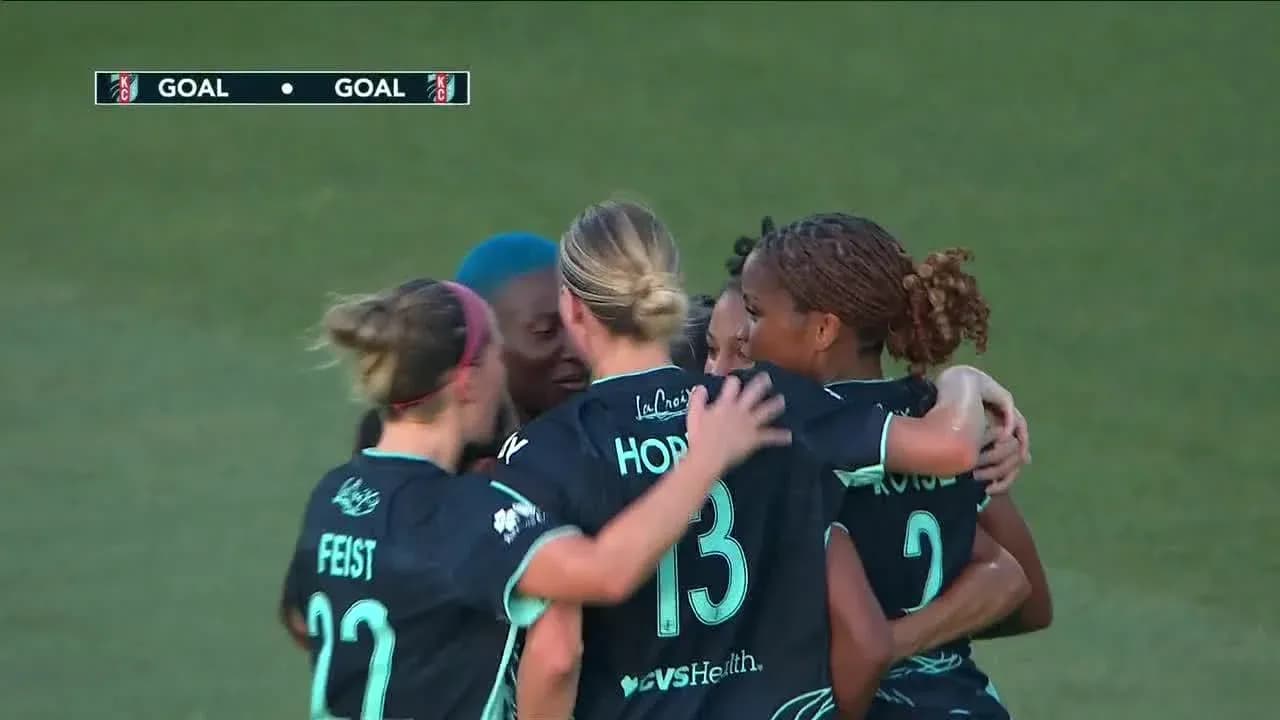
San Diego Wave W vs Kansas City W Predicted Lineups: Team News for NWSL Women
Orlando Pride W vs Portland Thorns W Prediction: Key Stats and Betting Tips
San Diego Wave W vs Kansas City W: Key NWSL Clash Preview
San Diego Wave W vs Kansas City W Prediction: Key Stats and Betting Tips
Portland Thorns and Chicago Red Stars Draw in NWSL Showdown