
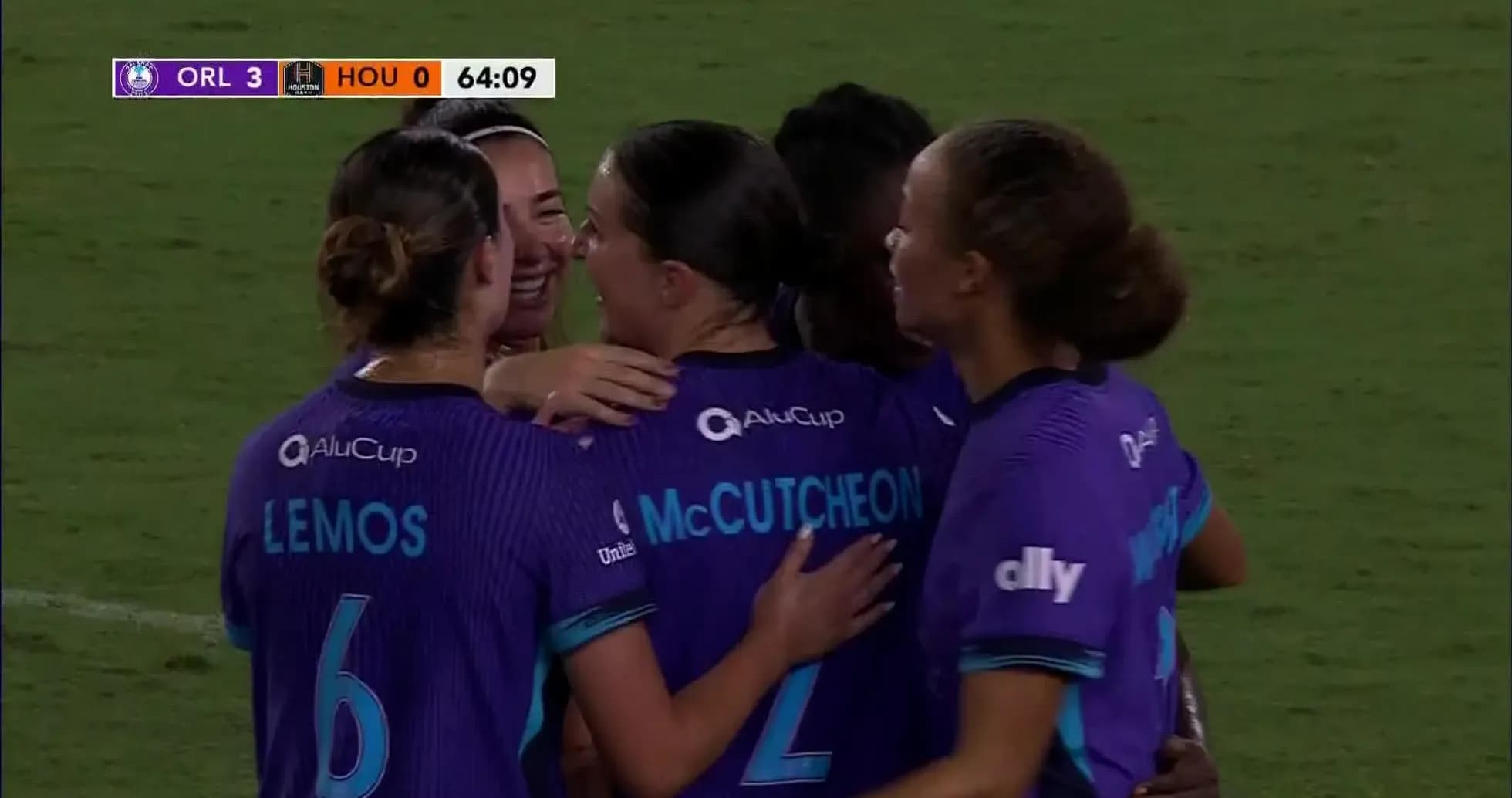
Orlando Pride Dominates Houston Dash 3–1 in NWSL Clash
Under the Orlando lights at Inter&Co Stadium, a mid-table Group Stage clash in the NWSL Women finished with a clear statement: Orlando Pride W 3–1 Houston Dash W. Two sides separated by just three points in the standings came in with contrasting identities but similar flaws, and over 90 minutes Orlando’s sharper structure and individual quality told.
I. The Big Picture – Two imperfect projects colliding
Heading into this game, Orlando sat 11th with 29 points from 23 matches, a goal difference of -5 (29 scored, 34 conceded). At home they had been volatile but dangerous: 12 games, 6 wins, 1 draw, 5 defeats, with 19 goals for and 16 against. That 1.6 home goals-per-game, against 1.3 conceded, painted them as a high-variance, front-foot side.
Houston arrived one place below in 12th on 26 points, with a goal difference of -4 overall (29 scored, 33 conceded). Their season split was stark: strong at home, fragile on their travels. On their travels they had played 12, winning just 2, drawing 2, and losing 8, scoring 10 and conceding 20. An away average of 0.8 goals scored and 1.7 conceded underlined why this trip to Orlando was always going to be a stress test.
The final scoreline mirrored those trends. Orlando, in a 4-4-2 under Yolanda Thomas, leaned into their home attacking edge, racing to a 2–0 half-time lead before closing it out 3–1. Houston, set up by Fabrice Gautrat in a 4-2-3-1, again found that their away defensive structure could not live with a top-tier individual like Barbra Banda nor with Orlando’s vertical transitions.
II. Tactical Voids – Discipline, risk, and what was missing
Neither side had a published list of absentees, so the story of “who wasn’t there” is written more in structural choices than missing names. For Orlando, the notable tactical shift was returning to a 4-4-2 despite having used 4-2-3-1 far more often this season. That tweak tilted the team toward directness, pairing L. Ovalle and B. Banda up top and asking the wide midfielders to work both ways.
This is a side that lives on the edge in terms of discipline. Overall, Orlando’s yellow cards are heavily clustered in the final half hour: 25.00% between 61–75 minutes and 21.43% between 76–90, with a red card on their record in the 61–75 window. Angelina, who started in midfield here, embodies that edge: across the season she has 2 yellows and 1 red, a combative presence in the engine room.
Houston’s disciplinary profile is different but no less risky. They accumulate yellows early and late, with 19.35% of their cautions in both the 16–30 and 76–90 ranges. Avery Patterson is central to that story: 6 yellow cards already this season, plus a place among the league’s leading tacklers and blockers. She plays right on the line, and in a match where Orlando’s forwards were constantly running at the back four, that aggression was always going to be tested.
On the penalty front, Orlando’s season-long record is a genuine tactical concern. They have earned 4 penalties in total but converted only 2, missing 2 – a 50.00% success rate that undermines their attacking volume. Houston, by contrast, have been far more clinical from the spot: 5 penalties, 4 scored and only 1 missed, an 80.00% return. In a tight table, that difference in dead-ball ruthlessness matters.
III. Key Matchups – Hunter vs Shield, and the battle for control
The headline duel was never in doubt: Barbra Banda versus the Houston defensive unit. Banda entered this fixture as one of the league’s elite forwards: 12 goals and 1 assist in 19 appearances, with 53 shots (30 on target) and a 7.64 average rating. She is not just a finisher but an all-phase threat, with 17 key passes, 39 dribble attempts, and 29 fouls drawn. Her presence in a two-striker system with Ovalle gave Orlando a constant vertical outlet.
Houston’s “shield” against her was a back four anchored by N. M. Bain and L. Klenke, with Patterson and C. Hardin as full-backs. Structurally, the Dash had conceded 20 goals on their travels heading into this game, and that away fragility showed. Banda’s movement between the lines and into the channels forced the full-backs to narrow, opening space for H. Mace and O. Hernandez to advance from the Orlando back line.
In midfield, the “engine room” confrontation was absorbing. For Orlando, Angelina and A. Lemos formed the central core, with S. Yates and H. McCutcheon flanking them. Angelina’s season numbers tell you why Thomas trusts her: 481 passes at 78% accuracy, 22 tackles, 13 interceptions, and those hard-edge cards. She is the metronome and the enforcer in one.
Opposite her, Houston built their structure around D. Colaprico and M. Graham as the double pivot, with K. Rader ahead. Colaprico has been one of the league’s most industrious midfielders: 468 passes at 80% accuracy, 32 tackles, 10 blocks, 21 interceptions, and 4 yellow cards. Rader, meanwhile, is the creative spear: 8 goals, 1 assist, 31 shots (20 on target), 24 key passes, and 43 dribble attempts. In theory, this trio should have been able to slow Orlando’s transitions and feed K. Faasse up top.
In practice, Orlando’s 4-4-2 flattened Houston’s midfield. With two forwards pressing the centre-backs and the wide midfielders jumping onto the full-backs, Colaprico and Graham were often screened from simple outlets. Rader, forced deeper to receive, was dragged away from the pockets where she is most dangerous. The Dash’s 4-2-3-1 became a 4-5-1 under pressure, leaving Faasse isolated and allowing Orlando’s centre-backs C. Dyke and H. Anderson to defend aggressively on the front foot.
IV. Statistical Prognosis – Why the scoreline made sense
From a season-long statistical lens, this 3–1 home win fits the underlying patterns. Orlando’s overall scoring average of 1.3 goals per game rises to 1.6 at home, and they have hit three goals in their biggest home wins. Houston’s away defensive average of 1.7 goals conceded again crept higher under sustained pressure.
Defensively, Orlando remain imperfect – they concede 1.5 goals per game overall and have only 7 clean sheets in total – but at home they tend to outgun rather than outlast opponents. Houston, with just 1 away clean sheet all season and 8 away defeats heading into this match, were always vulnerable to an early onslaught. The 2–0 half-time score reflected Orlando’s intent and Houston’s slow-start tendencies.
Overlaying the disciplinary and penalty data strengthens the verdict. Orlando’s willingness to play on the edge in midfield, with Angelina snapping into duels, disrupted Houston’s rhythm. Their season-long penalty struggles did not cost them here, but they remain a tactical red flag. Houston’s reliance on Rader’s creativity and Colaprico’s control could not compensate for structural issues in wide areas and in transition defence.
Following this result, Orlando’s attacking blueprint – a direct 4-4-2 with Banda as the spearhead and a hard-running midfield behind – looks increasingly coherent at home. Houston’s story is more troubling: a side with enough talent in the middle third but an away defensive profile that continues to betray them. On the evidence of this 3–1, the numbers and the narrative are aligned: Orlando are a flawed but dangerous home side; Houston, on their travels, remain a soft target for elite forwards.
Related News
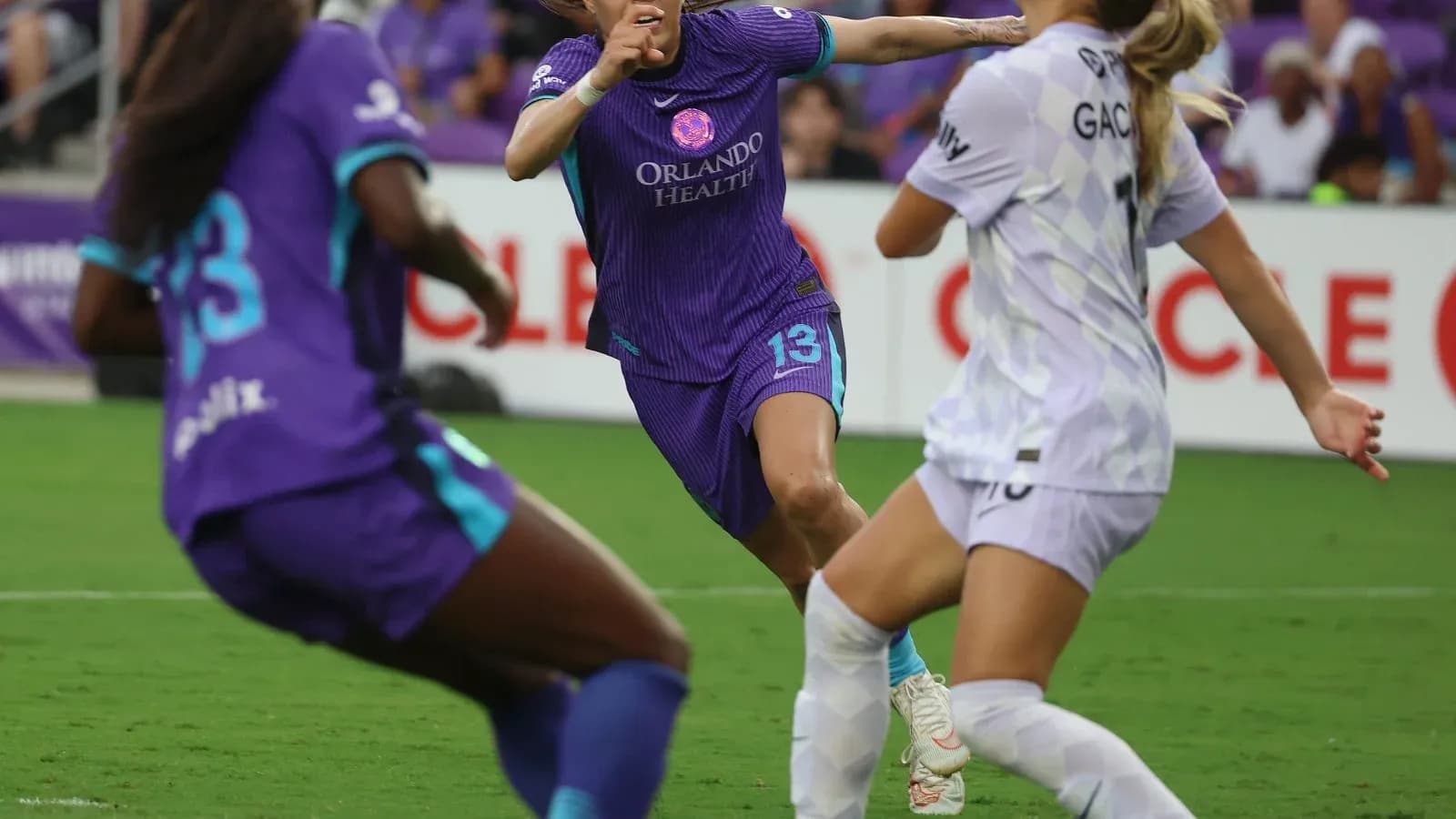
Orlando Pride W vs Portland Thorns W: Playoff Showdown

San Diego Wave W vs Kansas City W Predicted Lineups: Team News for NWSL Women
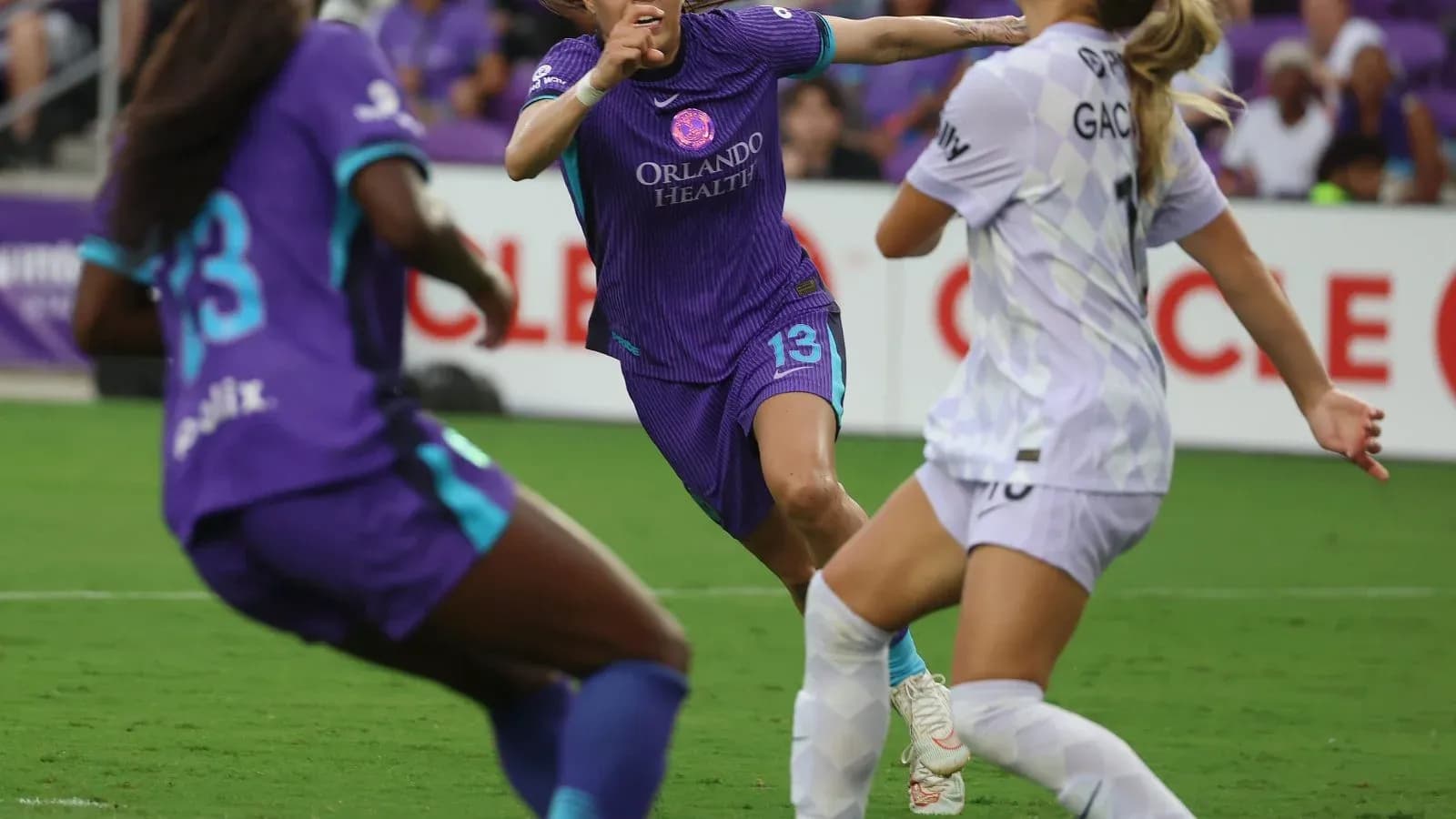
Orlando Pride W vs Portland Thorns W Prediction: Key Stats and Betting Tips

San Diego Wave W vs Kansas City W: Key NWSL Clash Preview
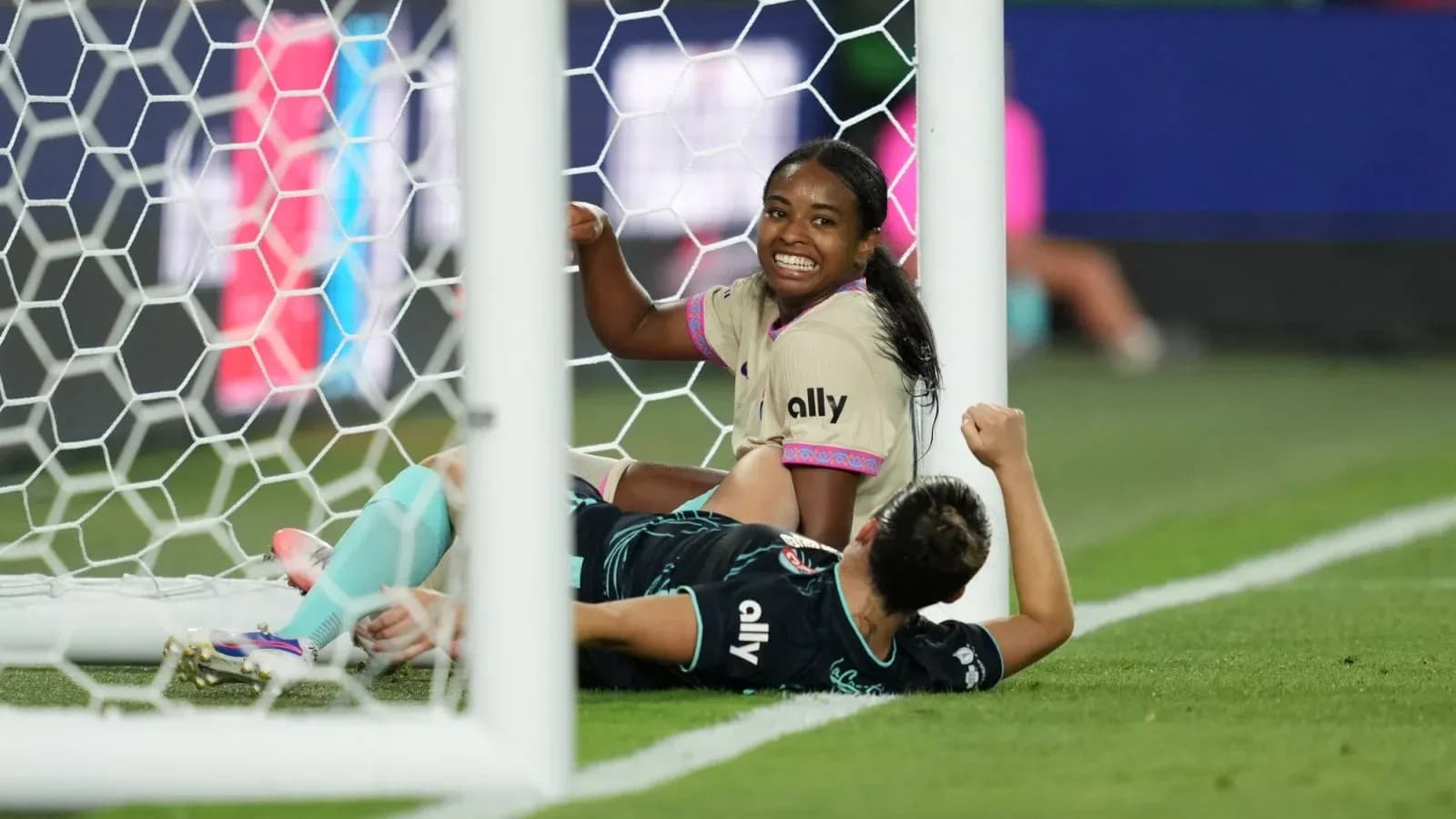
San Diego Wave W vs Kansas City W Prediction: Key Stats and Betting Tips
Portland Thorns and Chicago Red Stars Draw in NWSL Showdown