
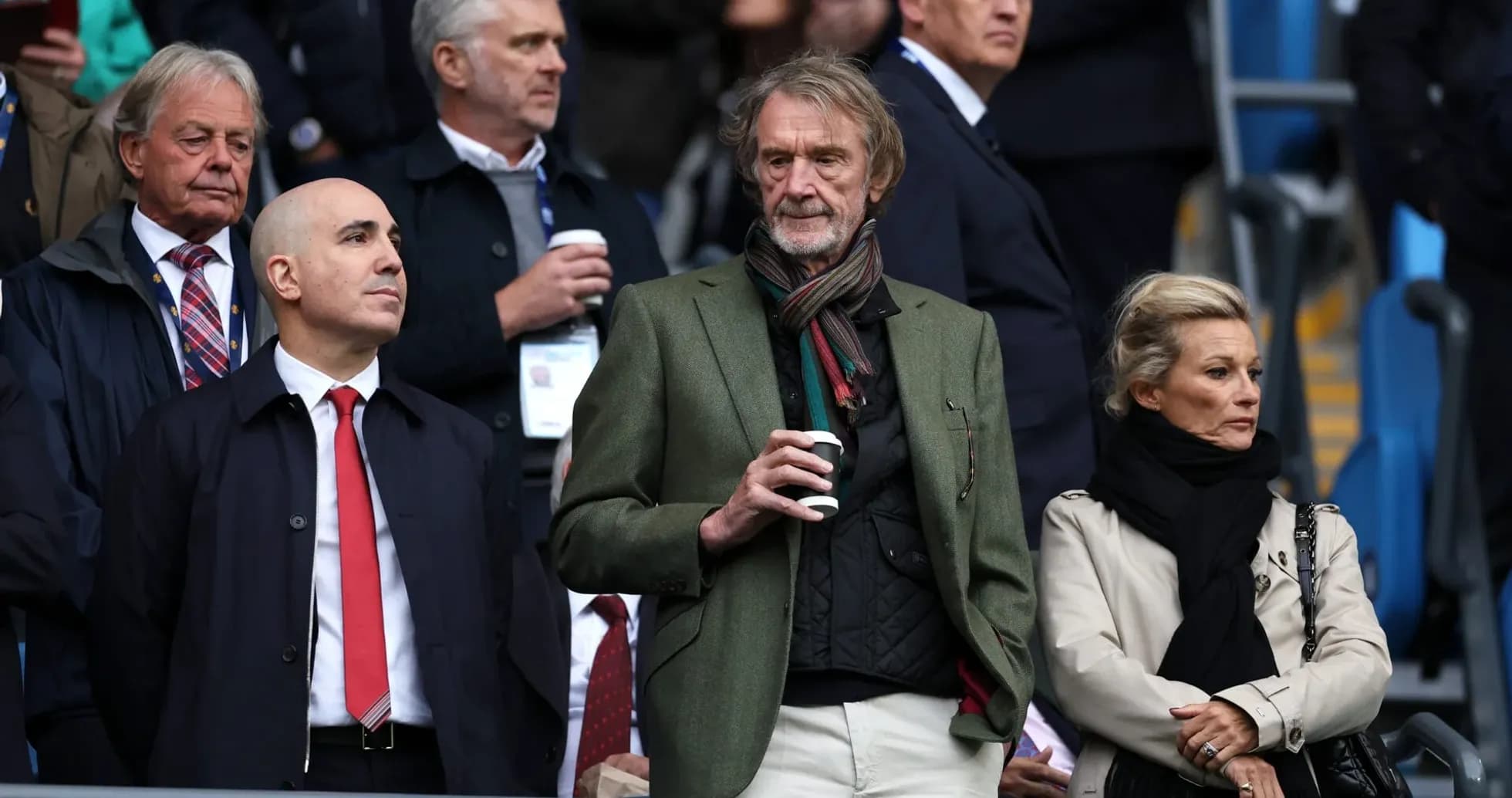
Old Trafford’s Future: Who Will Fund the New Theatre of Dreams?
Manchester United have finally cleared the biggest physical obstacle to building a new stadium. The club have secured land on Wharfside, across from the now-abandoned Freightliner site, removing the major logistical block that had stalled plans for a vast new 100,000-seater home.
The dream has a postcode now. What it doesn’t have is a clear way to get paid for.
Land secured, questions multiply
The Wharfside acquisition is no small step. It gives United a viable footprint for what is being billed as a grand, modern replacement for Old Trafford, a venue capable of matching the club’s global scale and the Premier League’s elite. The Freightliner land had become unworkable; this new site opens the door that had been bolted shut.
But as soon as that door creaked open, the political landscape shifted.
Andy Burnham, a key supporter of using government money to fund broader regeneration around the stadium – though not the stadium itself – is set to leave his role as mayor of Manchester and become Prime Minister. His stance had offered United some hope of public backing for the wider project that would surround a new Old Trafford.
That safety net now looks far less certain. And that pushes Sir Jim Ratcliffe and his team towards far tougher choices.
The most emotive of all sits at the heart of United’s identity: What price, if any, would they accept to sell the naming rights to Old Trafford?
Heritage versus hard cash
This is where romance collides head‑on with reality.
Old Trafford is more than a ground. It’s a brand, a memory bank, a symbol. Changing its name would be sacrilege to many supporters. But the scale of what United want to build, and the financial climate they are trying to build it in, means sentiment alone won’t pour concrete or pay interest.
Adam Williams, GRV Media’s head of football finance, paints a stark picture of the numbers. He believes United will struggle to fund a new stadium without selling stakes in the club or the stadium vehicle itself.
His comparison point is Tottenham Hotspur, who opened their own state-of-the-art ground in a very different economic era. Spurs locked in much of their stadium debt at historically low interest rates, between two and three per cent. Today, the Bank of England base rate stands at 3.75 per cent, and any lender eyeing United will add a hefty premium on top.
The recent refinancing of $425m in notes, at 5.36 per cent, underlines the direction of travel. That might not even be the ceiling. Lenders will look at risk. Spurs had “next to no debt” when they borrowed to build their stadium. United are already carrying around £1.4bn, before even counting transfer-related obligations.
Then there is Ineos. The conglomerate’s credit rating has been downgraded by several agencies in recent years, reducing the comfort level for external financiers and nudging rates higher again. Put simply, Williams argues, United will probably pay roughly double the interest rate Spurs secured.
And that’s before you even get to the cost of building the thing.
A £2bn project in a more expensive world
Construction is not what it was when Tottenham broke ground. Raw materials are pricier. Labour has been hit by geopolitical shocks and supply chain issues. The £2bn figure United have floated for a new stadium? Many experts Williams has spoken to see that as optimistic.
Large-scale capital projects overrun. On time, on budget is the exception, not the rule. United are likely to need to borrow more than Spurs did, at a higher rate, to build a more expensive stadium.
That combination is brutal.
“It’s going to be a monumentally complex financing project,” Williams says, predicting a patchwork of personal seat licences, bonds, loans, equity injections and naming rights to pull it together. The key test will be whether the stadium can generate enough profit – not just revenue – to justify the burden.
Spurs offer a warning as well as a template. Their matchday income has almost quadrupled since leaving White Hart Lane, yet they still lose money in most seasons. There are factors beyond stadium financing at play, but the lesson is clear: an extra £100m in matchday and sponsorship income doesn’t automatically wipe out interest costs and operating expenses.
The asset must generate profit, not just headlines.
The cost of soul
Williams boils United’s options down to three broad routes:
- A) Sell a stake in the club or carve the stadium out as a standalone business and sell a slice of that.
- B) Launch another IPO.
- C) Squeeze every possible penny out of supporters and commercial partners at the new ground – personal seat licences, aggressive pricing, heavy commercialisation – to the point where, yes, the numbers might work in the short term, but the club’s soul takes the hit.
That last option is the nightmare scenario for many fans: a glittering bowl financed by sky‑high ticket prices, relentless upselling and a naming-rights deal that erases “Old Trafford” from the front of the building.
The tension between heritage and revenue has never been sharper.
Debt, delay and a moving deadline
United’s recent refinancing – replacing $425m of debt with a $500m deal – only adds to supporter unease. Some will see it as part of a broader Sir Jim Ratcliffe masterplan to restructure the club’s finances ahead of a stadium push. Others will view it as another turn of the debt screw, another reminder of the Glazers’ long shadow.
What’s not in dispute is the calendar.
When the stadium vision was first outlined back in 2025, the target was completion by 2031. That date already feels distant. We are now five months from 2027 and construction hasn’t even started. No shovels in the ground, no cranes on the skyline. Just plans, projections and land.
The funding question now dominates everything. United do have options, but none are quick, clean or painless. Each potential route – equity sales, bond issues, naming rights, fan‑focused schemes – takes time to structure, negotiate and approve. Each carries trade‑offs in control, cost or culture.
The club’s latest ambition is clear enough: they want the new stadium to host the 2035 Women’s Euros final. That sets a fresh, unofficial deadline. Nine years to design, fund, build and open a venue worthy of that stage.
But the clock doesn’t truly start until the first phase of construction begins. Until then, timelines are little more than moving targets.
For now, United have the land and the vision. What they don’t yet have is the answer to the only question that really matters: who, ultimately, will pay for the next Theatre of Dreams – and what will it cost the club to get there?
Related News

Raphinha’s Hat-Trick Powers Barcelona to 7-2 Victory Over Racing Santander
Carabao Cup Fourth Round Draw: Liverpool Set to Clash with Chelsea, Arsenal to Face Fleetwood Town
Key Football Matches to Watch in Azerbaijan This Autumn

Raphinha's Hat-Trick Drives Barcelona to 7-2 Triumph Over Racing Santander

Hansi Flick Leads Barcelona to Record-Breaking Seven Wins in a Row

Gavi Reflects on Injury Return as Barcelona Dominate Racing Santander 7-2