
NWSL Women: Portland Thorns vs Washington Spirit Tactical Analysis
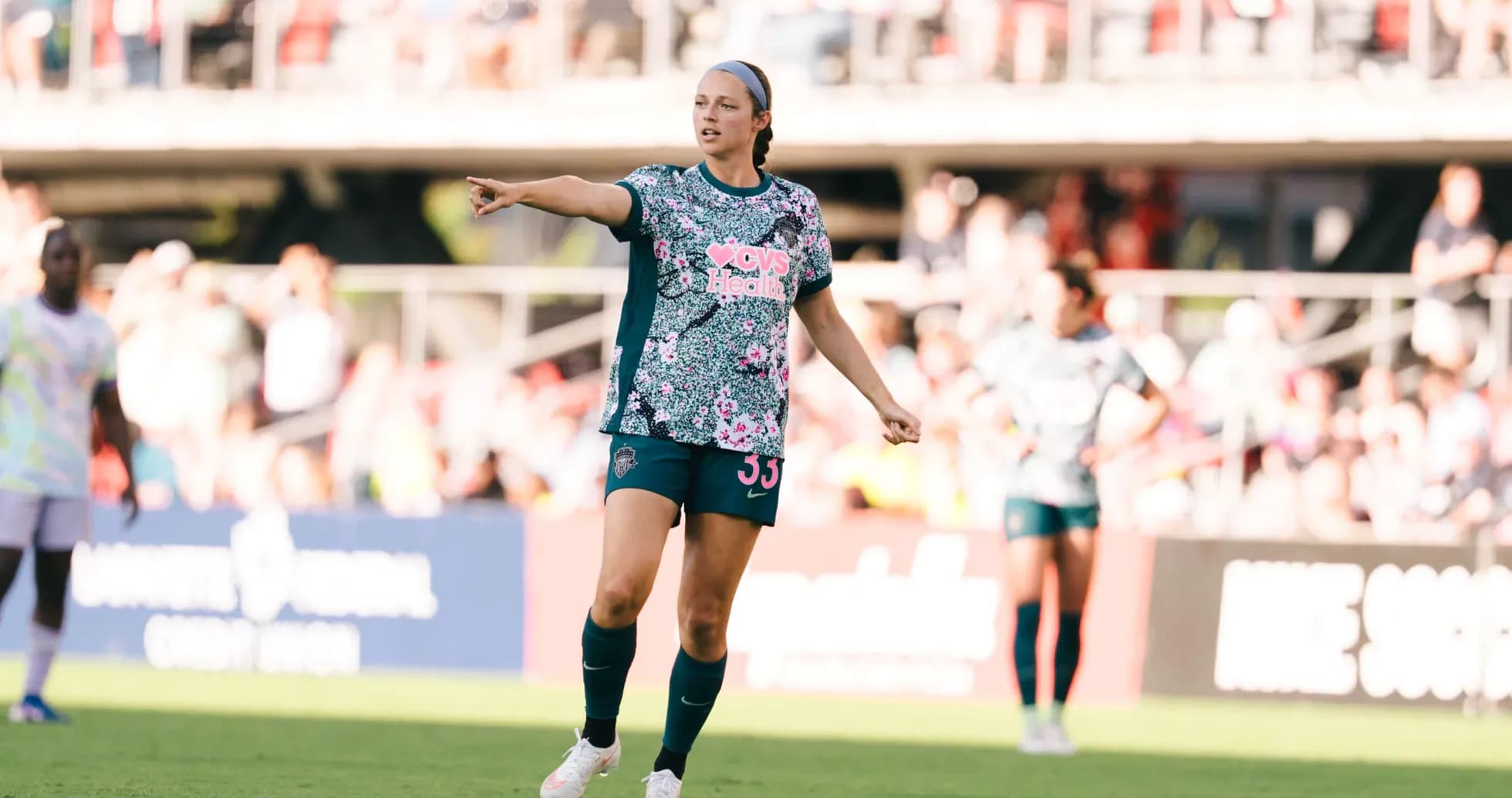
Providence Park under floodlights has rarely felt as tense as it did for this Group Stage meeting in the NWSL Women: a playoff-chasing Portland Thorns W side, sixth with 38 points and a goal difference of 5 (37 scored, 32 conceded in total), against a Washington Spirit W team sitting second on 43 points with a total goal difference of 13 (33 for, 20 against). It finished 2–1 to the visitors, a result that felt like a tactical arm wrestle as much as a statement of intent from a Spirit side built on defensive control and transition ruthlessness.
I. The Big Picture – Styles in Collision
Heading into this game, Portland were one of the league’s most volatile teams: 11 wins, 5 draws and 7 defeats in total, with a pronounced home fortress identity. At Providence Park they had played 11 league matches, winning 7, drawing 3 and losing just 1, scoring 20 and conceding only 7. Their attacking profile is front‑loaded and chaotic: 37 total goals, averaging 1.6 per match overall, with a striking 27.03% of those coming in the opening 0–15 minutes and another 18.92% in the 76–90 window. They start fast and finish fast, but in between can lose control.
Washington, by contrast, arrived as a more balanced machine: 13 total wins, 4 draws and 6 defeats, with 33 goals scored and only 20 conceded overall. On their travels they had been outstanding: 7 away wins, 3 draws and just 2 defeats, scoring 18 and conceding 10, an away average of 1.5 goals for and 0.8 against. Their defensive record – 0.9 goals conceded per match overall – framed this as a duel between Portland’s surging attacking waves and one of the league’s most disciplined back fours.
Portland lined up in their familiar 4‑2‑3‑1 under Robert Vilahamn, with M. Arnold in goal behind a back line of M. Vignola, J. Perry, S. Hiatt and C. Calzada. The double pivot of J. Fleming and N. Nijstad was tasked with connecting to an aggressive band of three – M. Weaver, P. Tordin and R. Turner – supporting lone forward S. Wilson. It is a shape Portland have leaned on heavily this season, having used 4‑2‑3‑1 in 17 league matches.
Adrian Gonzalez matched structure with a 4‑3‑3, one of three shapes Washington have alternated between, but here it was clearly chosen to press Portland’s build‑up and exploit wide spaces. Sandy MacIver started in goal, shielded by a back four of G. Carle, E. Morgan, T. Rudd and P. Metayer. The midfield trio of H. Hershfelt, M. Ngock and M. Bethi provided legs and balance, while the front three of T. Rodman, S. Cantore and R. Kouassi offered pace and directness in transition.
II. Tactical Voids – Discipline and Risk
Portland’s season‑long discipline profile hinted at a potential fault line. They are one of the more card‑prone sides in the league, with yellow cards clustering late: 21.43% between 61–75 minutes and another 21.43% between 76–90. That tendency to become stretched and emotional as matches wear on has already produced consequences; J. Perry, starting at the heart of the defence here, is among the league leaders for both yellow and red cards, with 5 yellows and 1 red and a reputation for full‑blooded duels. R. Reyes and C. Bogere, both on the bench, also carry red‑card histories this season, underlining how thin the margin is when Portland defend under pressure.
Washington’s card map is calmer but still spikes late, with 20.83% of their yellows in the 76–90 window. In a tight away fixture like this, that risk of late bookings and tactical fouls was always going to be a subplot, especially against Portland’s late‑game attacking surge.
Penalties added another layer of psychology. Portland had been perfect from the spot in total, scoring all 5 penalties and missing none. Washington, however, had a split record: 2 penalties in total, with 1 scored and 1 missed. That 50.00% conversion rate meant any spot‑kick on the night would have felt far from routine for the visitors.
III. Key Matchups – Hunter vs Shield, Engine Room vs Enforcer
The marquee attacking narrative belonged to players who were not all in the starting XI here but whose season arcs shaped the game’s expectations.
For Portland, S. Smith has been one of the league’s elite forwards: 10 total goals and 1 assist in 23 appearances, with 60 shots and 37 on target. Her presence in the wider squad forces defences to drop deeper, creating space for others like P. Tordin and O. Moultrie to operate between the lines. Tordin, who did start here in the No. 10 band, has been one of the league’s most influential creators: 6 goals and 7 assists in total, with 36 key passes and a 71% pass accuracy. Her 206 total duels and 100 won speak to a playmaker who also relishes contact, vital against a compact Spirit midfield.
On the other side, T. Rodman has been Washington’s two‑way superstar. With 8 total goals and 4 assists, 55 shots and 23 on target, plus 199 duels (95 won), she embodies the “Hunter vs Shield” dynamic. Up against a Portland defence that concedes 1.4 goals per match in total and is particularly vulnerable late – 31.25% of their goals against arrive between 76–90 minutes – Rodman’s ability to sustain intensity into the final quarter was always going to be decisive. Her 63 dribble attempts and 19 successes underline a willingness to keep running at tired legs.
In midfield, the “Engine Room” battle pitted Portland’s technical double pivot against Washington’s blend of control and bite. J. Fleming’s distribution and N. Nijstad’s balance had to cope with the work rate of M. Ngock and the positional discipline of H. Hershfelt. From the bench, A. Sullivan loomed as Washington’s enforcer option: 260 total passes at 86% accuracy, 10 tackles and 10 interceptions, plus a history of heavy challenges that has already produced 2 yellows and a yellow‑red this season. Her introduction in many games has been about closing doors in the final 20 minutes.
Behind them, the defensive “Shield” for Washington – Carle, Morgan, Rudd and Metayer – had been part of an away unit conceding only 10 goals in 12 road matches heading into this fixture. Up against a Portland side averaging 1.8 goals at home and scoring 27.03% of their total goals in the first 15 minutes, their early‑phase defensive organisation was always going to be tested. That they went in 1–0 down at half‑time spoke to Portland’s capacity to start on the front foot, but the Spirit’s response after the break underlined why they are second in the table.
IV. Statistical Prognosis – Why the Spirit Edge Held
Overlaying the numbers, Washington’s 2–1 comeback win fits the season‑long patterns. Portland’s total goals against map shows a dangerous late‑game weakness: 31.25% of their concessions arrive in the 76–90 window, precisely when their own attacking intensity also spikes to 18.92% of goals scored. Matches involving the Thorns tend to become stretched and chaotic in the final quarter, and that chaos favours a transition‑savvy front three like Rodman, Cantore and Kouassi.
Washington’s defensive solidity – 0.8 goals conceded away on average, 9 clean sheets overall – gave them the platform to absorb Portland’s early surge and then gradually tilt the game. Their superior total goal difference of 13 versus Portland’s 5, combined with a more consistent form line and a proven away record of 7 wins in 12, always suggested they were better equipped to manage the fine margins of a tight Group Stage contest.
Following this result, the narrative crystallises: Portland remain a high‑ceiling, high‑variance side whose home strength is undermined by late‑game defensive lapses and disciplinary risk. Washington, by contrast, look every inch a playoff contender – structurally sound, tactically adaptable, and led by a frontline, with Rodman at its heart, that can punish any crack that appears as legs tire and nerves fray.
Related News
Orlando Pride W vs Portland Thorns W: Playoff Showdown
San Diego Wave W vs Kansas City W Predicted Lineups: Team News for NWSL Women
Orlando Pride W vs Portland Thorns W Prediction: Key Stats and Betting Tips
San Diego Wave W vs Kansas City W: Key NWSL Clash Preview
San Diego Wave W vs Kansas City W Prediction: Key Stats and Betting Tips
Portland Thorns and Chicago Red Stars Draw in NWSL Showdown