
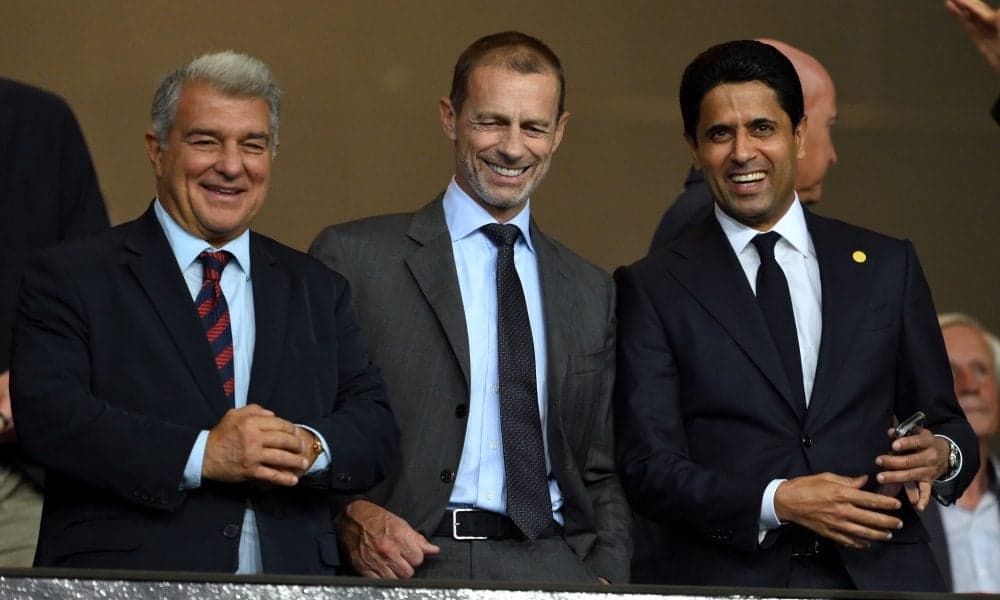
Negreira Storm: Madrid's Push for UEFA Action
The Negreira storm refuses to blow over in Spanish football. A day after Florentino Pérez branded it “the biggest scandal in history” and took direct aim at Barcelona, the aftershocks are rattling boardrooms from Madrid to Nyon.
Real Madrid are not hiding their intentions. They want UEFA involved. They want sanctions. And they believe European regulations give them a route that Spanish bodies have not taken.
But the law, for now, is not on their side.
Madrid’s push, UEFA’s wall
The strategy in Madrid is clear: if the domestic route has stalled, lean on UEFA. At the heart of their hope lies Article 4 of UEFA’s disciplinary regulations, which allows the governing body to act on matters that damage the image of European football.
On paper, it sounds like fertile ground for a case as explosive as Negreira. Payments to a former vice-president of the referees’ committee from 2001 to 2018, revealed in 2023 by Cadena SER, have created a cloud that will not shift over Camp Nou.
But when the lawyers step in, the picture changes.
A detailed breakdown from Mundo Deportivo underlines the obstacle everyone keeps running into: time. Not politics. Not lack of will. Time.
The statute of limitations shuts the door
Spanish football’s own rulebook is blunt. Article 9 of the RFEF Disciplinary Code sets a three-year statute of limitations for very serious infractions, counted from the day after the infringement took place.
The last alleged payments in the Negreira case date back to 2018. The story only exploded into the public domain in 2023. By then, the three-year window for sporting sanctions had already closed. No matter how loud the outrage, the clock had already done its work.
That same logic stretches beyond Spain. UEFA’s disciplinary framework operates with an equivalent limitation structure. Even if Article 4 gives UEFA broad powers to protect the integrity of the game, those powers still sit inside a legal frame that includes deadlines.
Once those deadlines pass, the hands of the disciplinary bodies are tied.
National bodies stuck in the same bind
It is not just UEFA that finds itself blocked. In Spain, both the CSD and the RFEF have been unable to move against Barcelona on disciplinary grounds for the same reason. The alleged conduct may be under judicial scrutiny, but in sporting terms, the window has slammed shut.
UEFA is not bound by Spanish court rulings when it comes to its own competitions, yet it cannot simply ignore its own statutes. The expiry of the disciplinary period is a hard stop.
So the Negreira case continues to rage in the public arena, in political corridors, and in courtrooms. But on the sporting side, where Real Madrid are pushing hardest for a UEFA hammer blow, the key question is no longer moral or emotional.
It is brutally simple: how do you punish what the rulebook now considers too old to touch?
Related News

Raphinha’s Hat-Trick Powers Barcelona to 7-2 Victory Over Racing Santander
Carabao Cup Fourth Round Draw: Liverpool Set to Clash with Chelsea, Arsenal to Face Fleetwood Town
Key Football Matches to Watch in Azerbaijan This Autumn
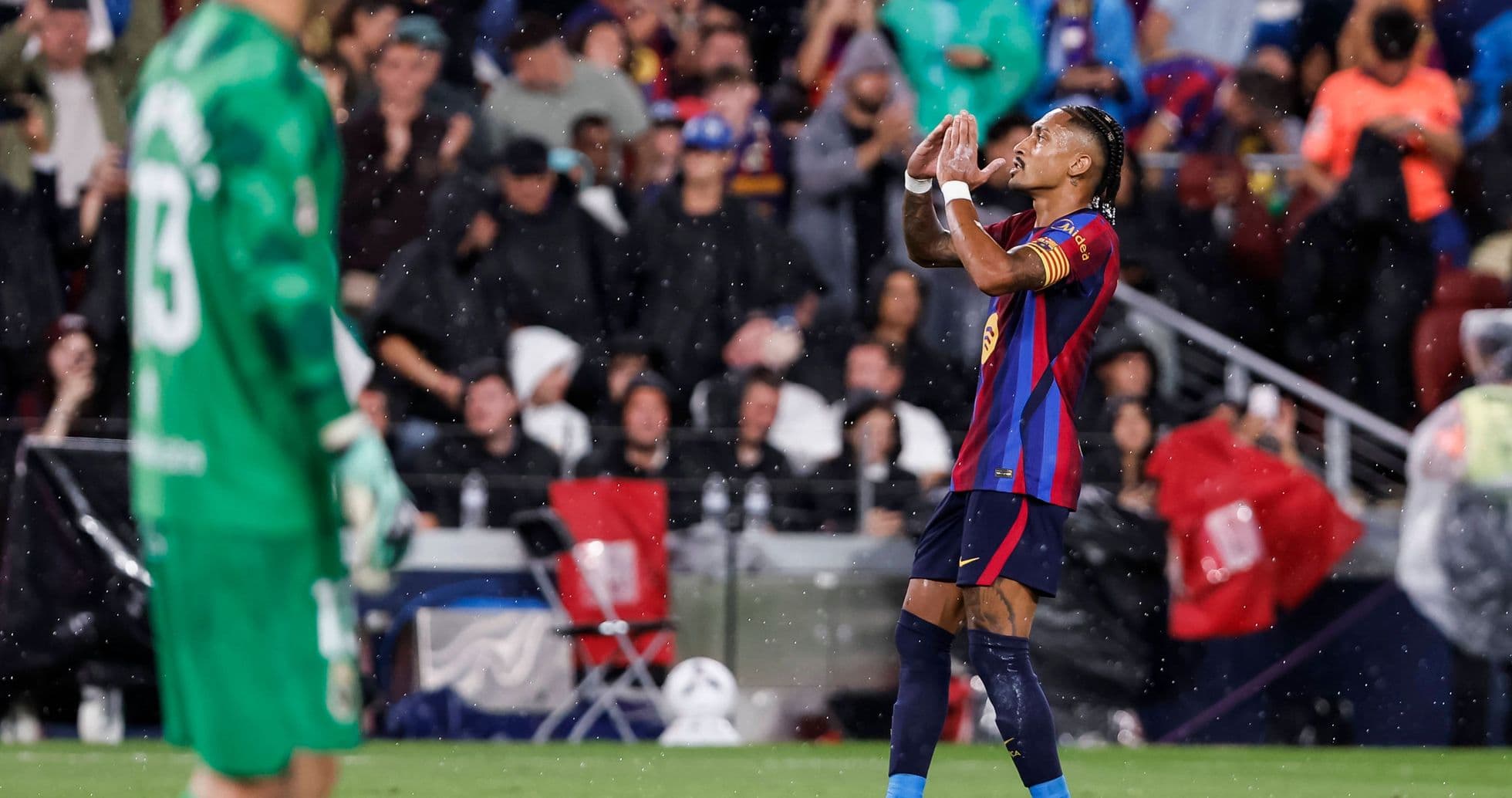
Raphinha's Hat-Trick Drives Barcelona to 7-2 Triumph Over Racing Santander
Hansi Flick Leads Barcelona to Record-Breaking Seven Wins in a Row

Gavi Reflects on Injury Return as Barcelona Dominate Racing Santander 7-2