
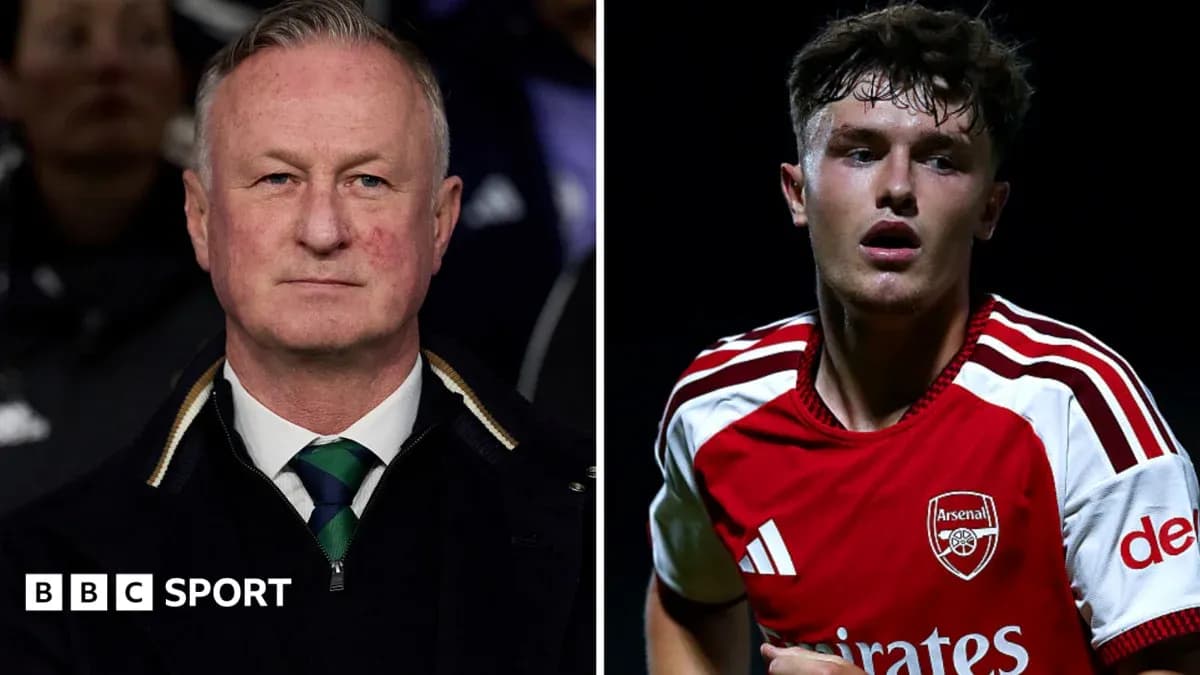
Michael O'Neill's Concerns on Teenage International Transfers
Michael O'Neill does not flinch when the subject comes up. He has lived with it for years. But what still cuts through his usually measured tone is one thing: watching teenagers pushed into a decision that will shape the rest of their international lives.
What angers him most is not that players born in Northern Ireland can choose between his team and the Republic of Ireland. It is that the choice, once made, cannot be undone.
Under Fifa rules, any player born in Northern Ireland is eligible for both associations. Yet an application to switch international allegiance can only be made once. No rewinds. No second chances.
That rule is back under the microscope because of Arsenal youngster Ceadach O'Neill. The teenager already has two senior caps for Northern Ireland and on Tuesday was named in Michael O'Neill’s squad for a Nations League quadruple-header. At the same time, he has been the subject of an approach from the Republic of Ireland.
Right now, if Ceadach wants to play for the Republic at any level, he would have to file a formal Fifa transfer of international allegiance. If he appears in this upcoming block of Nations League games, he would then have to wait until he turns 21 to make that move. If he reaches four senior caps, the door closes completely. No switch, ever.
Michael O'Neill's Stance
Against that backdrop, Michael O’Neill’s stance is clear.
"My focus is on the player, and I have a duty of care to the player as his international manager, as we have as an association as well," he said.
"He's been in our pathway since he's been a young boy. He's been part of our academy. He's obviously had an approach from another association, which happens.
"The thing that upsets me the most in this is that putting a young player in a position to make an international transfer before he's been a professional for even two years is, I think, not the right thing. It's not something that any association should be doing."
The backdrop is unlike anywhere else in world football. Under the Good Friday Agreement, those born in Northern Ireland can hold both British and Irish passports. A 2010 Court of Arbitration for Sport ruling then cemented the Republic of Ireland’s right to select players born anywhere on the island, regardless of traditional eligibility routes such as birthplace, parentage, grandparentage or five years’ residence.
That ruling opened one door wide. Another stayed firmly shut. Players born in the Republic of Ireland cannot represent Northern Ireland unless they qualify through those standard routes.
So the two associations now operate on uneven ground. Both scour family trees and residency records, both lean on the grandparent rule. But only one can pick from every birth certificate on the island.
"We exploit eligibility, the same as every other country does, down to the grandparent rule, but this is a rule which is obviously unique between ourselves and the FAI," said O'Neill.
"I think everyone recognises it's not particularly fair, but as I say, our focus is to make sure our pathway for our young players is as good as possible and that's a pathway for boys from any part of the community."
South of the border, there is no apology for being proactive. In May, FAI director of football John Martin was blunt about their approach.
"We know there are kids out there who want to play for Ireland who haven't been approached in the past," he said. "That's not right. It's making sure we have a presence and we understand all the players available to us, and that they are being monitored and tracked."
For Northern Ireland’s manager, the wider political and identity debate is familiar. The constant noise around nationality, flags and allegiance has followed almost every talented teenager who emerges from the system. Once, he admits, the narrative wore him down. Not now.
"It would have been in the past, it's not tiresome now," O’Neill said.
"We have people who comment on this and talk about nationality and talk about identity and talk about all these different things, which are part of being born in Northern Ireland and growing up in Northern Ireland.
"But I think what we're missing now is that we're putting young players in a situation where they have to make a decision which is irreversible."
That word keeps coming back. Irreversible. It is why he bristles at the idea of a teenager being pushed into a formal transfer of allegiance when he is still learning how to be a professional.
O’Neill is not pretending Northern Ireland stand aloof from the market. During his time in charge, Tottenham Hotspur forward Jamie Donley has switched to Northern Ireland from England, while Gillingham striker Ronan Hale moved from the Republic of Ireland setup.
"We've done two international transfers in my time. Jamie Donley, who is now a senior international, and Ronan Hale, who was 25 at the time when we asked him to make that decision," O'Neill said.
Age matters to him. So does timing.
"I think there's a point in a player's career where you've just got to let him play and develop, enjoy his football without creating a situation like this.
"We haven't created this situation. Ceadach's been in our system all along and he's in our squad now."
The history of players who have switched from Northern Ireland’s youth ranks to the Republic is well known. James McClean and Shane Duffy are the headline cases, both going on to win more than 50 caps for the Republic and becoming mainstays at senior level.
For O’Neill, they are the exceptions that prove his point.
"I think if you look at it from our point of view, there's not many players that have been a success who have gone from Northern Ireland," he said.
"I can think of two, James McClean and Shane Duffy, who had international careers where they got over 50 caps. Otherwise, most of the other players who have gone that route have not played consistently or not had, I think, possibly the international career they could have had if they stayed here."
That is the other side of the argument: not just who a player feels he should represent, but where he will actually play, and play often.
"It is a decision for the player to make, ultimately, and we have to respect that," O’Neill added. "But as I've said all along, I think there's two sides to this. There is obviously who you feel you should play for, but there's also the situation around a football decision where you can have longevity in your international career."
For Ceadach O’Neill and the next wave of teenagers coming through, the choice will not get any simpler. The rules are set, the politics are entrenched, the competition for talent is intense. The real question now is whether anyone in power is prepared to change a system that asks boys to make men’s decisions before they have even lived a full season in the professional game.
Related News
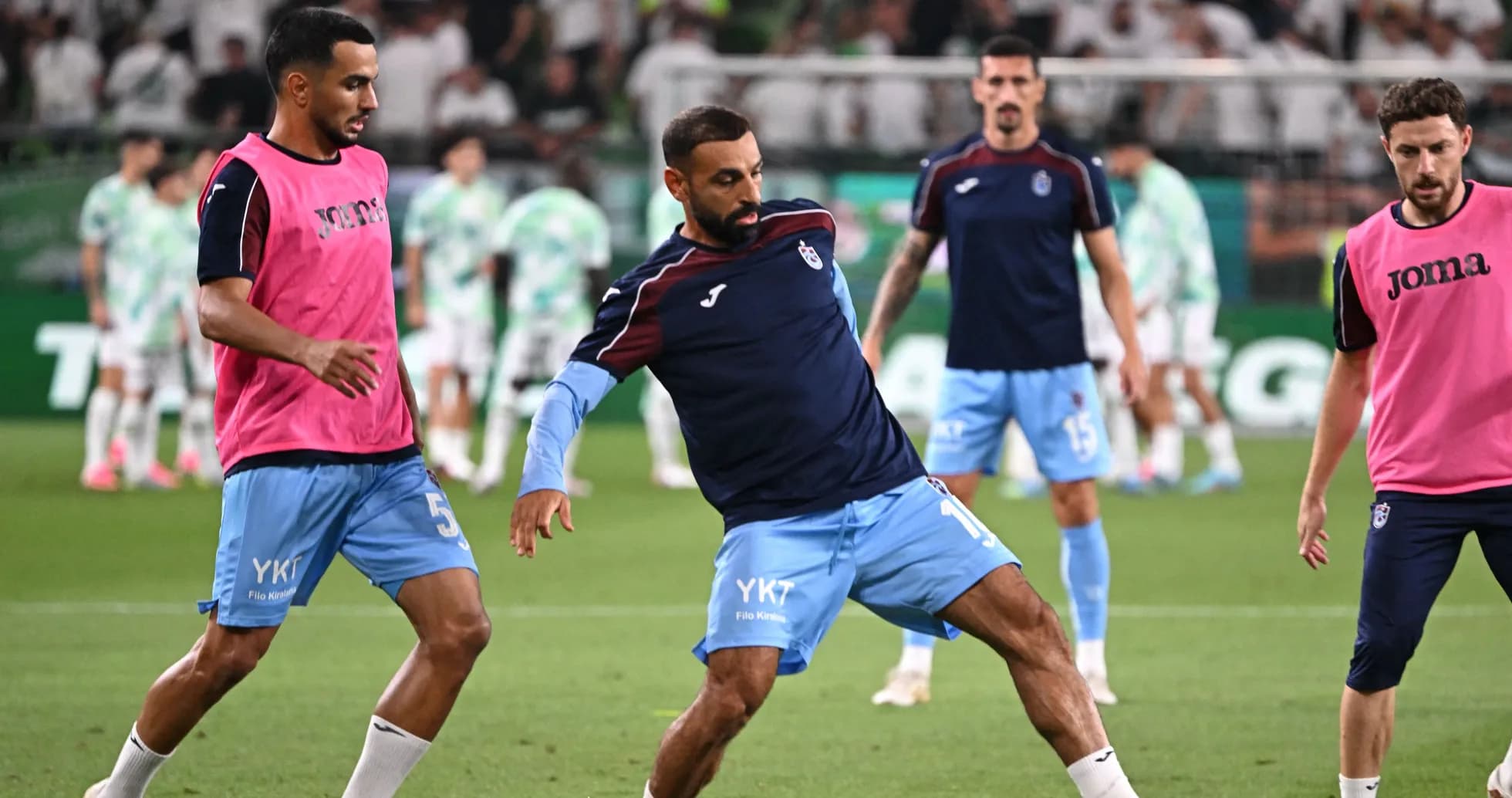
Trabzonspor in Talks with Thomas Reis to Replace Fatih Tekke
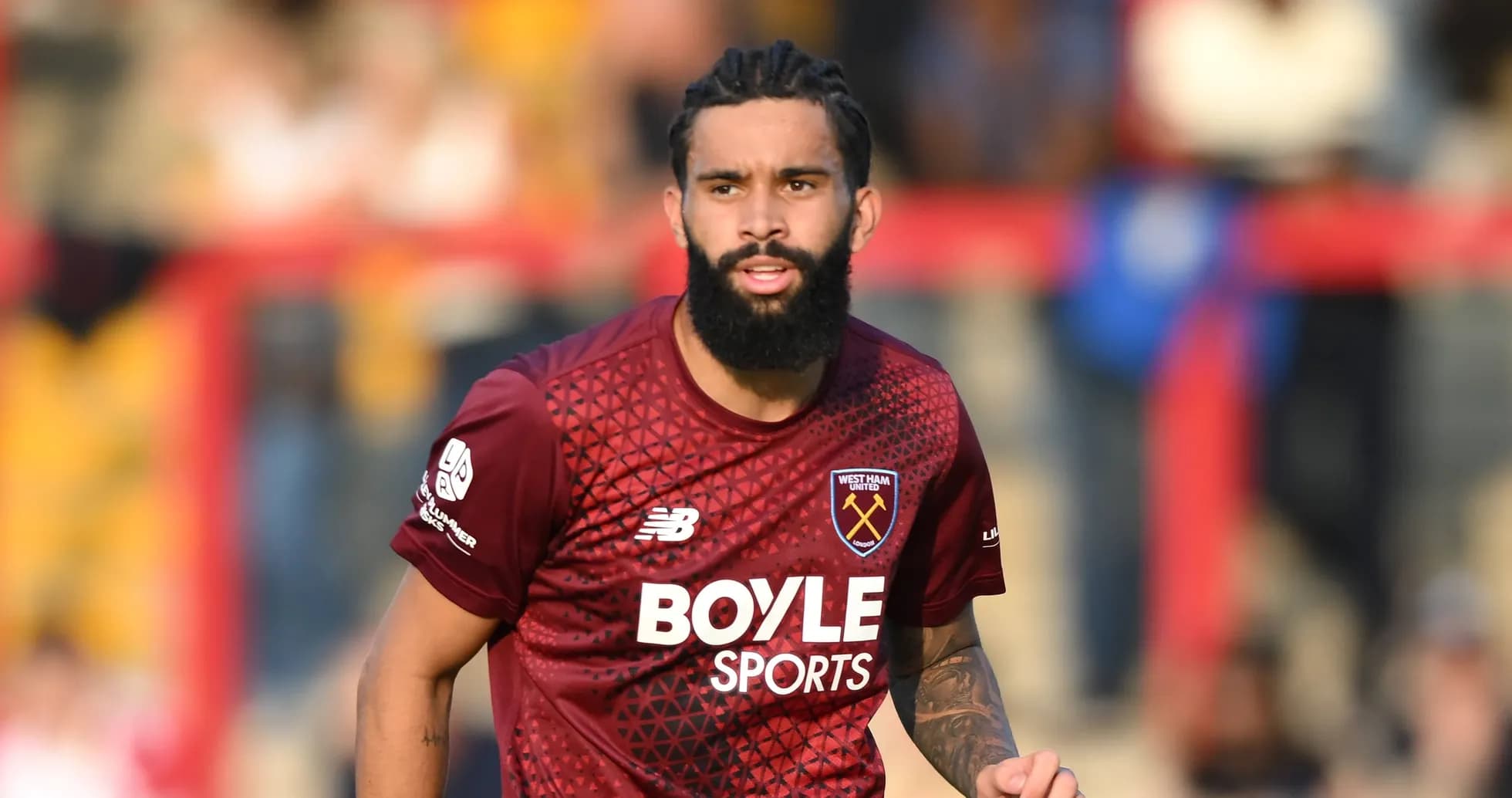
Pablo Felipe Scores First Goal for West Ham in Cup Tie
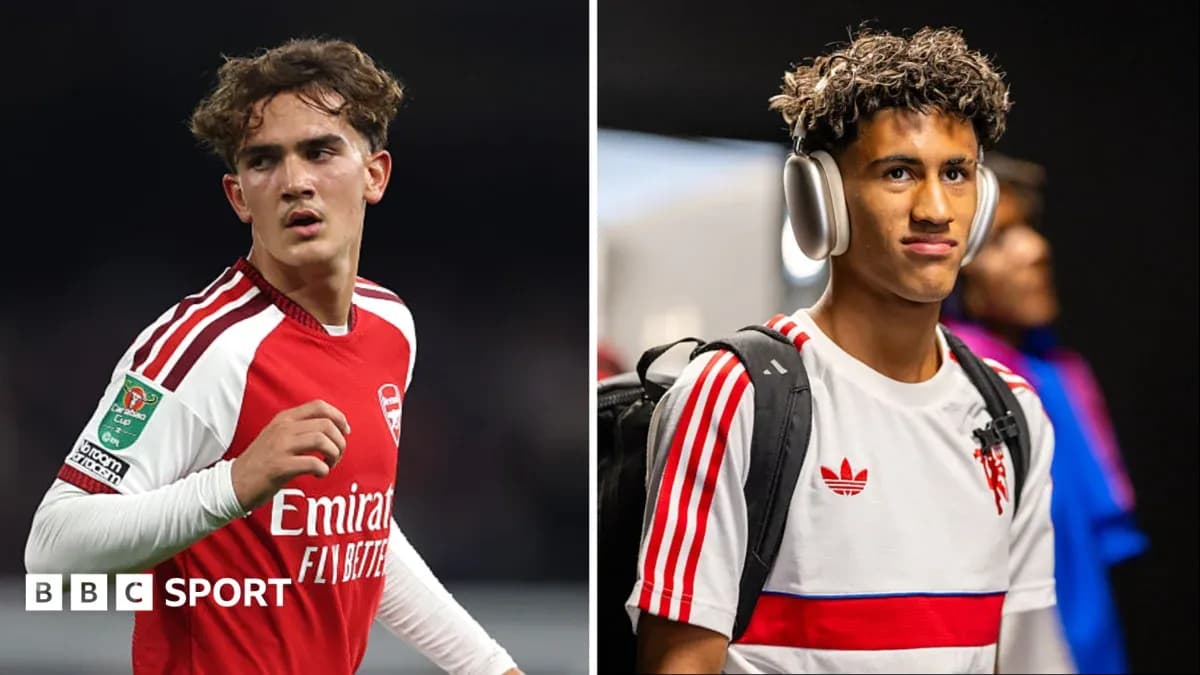
Max Dowman Shines in EFL Cup, JJ Gabriel Seeks Exit from Manchester United
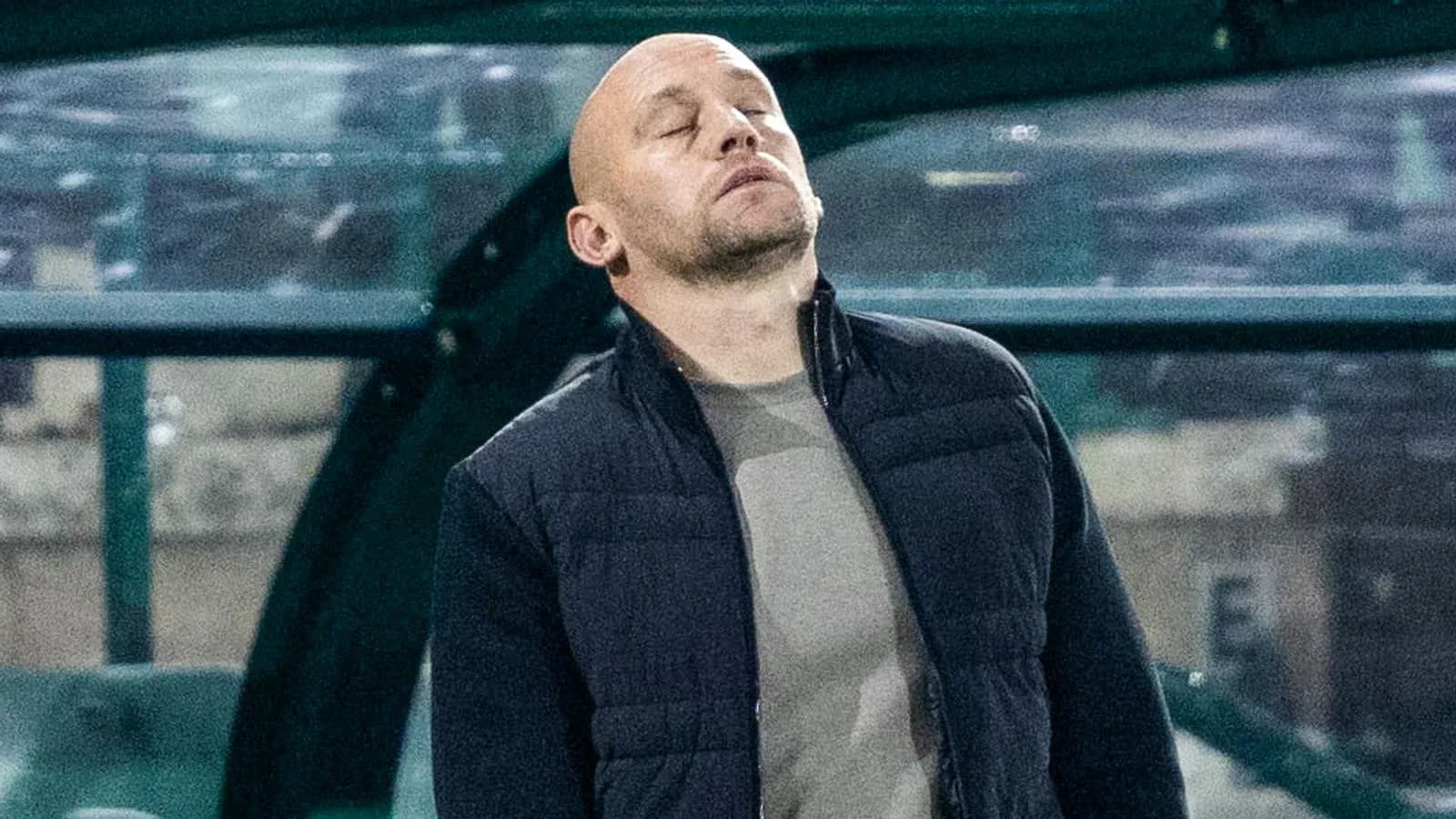
Hibernian Sack Coach David Gray Amidst Poor Performance
David Gray's Hibernian Tenure Ends After Six Games
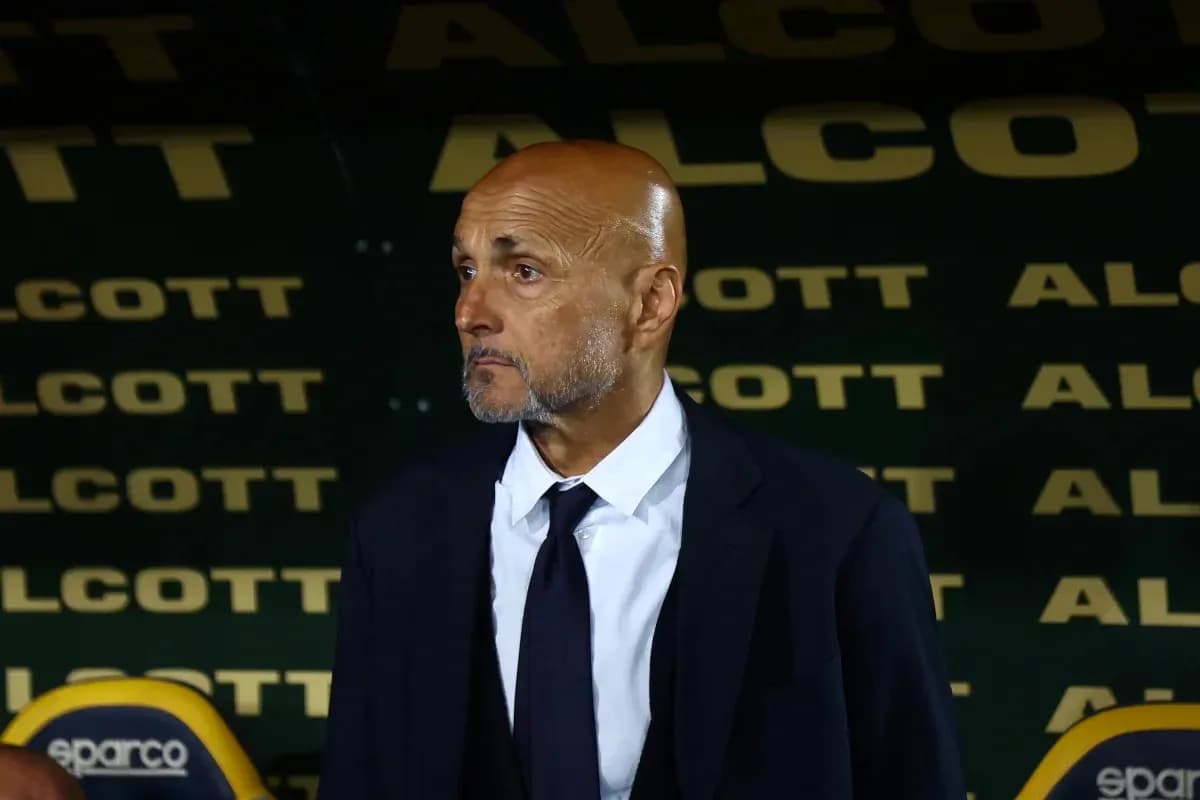
Juventus vs NEC Nijmegen: Spalletti's Focus on Mentality