
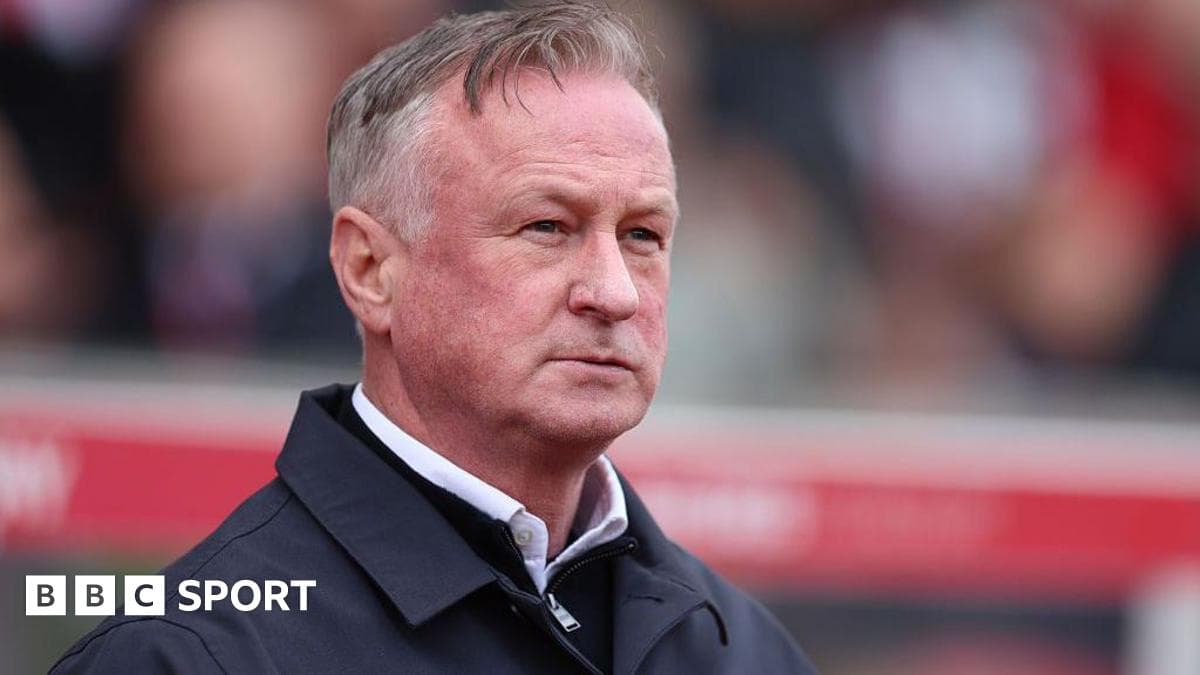
Michael O’Neill Focuses on Northern Ireland's Euro 2028 Bid
Michael O’Neill has turned his back on club management, for now at least, and thrown his full weight behind Northern Ireland’s bid to reach Euro 2028.
The 56-year-old will not stay on as Blackburn Rovers head coach beyond his interim spell, choosing instead to remain solely in charge of his country. It ends a curious job share that began in February and always felt like a temporary balancing act rather than a long-term solution.
Club door closes, country comes first
O’Neill stepped into a crisis at Ewood Park with Blackburn drifting dangerously towards the Championship trapdoor. Fifteen games later, his record reads five wins, five draws, five defeats and, crucially, survival. Rovers finished 20th and stayed up. Job done.
But as the pressure grew to make the arrangement permanent, O’Neill never pretended he could keep spinning both plates. He said repeatedly that one job would have to give. This week, it did.
“Following discussions with the club, Michael has decided to continue his long-term commitment to his role as Northern Ireland head coach, with a focus on leading the national team towards qualification for the Uefa European Championships in 2028,” Blackburn confirmed in a statement.
O’Neill’s own words carried a similar clarity. He spoke warmly of a “historic football club with a proud tradition and passionate supporters” and thanked the owners, board, staff, players and fans for their backing. But the key line cut through: his “long-term focus must remain with Northern Ireland and the journey towards the European Championship campaign ahead”.
Blackburn now move into a familiar Championship storyline: the search for a new permanent head coach, a process the club says is under way with updates to follow. They have time before the 2026-27 season, but they also have a major decision to get right.
A second act with Northern Ireland gathers pace
For Northern Ireland, this is the outcome they wanted.
Across his two spells in charge, O’Neill has managed 104 games, winning 38, drawing 23 and losing 43. The headline achievement remains Euro 2016, when he led the country to their first major finals in 30 years. The task now is to repeat that trick for Euro 2028.
The Irish FA did not hide their delight. In their statement they praised the “exciting squad of players” he has built and spoke of using the current momentum to drive into the Uefa Nations League this autumn and the Euro 2028 qualifiers with O’Neill “at the helm”.
Supporters will feel the same. Over the past two years, he has quietly rebuilt a side that had lost its way. They missed out on Euro 2024 and the World Cup, but the team now looks younger, sharper, and more ambitious with the ball.
The numbers tell the story. In March, during the World Cup play-off defeat to Italy, the average age of O’Neill’s starting XI was just 22.5 years – the second youngest Northern Ireland side on record since World War Two. That figure came without three key players: Conor Bradley, Dan Ballard and Ali McCann. Add them back in and the age profile barely shifts, underlining just how high the ceiling is for this group.
A clear runway to 2028
The immediate focus is on the summer and the next competitive cycle. Northern Ireland face Guinea in Cadiz and France in Lyon in June friendlies, then begin their Nations League campaign in September. They have been drawn in Group B2 alongside Hungary, Georgia and Ukraine – a section that offers both danger and opportunity.
Crucially, O’Neill can now plan all of it without the distraction of a club tug-of-war. Back in March, he spoke about “returning to the status quo” for the June fixtures when asked about his future. By April, he admitted the decision was still unresolved, a shift that set nerves jangling in Belfast. Those alarm bells have been silenced.
The Irish FA knew that, after O’Neill’s work since returning in 2022, the national job would be far more attractive to outside candidates than it was when he walked back through the door. That makes his commitment even more significant. No upheaval before the Nations League. No reset before Euro 2028 qualifying. Just continuity, and a manager who knows exactly what he wants this team to become.
Like his first spell, O’Neill inherited a struggling side from Ian Baraclough. Like his first spell, the early results did not bring instant qualification. But he has again shaped Northern Ireland into a more competitive, more watchable team with a clear identity and a youthful core.
The first time, that foundation led to France in 2016. With the club-versus-country question finally settled, the next three years will reveal whether he can turn this second project into another defining summer on the biggest stage.
Related News
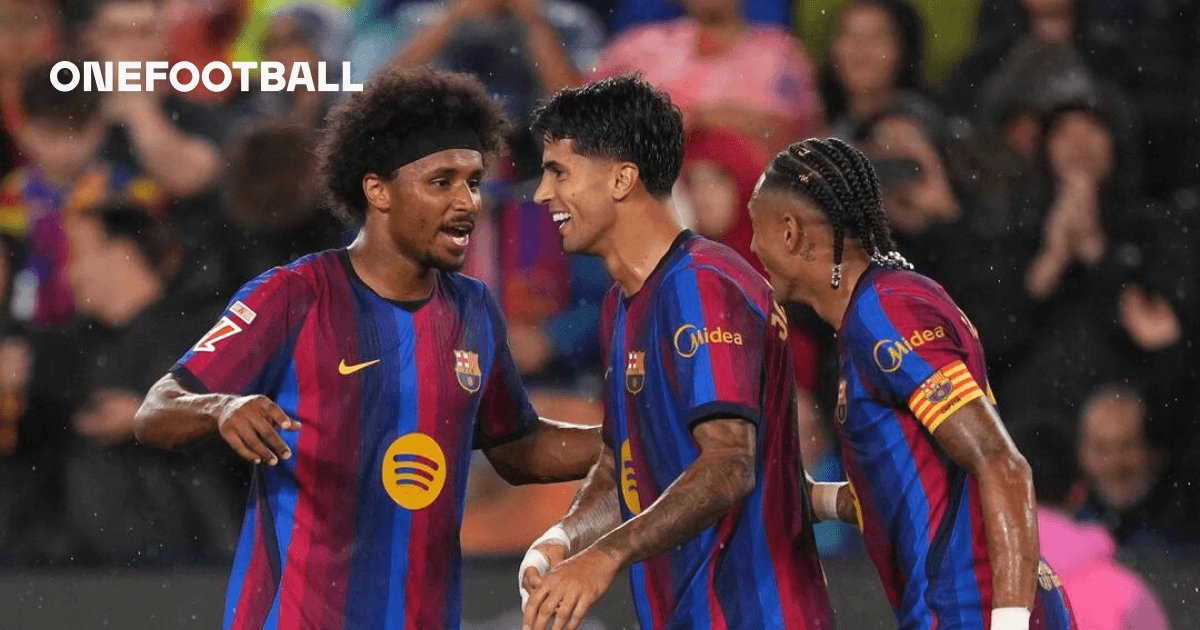
Raphinha’s Hat-Trick Powers Barcelona to 7-2 Victory Over Racing Santander
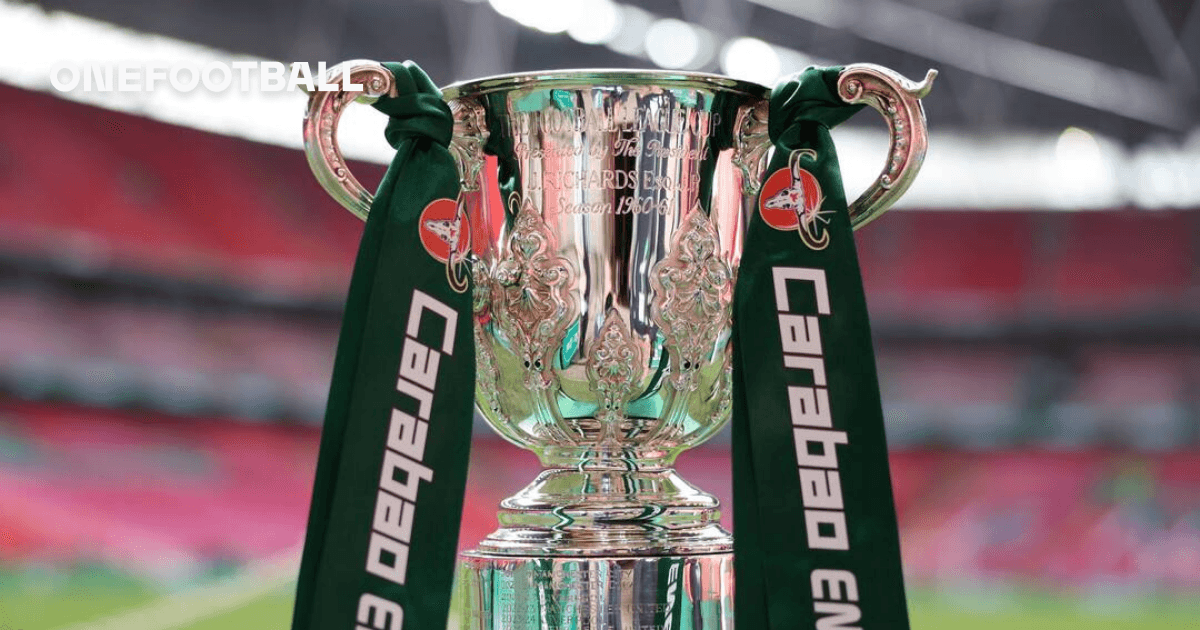
Carabao Cup Fourth Round Draw: Liverpool Set to Clash with Chelsea, Arsenal to Face Fleetwood Town
Key Football Matches to Watch in Azerbaijan This Autumn
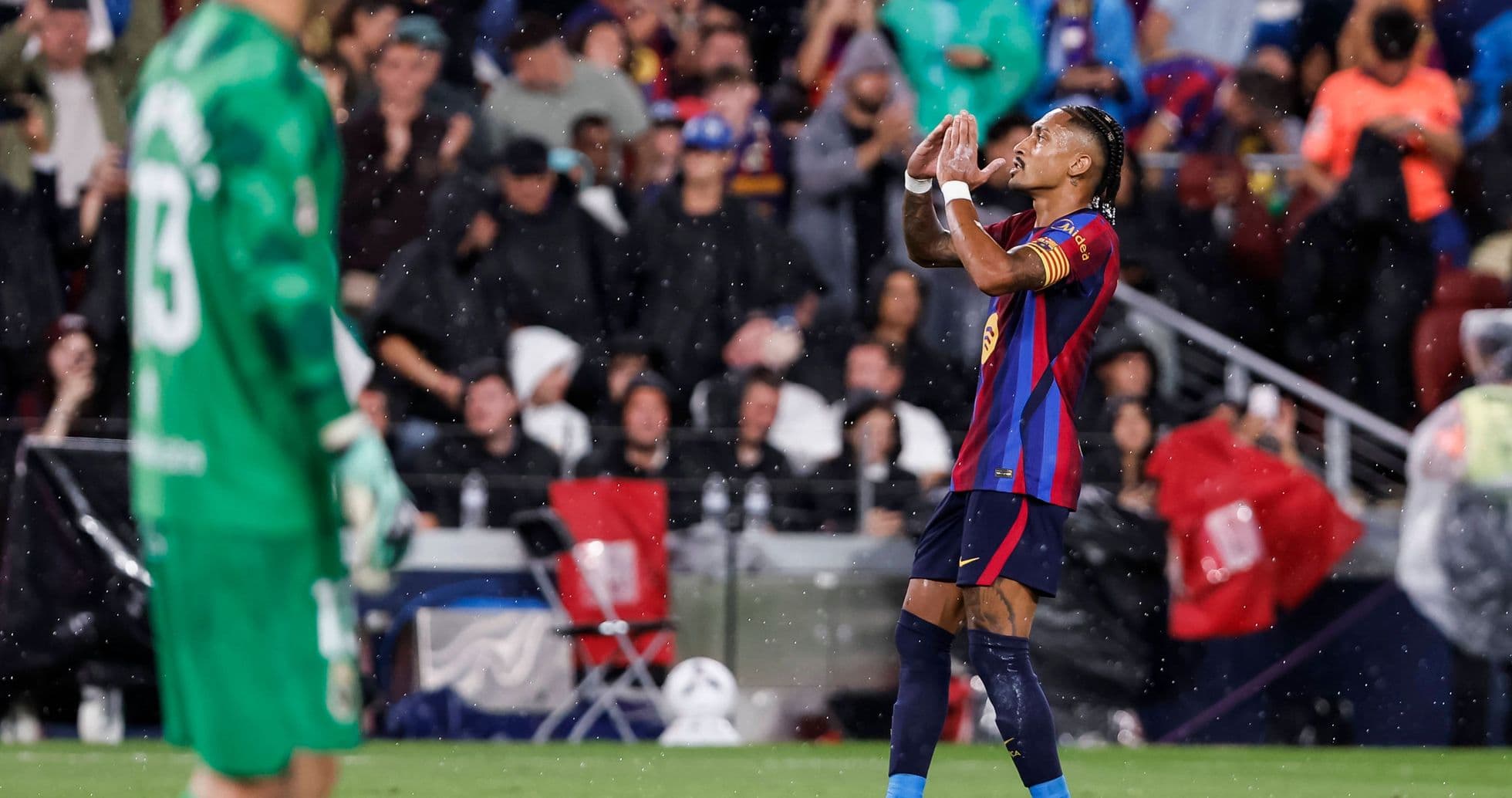
Raphinha's Hat-Trick Drives Barcelona to 7-2 Triumph Over Racing Santander
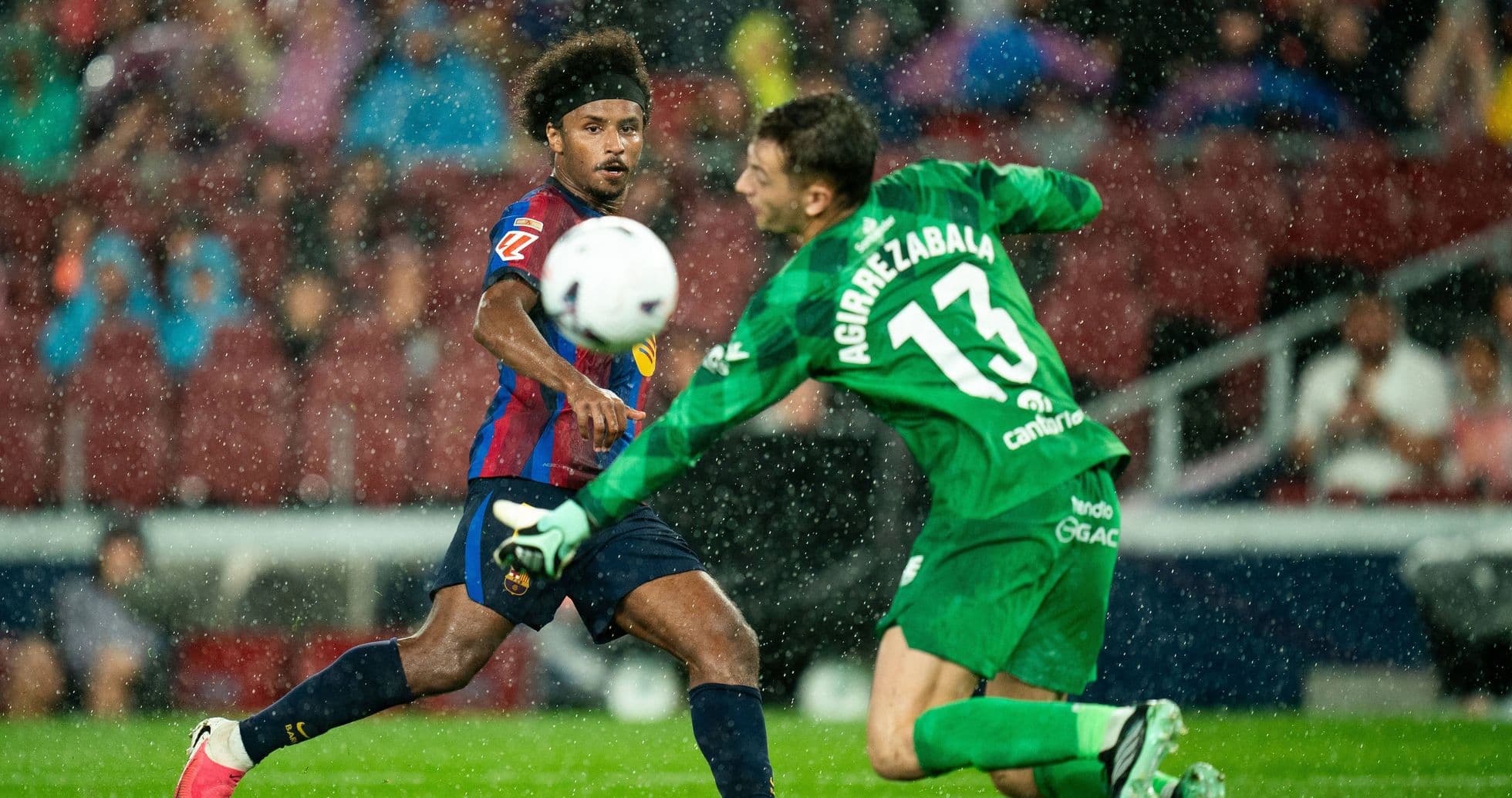
Hansi Flick Leads Barcelona to Record-Breaking Seven Wins in a Row
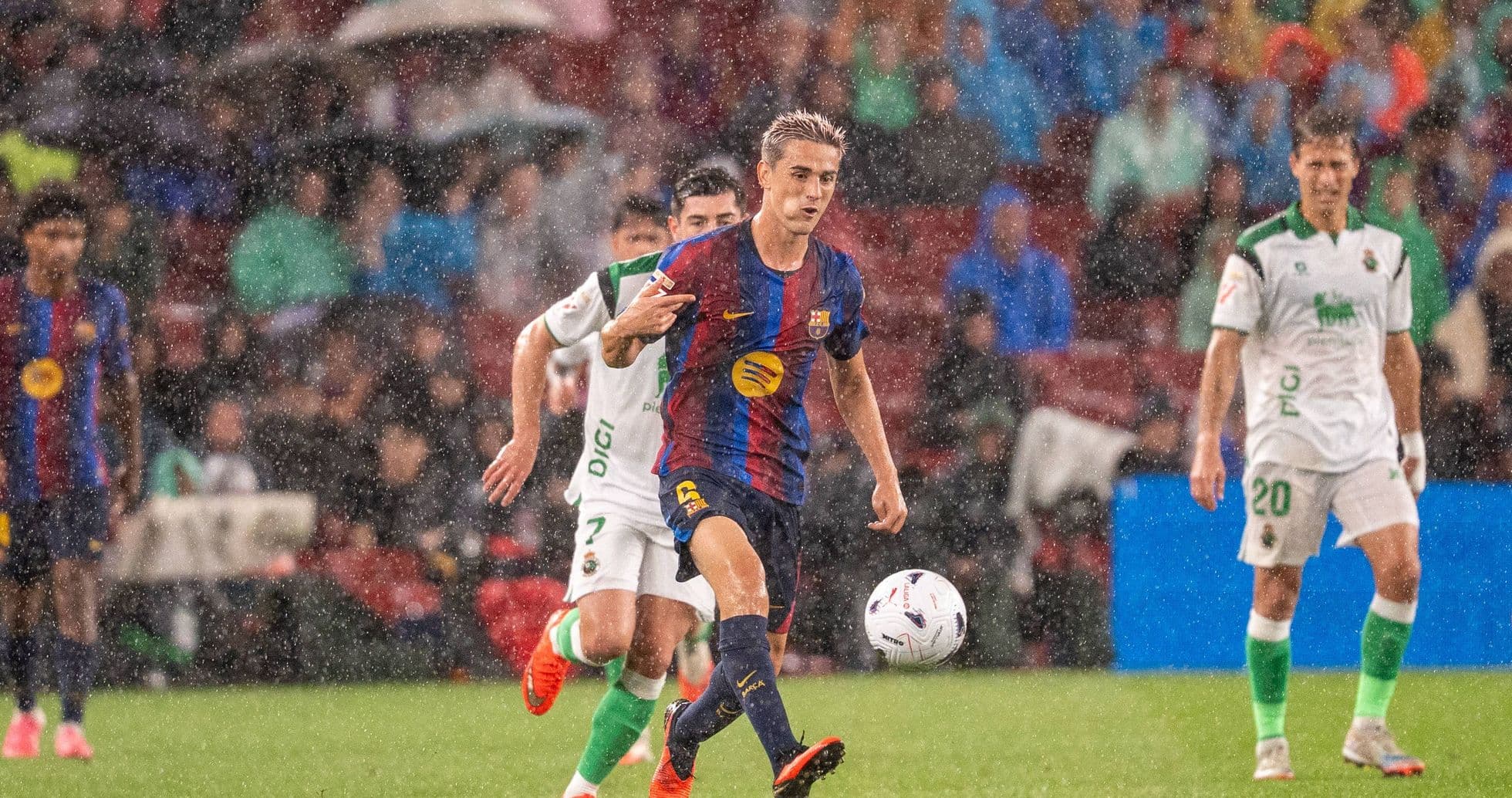
Gavi Reflects on Injury Return as Barcelona Dominate Racing Santander 7-2