
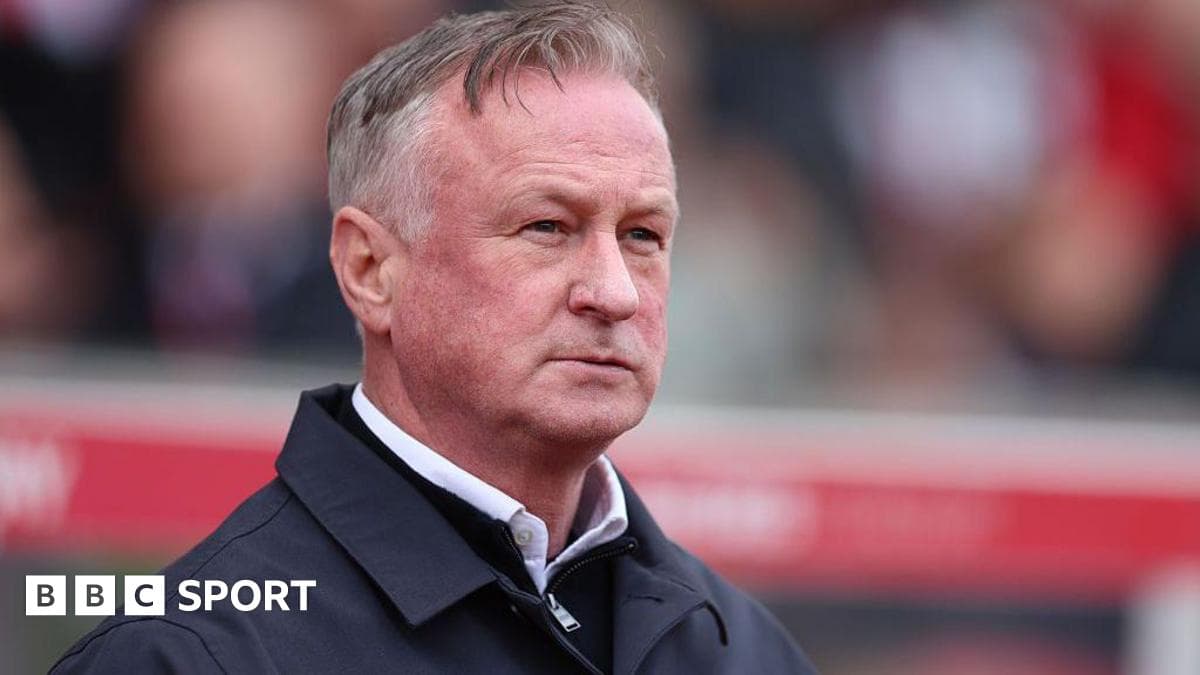
Michael O’Neill Chooses Northern Ireland Over Blackburn Rovers
Michael O’Neill has chosen country over club. The Blackburn Rovers experiment is over. Northern Ireland remains his job, his project, his priority.
Appointed as interim head coach at Ewood Park in February, O’Neill tried to straddle both worlds – steering a Championship club away from trouble while continuing to rebuild a national team. Fifteen games later, with Blackburn safe in 20th and the dust settling on a tense survival fight, he has made the call he always hinted was coming.
He is staying with Northern Ireland.
Club flirtation ends, international project resumes
Blackburn handed O’Neill the reins until the end of the 2025-26 campaign, a bold move that allowed him to combine the role with his position as Northern Ireland manager. It was never going to be a long-term arrangement. He said as much himself, repeatedly, during his spell in Lancashire: one job or the other, not both.
His record with Rovers was as balanced as his workload – five wins, five draws, five defeats. Enough to halt a slide, enough to keep them in the division, enough to buy the club time. Blackburn avoided relegation, then watched as the man who steadied them chose a different path.
In a statement, the club confirmed that, after discussions, O’Neill will continue his “long-term commitment” to Northern Ireland and focus on guiding them towards qualification for Euro 2028. O’Neill, in turn, spoke warmly of Blackburn as a “historic football club with a proud tradition and passionate supporters”, and thanked owners, board, staff, players and fans for their backing.
The relationship ends on good terms. The decision is still decisive.
Blackburn will now begin the search for a new permanent head coach, with updates promised “in due course”. They have time. The 2026-27 season is not rushing towards them yet, and O’Neill’s short stay has at least left them in the division and out of immediate crisis.
Northern Ireland get their man – again
In Belfast, the mood is very different. Relief, and not a little excitement.
The Irish FA quickly made their stance clear, welcoming O’Neill’s decision and underlining the momentum he has created. Across his two spells in charge, he has now taken Northern Ireland through 104 games, winning 38, drawing 23 and losing 43. Those numbers tell only part of the story.
Under O’Neill, Northern Ireland reached the Euro 2016 finals, their first appearance at a major tournament in 30 years. His second stint began in more difficult circumstances, inheriting a struggling side from Ian Baraclough. They missed out on Euro 2024 and the most recent World Cup, but the team has hardened again, sharpened again, and crucially, grown younger.
The average age of his starting XI in the World Cup play-off defeat to Italy in March was just 22.5 – the second youngest Northern Ireland team on record since World War Two. And that was without three key players: Conor Bradley, Dan Ballard and Ali McCann. With them, the age profile barely shifts, but the ceiling of this group rises even higher.
This is the project O’Neill has chosen. A youthful, talented squad, already competitive, still far from its peak.
Eyes on Euro 2028
The immediate schedule is clear. Two friendlies in June – Guinea in Cadiz, France in Lyon – then the Nations League in September. Northern Ireland have been drawn in Group B2 alongside Hungary, Georgia and Ukraine, a section that offers both threat and opportunity.
O’Neill had hinted in March that he would “return to the status quo” for those June fixtures, even as speculation swirled about his club future. By April, he admitted a decision was still to be made, and alarm bells began to ring among Northern Ireland supporters who have already seen what happens when he walks away.
Those fears can stop now. The decision has been made, and made quickly enough to matter. O’Neill can plan properly for the summer friendlies, for the Nations League, for the qualifying campaign that will follow. The Irish FA, who knew that the job is a more attractive proposition now than when he returned in 2022, avoid the upheaval of a third rebuild in as many years.
The target is blunt and simple: reach another European Championship, the first since that unforgettable run in 2016.
A young squad, an old connection
The bond between O’Neill and Northern Ireland runs deeper than contracts and statements. He has already lived one cycle of patient building, steady improvement and eventual breakthrough. The foundations of this second cycle look similar: a clear identity, a competitive edge, and a squad built around emerging talent rather than fading experience.
Northern Ireland fans will see the pattern. A manager who knows the landscape, a group of players growing together, a major tournament on the horizon – and this time, a home Euros to aim for, with Euro 2028 coming to the UK and Ireland.
Blackburn lose a steadying hand. Northern Ireland keep their architect.
Now comes the real question: can Michael O’Neill turn this promising second act into another defining summer on the European stage?
Related News
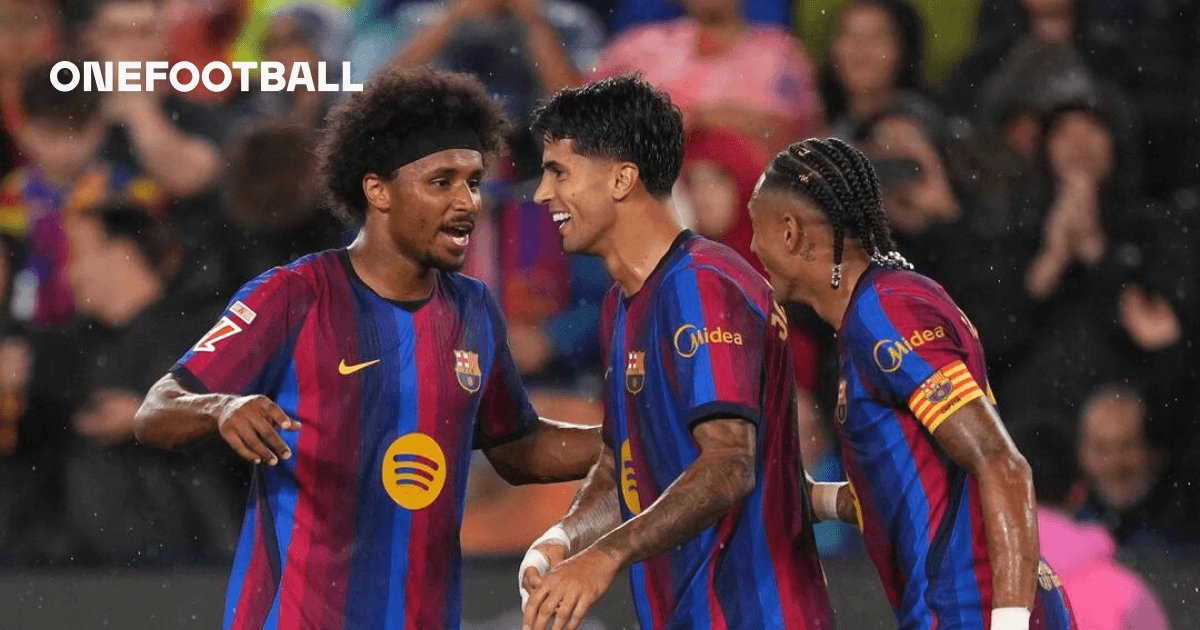
Raphinha’s Hat-Trick Powers Barcelona to 7-2 Victory Over Racing Santander
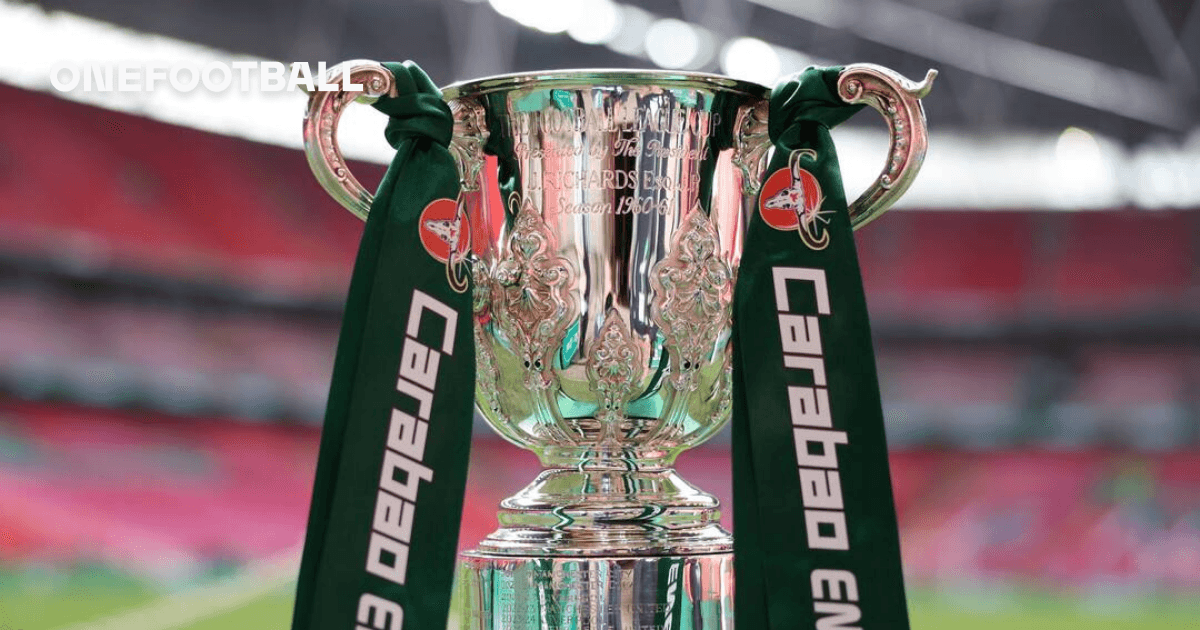
Carabao Cup Fourth Round Draw: Liverpool Set to Clash with Chelsea, Arsenal to Face Fleetwood Town
Key Football Matches to Watch in Azerbaijan This Autumn
Raphinha's Hat-Trick Drives Barcelona to 7-2 Triumph Over Racing Santander
Hansi Flick Leads Barcelona to Record-Breaking Seven Wins in a Row
Gavi Reflects on Injury Return as Barcelona Dominate Racing Santander 7-2