
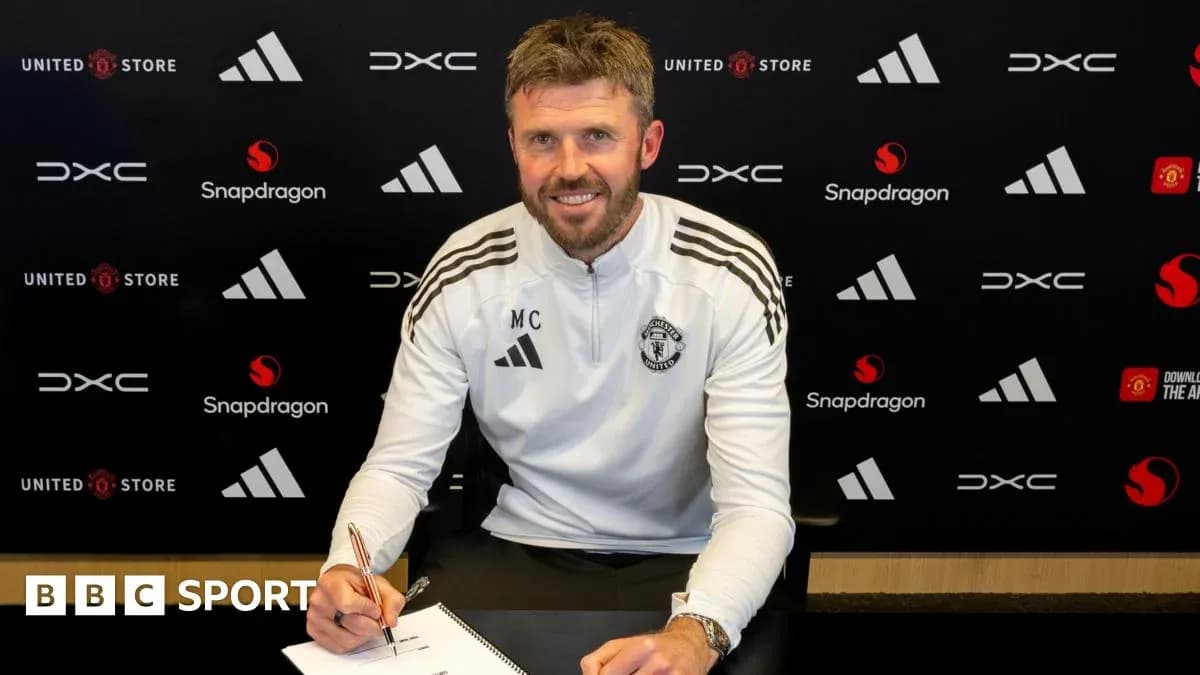
Michael Carrick Appointed Manchester United Head Coach on Two-Year Deal
The question has followed Michael Carrick for months. In press rooms, in corridors, on the edge of training pitches: when will there be clarity? On Thursday, Manchester United finally provided it.
Carrick, the quiet constant at Old Trafford for two decades, has been appointed permanent head coach on a two-year contract after transforming a drifting season into one that ends with Champions League football and a sense of direction.
From interim to architect
When Ruben Amorim was sacked in January, United were fragile, short of confidence and shorter still on identity. Carrick stepped in as the interim, a safe pair of hands, a familiar face. He has become far more than that.
Since taking charge on 13 January, the 44-year-old has delivered 11 wins from 16 Premier League games and secured a guaranteed third-place finish. No club in the top flight has collected more than the 36 points United have taken in that period. The numbers are blunt, and they are emphatic.
Sunday’s breathless win over Nottingham Forest did more than lock in third. It underlined why the club’s hierarchy felt they could no longer treat Carrick as a stop-gap. His name now sits on a six-man shortlist for the Premier League manager of the season award, a reflection of how sharply the narrative has turned.
Carrick knows exactly what this means.
“From the moment that I arrived here 20 years ago, I felt the magic of Manchester United. Carrying the responsibility of leading our special football club fills me with immense pride,” he said, as the announcement dropped.
“Throughout the past five months, this group of players have shown they can reach the standards of resilience, togetherness and determination that we demand here.
“Now it's time to move forward together again, with ambition and a clear sense of purpose. Manchester United and our incredible supporters deserve to be challenging for the biggest honours again.”
The words are measured, but the intent is clear. The interim tag has gone. The expectations have not.
The calm amid the noise
Carrick has been asked the same question so often he could almost have handed journalists a pre-printed card with his answer. Yet his manner never changed. No theatrics, no public agitation, no veiled messages.
That calm has seeped into Carrington. Around the training ground and inside the dressing room, his presence has brought stability at a time when the club could easily have lurched into another cycle of drama.
Statistical breakdowns have tried to poke holes in United’s resurgence, arguing that performances have not always matched results since Amorim’s departure. On paper, some metrics suggest United have been over-performing. On grass, the story feels different: a team that no longer unravels when the pressure rises, a coach who refuses to panic when the game tilts against him.
That composure has been one of Carrick’s most valuable contributions. It will be tested far more severely next season.
The hard work starts now
Third place, in isolation, looks impressive. Context matters. United played a 40-game campaign, with no European football and early exits in both domestic cups. The workload was manageable, the schedule forgiving.
Next season will be brutal by comparison. A Champions League campaign, deeper domestic runs, and a league programme that could stretch the season towards 60 matches. The margin for error shrinks; the demands on the squad grow.
Carrick’s tactical ideas will only carry United so far if the squad remains unbalanced. Recruitment now becomes decisive.
Central midfield is the glaring fault line. Casemiro is leaving. Manuel Ugarte has not convinced at the level required. Kobbie Mainoo, as gifted as he is, cannot be expected to shoulder the burden in every game across four competitions. United need legs, intelligence and authority in that area, and they need it quickly.
Other cracks are just as clear. If Patrick Dorgu continues to be used higher up the pitch, competition for Luke Shaw at left-back becomes urgent rather than optional. Shaw’s quality is beyond doubt; his availability is not.
In goal, the picture is equally delicate. Senne Lammens requires a genuine challenger, yet Radek Vitek – outstanding on loan at Bristol City – wants to keep playing every week. That will not happen if he returns to Old Trafford as a back-up, so United must decide whether his development is best served elsewhere while the first team finds a more immediate solution.
Youth, but not on its own
The academy, as ever at United, offers hope. It cannot be the sole answer.
Eighteen-year-old midfielder Jacob Devaney has impressed in the Scottish Premiership with St Mirren, showing the poise and personality that mark him out as one to watch. Shea Lacey, already on the radar as a promising England Under-20 international, looks set for more minutes and a bigger role next season.
Those are encouraging signs. They are not a transfer strategy.
Carrick will lean on the academy, because it is in the club’s DNA and in his own story. But he cannot ask teenagers to do the heavy lifting in a season where the club expects to compete on multiple fronts. He needs ready-made help, and he needs the recruitment department to finally get the big calls right.
A new standard for third
There is a paradox at the heart of United’s situation. On paper, finishing third again next season would feel like standing still. In reality, given the extra strain of Europe and deeper cup runs, matching this year’s league position would represent a substantial step forward.
That is the scale of the challenge Carrick has accepted.
The romance of a former midfielder returning to lead the club is an easy story. What comes next is not. The fixtures will pile up, the scrutiny will intensify, and the expectation – inside and outside Old Trafford – will be that United do more than simply qualify for the Champions League. They must look like they belong there.
Carrick has brought calm, clarity and a sense of purpose to a team that badly needed all three. Now he needs players to match his ambition.
The contract is signed. The magic he spoke about is still there. The question is whether Manchester United will give him the tools to turn this promising revival into something that truly lasts.
Related News
Raphinha’s Hat-Trick Powers Barcelona to 7-2 Victory Over Racing Santander
Carabao Cup Fourth Round Draw: Liverpool Set to Clash with Chelsea, Arsenal to Face Fleetwood Town
Key Football Matches to Watch in Azerbaijan This Autumn
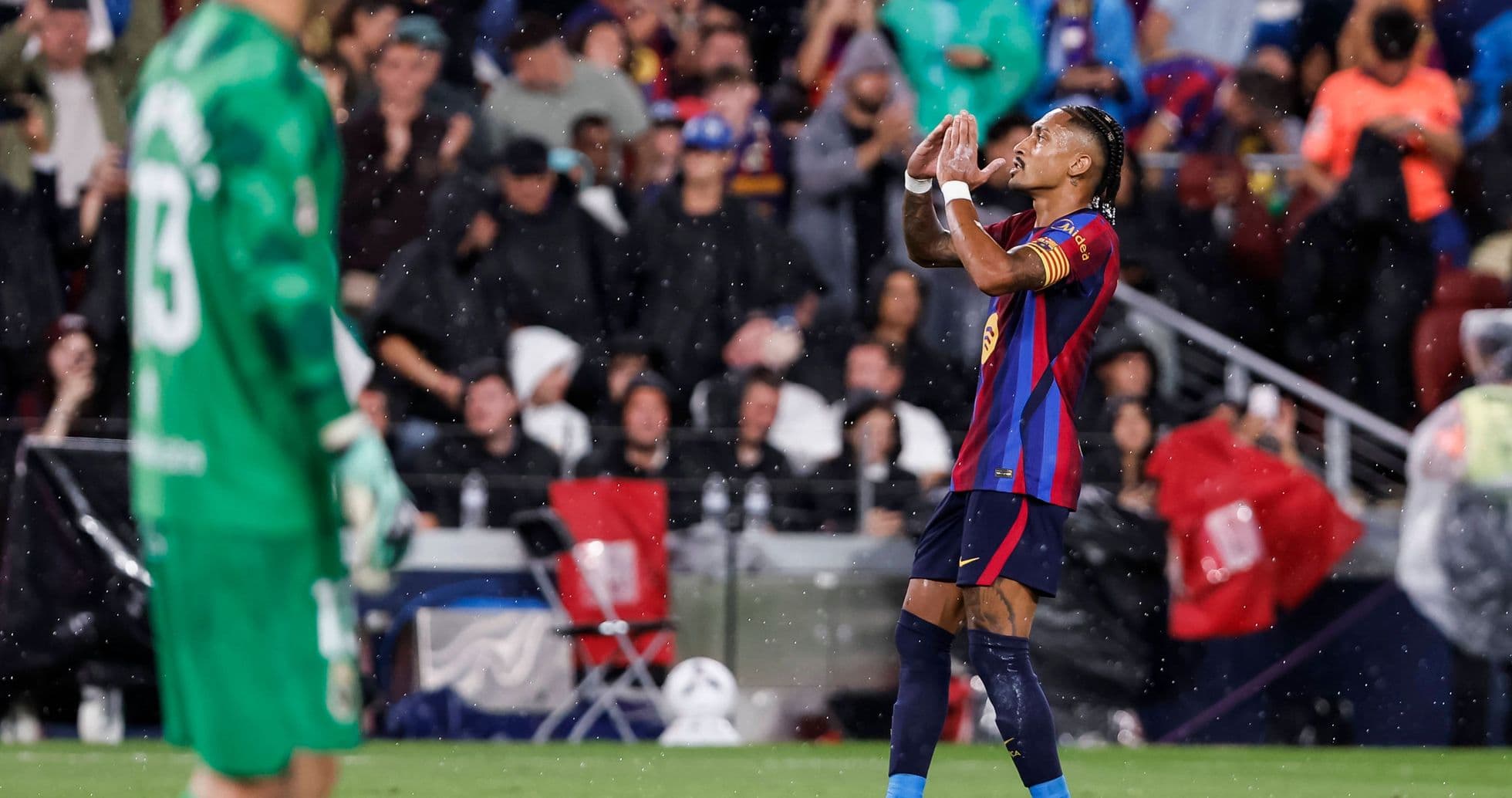
Raphinha's Hat-Trick Drives Barcelona to 7-2 Triumph Over Racing Santander
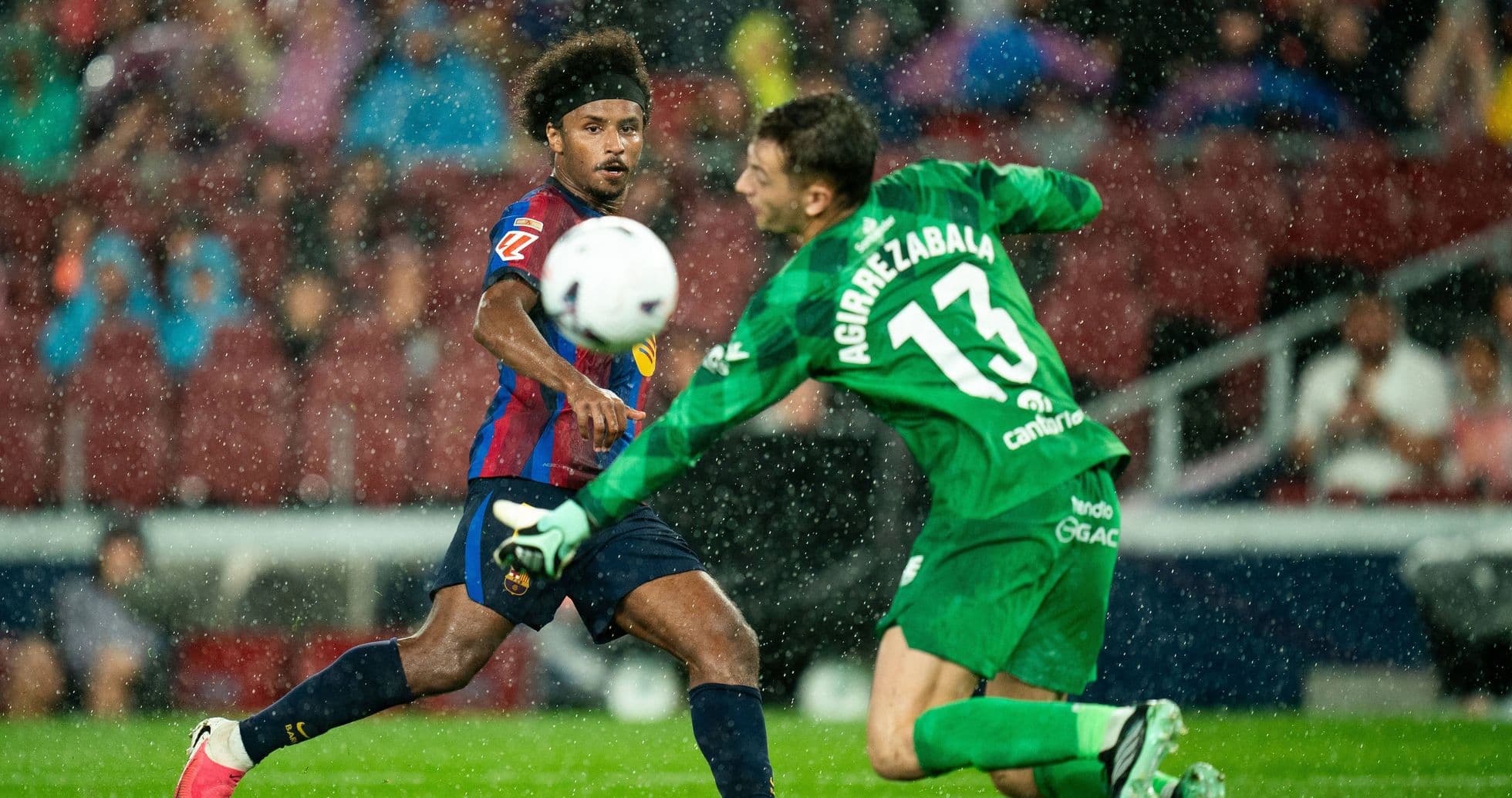
Hansi Flick Leads Barcelona to Record-Breaking Seven Wins in a Row
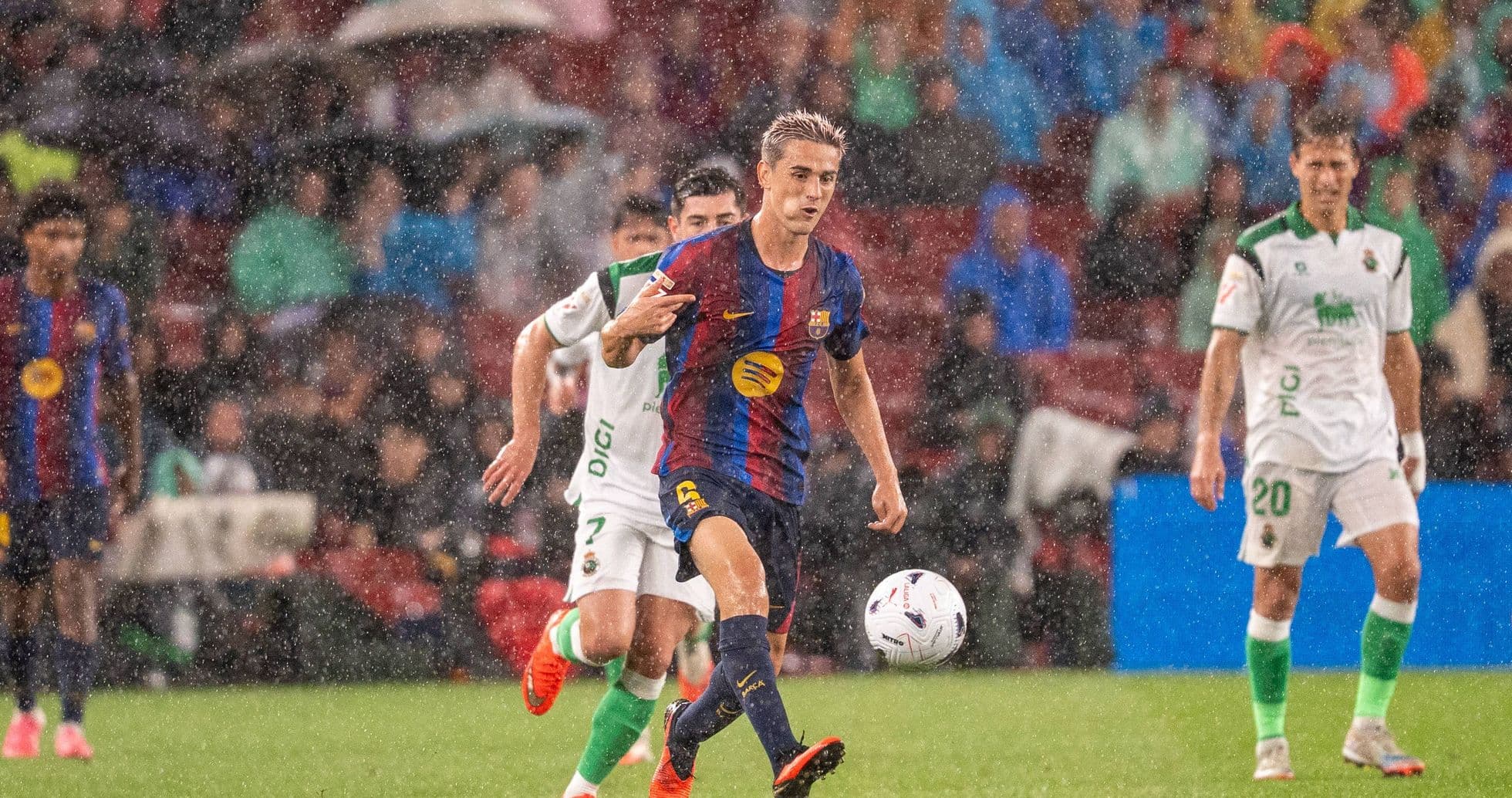
Gavi Reflects on Injury Return as Barcelona Dominate Racing Santander 7-2