
Manchester United’s Transfer Strategy: Value Over Vanity
Manchester United’s summer has not been about fireworks. It has been about restraint.
Since Sir Jim Ratcliffe’s group took charge of football operations, the club has tried to step away from the era of statement signings and £100million headlines. That doesn’t mean United will never break that barrier again, but for now Paul Pogba’s £89m fee from 2016 looks safe.
This window was never set up for a blockbuster. With a midfield rebuild required and several other areas still waiting to be addressed, spreading the budget has taken priority over one marquee name. History shows United tend to throw money at the problem when they miss out on the Champions League, using big transfers as a shortcut back to the top table. A top-three finish last season changed that equation. After spending around £225m last summer, this one was always likely to be leaner, more targeted, and less glamorous.
It hasn’t stopped the questions.
The Left-Back Gap That Won’t Go Away
“When are United signing a left back?” is no longer just a query. It’s a drumbeat.
Supporters can see the hole. The club can too. United want a left-back, but not at any price. The pursuit of Lewis Hall never really got going, and that has left a sour taste. Newcastle’s full-back may or may not have been open to a move, yet United never truly tested that possibility. For many fans, that felt like a lack of ambition in a position that clearly needs attention.
Inside the club, there is a different emphasis: value. The recent arrival of Carlos Baleba underlined that point. United were prepared to walk away from the deal last summer when the numbers didn’t stack up, and they only came back when the terms suited them. That mindset now applies across the board, including at left-back.
Still, the clock is ticking. Luke Shaw got through last season largely unscathed, but his injury record is no secret. With a congested schedule ahead, relying on him without proper cover is a risk that borders on reckless. Harry Amass is highly rated but nowhere near the required level to be thrown in as Shaw’s deputy over a full campaign.
No, the summer’s work will not be completely undone if a left-back doesn’t arrive. But the lack of urgency is already raising eyebrows. It should.
Mainoo, Baleba and the Shape of United’s Midfield
Another flashpoint: the middle of the pitch.
“Mainoo is our midfield man. Why not play him regularly?” is a sentiment that has echoed around the fanbase. Some supporters have gone further, questioning the need for Baleba at all and insisting he is not at Mainoo’s level.
That argument misses the point.
Kobbie Mainoo and Carlos Baleba are very different profiles. One does not cancel out the other. In fact, a Mainoo–Baleba partnership is a realistic prospect this season, not a fantasy. The idea that signing Baleba automatically squeezes Mainoo out of the picture simply doesn’t stack up with how United see their midfield.
As for Mainoo’s minutes, the explanation is straightforward. He only returned to pre-season training less than three weeks ago. That left him short of the sharpness required to start the opening-day defeat at Hull. He came off the bench midway through the second half at the MKM Stadium and is now in contention to start on Sunday.
Inside Carrington, there is no doubt about his status. Mainoo is both the present and the future of United’s midfield. He will play. A lot.
Baleba’s arrival is not a slight on him; it is an attempt to build a unit rather than lean on a single talent. United have been burned by thin midfields before. They are trying to avoid that mistake.
One Window, Two Pressure Points
So where does that leave United as the window edges towards its close?
The club has tightened its transfer strategy, resisted the urge to chase Tottenham and Arsenal-style splurges, and tried to build a squad with more balance than branding. That approach has logic. It also has consequences.
At left-back, the margin for error is shrinking. Shaw cannot carry that flank alone across four competitions. The market may be inflated, but the need is real.
Up front, some fans have even floated the idea of a move for Jean-Philippe Mateta at Crystal Palace as experienced cover for Benjamin Sesko. That specific deal is not on the table, yet it captures a broader concern: depth, reliability, and the lack of proven options behind the headline signings.
United’s hierarchy insists they will not be bullied by prices or panicked by noise. That stance has brought a new discipline to Old Trafford.
Soon enough, we will find out whether that discipline is the foundation of a smarter era — or an expensive gamble in a season that offers little room for excuses.
Related News
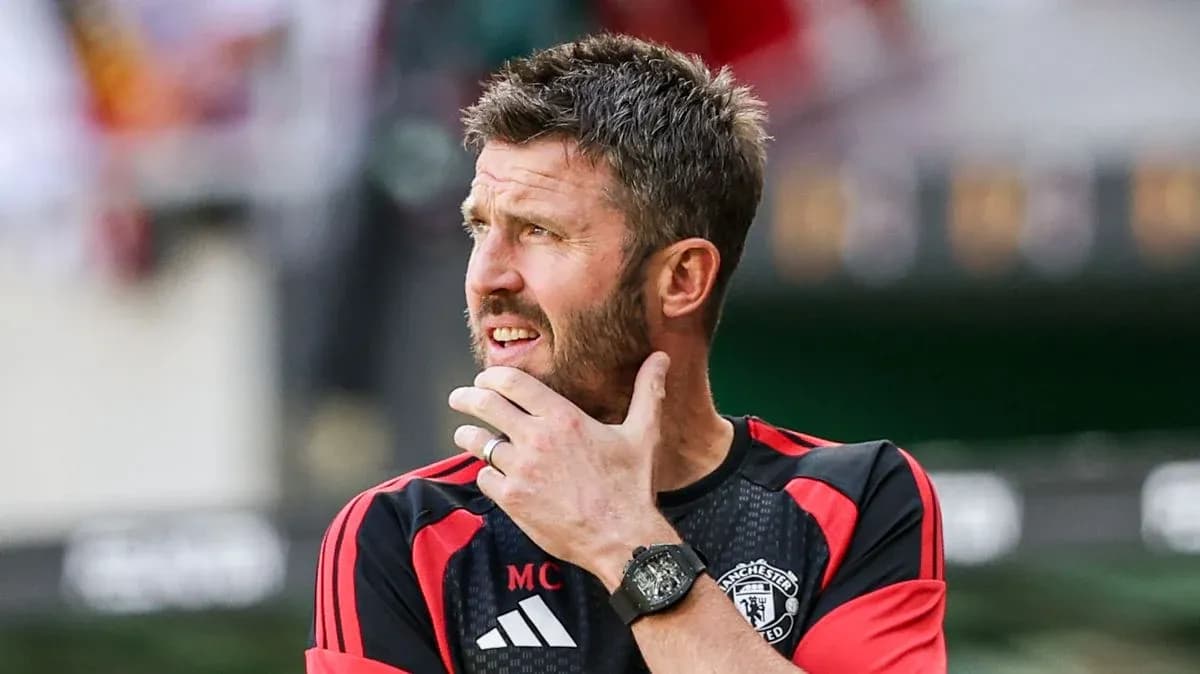
Manchester United Seek Chelsea Defenders as Left-Back Solution
Liverpool aim for first win against Nottingham Forest at Anfield
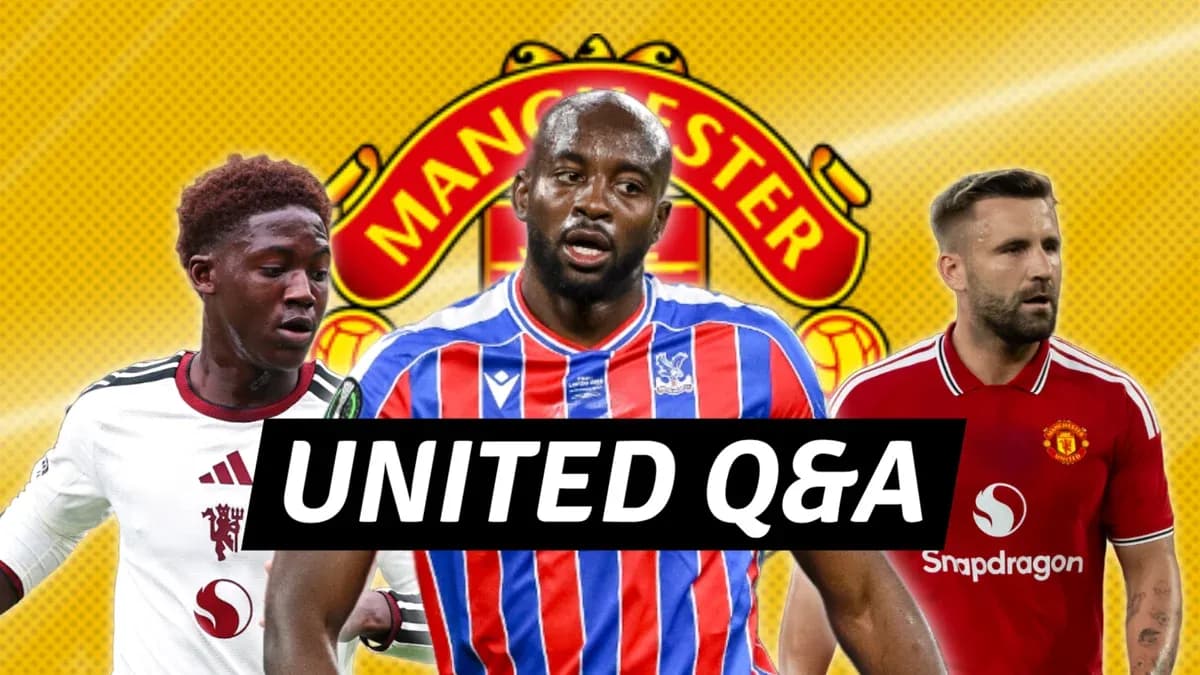
Manchester United’s Transfer Strategy: Value Over Vanity
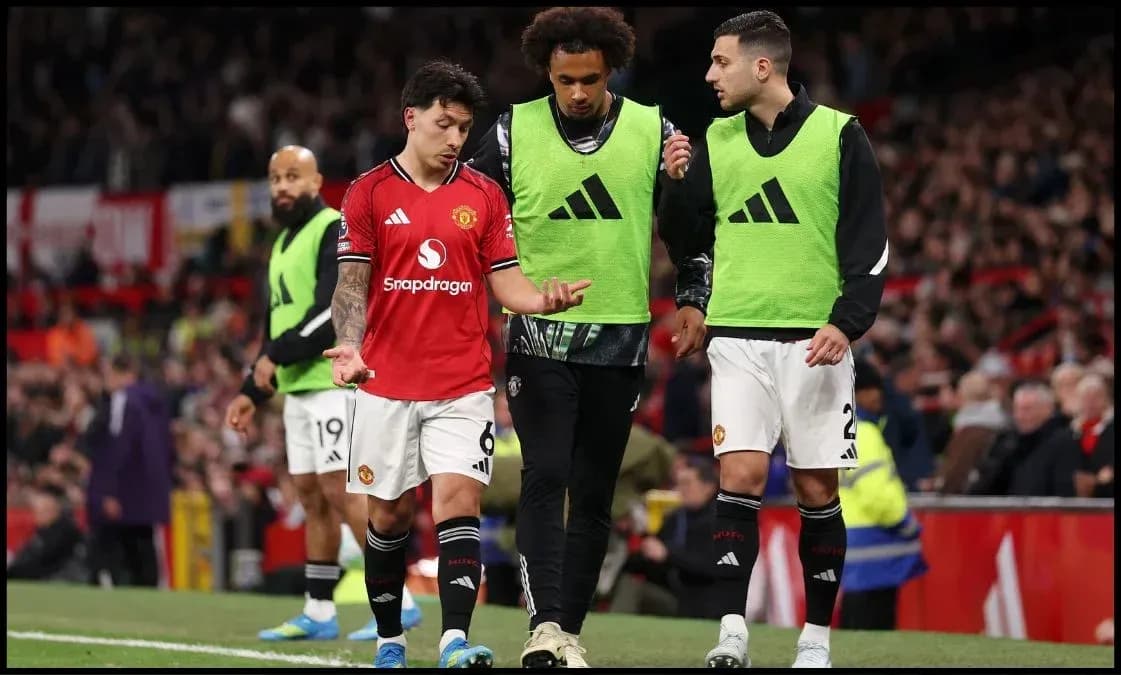
Joshua Zirkzee's Exit from Manchester United: Fiorentina Poised to Sign
Newcastle United Advances in EFL Cup as Jaissle Era Begins
Liverpool Nears £120 Million Deal for Barcola as Iraola Seeks First Win