
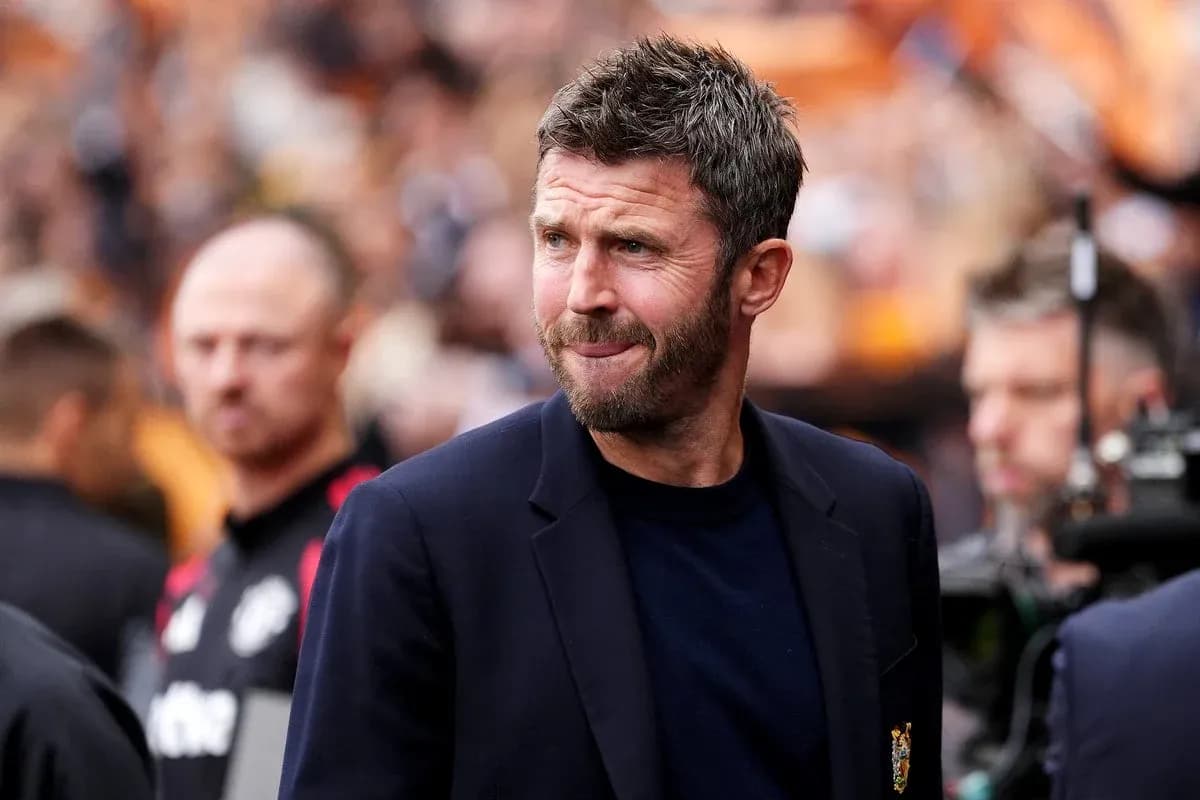
Manchester United's Shift from Spending Power to Points Dominance
Manchester United used to dominate one table above all others: the spending charts. Now, under Michael Carrick, they sit on top of a different one – the only one that really matters. No side has taken more points in the Premier League since his appointment in January.
For more than a decade, Old Trafford has been a monument to excess in the transfer market. This summer, it looked very different. For the first time in years, United slipped into a kind of financial mid-table, at least in the eyes of those who treat the window like a sport of its own.
United fall down the spending table
When the window shut, the numbers told a story that would have been unthinkable in the Glazer era’s early years. According to Transfermarkt, United’s outlay stood at £148 million, potentially rising to £155m – and every penny of it on midfielders. No senior striker. No senior defender. No extra left-back.
While United counted the cost, the usual heavyweights opened their wallets. Manchester City went past £400m. Chelsea and Tottenham both surged beyond £300m. Newcastle, Aston Villa, Liverpool and Arsenal all cleared the £200m mark. Promoted Ipswich and Hull outspent United. In the Premier League’s financial arms race, United finished down in 11th.
Is this what austerity looks like at Old Trafford?
Carrick will not say that out loud. He is not built to turn a press conference into a protest. Instead, he leaned into the positives.
“Certainly, the players that we've brought into the group, I'm absolutely delighted with,” he said. “I think we've done some really good business there for the quality and the level of player that we've got. You can always look at it, and there's other things you can do or possibly could have done.”
The last line hung in the air. The business United “could have done” is the story of their summer.
Targets missed, options limited
The sense around the club was clear enough: United did not have the freedom to chase the very best. They were offered Rayan Ait-Nouri on loan on deadline day. They were not in a position to buy Lewis Hall, even if Newcastle had been willing to deal.
This was not just one problem. It was a collision of familiar issues.
United’s long-running failure to sell well returned to haunt them. Manuel Ugarte’s injury at the World Cup was unfortunate, but the club began the summer expecting to cash in on the Uruguayan, along with Andre Onana and Joshua Zirkzee. Instead, Zirkzee stayed put and Onana headed back to Trabzonspor on loan, generating no major fee.
One decision may yet age very differently. Barcelona declined the option to buy Marcus Rashford for a proposed £26m. If Carrick can coax the best from him again, that figure will look laughable. Unlike others on the market, Rashford still has the talent to be a first-choice forward at a top club.
United might reasonably have forecast an extra £50m in sales, perhaps even closer to £100m. It never arrived. The only substantial sum they banked came via a deal with Napoli for Rasmus Hojlund that was arranged back in 2025. Strip that out and only Coventry made less from player sales.
On the net-spend table, United’s position looks slightly healthier. Clubs such as Villa and Chelsea actually turned a profit. Newcastle flirted with doing the same for much of the summer. United, by contrast, remain a big spender on paper, but they no longer resemble the freewheeling traders of the modern super-club. They look like an anomaly.
Caught out by a changing market
They also look dated in another way. The transfer market has inflated at a wild pace, and United seemed slow to adjust. Midfielders they admired – Elliot Anderson, Mateus Fernandes among them – suddenly went for huge fees. United simply could not go to that level.
Any talk of a “credit crunch” at Old Trafford has roots in the past. The club’s big swings have missed too often. The losses on Antony and Casemiro, both signed for vast sums and on huge wages, have started to bite. Even last summer’s better business carries a question mark: Senne Lammens arrived as a bargain, but United may still have overpaid on parts of the £200m attacking trio of Bryan Mbeumo, Mateus Cunha and Benjamin Sesko.
The annual accounts tell the rest of the story. They routinely show tens of millions owed to other clubs in outstanding transfer instalments. On top of that sits the interest on the debt the Glazer family saddled the club with in the first place. Every year, that bill arrives.
Ruben Amorim’s short and costly reign did not help. Sporting CP collected €11m in compensation when United prised him away. United then had to keep paying the Portuguese coach after sacking him. The footballing fallout was brutal: a 15th-place finish in the Premier League in 2025, far less prize money, and a season of just 40 matches. The Carabao Cup exit to Grimsby came under Amorim, the FA Cup defeat to Brighton under Darren Fletcher. Both cut into revenue.
A budget rebuild in midfield
So Carrick walked into a club that needed to change course. This summer became a scaled-down rebuild, focused on value rather than fireworks.
Youri Tielemans arrived via a £35m release clause – £90m cheaper than Enzo Fernandez cost Chelsea. Andrey Santos followed, £77m less than his former Stamford Bridge teammate, even if he spent most of his time there on the bench while Fernandez played. At an initial £65m, Carlos Baleba was the priciest of United’s trio, yet still only the 10th most expensive signing by a Premier League club this window.
United, then, have tried to reshape their midfield without blowing up the balance sheet. Carrick has the league’s best points record in 2024 on his side. What he does not have is the financial firepower that once defined this club.
If this is the new Old Trafford reality, the question is no longer how much United can spend, but how far Carrick can take them without the chequebook doing the heavy lifting.
Related News

Nuno Tavares Returns to Portugal Squad After Lazio Revival
Chelsea Target Teenage Midfielder Adama Jeng for Long-Term Project
JJ Gabriel Approaches Barcelona as Man Utd Struggles to Retain Talent
JJ Gabriel's Transfer Saga Deepens as Barcelona Shows Interest
Raphinha Dismisses Exit Rumors, Aims for Barcelona Career Finale
Pape Matar Sarr's Impressive Debut for Juventus