
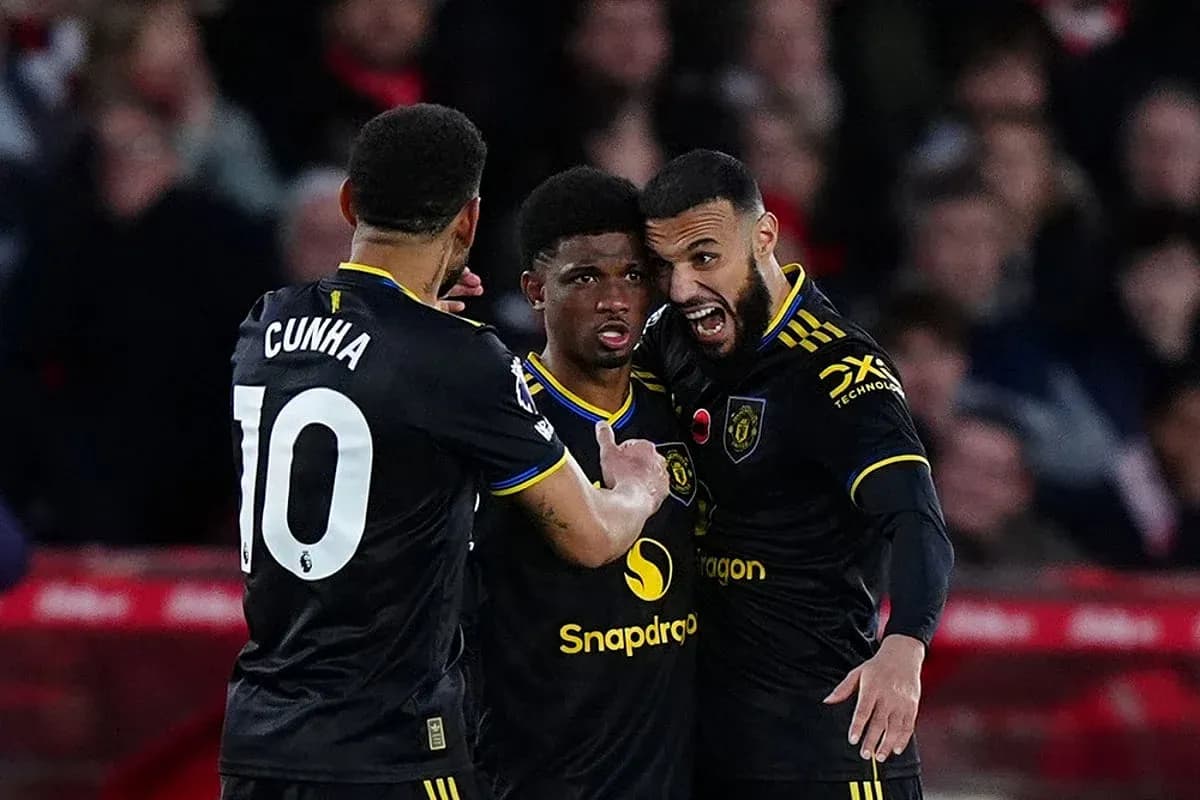
Manchester United vs Nottingham Forest: Premier League Showdown at Old Trafford
Manchester United host Nottingham Forest at Old Trafford in Premier League Regular Season - 37, a late-season fixture with clear stakes at both ends of the table: United, currently 3rd with 65 points in the league phase (63 goals for, 48 against), are consolidating Champions League qualification, while Forest, 16th on 43 points in the league phase (45 scored, 47 conceded), are looking to finally shut the door on any residual relegation risk.
Head-to-Head Tactical Summary
The recent head-to-head record shows a tight, often tactical battle rather than a one-sided matchup, with most games decided by fine margins and several played at the City Ground.
On 1 November 2025 at the City Ground in the Premier League (Regular Season - 10), Nottingham Forest drew 2-2 at home with Manchester United. The half-time score was 0-1, and Forest came back to level in the second half, underlining their capacity to adjust in-game.
On 1 April 2025 at The City Ground in the Premier League (Regular Season - 30), Forest beat United 1-0. The half-time score was 1-0, and Forest protected that lead, suggesting a compact, resilient approach once ahead.
On 7 December 2024 at Old Trafford in the Premier League (Regular Season - 15), Manchester United lost 2-3 at home to Forest. The half-time score was 1-1, and Forest edged a high-scoring second half, showing they can hurt United in transition even at Old Trafford.
In cup play, on 28 February 2024 at The City Ground in the FA Cup 5th Round, United won 1-0 away after a 0-0 half-time, grinding out a narrow victory in a knockout context.
Going further back, on 30 December 2023 at The City Ground in the Premier League (Regular Season - 20), Forest won 2-1 after a 0-0 first half, again turning a tight game their way after the break.
Overall, the pattern across these meetings is of narrow margins, Forest repeatedly competitive at home, and United’s last home outing against Forest ending in defeat, which will shape both teams’ tactical caution here.
Global Season Picture
- League Phase Performance:
Manchester United: 3rd place with 65 points in the league phase, from 36 matches (18 wins, 11 draws, 7 losses). They have scored 63 goals and conceded 48, for a goal difference of +15. At Old Trafford they have 12 wins, 3 draws, 3 losses, with 36 goals scored and 22 conceded, underlining a strong but not flawless home profile.
Nottingham Forest: 16th with 43 points in the league phase, from 36 matches (11 wins, 10 draws, 15 losses). They have scored 45 goals and conceded 47 (goal difference -2). Away from home they have 7 wins, 3 draws, 8 losses, with 26 goals scored and 25 conceded, a relatively robust away record for a bottom-half side. - Season Metrics:
In the league phase, Manchester United’s attacking output is consistent with their table position: 63 goals in 36 matches, averaging 1.8 goals per game, with 2.0 at home and 1.5 away. Defensively they concede 1.3 goals per game overall (1.2 at home, 1.4 away), which points to a solid but not elite back line. They have kept 7 clean sheets and failed to score only 4 times, indicating a generally reliable attack. Discipline-wise, yellow cards are spread across the match, with a notable spike between minutes 46-60 and 76-90, suggesting intensity – and some risk – late in games.
In the league phase, Nottingham Forest average 1.3 goals scored per match (1.1 at home, 1.4 away) and 1.3 conceded (1.2 at home, 1.4 away), almost perfectly balanced. They have 9 clean sheets but have failed to score 14 times, which highlights a more volatile attack: capable of strong away wins (biggest away win 0-5) but also prone to blanks, especially at home. Their yellow-card profile is concentrated in the 46-75 minute window, pointing to increased defensive workload and pressure phases after half-time. - Form Trajectory:
Manchester United form string in the league phase: DWWWL. That run (three consecutive wins followed by a draw and a loss) shows a team that had built momentum but has just been checked. The recent defeat halts what was a strong surge, so this fixture becomes important to re-establish rhythm and secure 3rd place under minimal pressure from below.
Nottingham Forest form string in the league phase: DWWWD. Forest arrive in quietly strong shape: three wins and two draws in their last five, unbeaten over that span. That sequence suggests improved game management and defensive solidity, with a clear upturn compared to their longer, more erratic season pattern. It also means they come into Old Trafford with confidence, particularly given their recent positive head-to-head results.
Tactical Efficiency
Without explicit numerical attack/defense indices from the comparison block, we infer tactical efficiency by aligning the season averages with table context.
For Manchester United, a top-three position in the league phase combined with 1.8 goals scored and 1.3 conceded per game indicates a positive efficiency balance: their attack is productive enough to regularly outscore opponents, while the defense, though not dominant, is adequate when supported by their offensive volume. The spread between biggest wins (up to 4-2 at home and 1-4 away) and relatively modest heaviest defeats (1-2 at home, 3-0 away) suggests that when their attacking structure clicks, they can open up games without being chronically exposed at the back.
Nottingham Forest’s near-symmetry of 1.3 goals for and 1.3 against per match in the league phase is typical of a mid-to-lower-table side that lives on fine margins. Their away profile – 26 scored and 25 conceded – hints at a team more comfortable in a reactive, counter-attacking setup on the road, where they can trade chances but still remain competitive. The fact they have more away wins (7) than home wins (4) supports this reading: their “efficiency” improves when they can sit deeper, compress space, and attack into transition rather than having to break down set defenses.
Discipline and card timing reinforce the tactical picture: both sides accumulate many yellows in the second half, which is consistent with high-intensity, transitional football. United’s willingness to push numbers forward can leave them vulnerable to Forest’s away counter-attacking strengths, as seen in previous high-scoring meetings. Conversely, Forest’s tendency to concede chances but keep games close means their defensive efficiency is good enough to keep them in matches, but any drop in attacking sharpness quickly translates into defeats or goalless outings.
The Verdict: Seasonal Impact
From a seasonal perspective, this fixture is primarily about consolidation rather than transformation, but the stakes are still significant.
For Manchester United, a win would strongly reinforce their hold on 3rd place in the league phase and maintain clear separation in the Champions League positions. It would also arrest the minor wobble implied by the recent loss in their DWWWL run and restore the sense of upward trajectory heading into the final round and into 2026. Dropped points, especially at Old Trafford where they have been strong, would invite pressure from teams immediately below and could turn the final matchday into an avoidable stress test, while also underlining a concerning pattern of struggling against Forest in recent meetings.
For Nottingham Forest, any positive result at Old Trafford has outsized value. With 43 points and a -2 goal difference in the league phase, they are close to the safety threshold; even a draw would push them further from the relegation line and reward their recent DWWWD momentum. A win would likely convert a survival battle into a completed mission, validating the recent upturn in form and their away-first tactical identity. Conversely, a defeat would not be catastrophic on its own, but it would keep the door slightly ajar for late-season pressure if results elsewhere turn against them.
In summary, this is a leverage game: for United, it is about locking in Champions League security and reasserting control after a small dip; for Forest, it is an opportunity to translate a strong recent run and a good head-to-head record into definitive safety. The result will shape not just final table positions but also the narrative of each club’s 2025 campaign – United as stable top-four operators or still volatile, and Forest as either resilient survivors or a side that left the job to the very end.
Related News
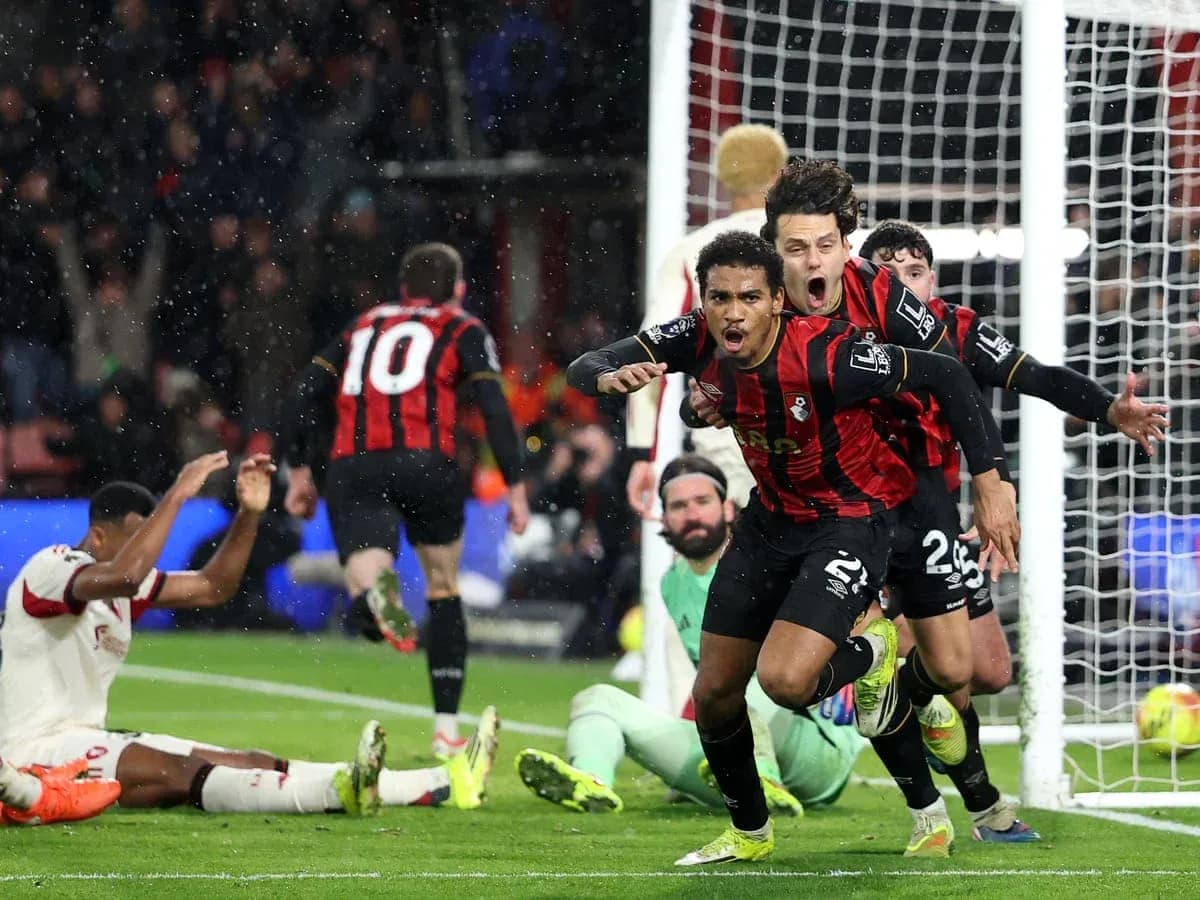
Bournemouth vs Liverpool Prediction: Key Stats and Betting Tips
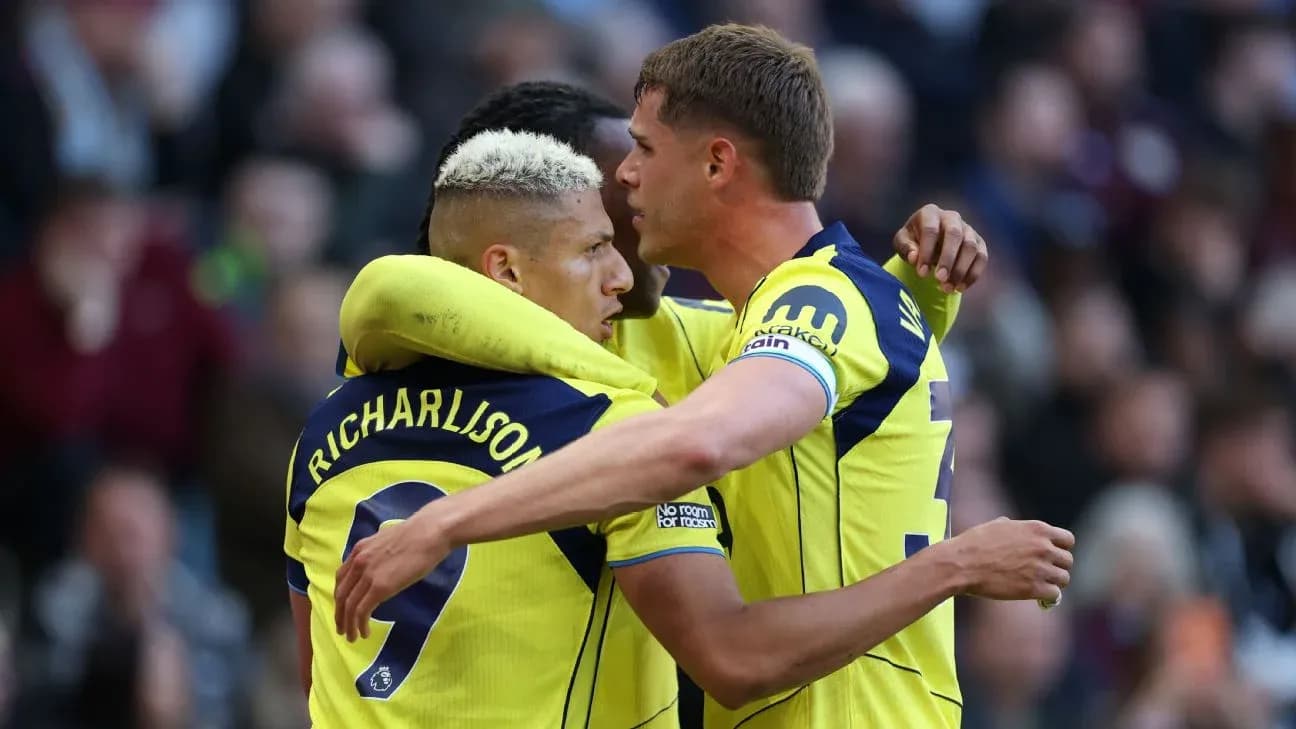
Tottenham vs Aston Villa Predicted Lineups: Team News for Premier League Clash
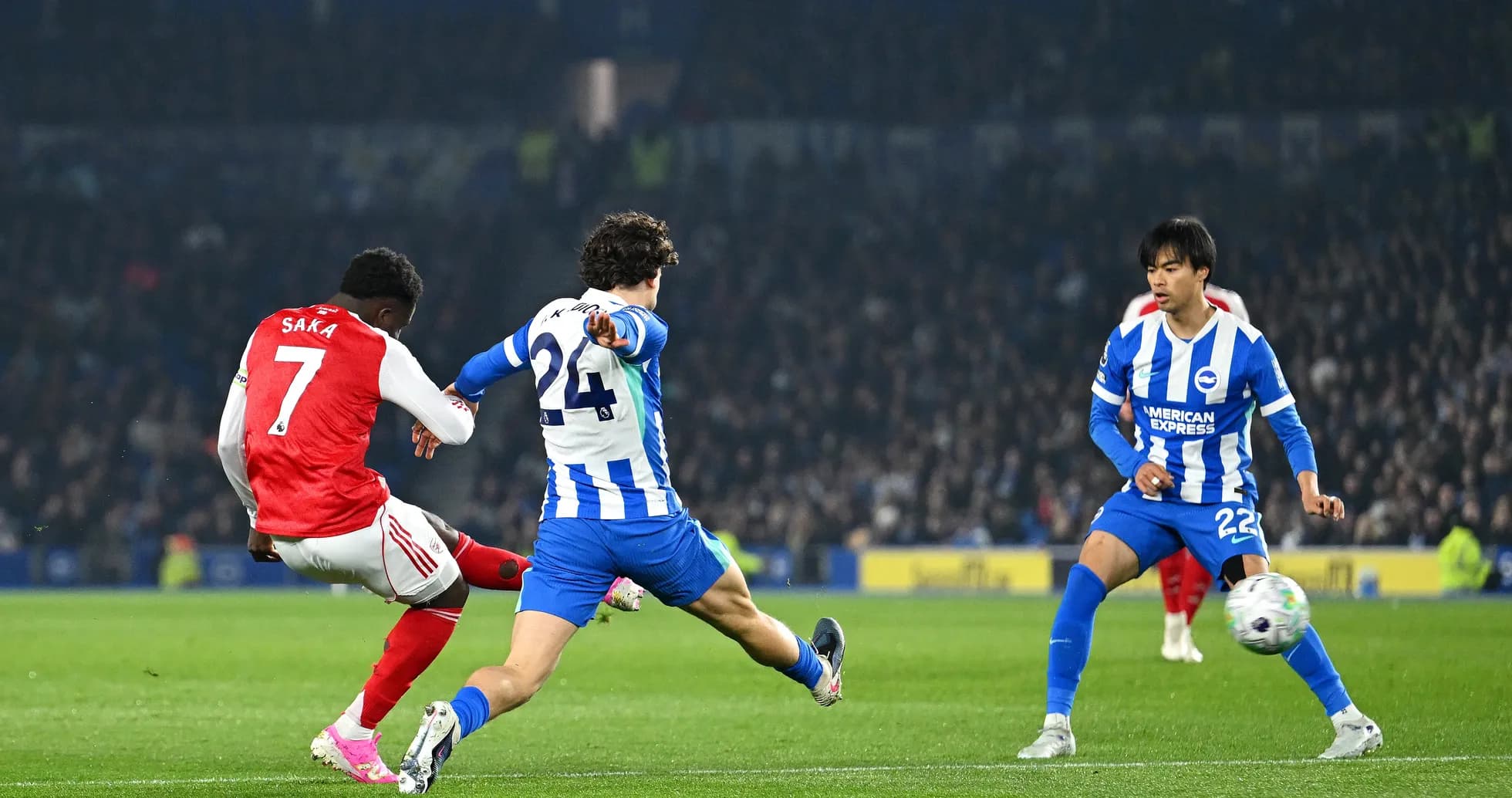
Brighton vs Arsenal: Premier League Clash Preview
Manchester City vs Sunderland: Premier League Clash Preview
Tottenham vs Aston Villa: Early Relegation Battle
Brentford vs Chelsea Predicted Lineups: Team News and Match Insights