
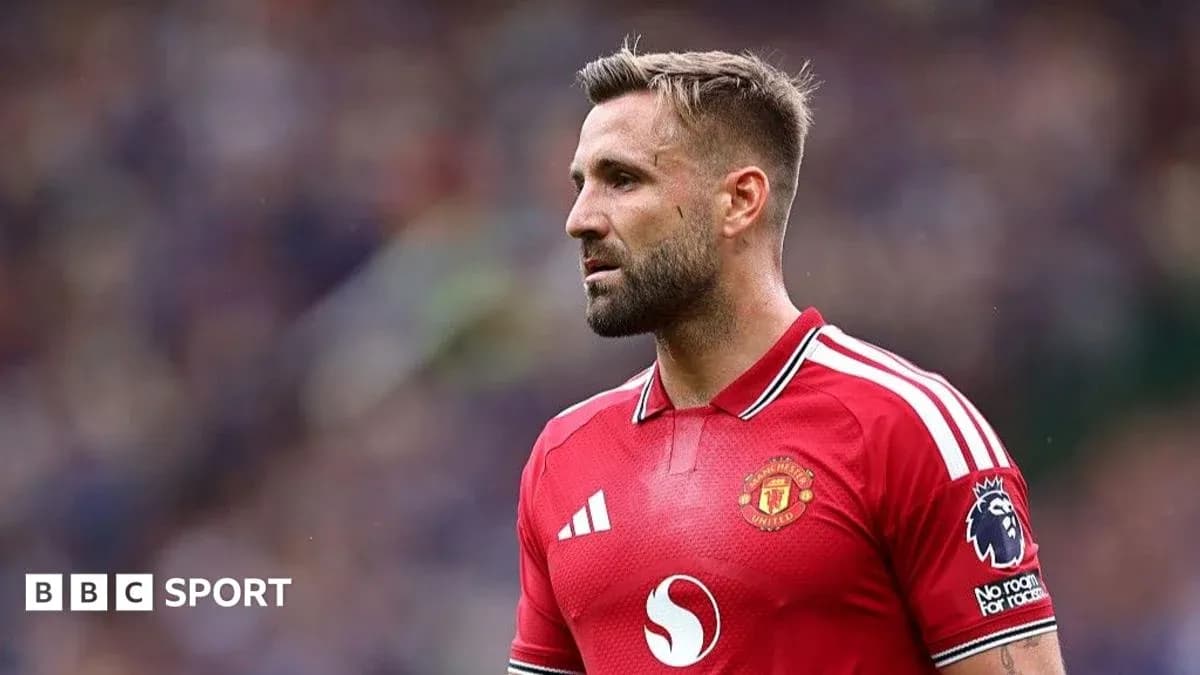
Manchester United's Left-Back Dilemma: Shaw, Amass, and the Missing Reinforcement
As the clock hit 23:00 BST on 1 September and the window slammed shut, one nagging question echoed around Manchester United’s fanbase.
What about a left-back?
All summer, as arguments raged over Michael Carrick’s first full rebuild and how to sharpen a squad that had fallen short, one area looked glaring. One senior, specialist left-back. One player asked to go again and again in a season that could run past 60 matches.
Luke Shaw answered every call last term. Thirty-eight Premier League starts, every single game. For a defender with his injury history, it bordered on remarkable. It also felt unsustainable.
Tyrell Malacia’s exit at the end of June, when his contract expired, only sharpened the concern. The Dutchman had been a logical departure, but it left Shaw alone in his position, at 31, staring at another marathon. A reinforcement felt inevitable. It never arrived.
United’s recruitment team had drawn up a clear list. Lewis Hall at Newcastle. Alejandro Balde at Barcelona. Jorge Salinas at Racing Santander. Names that fit the model: young, technically secure, capable of growing into the role.
The shortlist narrowed. The late push came for Rayan Ait-Nouri, a bold attempt to tempt him across the Manchester divide on loan. City shut that door. For the deal to move, United would have needed to commit to an obligation to buy down the line. They chose not to. They chose to wait for the players they truly wanted.
Now the deadline has gone. The gamble is live.
Hall, the one they really wanted
Inside Old Trafford, there is no secret about it: Manchester United really like Lewis Hall.
If Newcastle had shown the slightest willingness to do a sensible deal, Hall would probably be wearing red already. Conversations made it clear that prising a highly rated 22-year-old from a club already raided by Premier League rivals would come at a huge cost. Too huge.
United’s budget this summer was not limitless. They had already ring-fenced a significant portion for what they viewed as the true priority: midfield. That culminated in a £70m move for Carlos Baleba from Brighton.
Faced with that choice, United backed the midfield rebuild. Hall, they decided, could wait until next summer.
Balde was another option, but only on Barcelona’s terms. United were prepared to take him on loan. Barca would only sell. Salinas had a relatively low release clause, but Atletico Madrid always looked the favourites and moved into pole position. By the time United turned to Argentina defender Nicolas Tagliafico, they were too late – and missed out anyway.
The late contact over Ait-Nouri, prompted by an agent, felt like what it was: a sign of doubt. An acknowledgement from within the club that the path they had chosen was not watertight.
The plan: Shaw, improvisation and a teenager in limbo
So this is the reality. Shaw as undisputed first-choice. Behind him, Noussair Mazraoui as the main back-up option on the left, a role he knows from Morocco duty. Behind them, Diogo Dalot, who has switched flanks before. And Harry Amass, the wildcard.
The Amass situation is puzzling.
A natural left-back from United’s academy, he impressed on loan at Sheffield Wednesday last season before injury struck soon after a winter switch to Norwich. Now 19, he caught the eye again in pre-season, often shadowing Shaw and looking comfortable in senior company.
Yet United were, until very recently, open to letting him go.
The doubts around him are not new. In the summer of 2024, Erik ten Hag left Amass out of his Community Shield squad, even though the teenager had held his own against Mo Salah in a pre-season friendly in the United States a week earlier. Ten Hag felt he was not physically ready for the demands of elite football.
Two years on, logic suggests Amass should be stronger, more robust, more mature. Interest from elsewhere backs that up. There have been multiple enquiries, and his absence from the Premier League 2 game against Leicester on Monday only fuelled the belief he was heading out, most likely on loan.
He stayed. The window closed. And no-one yet knows what his role will actually be in Carrick’s senior group.
Yoro’s emergence and the full-back shuffle
One reason United feel they can stretch Shaw and improvise around him lies on the opposite flank.
Leny Yoro, signed from Lille for £52m in 2024 as a central defender, spent pre-season mostly at right-back. Carrick clearly sees potential there. Against Ipswich on Sunday, Yoro again came on at right-back, replacing Dalot, at the same time Mazraoui entered for Shaw on the left. The reshuffle looked deliberate, not experimental.
Yoro is only 20. He is learning the angles, the timing, the positional detail of full-back play. But he has the raw tools: pace, strength, composure on the ball. United fans only have to glance across the city to see how a similar switch can work. Josko Gvardiol arrived at Manchester City as a central defender and has grown into a formidable full-back.
That is the kind of evolution United are betting on. A flexible back line, rather than a like-for-like deputy for Shaw.
A risk rooted in past mistakes
There is a clear logic behind the stance. United have spent years paying for quick fixes at full-back that never truly convinced. Alex Telles, Matteo Darmian, Sergio Reguilon – different profiles, same conclusion. Short of the standard required.
This summer, the club took a hard line. No overpaying. No panic buys. No fees that did not match their internal valuations. That policy was never going to be ripped up in the final hours for a player they did not fully believe in.
On paper, it makes sense. Protect the budget. Back the players you trust. Avoid another regrettable name on the wage bill.
But football does not live on paper. It lives in the emotion of matchdays, in the noise when Shaw pulls up on 62 minutes of a tight game, or when fixture congestion bites in December and January. It lives in the judgement that follows dropped points and defensive reshuffles that do not quite work.
Manchester United have chosen their risk. They have backed Shaw’s body, Mazraoui’s adaptability, Yoro’s development and Amass’s potential over a big-money move now.
The numbers, the logic and the balance sheet say it is probably the right call.
The season will decide whether it was brave – or reckless.
Related News
Olise and Kane Shine in Bayern's Ballon d'Or Bid
Liverpool Pursue Bayern Prodigy Lennart Karl as Wirtz Struggles
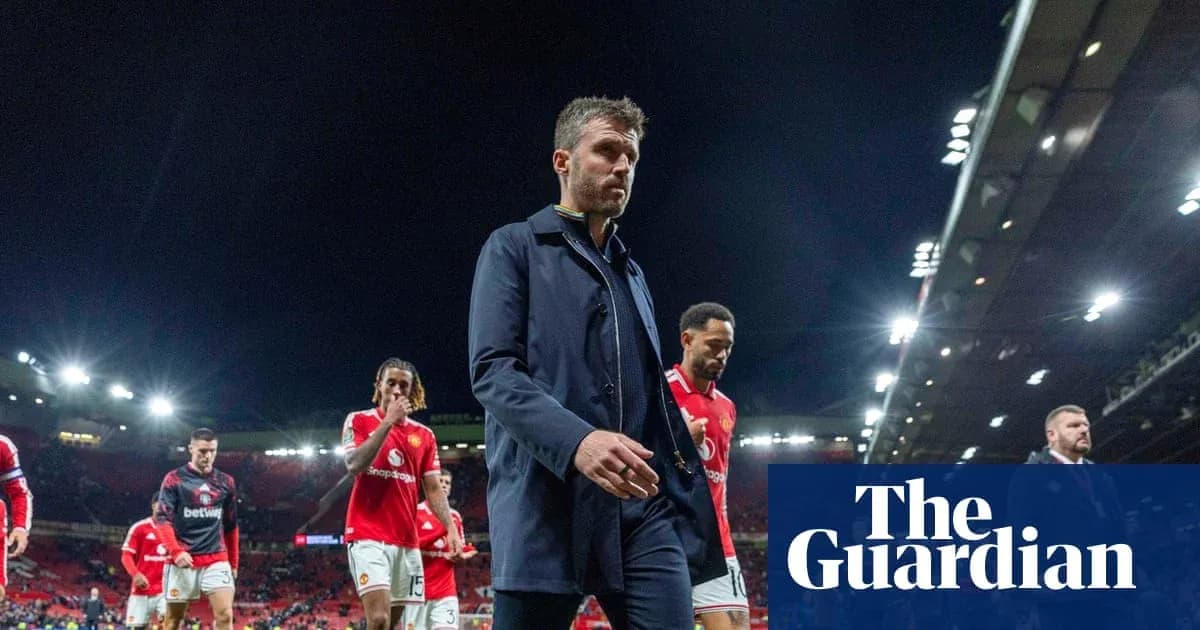
Manchester United's Struggles: Carrick and Wilcox Under Pressure
Arsenal's Max Dowman: Loan Move for Development
Liverpool's Alexis Mac Allister: Contract Situation and Future Prospects
Manchester City Overcomes Liverpool 4-2 in Thrilling WSL Clash