
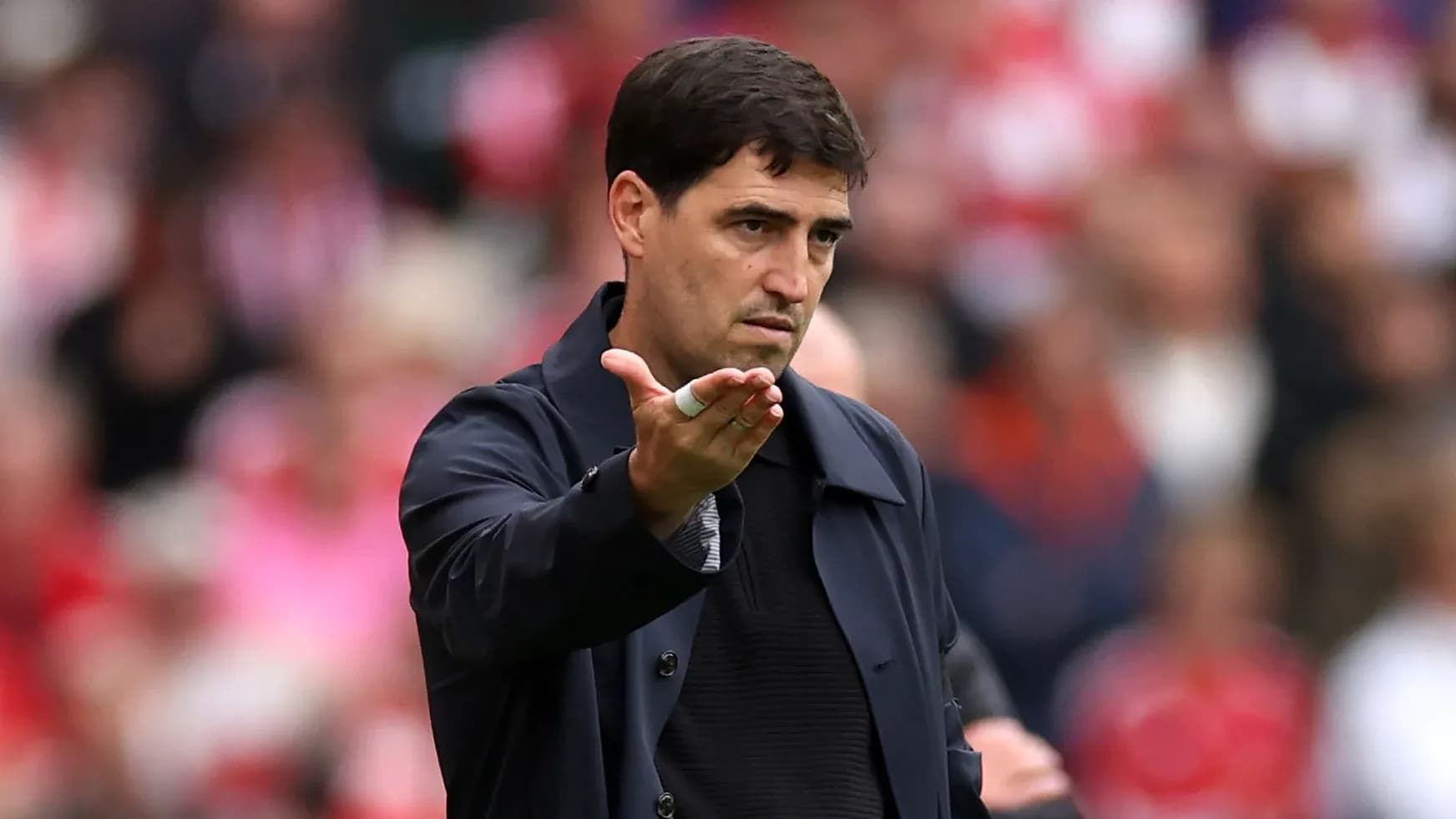
Liverpool's New Attack Strategy After Salah's Departure
Just over two months on from Mohamed Salah’s exit, Liverpool are still walking through unfamiliar territory. The old attacking blueprint, built around the Egyptian’s left foot from the right flank, has gone. In its place, Andoni Iraola is sketching something far less predictable – and far more asymmetric.
The club’s response to losing Salah was bold. Not a like-for-like replacement. No comfort signing to mimic the legend. Instead, Liverpool paid big money for Bradley Barcola, one of the most expensive transfers in their history, and handed him the keys to a very different attack.
Barcola arrives from Paris Saint-Germain with numbers that demand attention: 13 goals and seven assists last season. But he is not Salah. He is right-footed, prefers the left, and does his best work driving inside from that side. Where Salah once cut in from the right to bend games to his will, Barcola now looks to do the same from the opposite wing, flipping Liverpool’s old structure on its head.
That shift has created a clear problem on the other side of the pitch.
Liverpool now have four players whose natural home is the left, yet not a single orthodox right winger in the squad after the summer window slammed shut. The balance of the front line has tilted sharply, and Iraola is racing to correct it on the training ground rather than in the market.
The early experiments have been rough. Teenage prospect Rio Ngumoha was thrown in on the right against Newcastle and found it hard going. Cody Gakpo, asked to plug the gap against Nottingham Forest, offered only a slight improvement. The patterns were disjointed, the threat inconsistent.
Iraola, though, sees an answer in a new face.
Víctor Munoz, another recent arrival, has quickly emerged as a key part of the manager’s plan to rebuild the right flank. On paper, he looks like another left-sided player. On the pitch, Iraola insists, he might be something else entirely.
“Víctor has played more games on the left in his career but has maybe been even better on the right,” the Liverpool manager said before their Premier League trip to Ipswich Town.
That line matters. It hints at a tactical twist: Barcola dominating from the left, Munoz stretching and attacking from the right, and Liverpool’s front line no longer revolving around one man, but a rotating cast of threats.
Yet Iraola is not ready to abandon his young talents for the safer option.
Ngumoha, raw and learning on the job, remains central to his thinking. The manager wants the teenager to grow into the right-sided role, not retreat from it after one difficult outing.
“We know Rio can play on the left and showed his qualities,” Iraola said. “He needs to develop on the right so it gives him more options to play. He is so young. [But] because he wasn't incredible in the first game on the right, we can't say he will never play on the right anymore.”
That is the project in a sentence: accept the short-term pain to build a more flexible, unpredictable front line. Liverpool are not just replacing a star; they are trying to reshape the way the attack functions.
Ipswich Town on Friday will offer another glimpse of this evolving structure. The stakes are already clear. Iraola must find the right blend quickly if Liverpool are to stay ruthless in the final third.
A more traditional right winger, whether Munoz or a developing Ngumoha, could transform life for Alexander Isak. The Swede is built for the penalty area, a powerful presence who comes alive when the ball is whipped into dangerous zones early and often. With proper service from the right, his goal threat climbs. Without it, Liverpool risk turning one of their most imposing weapons into a bystander.
Amid all this change, Cody Gakpo’s role remains quietly significant. Manchester City and Tottenham both tested Liverpool’s resolve late in the window, but the Dutchman stayed put and still has a major part to play. His ability to operate across the front line will be crucial as Iraola rotates, experiments and searches for the right combinations in this new era.
Salah’s shadow still hangs over Anfield, but Liverpool have chosen not to chase it. They have turned the attack inside out, handed responsibility to Barcola, and thrown open the door to Munoz and Ngumoha on the right.
The question now is simple: how quickly can this new shape start to look like a contender’s attack, rather than a work in progress?
Related News
Bristol City Shows Character in 1-0 Win Against Watford
Brentford Triumphs Over Chelsea as Thiago Ends Goal Drought
Liverpool Scouts Leicester Teenager Louis Page
Shamrock Rovers Edge Waterford in Thrilling Clash

FC Cincinnati Signs Tyrell Malacia: A Strategic MLS Move
Chelsea Struggles Against Confident Brentford in 3-0 Defeat