
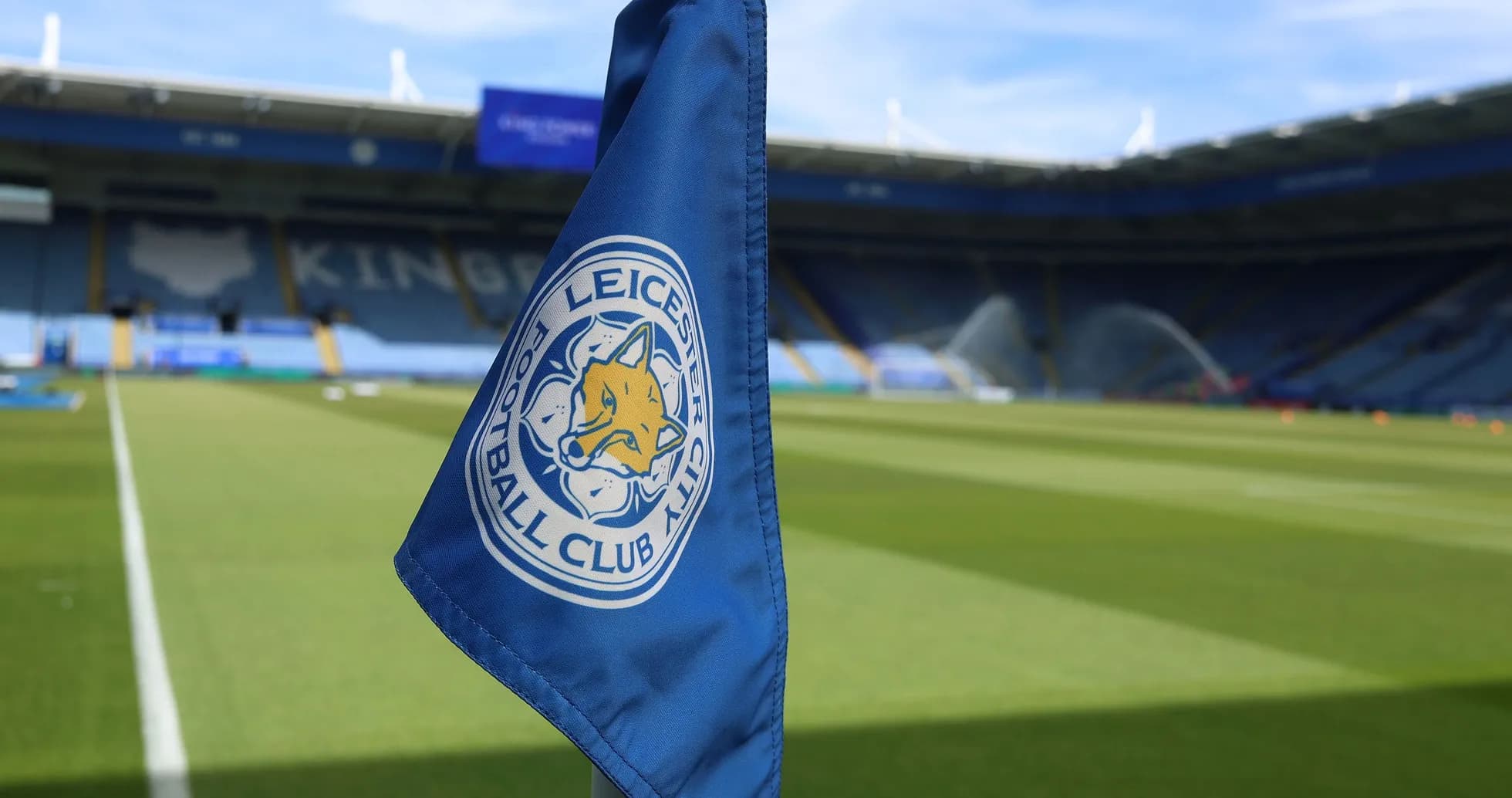
Leicester City Put Up for Sale as King Power Era Ends
Leicester City’s owners have formally put the club on the market, instructing US banking giant Citigroup to find a buyer as the King Power era edges towards its conclusion.
An eight-page sales brochure, seen by potential investors and titled “Project Lineup”, lays out the offer in stark, glossy detail. It is not just a team that is for sale. The package wraps together the men’s first team, the women’s side, the 32,000-seat King Power Stadium and the Seagrave training complex, the latter billed as one of the finest facilities in the country.
The numbers are eye-catching. The club’s physical assets are valued at more than £200 million, with Seagrave alone carrying a £121 million tag just a few years after its 2020 opening. Yet when it comes to the players themselves, the brochure steps away from hard figures. There is no firm valuation on the squads. Instead, Citigroup leans on narrative, calling it “a rare opportunity to acquire a club with an excellent track record of winning promotions to higher divisions.”
That line lands differently when set against the recent balance sheets.
Behind the brochure gloss sits a club that has been burning through money. Forecasts point to turnover of more than £97 million for the 2026 financial year, but the recent past has been brutal. Between 2023 and 2025, Leicester posted combined losses of more than £180 million. The 2025 accounts also revealed a heavy debt load, including £103.6 million in bank loans. For a club now preparing for League One, the financial strain is impossible to ignore.
The decision to sell does not exist in a vacuum. In Thailand, the King Power duty-free empire, led by chairman Aiyawatt “Top” Srivaddhanaprabha, is wrestling with its own economic pressures. The once seamless alignment between a booming retail business and an ambitious English club — so powerful under the late Vichai Srivaddhanaprabha — has been jolted by global market shifts and changing travel patterns. What used to feel like a perfect fit now looks like a stretched partnership.
King Power’s journey with Leicester began in 2010, when the Srivaddhanaprabha family bought the club from Milan Mandaric for around £35 million. From there, the story turned into one of the great modern football fairy tales: promotion, consolidation, and then the astonishing Premier League title in 2016, followed by an FA Cup triumph and regular European nights. Leicester shifted from Championship hopefuls to global reference point.
That glow has dimmed. Back-to-back relegations have dragged the club into the third tier and dragged the mood with it. Frustration has hardened into anger. Protests outside the stadium after their Championship relegation underlined the scale of the disconnect between boardroom and terraces. For many supporters, the sale process feels like the inevitable end to a relationship that once felt unbreakable.
Even now, the brochure works hard to remind would-be buyers what Leicester still represent. It proudly places the Foxes among an elite group: one of only five clubs to have won all three major English trophies — the Premier League, FA Cup and League Cup — since 2000. That line is not nostalgia; it is leverage, a reminder that this is a club with proven capacity to hit the very top.
Another pillar of the pitch is the academy and recruitment structure. Citigroup hails a “strong talent pipeline backed by leading scouting infrastructure, active transfer management and highly developed academy system consistently producing top players.” The recent £10 million sale of academy graduate Jeremy Monga to Manchester City is wheeled out as fresh proof that the production line still works, even as the first team slides down the pyramid.
While “Project Lineup” does the rounds in financial circles, reality bites closer to home. Leicester are about to start a League One campaign for only the second time in their history, opening with a trip to Notts County on Saturday. The club that once stared down Europe’s elite now faces cold afternoons, smaller grounds and the grind of the third tier.
A new owner will inherit the stadium, the training ground, the history and the debt — and a fanbase that has tasted the summit and is now staring at the foothills again. The brochure sells potential. The pitch this weekend will show exactly how far there is to climb.
Related News
Transfer Rumors: Haaland’s Two Options; Real Madrid Targets $100 Million Premier League Star
Manchester United Targets Premier League Forward to Strengthen Attack

Liverpool Eyes 17-Year-Old Mexican Midfielder Gilberto Mora for Summer Transfer
Summer 2026 Transfer Window: Manchester United and Tottenham Struggle with New Signings
Liverpool Maintain Interest in Real Madrid Midfielder Amid Transfer Challenges
Transfer Insider Warns Tottenham About Costly Sale of Will Lankshear