
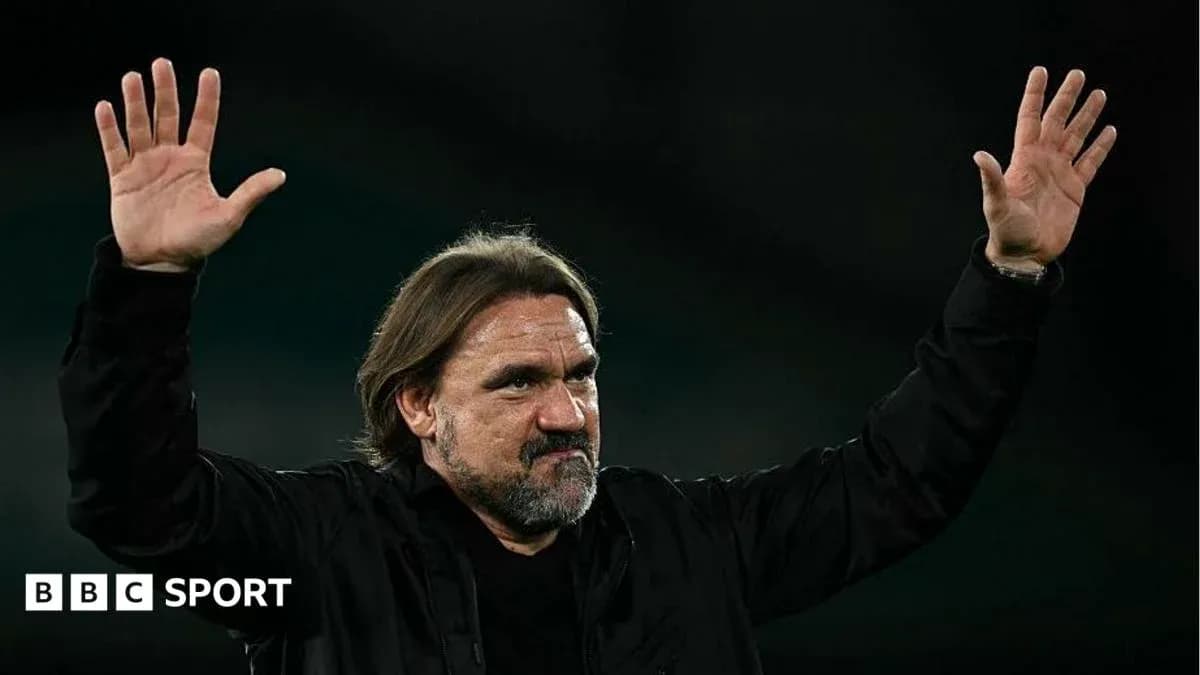
Leeds United's Tactical Transformation: Farke's Game-Changing Strategy
The Premier League table is only just beginning to settle, but there’s a familiar name lurking near the top. Leeds United, third in the standings, suddenly look like a throwback to the early 2000s, when Elland Road routinely gazed down on most of the division.
Monday night’s 4-1 dismantling of Newcastle United did more than light up LS11. It confirmed that Daniel Farke’s unbeaten side have made their best start to a top-flight campaign since the 2001-02 season under David O’Leary. Eight points from four games, and the sense that this hasn’t come out of nowhere.
This surge has roots. Clear ones.
The night everything shifted
Roll back to 29 November at Etihad Stadium. Leeds trailed Manchester City 2-0 at half-time, a scoreline that flattered nobody in white. Farke, under pressure and running out of patience with his back four, tore up the plan.
He switched to a back three.
The response was immediate. Leeds fought back to 2-2, dragged themselves level against the champions and only fell in stoppage time. On paper, it was another defeat. On the pitch, it felt like a turning point.
From the following game – a home win over Chelsea on 3 December – the numbers tell the story. Leeds have lost only five of their past 29 league matches. Over that stretch, their results would place them fifth in a notional table. That’s not a blip. That’s form.
The tactical shift did what it was supposed to do: solidify a leaky defence. Among the ever-present clubs in the division, only Arsenal, City and Nottingham Forest have conceded fewer goals since the change. But the impact has rippled far beyond the back line.
Built for the Premier League fight
Farke and new sporting director Adam Underwood went into the 2025 summer window with a clear idea of what they wanted: height, power, presence. Leeds had been one of the smallest sides in the Premier League. That had to change.
Of the 10 permanent signings, eight stand over 6ft tall: Jaka Bijol, Sebastiaan Bornauw, Dominic Calvert-Lewin, James Justin, Lukas Nmecha, Noah Okafor, Lucas Perri and Anton Stach. It was not an accident.
Speaking in July 2025, Farke was blunt about the logic. Joining the Premier League with one of the smallest squads meant more pressure in the air, more crosses to defend, more set-piece duels to survive. Leeds needed to grow – literally – to cope.
They also had to react to departures. When centre-back Pascal Struijk left for Brighton, Leeds responded by bringing in two World Cup defenders: Tarik Muharemovic of Bosnia-Herzegovina and Switzerland’s Nico Elvedi.
Muharemovic, despite a late mistake that gifted Bazoumana Toure his consolation goal for Newcastle, has impressed most. He has not missed a league minute, stationed in front of 6ft 5in England international James Trafford, who became the most expensive British goalkeeper in history for the second time when he joined from City for an initial £40m.
Add Harry Wilson, signed on a free from Fulham after standing out as one of the league’s best performers last season, and the recruitment drive starts to look razor sharp rather than merely pragmatic.
From relegation fear to European talk
It’s easy to forget how precarious this looked not so long ago. Leeds lost eight of their first 13 league games in 2025-26. They sat 18th. Relegation was not a theoretical concern; it was staring them in the face.
Reports at the time suggested Farke, fresh from edging Burnley to the Championship title, was close to the sack. The formation switch, and the change in profile of the squad, have dragged the club away from that cliff edge.
The defensive numbers are the obvious headline, but the system has unlocked something at the other end too.
Calvert-Lewin, finally unleashed
No player has benefited more from Farke’s tweaks than Dominic Calvert-Lewin.
For months he had laboured as a lone striker in a 4-3-3, feeding off scraps, isolated and waiting for support that rarely arrived from the flanks. The move to a back three, and the flexibility between 3-4-3 and 3-5-2, has put bodies around him. It has changed his job – and his mood.
“I enjoy having bodies around me,” Calvert-Lewin has admitted. It shows.
Since last December, only Erling Haaland, Ollie Watkins and Joao Pedro have scored more Premier League goals than Calvert-Lewin’s 14. He has thrived with a proper partner alongside him, often Lukas Nmecha or Noah Okafor, who himself has produced seven goals and an assist in his past 11 league appearances.
The attack now feels layered, not one-dimensional. Runners from deep, wide threats, a focal point who finally has help.
Eyes on Europe – and England
The question now is not whether Leeds can stay up. It’s how high they can climb.
With Crystal Palace visiting Elland Road on Saturday, Calvert-Lewin is chasing a slice of history. He could become the first Leeds player to score in six consecutive league home games since Arthur Hydes in 1932. Nearly a century of waiting hangs over that record.
The former Everton forward missed out on England’s World Cup squad, a blow that might have broken a different player at a different time. Instead, with three goals in all competitions already this season, he has powered his way back into the conversation.
On Friday, as Thomas Tuchel finalises his squad for a Nations League quadruple-header, Calvert-Lewin’s name will be hard to ignore.
Leeds, back in the top three, built on height, aggression and a daring tactical gamble, are forcing people to look up again. The only unknown now is whether this resurgence ends with a European anthem echoing around Elland Road.
Related News
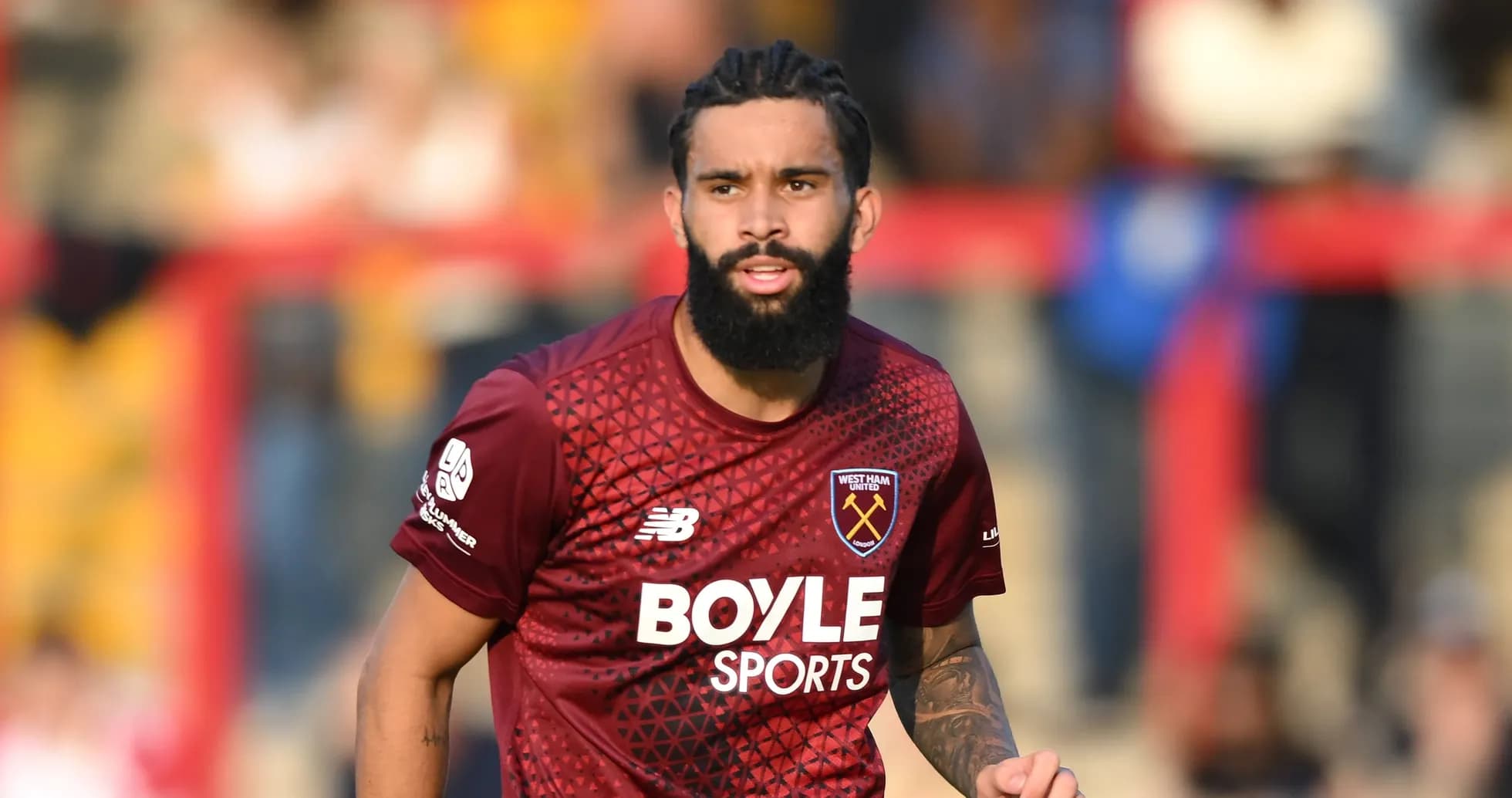
Pablo Felipe Scores First Goal for West Ham in Cup Tie

Max Dowman Shines in EFL Cup, JJ Gabriel Seeks Exit from Manchester United
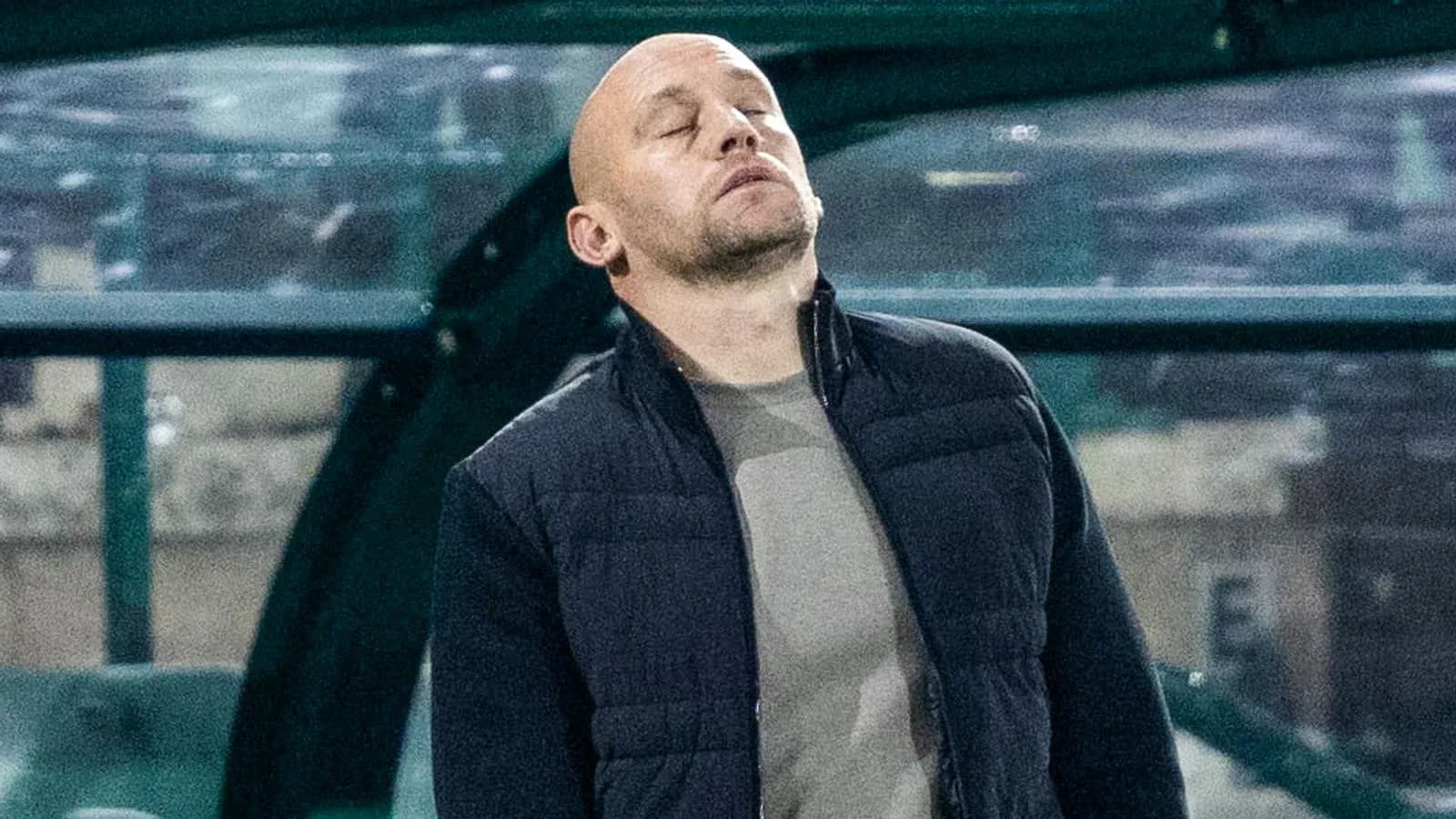
Hibernian Sack Coach David Gray Amidst Poor Performance
David Gray's Hibernian Tenure Ends After Six Games
Juventus vs NEC Nijmegen: Spalletti's Focus on Mentality

Cristiano Ronaldo's Future at Al-Nassr in Question After AFC Champions League Defeat