
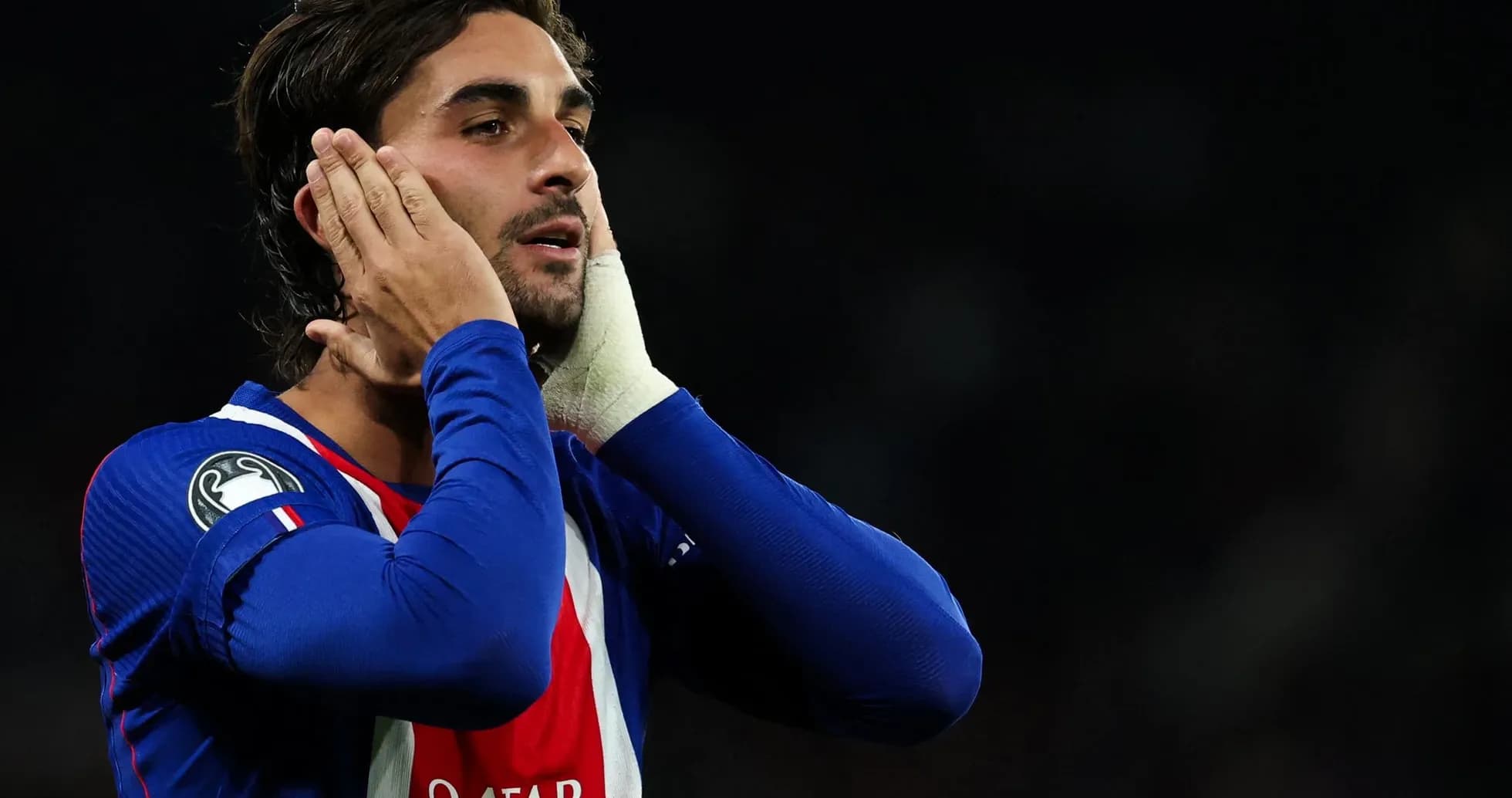
From La Liga to PSG: A Summer of Change
Leaving Catalonia in the summer did not just mean changing shirts and stadiums. For a 26-year-old settled in his routines, it meant tearing up everyday life and starting again. The football part? That clicked quickly. The rest – the language, the rhythm of the city, the sense of being a stranger in a new country – bit harder.
Paris can be unforgiving, but the Parc des Princes offered a soft landing. Inside that dressing room, there were familiar voices and familiar ideas. Luis Enrique was waiting, the coach he sees as a father figure in the game. Fabian Ruiz was there too, another Spanish reference point. So was Dro Fernandez, shaped like him in the Barcelona academy before their paths crossed again in the back-to-back European champions’ squad.
The move itself arrived like a storm. One moment he was a fixture in La Liga, the next he was gone, swept into the churn of the modern transfer market. He admitted the speed of it all caught him out, describing the chaos of a business where certainty barely lasts 24 hours.
"It’s difficult: one day you’re here and the next you’re packing your bags," he said. The line summed up a summer that moved faster than he could process. Still, he kept enough humour to look back at what he’d left behind. "The only one I can’t bring with me is Pedri," he joked, a nod to the bond with his former Barcelona team-mate.
Any turbulence off the pitch has not touched his game. Once the whistle blows, the doubts disappear. Seven goals in his first six matches have turned him from new signing into cornerstone, a forward Luis Enrique can build around rather than just rotate. His runs stretch defences, his finishing punishes them. Very quickly, he has become a key weapon in the manager’s tactical armoury.
That surge in Paris follows a summer that already belongs in Spanish football history. On the biggest stage of all, he delivered the moment that will define a generation: the winning goal in Spain’s 1-0 victory over Argentina in the World Cup final. One strike, one trophy, a lifetime of replays.
That combination – decisive on the world stage, relentless at club level – has pushed him into the conversation for the game’s highest individual honour. His name sits on the 30-man Ballon d'Or shortlist, alongside compatriots Lamine Yamal, Pau Cubarsi, Marc Cucurella, Rodri and PSG team-mate Ruiz. It is a roll call that underlines Spain’s resurgence at the top of the sport.
He refused to turn that recognition into a personal campaign. No slogans, no public lobbying. "Whoever’s meant to win it will win it; it’s not up to me," he said, distancing himself from the noise around the award before adding the one condition that matters to him: "If a Spaniard wins it, so much the better."
For now, his focus stays closer to home. He has forced his way into Enrique’s plans; the real test is staying there. Keeping this ruthless scoring rhythm will decide more than just his minutes. It will shape his status in the dressing room and drive PSG’s push on two fronts – the grind of the domestic season and the unforgiving demands of Europe.
He has already changed country, language and league. If he keeps striking at this rate, the next thing he changes might be the balance of power in the Ballon d'Or vote.
Related News
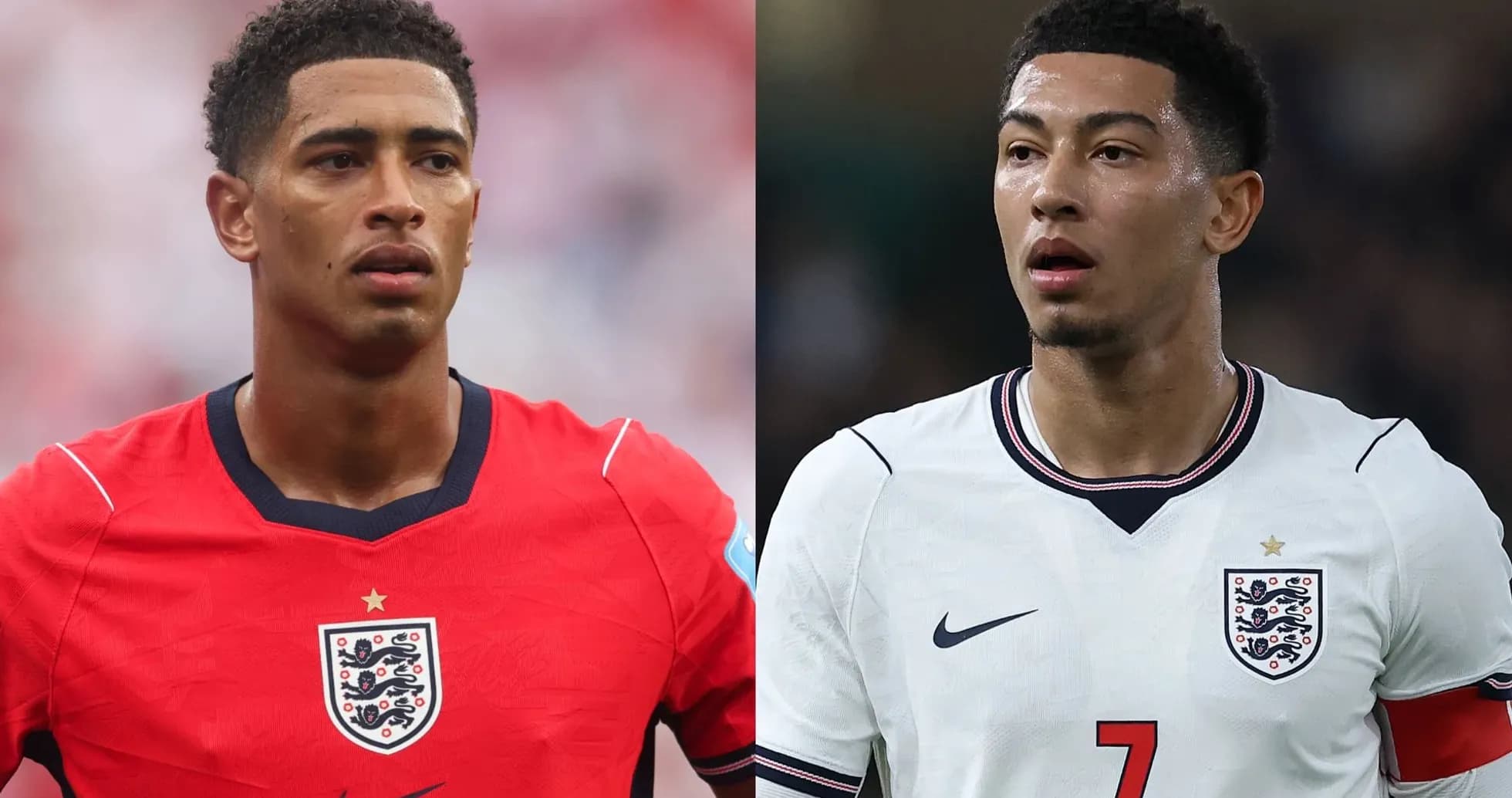
Jude and Jobe Bellingham: Brothers Chasing Greatness at England
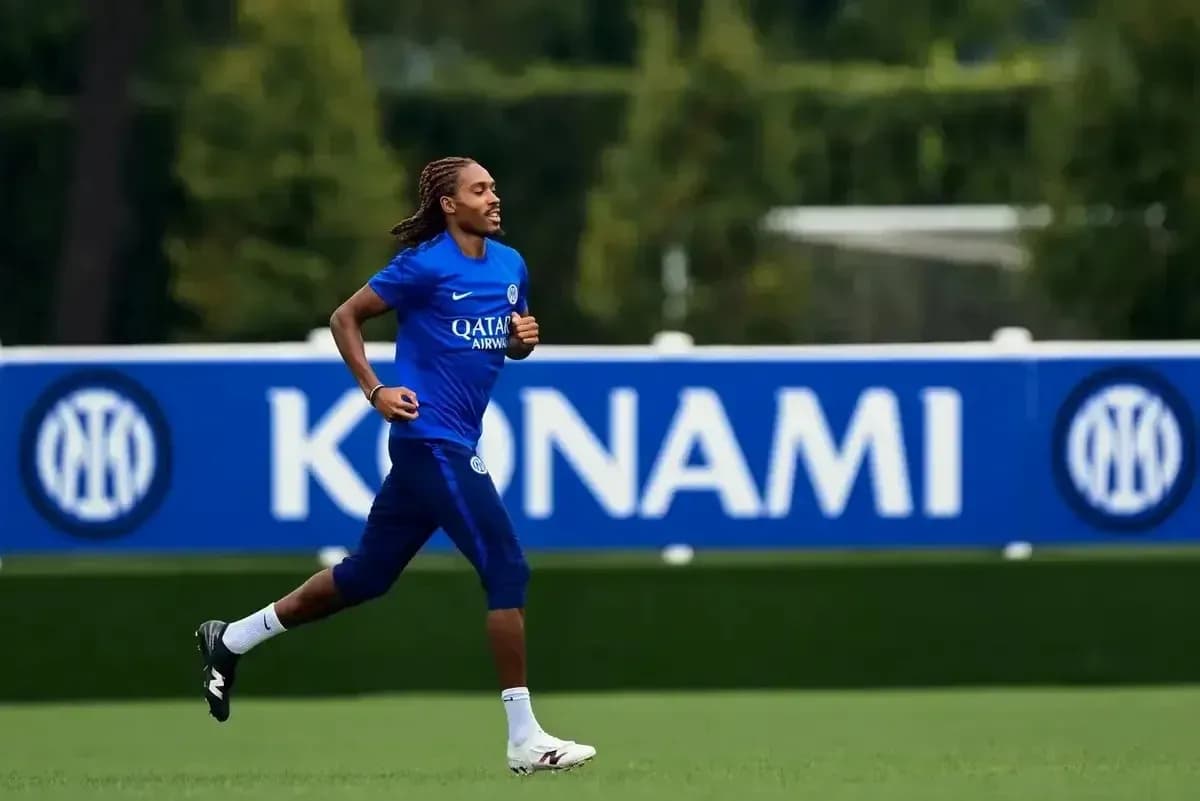
Djed Spence Set for Inter Debut Against Parma
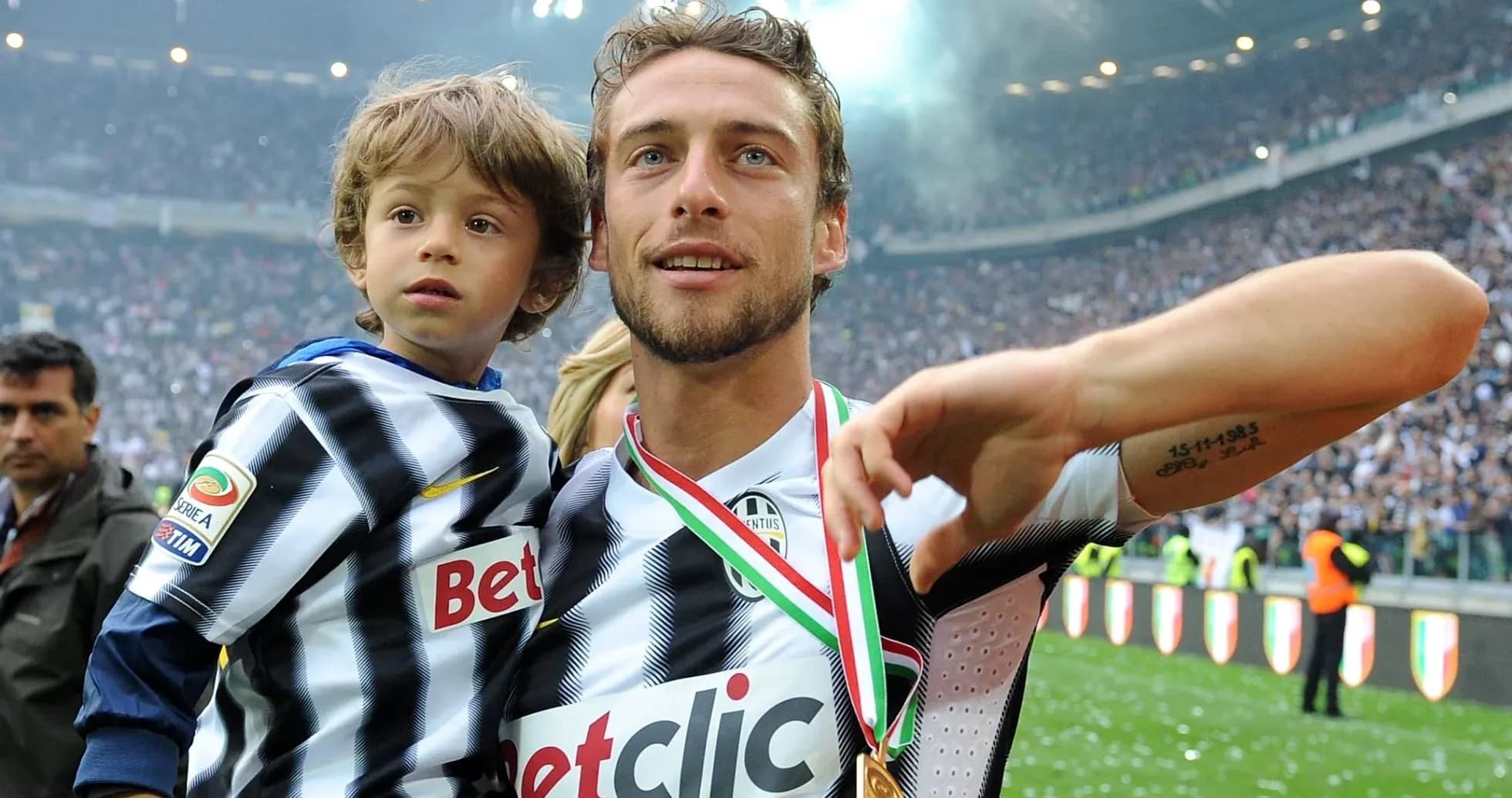
Juventus Signs Davide Marchisio to Professional Contract Until 2028
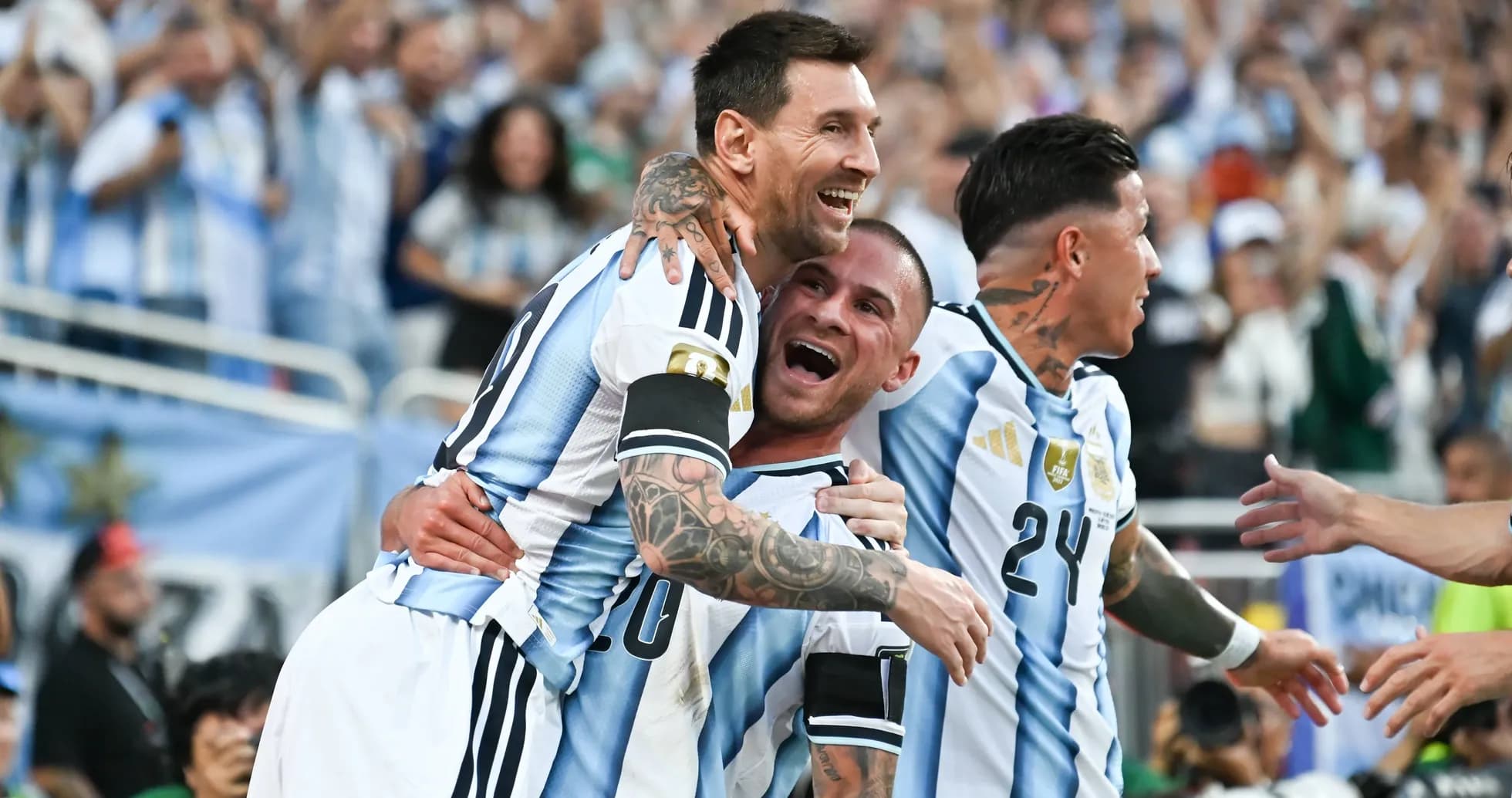
Alexis Mac Allister Reflects on Messi's Impact and Argentina's Future
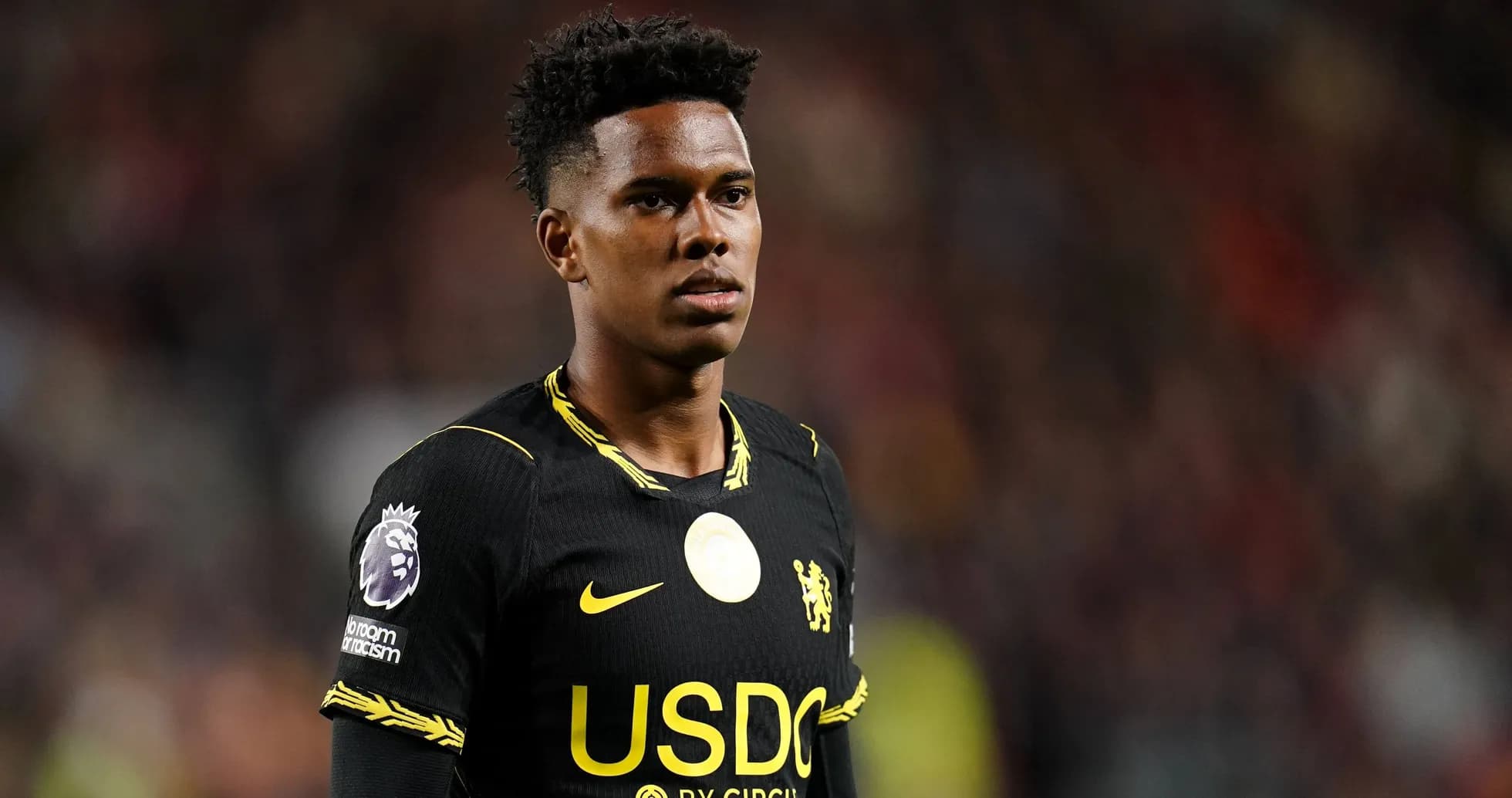
Estevao Focuses on Performance Amid Chelsea Selection Debate
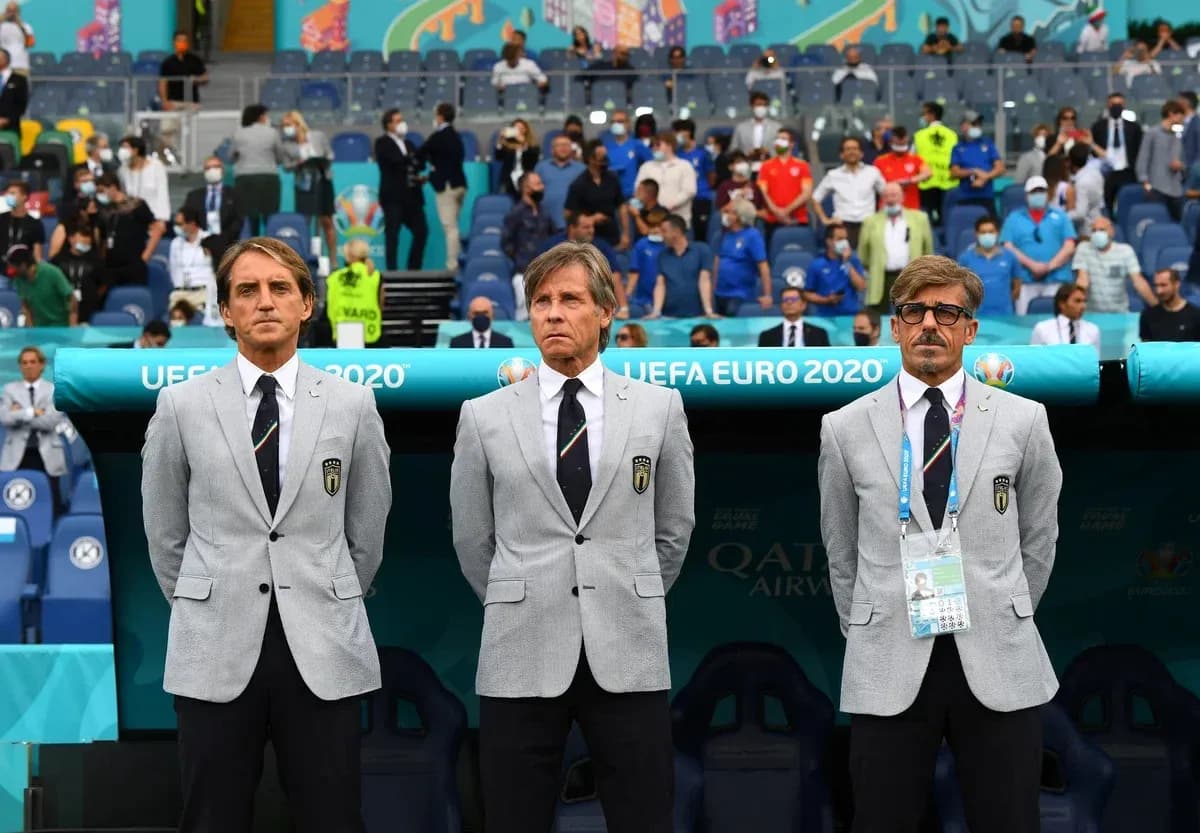
Oriali Warns of Italy’s Difficult Spell and Criticizes Shameful Juve Ultras