
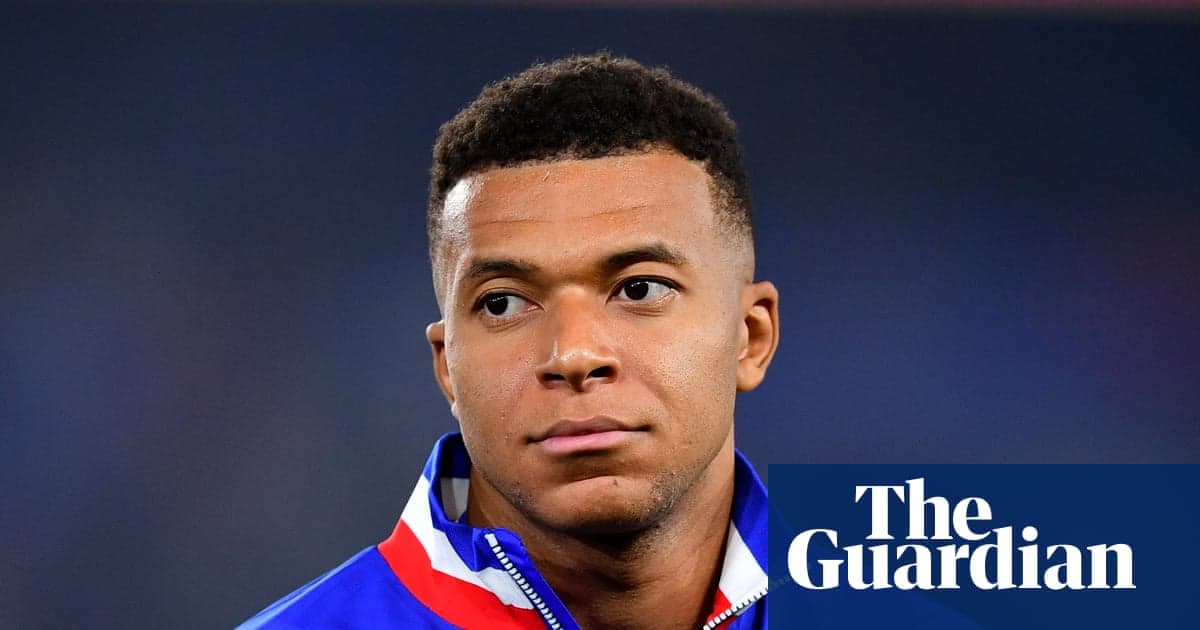
Kylian Mbappé Faces Political Storm After National Rally's Response
Kylian Mbappé is used to hostile crowds and high‑pressure nights. What he walked into this week was something different: a full‑blown political storm.
The France captain has infuriated Marine Le Pen’s far-right National Rally after warning about the prospect of the party taking the Elysée in next year’s presidential election. Speaking to Vanity Fair, Mbappé, 27, did not bother with coded language.
“I know what it means and what consequences it can have for my country when people like them come to power,” he said.
Those few words were enough. The reaction from the RN was instant and calculated.
Bardella swings back
Jordan Bardella, 30, the National Rally president and the party’s rising star, reached for football to land his counterpunch. Mbappé’s decision to leave Paris Saint-Germain in 2024 for Real Madrid remains a sore point for many in France. PSG promptly lifted the Champions League the following season without him.
“I know what happens when Kylian Mbappé leaves PSG: the club wins the Champions League! (And maybe soon a second time),” Bardella posted on social media, turning Mbappé’s career move into a political punchline.
The message was clear: the country, like PSG, might flourish without listening to its most famous striker.
Marine Le Pen followed up with her own jab. Speaking to RTL radio, she said she was almost reassured that Mbappé did not want her party to win, arguing that his personal blueprint for success had failed.
“He left PSG to win at Real Madrid and it didn’t work,” she said, before insisting football fans did not need guidance from their captain. “Frankly I think football fans are free enough to know who to vote for without being influenced by Mbappé.”
Inside the party, the line hardened quickly. Julien Odoul, RN MP and spokesperson, reminded Mbappé of his armband and what it represents. As captain of France, he argued, Mbappé must embody the whole country – “including the millions of RN voters” – and should not turn into a “political activist.”
A long-running feud
This is not a new clash. Bardella and Mbappé have been circling each other for years, trading blows at the intersection of politics, identity and sport.
During France’s snap parliamentary election in 2024, Mbappé watched the RN’s advance with alarm. A child of Paris’s northern suburbs, with Algerian and Cameroonian roots, he has long pushed back against the stereotypes attached to those neighbourhoods. When the RN made big gains, he called the result “catastrophic.”
Bardella pounced then too, accusing wealthy athletes of lecturing struggling voters. It was, he said, embarrassing to see “deep-pocketed” stars “give lessons to people who can no longer make ends meet, who no longer feel safe.”
The accusation has followed Mbappé ever since: too rich, too distant, too famous to talk about politics. He addressed it head-on in Vanity Fair.
“Even as a footballer, you’re foremost a citizen. We’re not disconnected from the world … or from what’s happening in our country,” he said. “People sometimes think that because we have money, because we’re famous, these kinds of problems don’t affect us.” Footballers, he insisted, “have our say, like everyone.”
The RN’s surge in parliament in 2024, he added, jolted dressing rooms as well as households. “We’re citizens and we can’t just sit there saying all will be fine and go and play. We have to fight this idea that a footballer should just be content to play and keep quiet.”
Symbol of a different France
Mbappé is more than a forward in a No 10 shirt. He is the face of a national team that has become shorthand for a multicultural, modern France – the latest chapter in a story that began in 1998.
He was born that year, as Zinedine Zidane led France to a home World Cup triumph and politicians hailed the “Black-Blanc-Beur” team – Black, White, Arab – as proof that the country’s identity wounds could be healed on a football pitch. That promise has frayed, but the symbolism endures, and Mbappé stands at its centre.
This summer, many see his France as favourites to win the World Cup again. Every word he utters now carries the weight of that platform. Every intervention risks being dragged into the electoral battlefield.
For the RN, that creates a dilemma. Publicly taking on Mbappé delights the party’s base and allows Bardella to cast himself as the voice of “ordinary” France against a global superstar. Yet it carries obvious danger.
William Thay, of the thinktank Le Millénaire, believes Bardella’s move this week was tactically sharp. Mbappé’s aura has dimmed in some quarters since he left PSG, with critics pointing to underwhelming returns at Real Madrid and a perceived streak of arrogance. Attacking him now, Thay argued, may not be as risky as it once was.
But he also warned of the cost. Going after one of France’s biggest sporting icons, he said, could undercut the RN’s efforts to reassure more moderate voters who already fear the party will deepen social fractures.
That is the fault line opening up: a far-right movement trying to look respectable, a global star refusing to stay silent, and an election year looming. In France, the argument over who speaks for the nation is no longer just fought in parliament or on talk shows.
It is playing out in the penalty area, too.
Related News
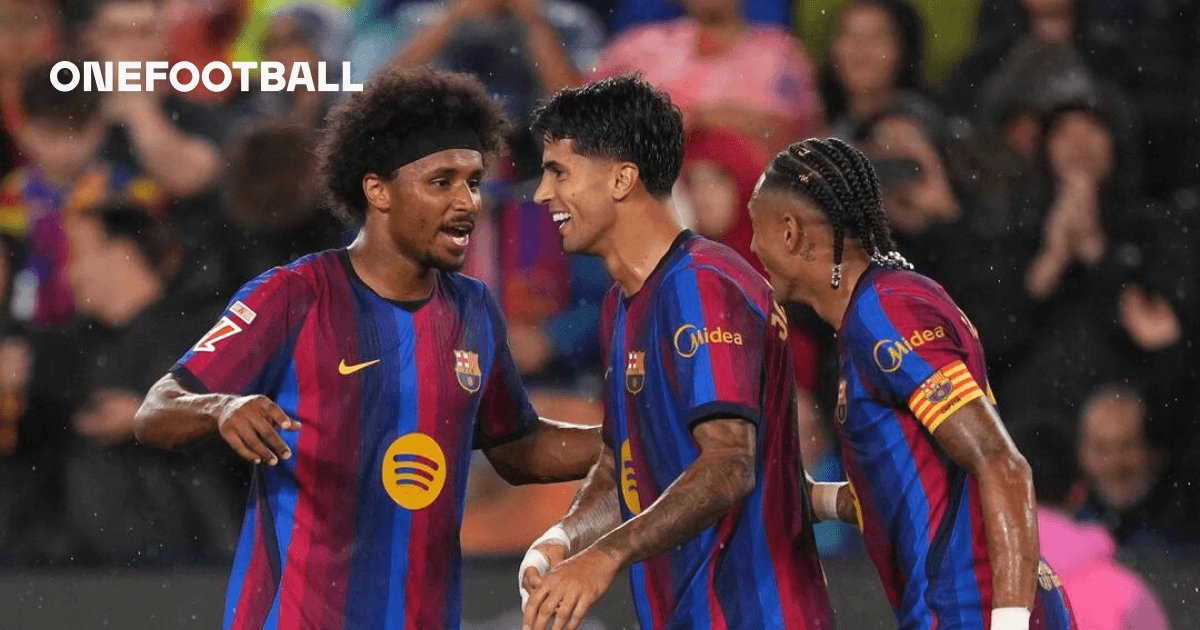
Raphinha’s Hat-Trick Powers Barcelona to 7-2 Victory Over Racing Santander
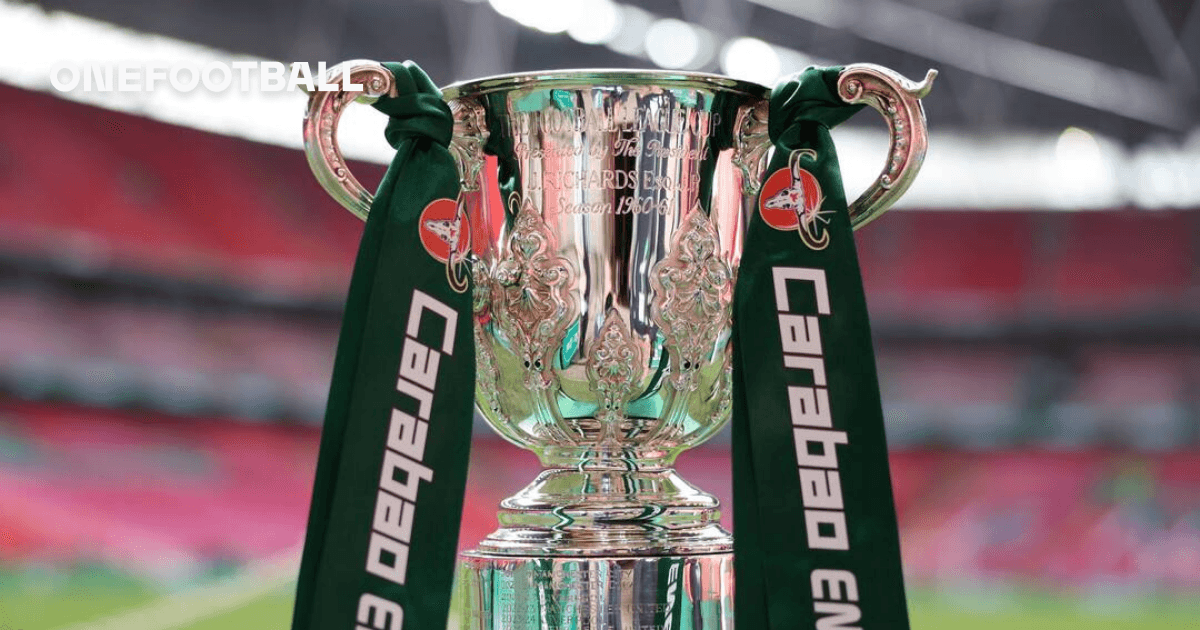
Carabao Cup Fourth Round Draw: Liverpool Set to Clash with Chelsea, Arsenal to Face Fleetwood Town
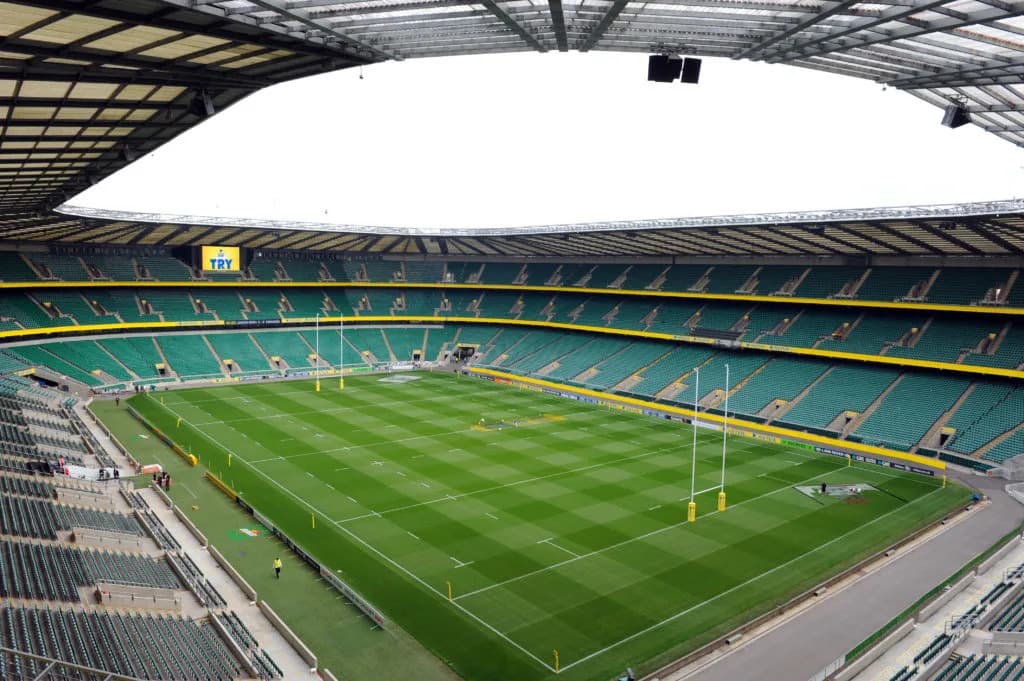
Key Football Matches to Watch in Azerbaijan This Autumn
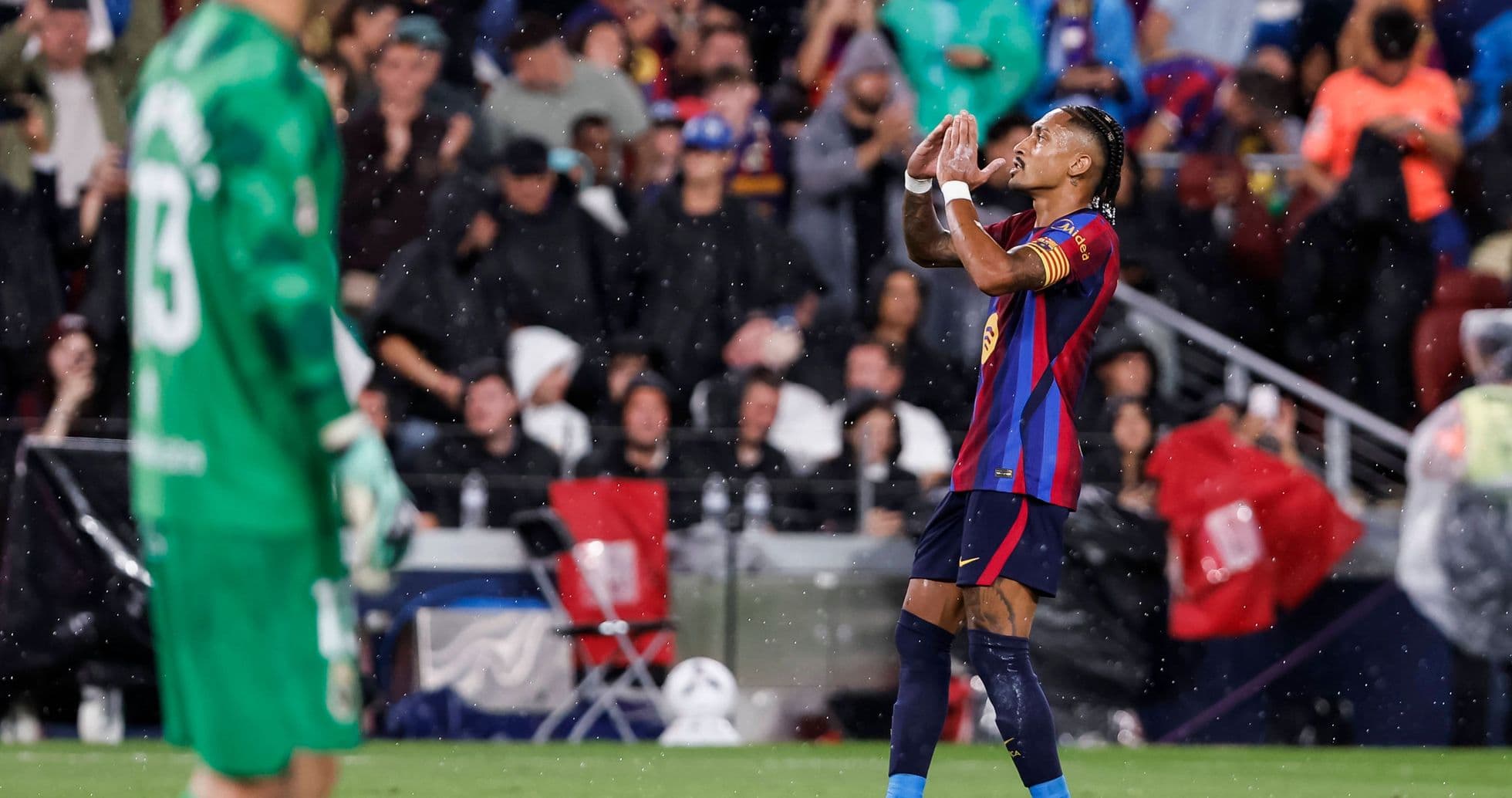
Raphinha's Hat-Trick Drives Barcelona to 7-2 Triumph Over Racing Santander
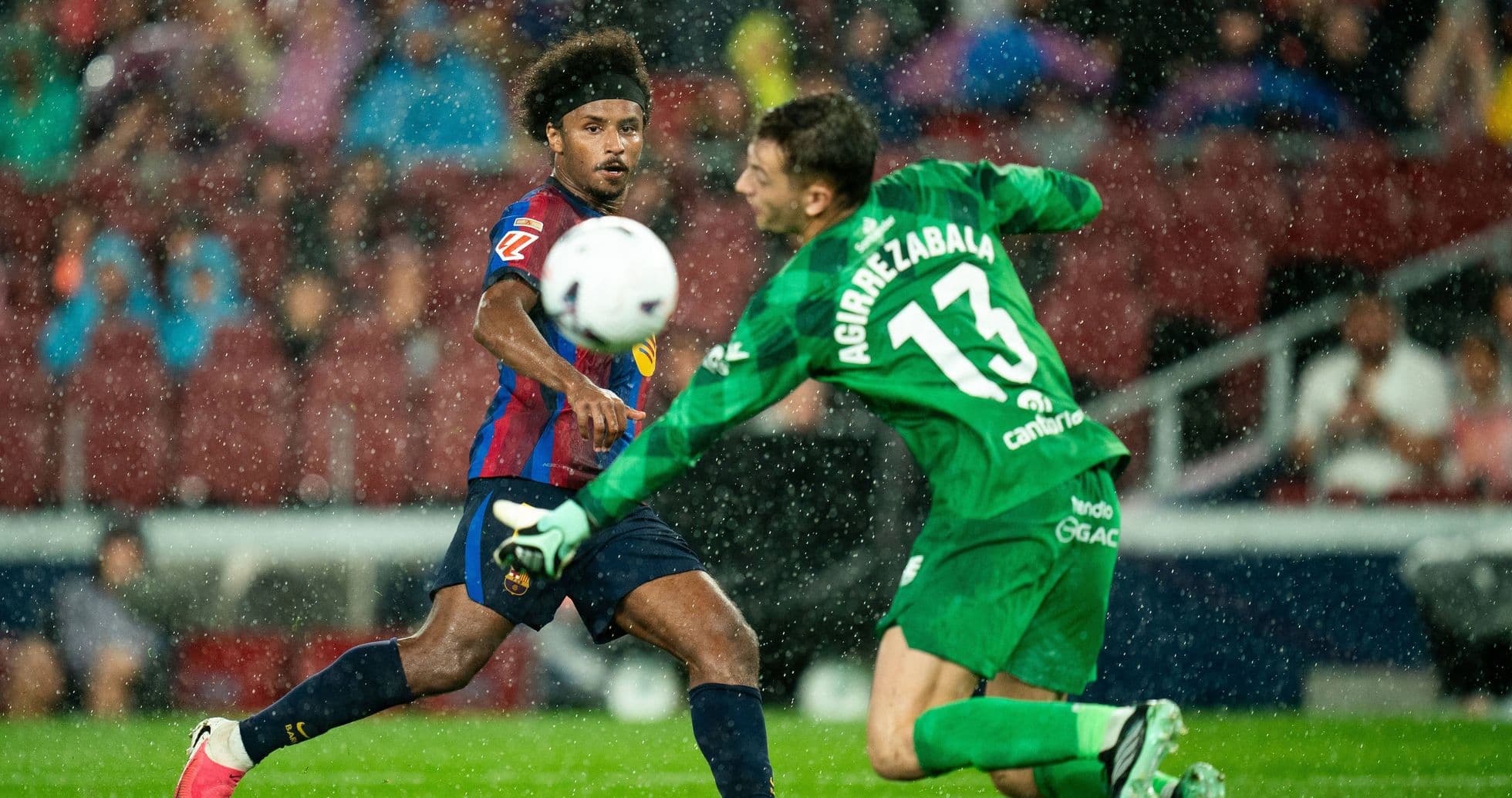
Hansi Flick Leads Barcelona to Record-Breaking Seven Wins in a Row
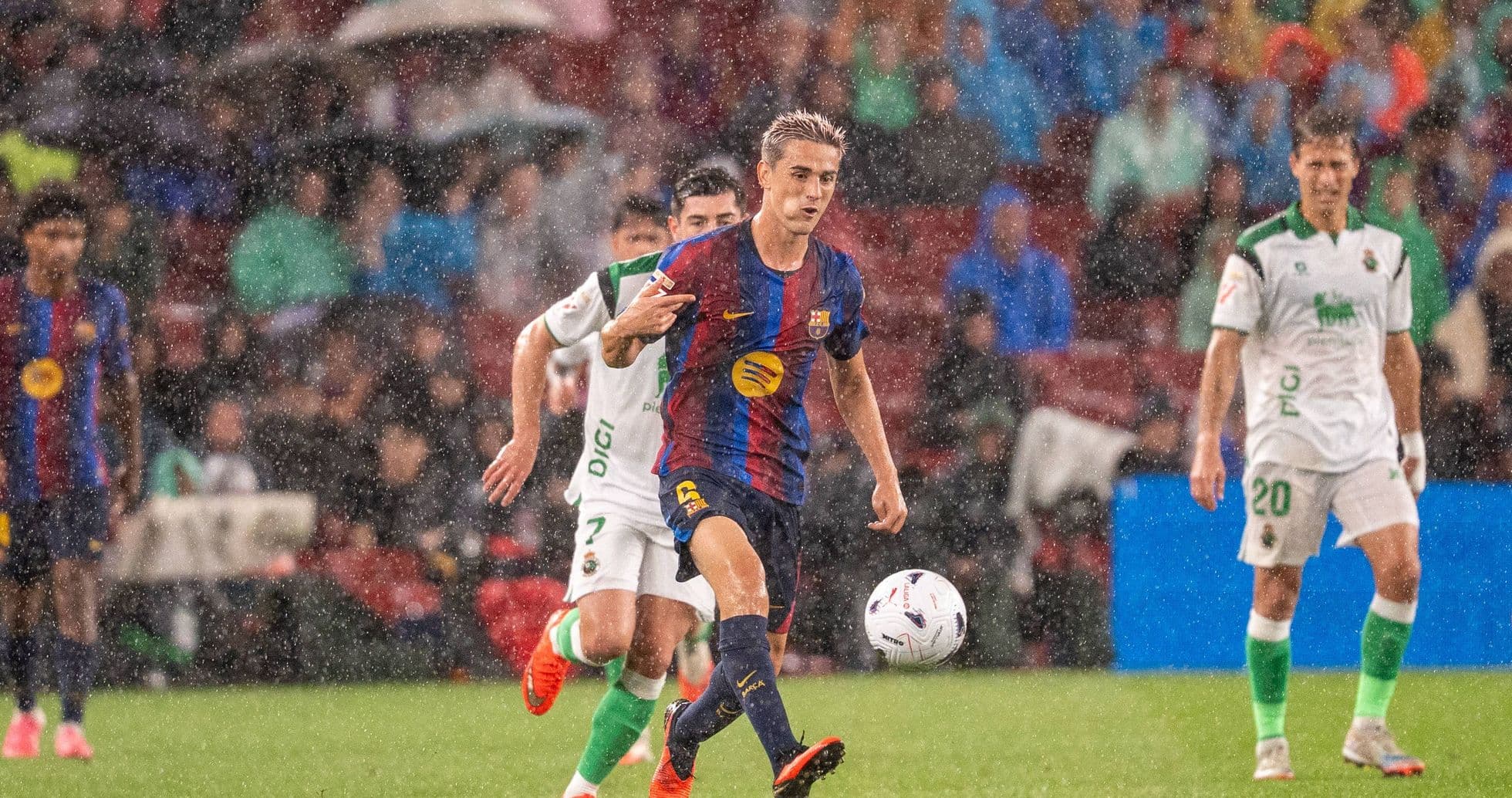
Gavi Reflects on Injury Return as Barcelona Dominate Racing Santander 7-2