
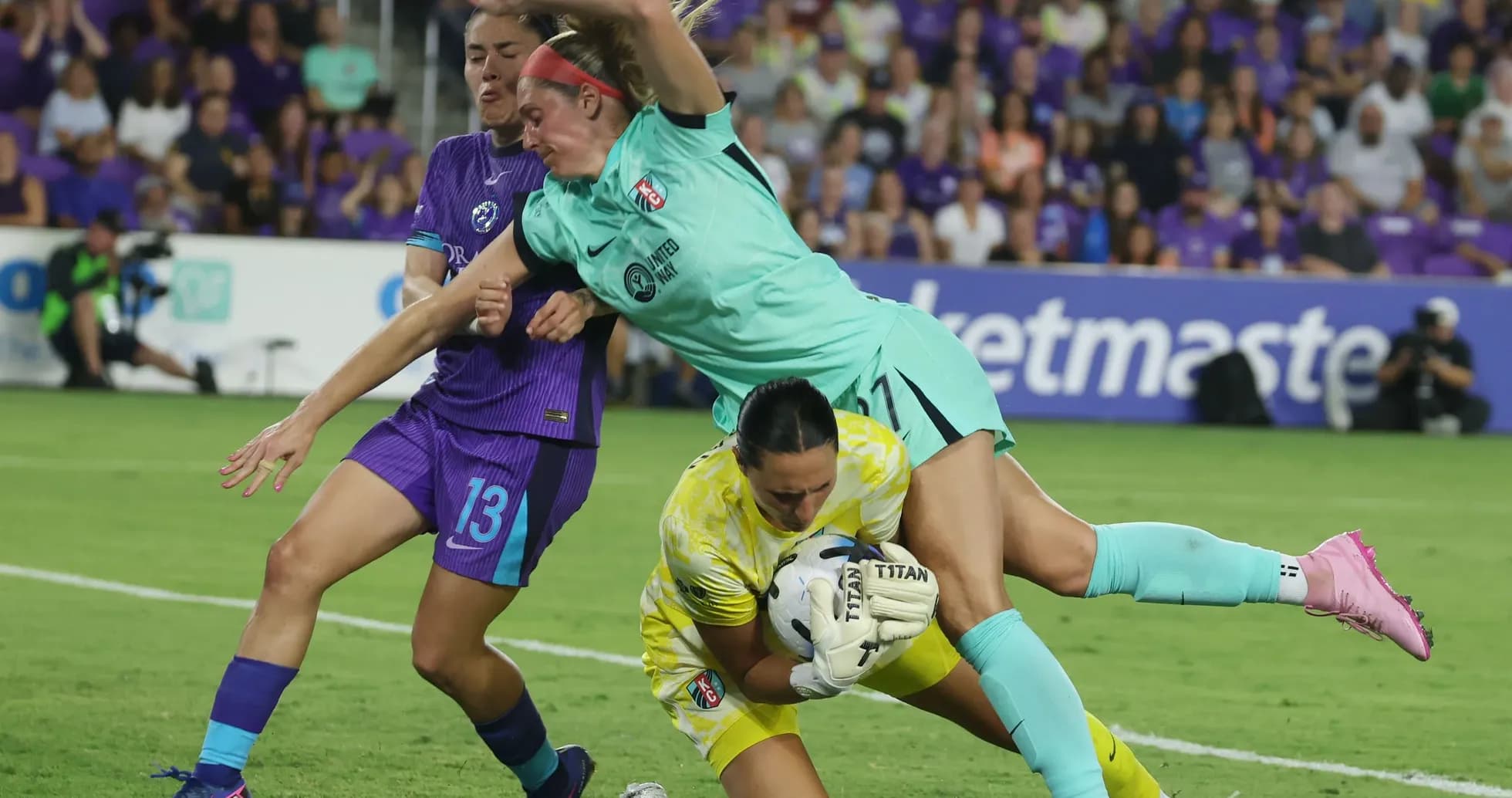
Kansas City W vs Orlando Pride W: A Dramatic 2-2 Draw at CPKC
Under the lights at CPKC Stadium, this Group Stage meeting in the NWSL Women felt less like a routine league fixture and more like a live stress test of two very different identities. Kansas City W, the league’s most dominant home side on paper, met an Orlando Pride W team built around one of the competition’s most ruthless finishers. The 2–2 full‑time scoreline captured the tension: Kansas City’s expansive, high‑octane football against Orlando’s direct, Banda‑led punch.
I. The Big Picture – Two Paths Converging at Home Fortress CPKC
Heading into this game, Kansas City sat 6th with 38 points, their goal difference a positive 5, built on 39 goals scored and 34 conceded overall. The split is stark: at home they had played 12, winning 8 and drawing 4, scoring 28 and conceding only 12. That is an average of 2.3 goals for and 1.0 against at home, an unbeaten fortress where their 4‑2‑3‑1 has become a familiar attacking platform.
Orlando arrived 11th on 30 points, with a goal difference of −5 (31 scored, 36 conceded overall). On their travels they had played 12, winning 3, drawing 2 and losing 7, with 12 goals scored and 20 conceded away – an away average of 1.0 goal for and 1.7 against. Their season has been streaky, but their ceiling is high, and in Barbra Banda they possess a striker who can tilt any game on her own.
Both coaches leaned into the symmetry of the occasion: matching 4‑2‑3‑1 systems, mirrored across the halfway line. Kansas City’s version was fluid and aggressive, Orlando’s more compact and transition‑oriented.
For Kansas City, Lorena started in goal behind a back four of L. Rouse, E. Ball, K. Sharples and I. Rodriguez. The double pivot of L. LaBonta and V. DiBernardo anchored a creative band of three – M. Cooper, Debinha and T. Chawinga – all feeding central forward H. Hopkins.
Orlando responded with C. Morché in goal, protected by a back line of Oihane Hernández, C. Dyke, H. Anderson and H. Mace. In front, H. McCutcheon and A. Lemos formed the screening pair, with S. Yates, Angelina and L. Ovalle supporting lone striker B. Banda.
II. Tactical Voids – Discipline, Risk, and the Edges of Control
Neither side came into this fixture burdened by a long list of confirmed absences, but the season‑long disciplinary profiles of both squads hung over the contest like a quiet warning.
Kansas City’s yellow‑card pattern is telling: 25.00% of their cautions come between 31–45 minutes, and another 25.00% between 76–90. This is a team that plays at emotional and physical extremes in the crunch phases of each half. The middle of the first half and the closing stretch are where their aggression can bubble over – and where counter‑attacks can suddenly open up as defenders step into duels a fraction late.
Orlando’s own yellow distribution is even more pointed late on: 24.14% of their bookings fall between 61–75 minutes and another 24.14% between 76–90. Add in a red card already shown in the 61–75 window this season, and you have a side that walks a tightrope as legs tire and the game stretches. With Kansas City’s home attack averaging 2.3 goals and constantly asking questions between the lines, that late‑game disciplinary edge was always going to be a risk.
From the spot, both clubs carry scars. Overall this campaign, Kansas City have earned 3 penalties but scored only 1, missing 2 – a 33.33% conversion rate that underlines their vulnerability under high‑pressure dead‑ball moments. Orlando have taken 4 penalties overall, scoring 2 and missing 2, a flat 50.00%. Neither side can claim ice‑cold reliability from twelve yards, a detail that subtly shapes how defenders gamble in the box and how attackers drive at contact.
III. Key Matchups – Hunter vs Shield, and the Battle for the Engine Room
The headline duel was always going to be “Hunter vs Shield”: Barbra Banda against a Kansas City defence that is one team at home and another away. Overall, Kansas City concede 1.4 goals per match, but at home that drops to 1.0. Orlando’s away attack, meanwhile, averages 1.0 goal per match, but Banda’s individual numbers push those averages to their limit.
Across the season, Banda has 14 goals and 1 assist in 20 appearances, with 56 shots and 32 on target. She is not just prolific; she is relentless. Her 152 duels and 64 won, plus 29 fouls drawn, paint the picture of a forward who never stops asking questions of centre‑backs. Against E. Ball and K. Sharples, Banda’s constant movement between the lines and into the channels forced Kansas City’s defensive shape to bend, especially when Orlando broke quickly through Angelina and L. Ovalle.
On the other side, Kansas City’s own “Hunter” is T. Chawinga, nominally listed as a midfielder but operating more like a hybrid wide forward. With 10 goals and 2 assists in 13 appearances and 24 shots (16 on target), she attacks the half‑spaces with a directness that perfectly complements Debinha’s craft and M. Cooper’s two‑way running. Her 97 duels and 40 won show she is not just a finisher but a persistent problem for full‑backs and holding midfielders.
The “Engine Room” battle, though, is where this fixture truly lived. For Kansas City, the creative axis of Debinha, M. Cooper and the league’s leading assister Croix Bethune (even if Bethune did not start this particular match, her season profile shapes how teams prepare) defines their rhythm. Bethune has 10 assists and 4 goals, with 629 passes and 31 key passes, plus 85 dribbles attempted and 46 successful. She is the template: a midfielder who can both progress and break lines, forcing opponents to collapse centrally and freeing Chawinga and Hopkins.
Against that model, Orlando’s shield came from H. McCutcheon and A. Lemos, but also from Angelina, who sits at the intersection of control and risk. Angelina has 530 passes at 78% accuracy and contributes 24 tackles, 3 blocks and 14 interceptions – yet she also carries 2 yellow cards and 1 red this season. She is the kind of midfielder who can both extinguish and ignite chaos. Her need to step into duels against Debinha and Cooper, and to track Chawinga’s inside runs, made her discipline a quiet subplot throughout.
IV. Statistical Prognosis – Margins, Moments, and the Shape of a Draw
Following this result, the numbers tell of a clash that landed almost exactly on each side’s seasonal averages. Kansas City’s 2 goals at home fit their 2.3‑goal home profile, while conceding 2 pushed them slightly above their usual 1.0 against at CPKC but still within the volatility you expect when facing a striker of Banda’s calibre. Orlando’s 2 goals away outperformed their 1.0 away average, while conceding 2 aligned with a defence that has allowed 20 away goals in 12 matches.
Without explicit xG data, the shape of the season offers the best lens. Kansas City’s overall scoring average of 1.6 and conceding 1.4, combined with Orlando’s 1.3 for and 1.5 against overall, points toward matches that hover around the 2–2, 2–1, 1–2 band – open, chance‑rich, decided by execution in both boxes.
Defensively, Kansas City’s clean‑sheet record – 3 at home and 1 away, 4 in total – underlines that they are more about outscoring opponents than strangling them. Orlando, with 7 clean sheets overall (3 at home, 4 away), have shown they can shut games down, but their late‑game card profile and −5 goal difference suggest those shutouts come in bursts rather than as a baseline.
In narrative terms, this 2–2 draw felt like a collision between a home side that trusts its attacking patterns and an away team built around a singular, elite finisher. Kansas City’s 4‑2‑3‑1, with LaBonta and DiBernardo stabilising behind Debinha, Cooper and Chawinga, created waves of pressure. Orlando’s mirror shape, with Banda as the spear and Angelina and Ovalle threading transitions, repeatedly sliced into space when Kansas City’s full‑backs advanced.
The statistical prognosis going forward is clear. Kansas City will continue to lean into their home strength, banking on that 2.3 goals‑per‑game output at CPKC to carry them deeper into the playoff picture, while needing to tidy their late‑half discipline given how often their cards cluster in the 31–45 and 76–90 windows. Orlando, meanwhile, will ride Banda’s form and look to stabilise a defence that concedes 1.7 goals per away match, especially in those same late phases where their yellow and red cards spike.
On this night, the numbers and the narrative aligned: a high‑variance, high‑emotion draw that showcased Kansas City’s attacking depth and Orlando’s cutting edge, and hinted that if these two meet again with knockout stakes, the margins will be razor thin – and decided in those frantic, card‑heavy closing minutes where both teams habitually live on the edge.
Related News
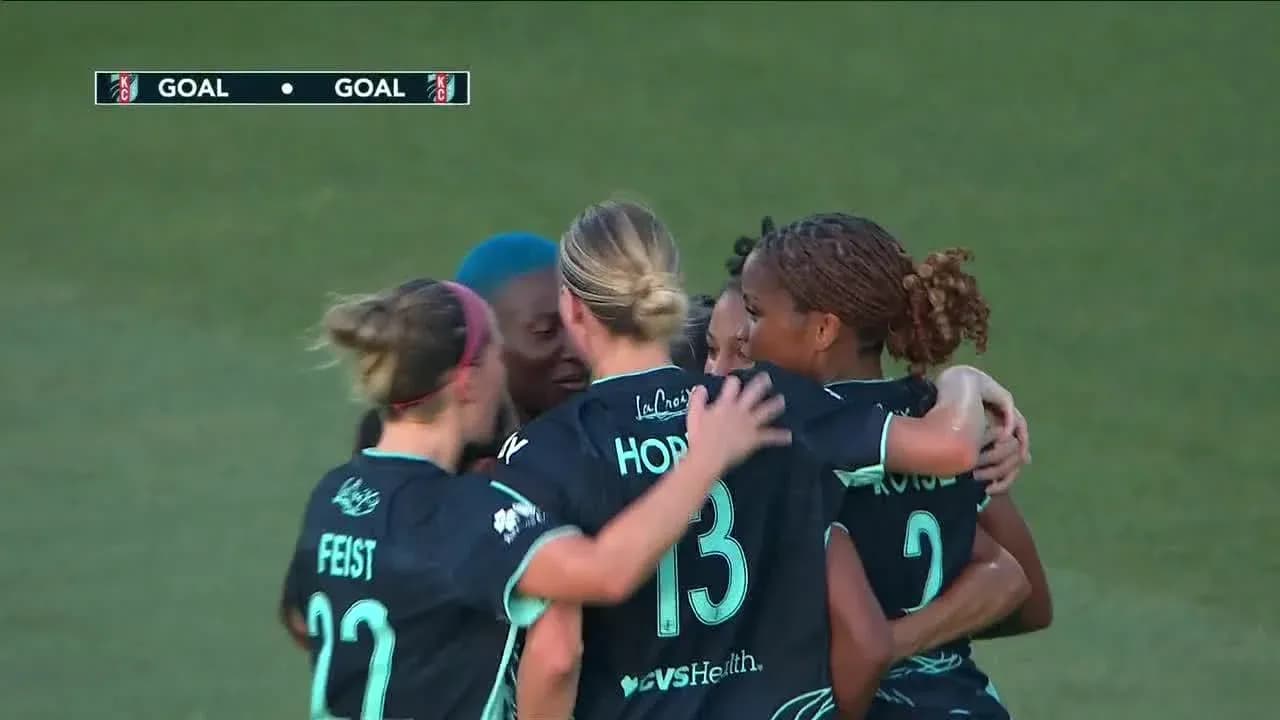
San Diego Wave W vs Kansas City W Predicted Lineups: Team News for NWSL Women
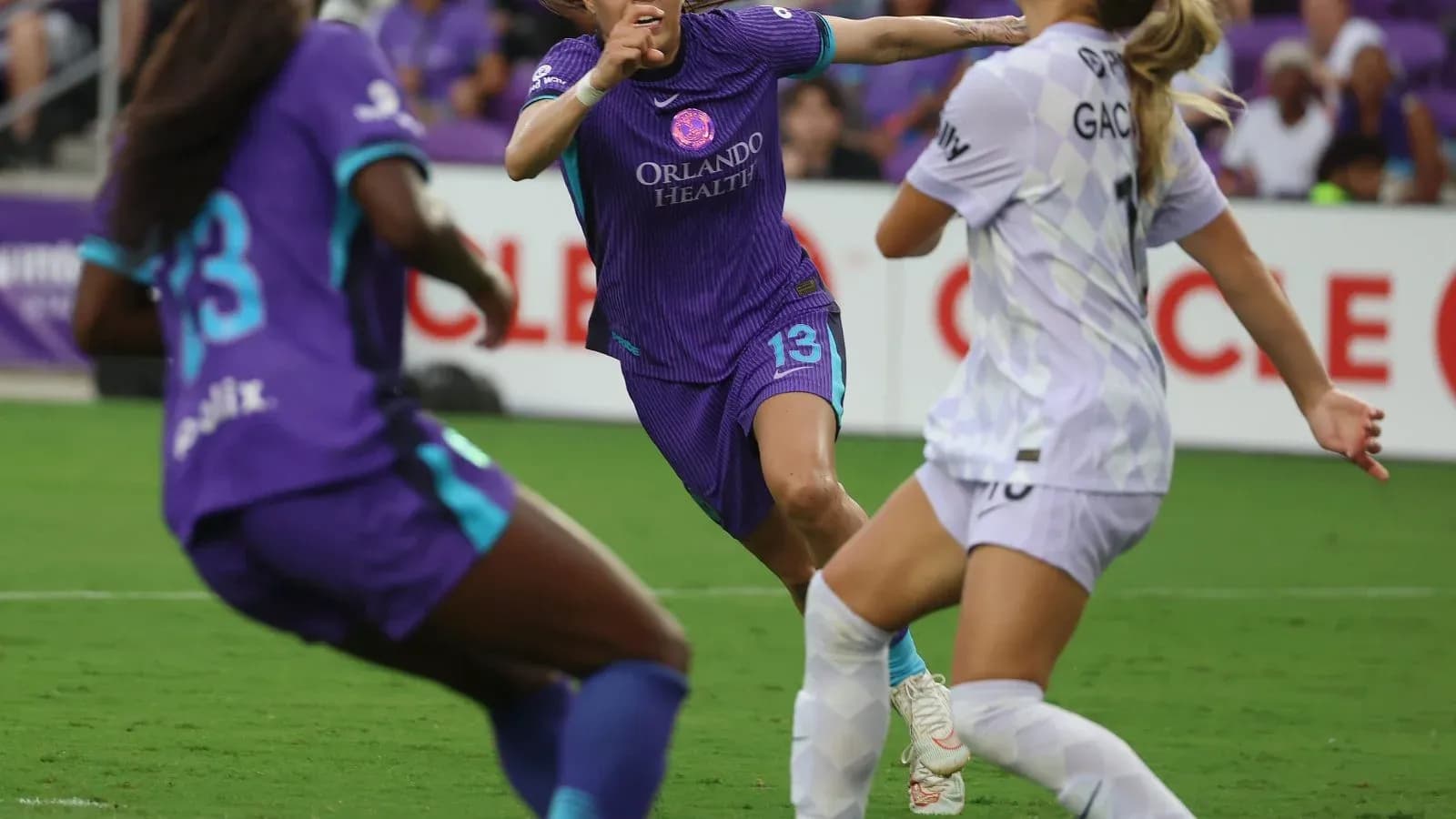
Orlando Pride W vs Portland Thorns W Prediction: Key Stats and Betting Tips
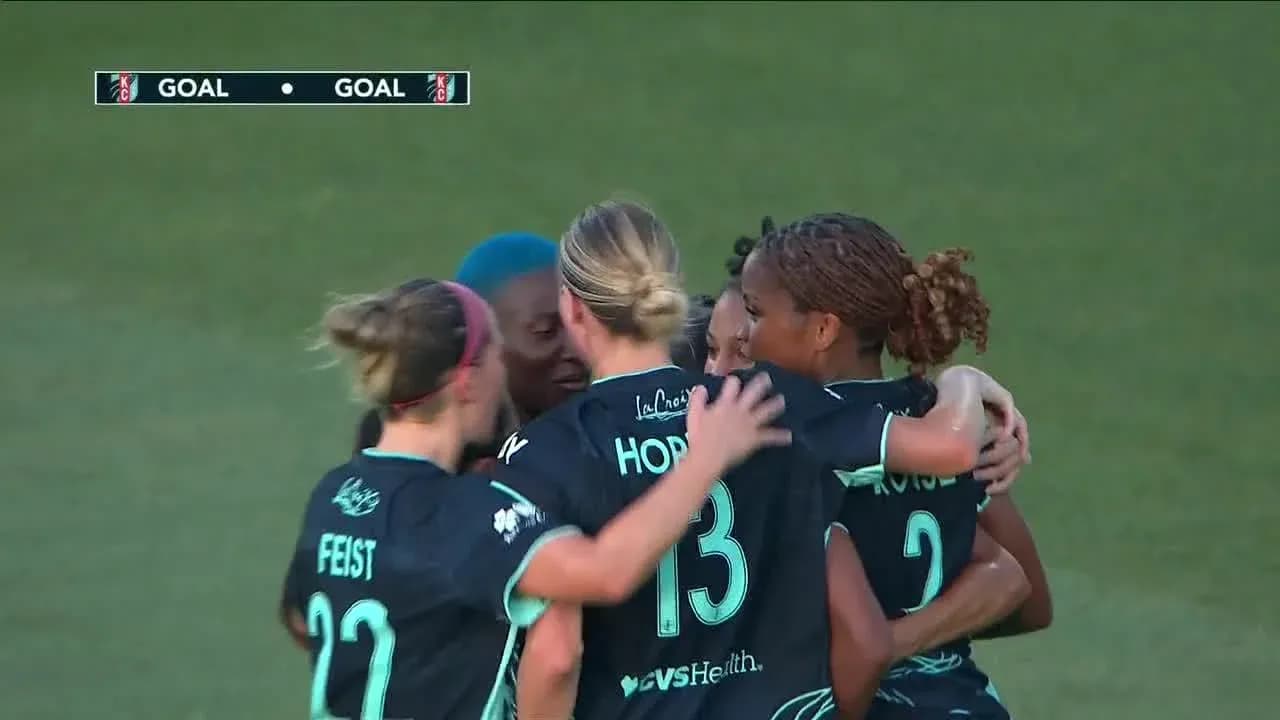
San Diego Wave W vs Kansas City W: Key NWSL Clash Preview
San Diego Wave W vs Kansas City W Prediction: Key Stats and Betting Tips
Portland Thorns and Chicago Red Stars Draw in NWSL Showdown
Chicago Red Stars W vs Washington Spirit W Stats and Head-to-Head Record