
K League Players Demand Shift to Fall-Spring Schedule
South Korea’s leading footballers have put the K League on notice: the summer grind has to end.
With the country sweltering through record temperatures, the Korea Pro Footballers Association (KPFA) has publicly demanded a radical overhaul of the domestic calendar, insisting the league must abandon its traditional year-round format and switch to a Fall-Spring season.
“The K League must transition to the Fall-Spring schedule to protect players from the worsening climate crisis and punishing summer heat,” the KPFA said in a statement this week, adding that such a move is also vital “to maintain the league’s leadership within Asia and its global competitiveness.”
This isn’t just rhetoric. It’s coming off one of the most brutal stretches of weather the country has seen.
Earlier this month, the southeastern city of Yangsan hit 42.5 degrees Celsius (108.5 Fahrenheit) – the highest temperature in decades of official records. Authorities urged residents to stay indoors. The nation’s professional baseball league went as far as suspending play for a full week because of the extreme heat.
Football carried on. But the impact was obvious.
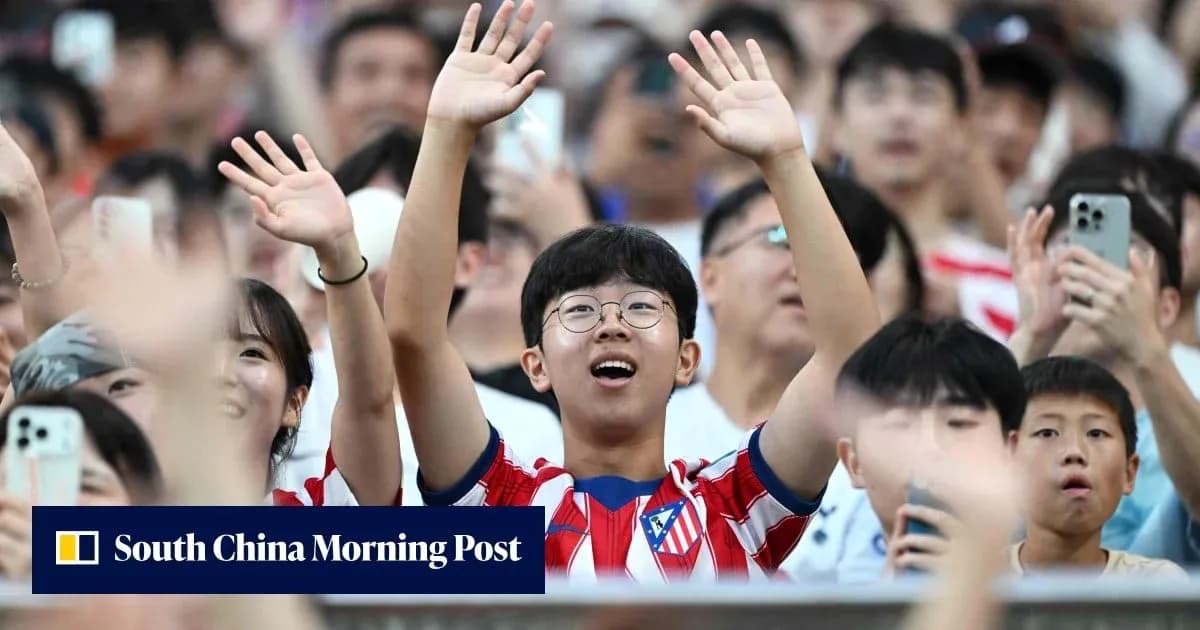
The scorching conditions dented the crowd for Manchester City’s friendly against a K League All Star side last week, a rare occasion when one of Europe’s powerhouses visits. Days later, City’s pre-season exhibition against Atletico Madrid still drew a full house on Sunday, yet the contrast underlined how oppressive conditions can shape turnout and atmosphere.
Even the nights offered little relief. Seoul endured 17 consecutive “tropical nights” – when temperatures fail to drop below 25 degrees Celsius – before the streak finally ended on Monday. For athletes asked to perform at full throttle, that kind of unrelenting heat turns recovery into a battle.
Against that backdrop, the KPFA’s push has gathered momentum.
The 2026 K League season began on February 28 and is set to run until December 6, locking players into the heart of the Korean summer. In previous years, the long campaign was seen as a logistical and commercial compromise. Now, with the climate crisis sharpening and heatwaves intensifying, the same structure looks increasingly unsustainable.
Calls to shift the calendar are no longer a fringe argument. They’re becoming a central debate about player welfare, match quality, and where South Korean football wants to position itself in Asia’s changing landscape.
Related News
Transfer Rumors: Haaland’s Two Options; Real Madrid Targets $100 Million Premier League Star

Manchester United Targets Premier League Forward to Strengthen Attack
Liverpool Eyes 17-Year-Old Mexican Midfielder Gilberto Mora for Summer Transfer
Summer 2026 Transfer Window: Manchester United and Tottenham Struggle with New Signings
Liverpool Maintain Interest in Real Madrid Midfielder Amid Transfer Challenges
Transfer Insider Warns Tottenham About Costly Sale of Will Lankshear