

Juventus Clinches 1-0 Victory Over Lecce in Serie A Showdown
Under the Saturday night lights at Via del Mare, a season’s worth of contrasting realities converged. Following this result, the table told a clear story: Lecce anchored in 17th on 32 points, fighting to stay afloat, Juventus cruising in 3rd with 68 points and a Champions League berth within reach. The 1-0 away win, sealed by the visitors after leading 1-0 at half-time, felt less like a spectacle and more like a clinical confirmation of the two clubs’ seasonal identities in Serie A’s Regular Season - 36.
Both coaches mirrored each other on the tactical board, lining up in a 4-2-3-1. For Eusebio Di Francesco, it was a familiar shape: a structure Lecce have used in 20 league matches this campaign, the default frame for a side that has had to prioritise survival over style. Luciano Spalletti, by contrast, deviated from Juventus’ most-used 3-4-2-1 (23 games) to go like-for-like, trusting his superior individuals to win the decisive duels in each line.
Lecce’s season-long numbers framed the scale of their task. Heading into this game, they had played 36 matches in total, scoring only 24 goals overall and conceding 48. That overall goal difference of -24 is exactly the product of a team averaging just 0.7 goals for and 1.3 goals against per game, both at home and overall. At Via del Mare they had managed only 12 goals in 18 home fixtures, again an average of 0.7, and had failed to score at home 10 times. Juventus arrived as almost the mirror opposite: 59 goals overall, only 30 conceded, an overall goal difference of +29 (59 minus 30), and a defensive record that has delivered 16 clean sheets in total, split evenly between home and away.
Injuries shaped the edges of both squads. Lecce were without M. Berisha (thigh injury), S. Fofana (knee injury), K. Gaspar (knee injury) and R. Sottil (back injury) – absences that stripped Di Francesco of depth in midfield, defence and wide areas. Juventus travelled without J. Cabal and A. Milik, both sidelined by muscle injuries, which slightly thinned Spalletti’s rotation options in the back line and up front but did not touch the core of his starting XI.
Di Francesco’s solution was a compact, workmanlike block. W. Falcone in goal sat behind a back four of D. Veiga, J. Siebert, Tiago Gabriel and A. Gallo. Ahead of them, Y. Ramadani and O. Ngom formed the double pivot, tasked with screening central spaces and disrupting Juventus’ rhythm. The attacking band of S. Pierotti, L. Coulibaly and L. Banda supported lone forward W. Cheddira, whose runs had to stretch a Juventus defence that has conceded only 16 goals on their travels, an away average of 0.9.
Spalletti’s 4-2-3-1, however, was built to suffocate. M. Di Gregorio anchored a back four of P. Kalulu, Bremer, L. Kelly and A. Cambiaso – a line that blended athleticism with aggression. In midfield, M. Locatelli and T. Koopmeiners formed an intelligent double pivot, capable of both dictating tempo and closing passing lanes. Ahead of them, F. Conceicao and W. McKennie flanked K. Yildiz in the line of three, all feeding D. Vlahovic as the spearhead.
The tactical voids were clearest in Lecce’s attack. Without Sottil and with Banda carrying the emotional weight of being both one of their more creative outlets and a player with disciplinary history – he has already collected 1 red card and 6 yellows this season – Lecce lacked a second consistent threat. Banda’s willingness to take on defenders and his 4 league goals this campaign give Lecce some verticality, but against a Juventus side that has kept 8 clean sheets away, the margin for error was always thin.
Discipline hovered over the midfield. Lecce’s season data shows a late-game spike in yellow cards: 28.57% of their bookings arrive between 76-90 minutes, with another 22.22% between 61-75. It reflects a team that often ends games under siege, chasing or hanging on. Juventus, too, have a pronounced late edge in bookings – 22.45% between 61-75 minutes and 20.41% between 76-90 – but their control in possession usually means these cards are tactical rather than desperate.
In the “Hunter vs Shield” matchup, Juventus’ attacking core held the advantage from the first whistle. Kenan Yildiz, coming into the fixture with 10 goals and 6 assists in Serie A, is more than a scorer: 73 key passes and 145 dribble attempts (77 successful) underline his role as both creator and destabiliser between the lines. His presence between Ramadani and Lecce’s centre-backs forced Di Francesco’s pivot to collapse centrally, opening half-spaces for McKennie and Conceicao to attack.
Against that, Lecce’s shield was brave but overworked. Ramadani, one of the league’s most active ball-winners with 88 tackles and 46 interceptions, again had to be everywhere. Danilo Veiga, who has made 93 tackles and blocked 13 shots this season, was tasked with tracking Juventus’ rotations on Lecce’s right. Yet with Juventus averaging 1.3 goals for on their travels and Lecce conceding 1.3 at home, the statistical equilibrium tilted in favour of the visitors’ higher ceiling.
The “Engine Room” duel between Locatelli and Ramadani crystallised the gap in quality and context. Locatelli entered the match as one of Serie A’s standout midfielders this season: 2626 passes at 88% accuracy, 45 key passes, 95 tackles, 23 blocked shots and 37 interceptions. He is both metronome and shield, and his 9 yellow cards show how often he operates on the edge to protect Juventus’ structure. Ramadani’s numbers – 1390 passes, 80% accuracy, 88 tackles, 46 interceptions – reflect similar responsibilities, but with Lecce spending longer phases without the ball, his interventions are more reactive, more about survival than control.
Out wide, Cambiaso’s duel with Banda was another pivotal subplot. Cambiaso’s 3 goals, 4 assists and 54 key passes this season make him a constant overlapping threat. His red card earlier in the campaign underlines an aggressive edge, but his 88% passing accuracy and 59 tackles show a player who can dominate both phases. For Banda, who thrives in open grass, the problem was that Juventus rarely allowed transitions. With Lecce averaging only 0.7 goals at home and having failed to score in 19 matches overall, their counter-attacking blueprint demanded a level of precision that never quite materialised.
From a statistical prognosis standpoint, the result aligned almost perfectly with expectation. Juventus’ overall scoring rate of 1.6 goals per game and defensive concession of 0.8, combined with Lecce’s anaemic attack and porous defence, pointed towards a narrow but controlled away win – something like a 1-0 or 2-0, rather than a rout, given Lecce’s ability to at least keep games tight at Via del Mare. The clean-sheet probability for Juventus was always high: Lecce’s 19 total “failed to score” matches and Juventus’ 16 clean sheets overall intersected in a way that made Falcone’s goal feel isolated and under-supported from the outset.
Following this result, the narratives harden. Lecce remain a side whose 4-2-3-1 is built on grit, last-ditch defending and the hope that Banda or Cheddira can conjure something against the odds. Juventus, meanwhile, showed again why their +29 overall goal difference is no accident: a disciplined, flexible squad where Locatelli anchors, Yildiz illuminates, and the structure does the rest. At Via del Mare, the gulf between survival football and Champions League football was not measured in spectacular moments, but in the quiet, relentless control of a 1-0 that always felt exactly as the numbers predicted.
Related News

Frosinone vs Como Prediction: Key Stats and Betting Tips

Fiorentina vs Napoli Prediction: Key Stats and Betting Tips
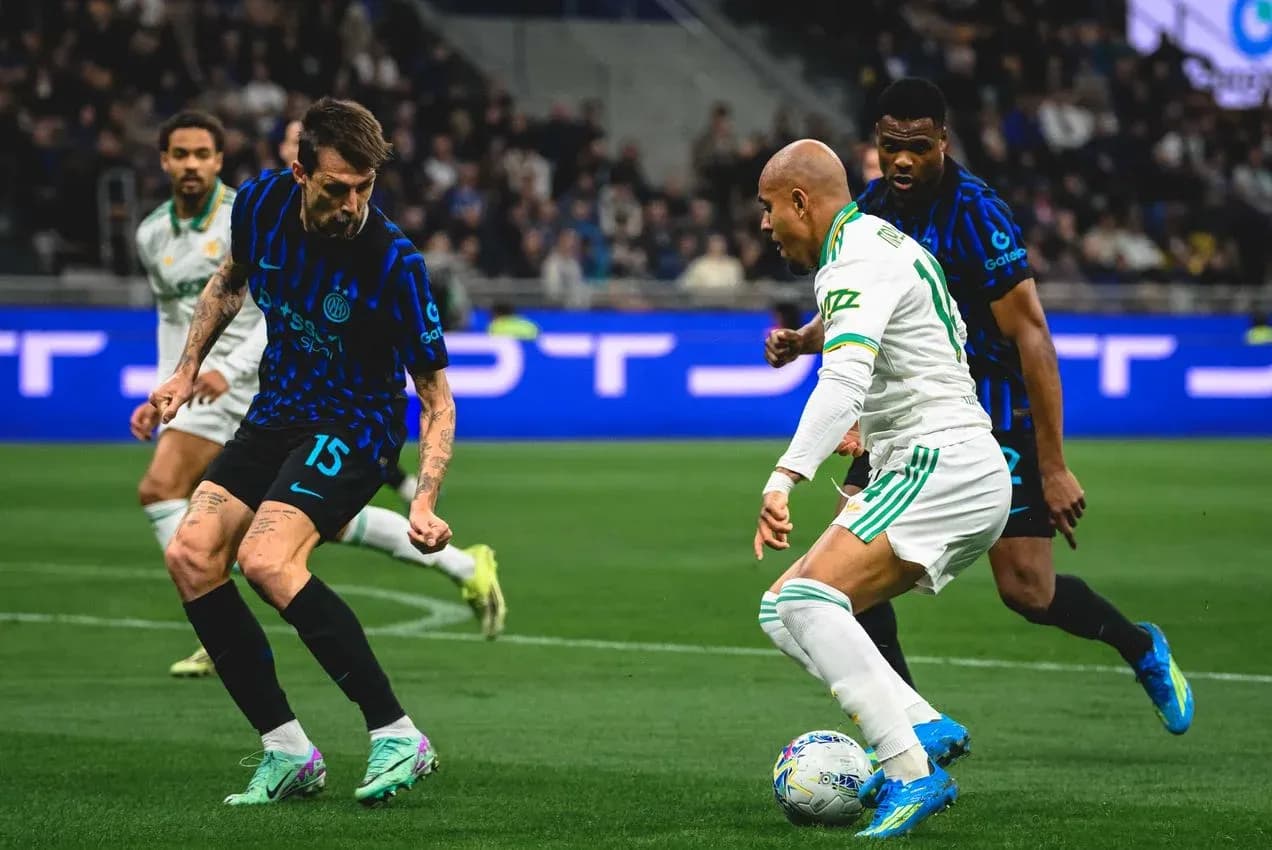
AS Roma vs Inter: Serie A Showdown on 19 September 2026

Inter’s Dominance in 5–3 Win Over Udinese

AS Roma vs Inter Prediction: Key Stats and Betting Tips
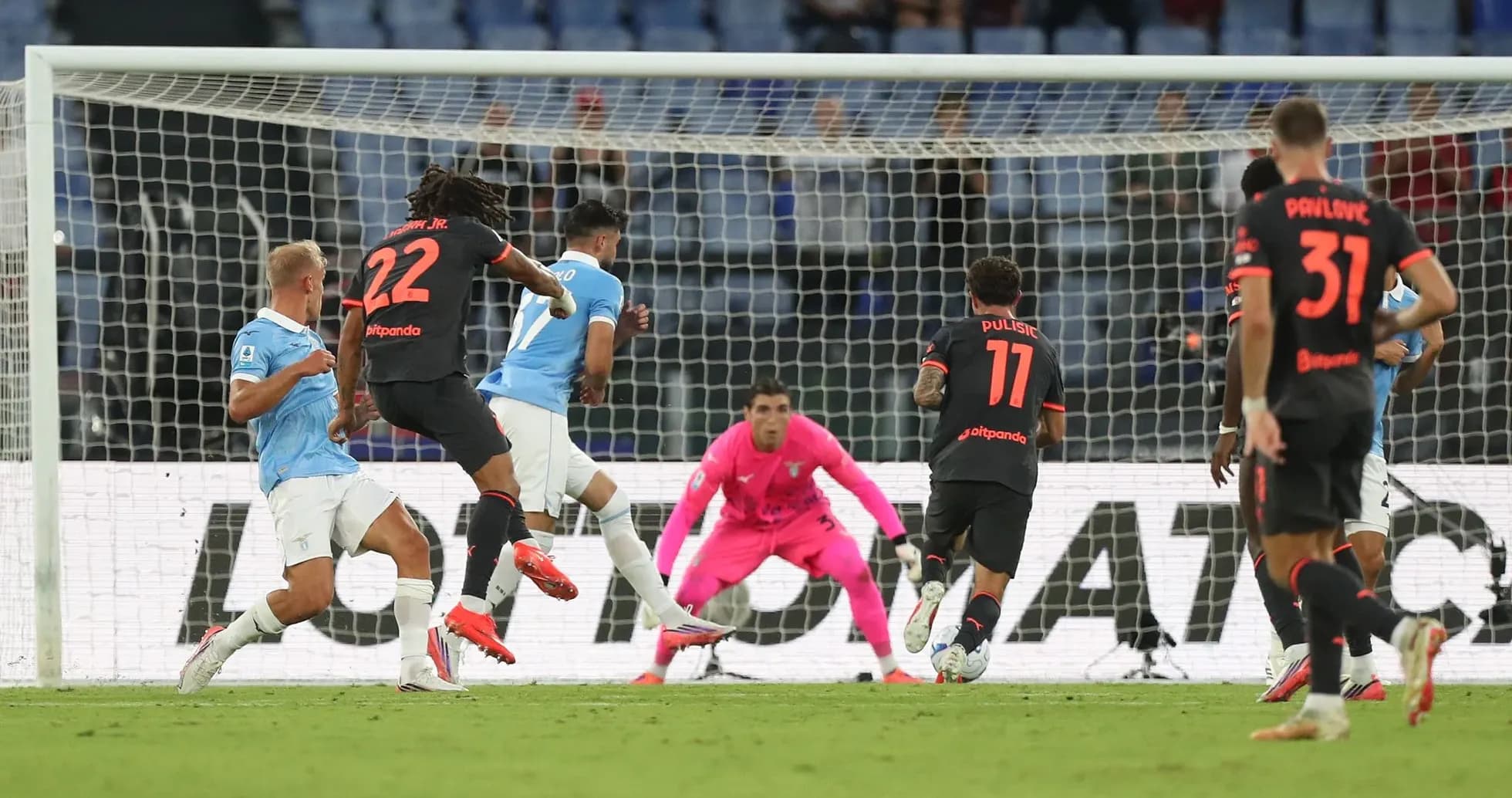
Lazio and AC Milan Battle to a 2–2 Draw: Early Serie A Insights