
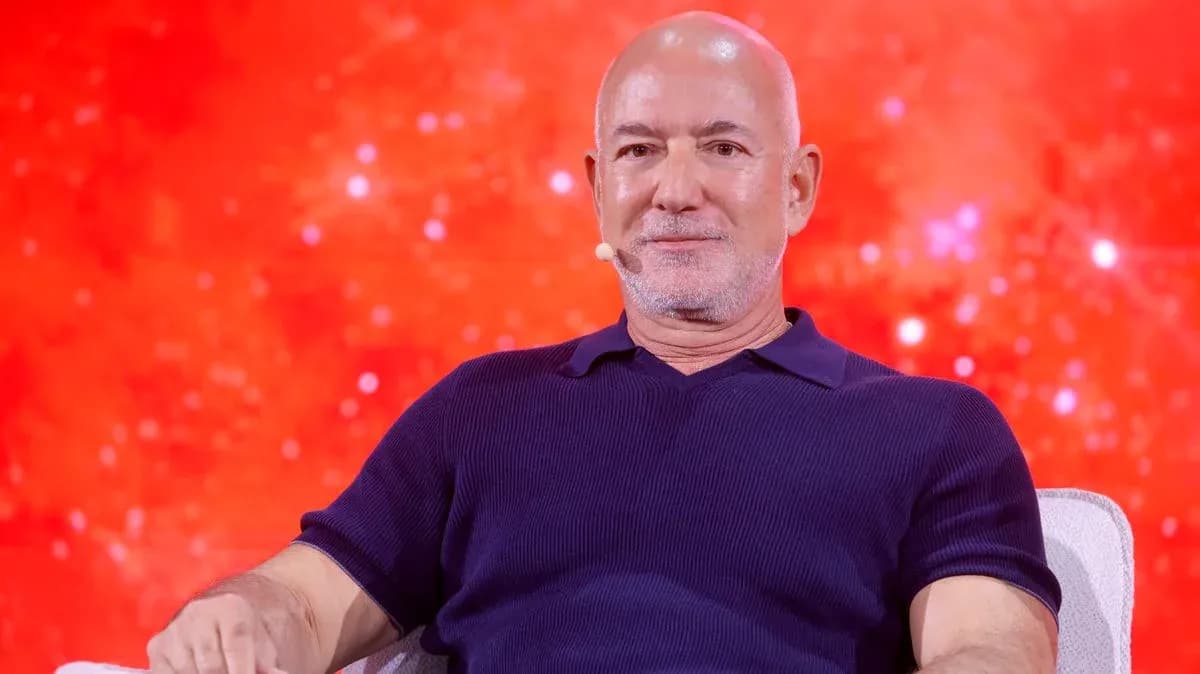
Jeff Bezos Nears Landmark Deal to Buy Stake in Liverpool FC
Liverpool are braced for one of the most dramatic shifts in their modern history, as Jeff Bezos closes in on a landmark deal to buy into the club.
A consortium fronted by businessman Amit Bhatia, and including the Amazon founder and Facebook co‑creator Eduardo Saverin, is in advanced talks to acquire roughly a one‑third stake in Liverpool FC. Fenway Sports Group, the club’s controlling shareholder since 2010, has confirmed that formal discussions are under way.
A new kind of power at Anfield
FSG issued a statement acknowledging the approach: an “investment consortium led, managed, and represented by Amit Bhatia” has expressed interest in making what is described as a strategic minority investment in the club. Behind that carefully chosen language lies the prospect of unprecedented financial muscle arriving on Merseyside.
According to Sky News, the proposed deal would see Bezos join forces with Saverin in a syndicate headed by Bhatia, the son‑in‑law of steel tycoon Lakshmi Mittal and, until recently, a shareholder in Championship side Queens Park Rangers. The expectation inside the deal-making circles is that FSG could announce a transaction as early as this week, although those close to the process caution that it may slip into next week.
If the agreement is completed, Liverpool would effectively add a trio of ultra‑high‑net‑worth investors to an ownership group that has already overseen a Champions League and Premier League title. Forbes estimates Bezos’ fortune at more than $280bn (£207bn), with Saverin valued at over $32bn (£23bn). Their backing, alongside Bhatia, is understood to value Liverpool at around $6bn (£4bn) — a figure that would place the club among the most expensively valued assets in world sport.
FSG’s next chapter
For FSG, this is not an exit but a recalibration. The Boston‑based group, who also own MLB giants the Boston Red Sox, took control of Liverpool in 2010, rescuing the club from the brink of administration under previous American owners Tom Hicks and George Gillett. Since then, they have built a reputation for data‑led recruitment, stadium expansion and tight financial control.
Now they appear ready to bring in fresh capital without relinquishing overall control. A strategic minority stake allows FSG to remain the dominant voice in the boardroom while tapping into the vast resources and global networks of Bezos, Saverin and Bhatia.
The move fits a wider pattern. Half of the Premier League’s 20 clubs are now predominantly owned by US‑based investors, a wave of American capital that has reshaped the financial landscape of English football. Liverpool, already a commercial heavyweight, are positioning themselves to keep pace with state‑backed rivals and private equity‑fuelled projects.
Bezos, Saverin and the lure of elite sport
Bezos has circled elite sport before. He explored potential bids for NFL franchises the Seattle Seahawks and Washington Commanders but ultimately stepped away from both opportunities. A stake in Liverpool would mark his first major move into club ownership and drop one of the world’s richest men into the heart of English football’s weekly drama.
Saverin is no stranger to the game either. The Facebook co‑founder was part of a consortium that tried, unsuccessfully, to buy Chelsea FC during the 2022 auction that followed sanctions on Roman Abramovich after Russia’s invasion of Ukraine. That attempt fell short; this one is far closer to the line.
Bhatia, meanwhile, brings experience from the English game through his time at QPR and long‑standing ties to global industry via the Mittal family. He is the visible face of the group, but the presence of Bezos and Saverin would inevitably dominate the narrative.
Investment meets uncertainty on the pitch
All of this unfolds against a backdrop of turbulence at Anfield. Liverpool, Premier League champions in 2024/25, are heading into a season of transition. Head coach Arne Slot has been sacked, Mohamed Salah has departed, and the spine of the team is being rethought.
Recruitment has started, but not yet transformed the mood. Jeremy Jacquet, Victor Munoz and Ronald Araujo have arrived on loan, moves that suggest flexibility rather than a full‑scale rebuild. Bradley Barcola has been identified as a priority attacking target, with Paris Saint‑Germain open to a sale, but negotiations remain stuck without a breakthrough.
For supporters, the timing is striking. Off the pitch, Liverpool are on the brink of one of the richest deals in football history. On it, they are recalibrating after losing a title‑winning manager and their most iconic forward of the modern era.
If the consortium’s money does land, the question will come quickly: does this become the engine for a new cycle of dominance, or a missed opportunity in an era when rivals are also accelerating?
The numbers suggest Liverpool are about to join the sport’s financial elite on a new level. What they do with that power will define the next decade at Anfield.
Related News
Carlos Alcaraz Urges Tennis Organizers to Stop Matches Finishing in the Early Morning
Carlos Alcaraz Frustrated by 3:30 a.m. US Open Finish: 'Too Much'
Jannik Sinner Set for ATP 500 Return in Beijing with Novak Djokovic Also Competing
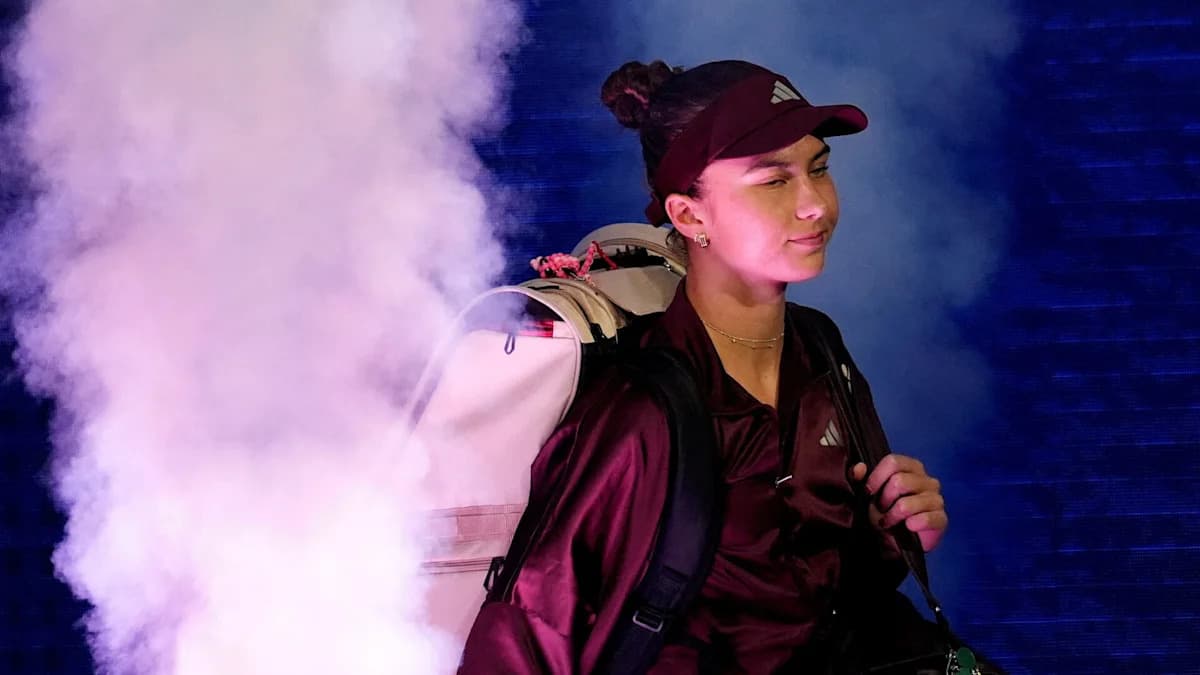
Meet Iva Jovic: The Rising American Tennis Talent
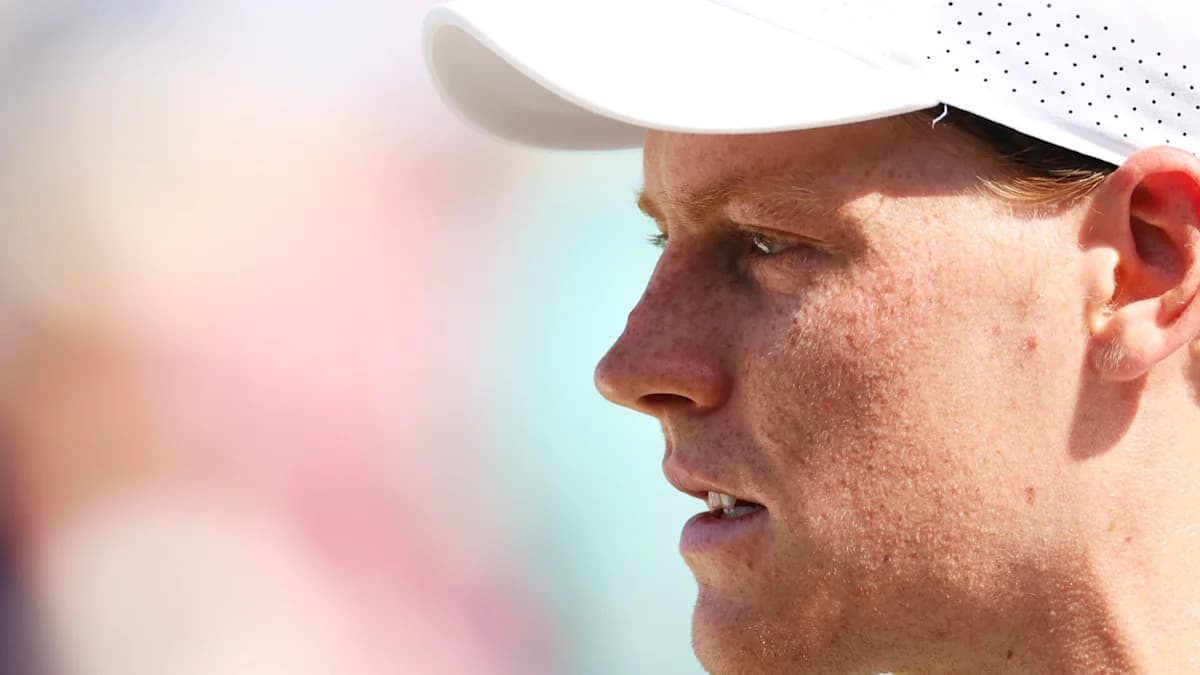
Flavio Cobolli Shares Insights on Training with Jannik Sinner Ahead of His Tennis Return
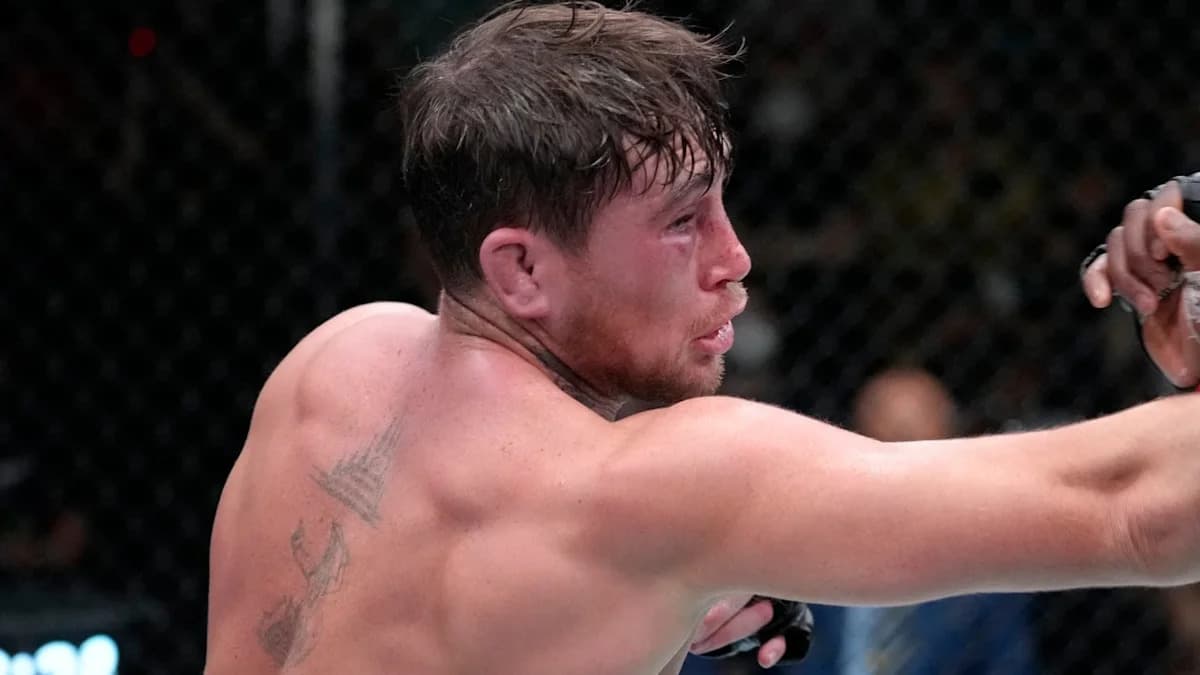
Till vs Romero: Fight Details, Undercard, and Viewing Info for This Weekend