
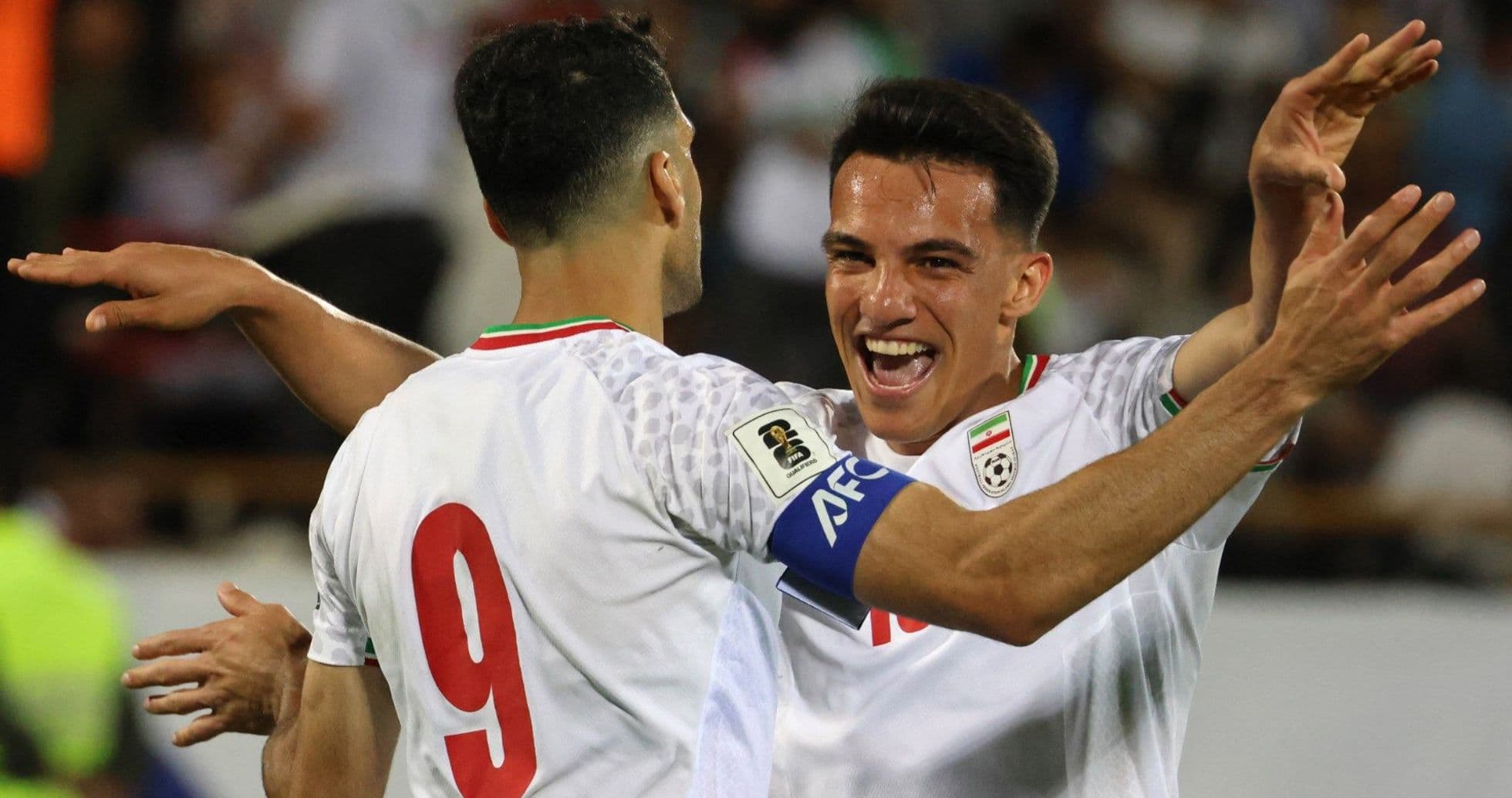
Iran’s Road to 2026: Beiranvand’s Role and Taremi’s Goals
World Cup 2026 is still on the horizon, but Iran’s spine is already taking shape. The names are familiar, the stories even more so. This is a squad built on scars, experience and a few bold new bets.
Beiranvand, from the streets to the No. 1 shirt
In goal, it starts where it has so often started for Team Melli: with Alireza Beiranvand.
At 33, the Tractor goalkeeper is the clear favourite to keep the gloves in the USA, Mexico and Canada. More than 80 caps, three World Cup cycles, and one moment that still defines him for many neutrals: that penalty save from Cristiano Ronaldo in 2018, Portugal’s first ever miss from the spot at a World Cup.
The journey to that stage is well told but never less remarkable. Beiranvand ran away from his nomad family at 12, slept rough on the streets of Tehran and took any work he could find while chasing a professional career. Now he stands on the brink of another World Cup as Iran’s first choice, a veteran whose story mirrors the grit of the national team itself.
Behind him, the battle is quieter but important. Hossein Hosseini of Sepahan is the leading contender to back him up, a reliable deputy who may have to accept a supporting role again. Payam Niazmand of Persepolis and young Mohammad Khalifeh from Aluminium Arak FC round out the main options, both hoping to convince Amir Ghalenoei they deserve a ticket as the third keeper.
Steel and craft in midfield
If Beiranvand is the anchor, the rhythm of this Iran side runs through midfield.
Saman Ghoddos remains a central figure, a player Ghalenoei will lean on heavily in 2026. His ability to knit play together between the lines gives Iran a different dimension, especially in tight games where one clever pass can tilt the contest.
Alongside him, Saeid Ezatolahi brings structure and control. The Shabab Al Ahli midfielder missed the March friendlies with a foot injury, but the expectation is that he will be ready for the summer. When fit, he is the screen in front of the defence and the first outlet in possession, the kind of player whose absence is only truly felt when he is not there.
Omid Noorafkan of Sepahan and Mohammad Ghorbani of Al Wahda offer experienced depth, both capable of stepping in without disrupting the balance. Then there is the intrigue: Amir Razzaghinia of Esteghlal, a young, exciting talent who could turn the World Cup into his breakout stage if given the chance.
This is where Iran look solid. Not spectacular on paper, perhaps, but built for tournament football: organised, disciplined, and with enough creativity to hurt teams who switch off.
Taremi still the star, Azmoun on the outside
Up front, the picture is sharper. Mehdi Taremi remains the main man.
Now 33 and already beyond the 100-cap mark, the Olympiacos striker is heading for his third World Cup. His record speaks loudly: more than 50 goals for the national team and another prolific club season in Greece. He knows the feeling of scoring on this stage too, having struck twice against England in that wild 6-2 defeat at Qatar 2022.
Taremi is the reference point. The player Iran will look to when they need a moment, a goal, a way out.
On the flanks, Alireza Jahanbakhsh still offers experience and quality out wide. The former Brighton man, now at FCV Dender EH, brings work rate and a reliable left foot. Mehdi Ghayedi, currently at Al-Nasr, is another near-certainty for the squad, a lively presence who can unsettle defences with his movement and direct running.
Yet the biggest talking point in attack is the one who may not be there.
Sardar Azmoun, with 57 goals in 91 internationals, has been left out of recent friendlies after reports alleging a perceived act of disloyalty to the government. The expectation is that he will miss the World Cup. For Iran, that is enormous. Azmoun and Taremi together formed one of Asia’s most dangerous partnerships. Remove Azmoun and you don’t just lose goals; you lose a focal point, a foil, a constant threat that forced opponents to adjust.
Ghalenoei has already started to explore alternatives. Dennis Eckert of Standard Liege, who has Iranian ancestry, received a call-up for the March games in Azmoun’s place. It’s an opening for the forward to stake a claim and prove he can be more than a stopgap.
Around them, the attacking pool is deep: Ehsan Mahroughi (Foolad), Ali Alipour and Hossein Abarghouei (both Persepolis), Shahriyar Moghanlou (Kalba), Mohammad Mohebi (Rostov), Amirhossein Mahmoudi and Amirhossein Hosseinzadeh (both Tractor), Ali Gholizadeh (Ekstraklasa), and Mehdi Torabi (Tractor). Plenty of options, plenty of profiles. The question is who can turn opportunity into end product when it matters.
A familiar shape, a clear idea
Tactically, there is little mystery about how Iran are likely to set up. Ghalenoei is expected to stick with a traditional back four and a 4-2-3-1 structure that suits the strengths of his squad.
At the back, Salheh Hardani should slot in at right-back, with Milad Mohammadi on the opposite flank. In central defence, Shojae Khalilzadeh and Hossein Kanaanizadegan look the most natural pairing, a combination of aggression and aerial strength that has served Iran well.
In front of them, Ezatolahi and Ghoddos could operate as the double pivot: one to protect, one to create. Ahead of that duo, the attacking line of three has the potential to be fluid and dangerous. Jahanbakhsh on one side, Ghayedi on the other, and Mohammad Mohebi given licence to roam and link with Taremi.
The predicted XI for 2026, on current evidence, reads like this:
Beiranvand; Hardani, Khalilzadeh, Kanaanizadegan, Mohammedi; Ezatolahi, Ghoddos; Jahanbakhsh, Ghayedi, Mohebi; Taremi.
It is a team built on experience, with just enough youth and freshness sprinkled in to hint at evolution rather than revolution.
A familiar ambition, a different kind of test
Iran will arrive at World Cup 2026 with the same ambition that has driven them through recent tournaments: to escape the group, to prove they can do more than frustrate bigger names, to finally turn promise into a deep run.
They will lean on Taremi’s goals, on Beiranvand’s resilience, on the structure that has made them such an awkward opponent for so long.
But without Sardar Azmoun, and with a new generation pushing at the door, this campaign could feel different. Less about what Iran were, more about what they are becoming.
Related News
Raphinha’s Hat-Trick Powers Barcelona to 7-2 Victory Over Racing Santander
Carabao Cup Fourth Round Draw: Liverpool Set to Clash with Chelsea, Arsenal to Face Fleetwood Town
Key Football Matches to Watch in Azerbaijan This Autumn
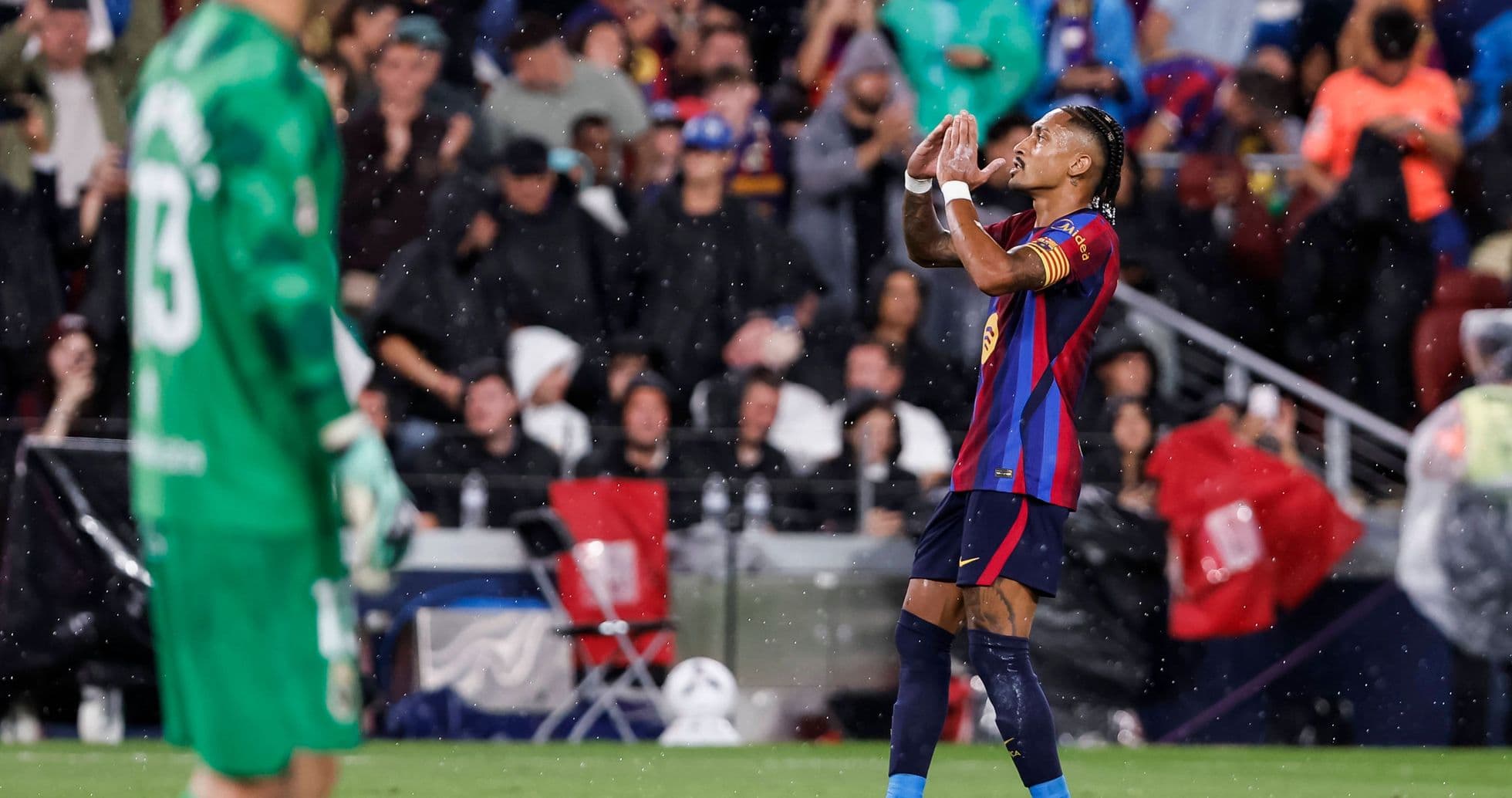
Raphinha's Hat-Trick Drives Barcelona to 7-2 Triumph Over Racing Santander
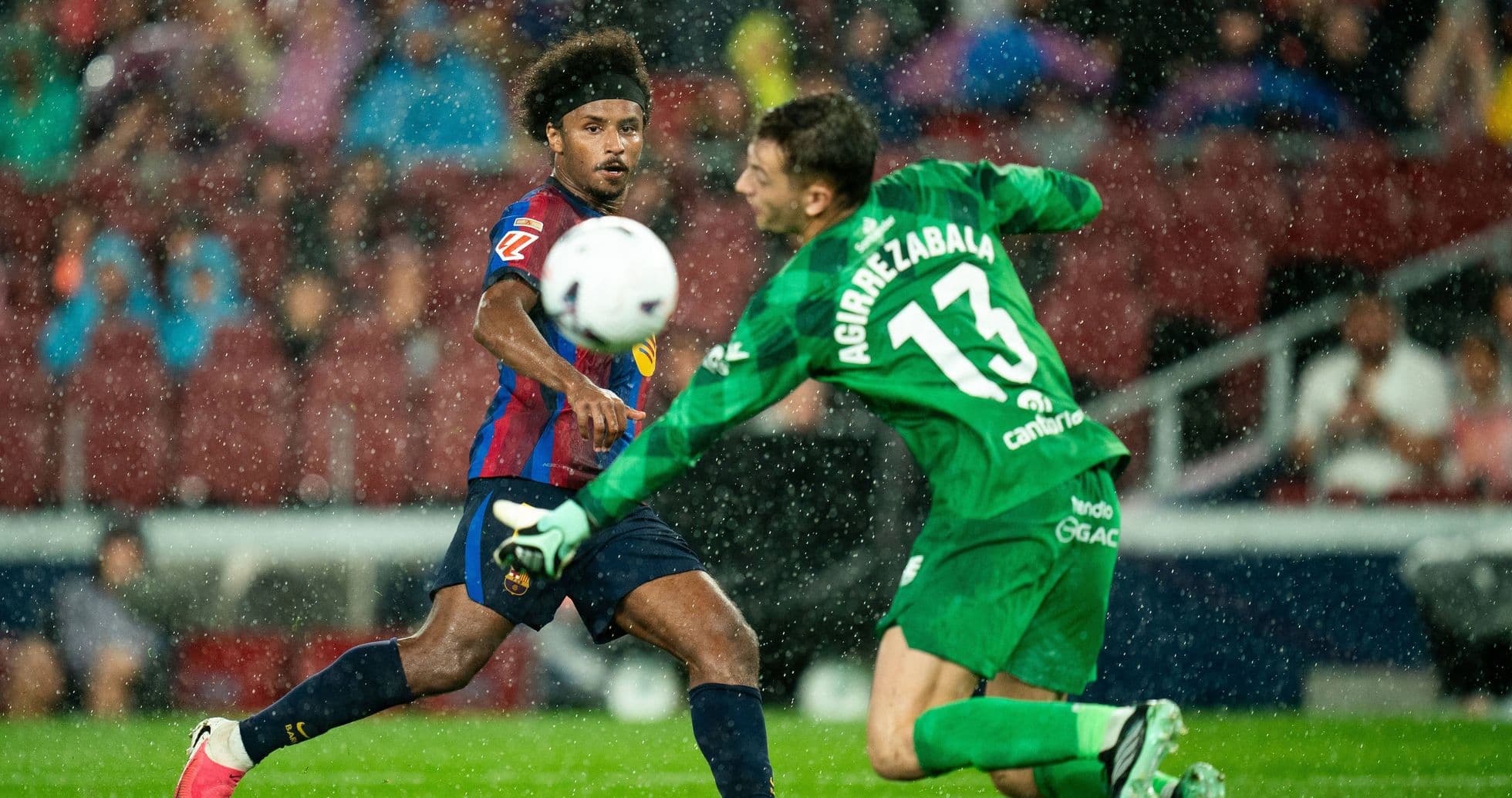
Hansi Flick Leads Barcelona to Record-Breaking Seven Wins in a Row
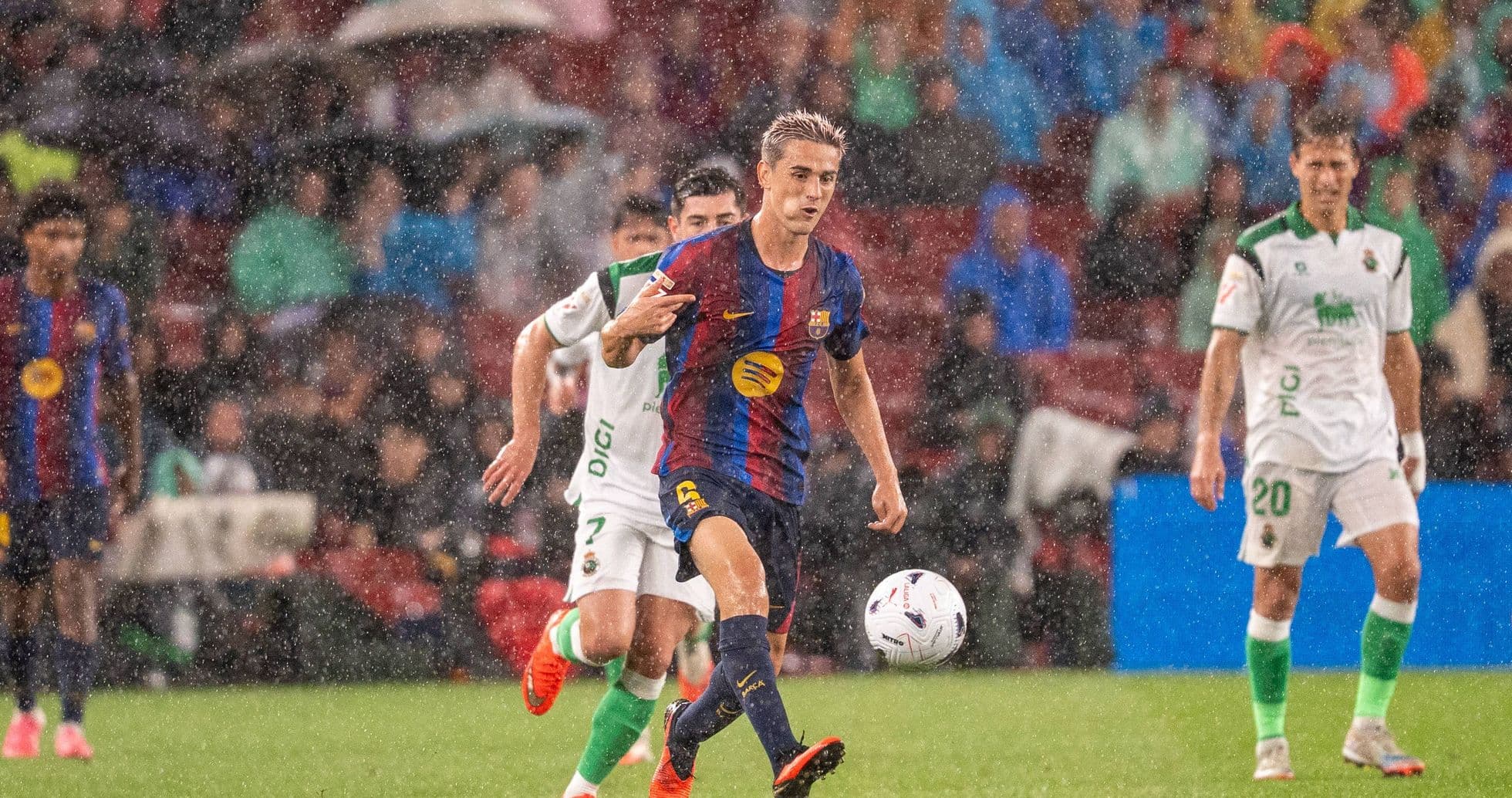
Gavi Reflects on Injury Return as Barcelona Dominate Racing Santander 7-2