
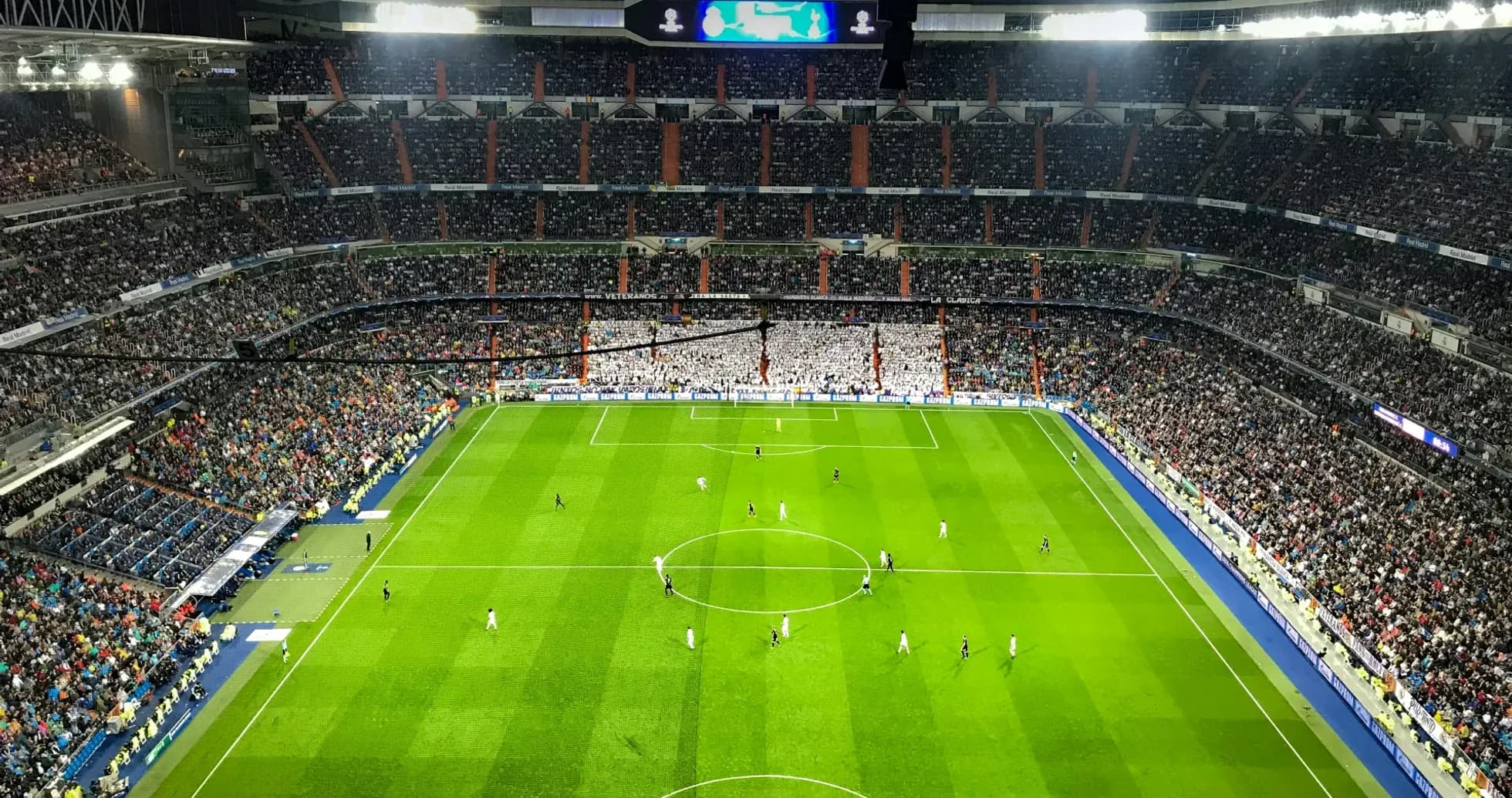
Huntsville City Dominates Carolina Core 3–0 in MLS Next Pro
Under the lights at Joe W. Davis Stadium, Huntsville City turned what looked like a potential trap game into a statement, dismantling Carolina Core 3–0 in MLS Next Pro Group Stage play. The match, kicking off at 00:00 UTC, pitted two sides at opposite ends of the Eastern Conference mood scale. Heading into this game, Huntsville sat on 15 points from 8 matches, ranked 5th in the Eastern Conference and 3rd in the Central Division, built on a bold, front-foot identity: 18 goals scored overall and an attacking average of 2.3 goals per game.
Carolina Core arrived as a side still trying to find its shape in the league. With 5 points from 9 matches, they were 15th in the Eastern Conference and 7th in the Central Division, their goal difference of -9 (10 scored, 19 conceded overall in the standings snapshot; 11 scored, 22 conceded in the broader season stats) telling the story of a team that concedes too often and rarely controls games. On their travels they had been particularly fragile: 0 wins, 0 draws, 5 losses, with only 4 away goals scored and 11 conceded.
The 3–0 full-time scoreline, after a 1–0 Huntsville lead at half-time, was not just a home win; it was the logical extension of both teams’ seasonal DNA. Huntsville’s home scoring average of 2.0 goals per game and defensive concession of 1.0 at home aligned almost perfectly with the narrative of a side that overwhelms visitors. Carolina, averaging only 0.8 goals away and conceding 2.6, were always likely to be stretched and eventually broken.
Tactical Voids and Discipline
With no official injury or suspension list provided, both coaches—Chris O’Neal for Huntsville City and Donovan Ricketts for Carolina Core—had their core groups available and opted for continuity over experimentation. The absence of explicit formations in the data forces us to read intent from personnel: Huntsville’s XI was built around a mobile, technically inclined front line, while Carolina’s selection hinted at a more cautious, structurally minded approach designed to survive first and play second.
Huntsville’s season-long disciplinary profile is quietly important to their tactical freedom. Overall, they have shown a willingness to play aggressively without tipping into chaos: yellow cards are spread across the 90 minutes, but with notable spikes at 46–60 minutes (27.78%) and in the closing stages, 76–90 and 91–105 (each 22.22%). That pattern suggests a side that raises intensity after half-time and again in the final stretch, pressing high and breaking up transitions when protecting or chasing a result. Crucially, they have no red cards recorded this season, which allows O’Neal to maintain his aggressive press without regularly playing short-handed.
Carolina’s card map is more volatile. Their yellows peak between 46–60 minutes (23.33%), with significant loads at 16–30 minutes and 76–90 (both 20.00%). More telling is the presence of a red card in the 46–60 window, accounting for 100.00% of their dismissals. That mid-second-half discipline drop is exactly where a technically superior side like Huntsville can tilt the field—especially at home, where the hosts already average 2.0 goals scored and just 1.0 conceded.
Key Matchups – Hunter vs Shield, Engine Room
Without individual scoring charts for the league, the “Hunter vs Shield” narrative becomes more collective than personal. Huntsville’s attacking ensemble—L. Eke, M. Ekk, J. Van Deventer, and the support lines of M. Veliz and N. Pariano—functioned less as a single spearhead and more as a rotating trident. Overall this campaign, Huntsville have 18 goals from 8 fixtures, and on their travels they average 2.4 goals; that attacking confidence clearly carried into their home rhythm here, where they added three more to an already potent profile.
The “Shield” on Carolina’s side was never going to be a single defender but a collective block fronted by S. Yepes Valle and N. Evers, with N. Holliday in goal. Yet the numbers heading into this game were unforgiving: 22 goals conceded overall, 13 of those away, at an away concession rate of 2.6 per match. Even their “best” away defeat—4–1—illustrates the structural problem: they can be opened up both in transition and when defending deep. Against a Huntsville attack that has hit 3–0 at home at its best and 4 goals away in its biggest road win (2–4), the Carolina back line was always likely to spend long stretches in emergency defending.
In the engine room, Huntsville’s midfield axis of M. Yoshizawa, M. Veliz, and N. Pariano provided the platform. Huntsville’s season profile—only 1 match overall where they failed to score, and 2 clean sheets—suggests a team that controls tempo well enough to keep games in their attacking frame. Carolina’s central trio—M. Diakite, R. Aguirre, and T. Raimbault—were tasked with disrupting that rhythm. Yet Carolina’s inability to register a single clean sheet this season, combined with just 1 overall win from 9 fixtures, indicates that they rarely manage to impose their will in midfield for sustained periods.
Statistical Prognosis and Tactical Verdict
Following this result, the numbers harden into a clear pattern. Huntsville City look every bit a playoff-calibre side: 5 wins from 8, no draws, and a goal difference in the standings of +1 (17 scored, 16 conceded) that is gradually being reshaped by emphatic home performances like this 3–0. Their overall scoring average of 2.3 goals per game, combined with conceding 2.1, paints them as a high-variance, high-event team—but at home, the defensive tightening to 1.0 goals conceded per match is the foundation for a genuine push into the latter stages of MLS Next Pro.
Carolina Core, by contrast, remain in survival mode. With 8 losses from 9 matches, a goal difference of -9 in the table (10 for, 19 against) and a broader statistical profile of 11 goals for and 22 against, their away record is particularly damning: 5 defeats from 5, 4 goals scored, 11 conceded, and 0 clean sheets anywhere. Their xG-equivalent story—implied by the volume of goals conceded and the absence of clean sheets—is of a side that allows too many high-quality chances and lacks the attacking punch to compensate.
Tactically, this fixture underlined a simple truth: Huntsville’s aggressive, multi-pronged attack, backed by disciplined but assertive defending, is perfectly calibrated to exploit a Carolina side that collapses in key phases, especially after half-time when their card load and structural fatigue spike. In a playoff-style 1/8-final scenario, this would read as a clear Huntsville advantage: higher attacking ceiling, better home defensive metrics, and a temperament that keeps eleven on the pitch when the game gets stretched.
The narrative emerging from Joe W. Davis Stadium is not just of a single 3–0 victory, but of trajectories diverging. Huntsville City are sharpening their identity as a dangerous, offensively fluent contender. Carolina Core, unless they can stabilize their back line and curb those mid-second-half lapses, risk spending the rest of the season fighting not for position, but for relevance.
Related News

MLS Winners and Losers: Rising USMNT Star Cavan Sullivan, St. Louis City's Smart Moves, and Chicago Fire's Struggles Without Hugo Cuypers

MLS Highlights: Portland Timbers End Drought, Josh Sargent Shines, Cavan Sullivan Impresses
Tacoma Defiance vs Colorado Rapids II Stats: Head-to-Head Record

St. Louis City II vs Vancouver Whitecaps II: Head-to-Head Stats and Match Preview
Atlanta United II vs New York City II Stats: Head-to-Head Record
Houston Dynamo FC II vs Austin II Stats: Head-to-head Record