
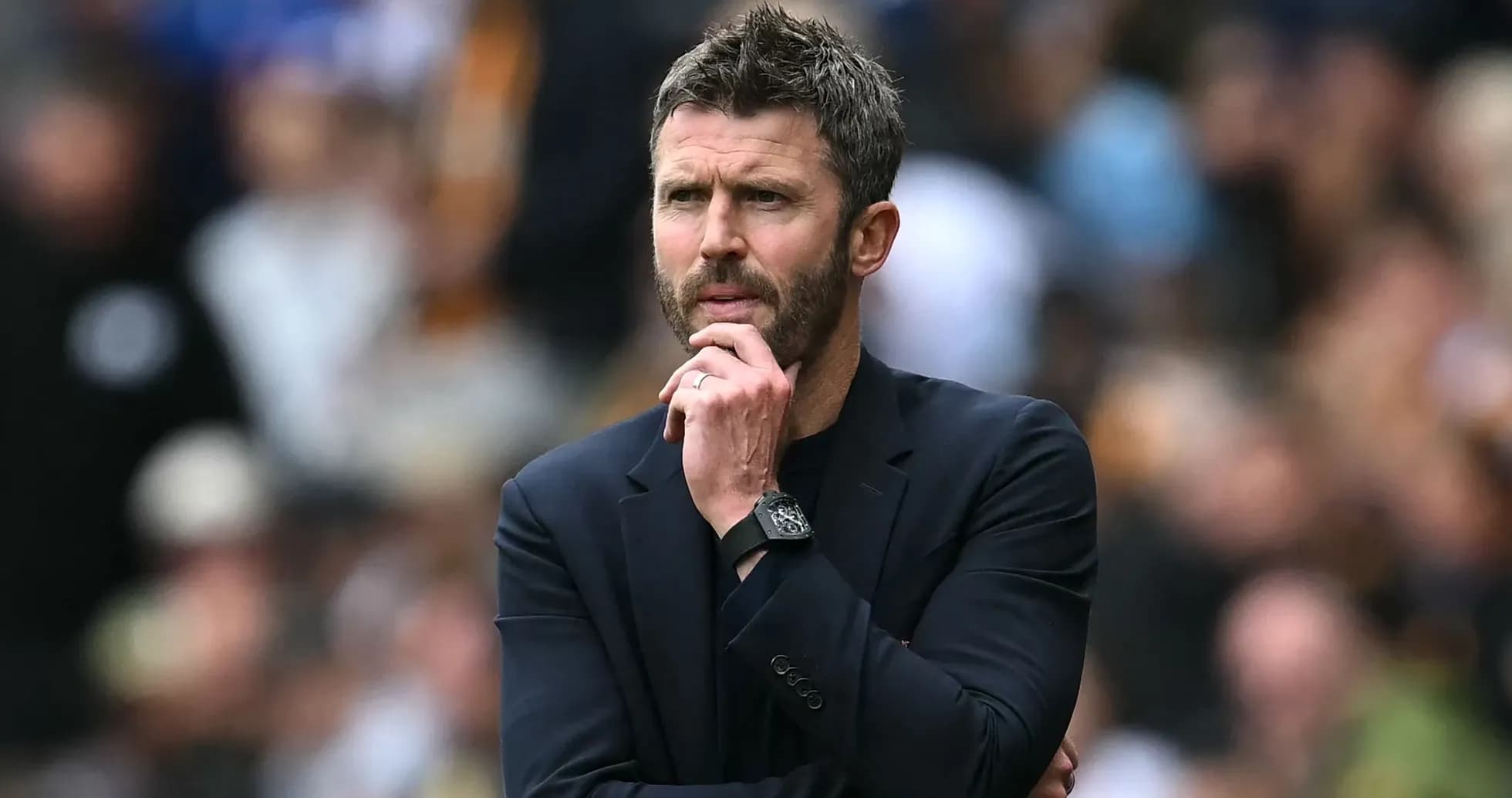
Harry Maguire's Struggles Highlight Manchester United's Defensive Issues
Manchester United’s season began with a thud, not a statement.
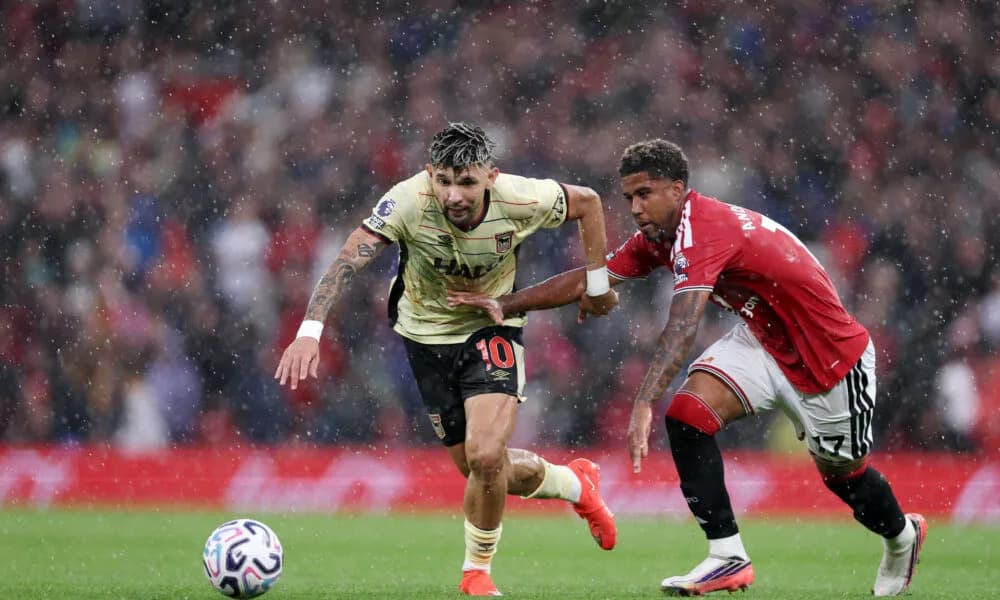
Beaten 2-0 by newly-promoted Hull City, Michael Carrick’s side looked fragile, short of ideas, and badly exposed at set-pieces. For Harry Maguire, it was more than just an off day. It reopened an old argument about whether he should still be the man at the heart of United’s defence.
Makeshift back line, familiar problems
With Lisandro Martinez and Matthijs de Ligt still short of full fitness, Carrick had little choice but to improvise. Maguire, now 33, came back into the XI and lined up alongside Ayden Heaven in a patched-up central partnership.
Hull didn’t exactly slice United open in free play. They didn’t need to. Two set-pieces, two goals, three points gone. For a team that has prided itself on tightening up in those situations in recent months, it was a jarring step backwards.
The performance left United’s back line looking old, slow and out of sync. And it gave one former Premier League winner all the ammunition he needed.
Obi Mikel tears into Maguire
Speaking on The Obi One Podcast, Obi Mikel did not bother with diplomacy. He went straight for the heart of the issue.
“When your top centre-back is Harry Maguire, you have a problem,” he said. “Harry Maguire was never a Manchester United player, never suited the system or the football club.”
No caveats. No softening of the blow.
Mikel questioned how Maguire had managed to remain at Old Trafford for so long.
“The fact that he has managed to stay there for seven, eight seasons is incredible. How has that happened? I don’t understand that, and he’s still there, and he’s the number one defender. That’s a problem.”
The former midfielder then zeroed in on a single, damning moment from the Hull defeat: the opening goal.
The first goal that said too much
On Hull’s first strike, Maguire’s decision-making left Mikel stunned.
“The first goal, he was grabbing his own player and stopping him from going to defend the guy who was scoring,” he recalled. “What was he doing? I have no idea.”
For a centre-back already under scrutiny, it was the kind of clip that travels fast and lingers even longer. In a crowded penalty area, Maguire seemed to get his bearings wrong, wrestling with a teammate instead of attacking the danger.
Mikel’s verdict was blunt: with the options United now have, Maguire should no longer be starting.
“They have Lisandro Martinez, Matthijs de Ligt, Leny Yoro; they have players there. But I don’t know why he is still starting. Is he good to be a squad player because of his experience? Yes. But not to start games, not to be your number one centre-back.”
Tempo, touch and a harsh technical verdict
Mikel didn’t stop at positioning. He went after Maguire’s use of the ball, too, painting a picture of a defender out of step with the tempo Carrick wants.
“He’s slow on the ball; he touches it theree of four times before releasing it. He doesn’t know what to do with the ball, he’s confused when he has the ball,” Mikel said.
“A centre-back needs to move the ball quicker, but Maguire doesn’t know how to do that quickly enough and get the team to play at the right tempo.”
In an era where top centre-backs are expected to act as playmakers as much as stoppers, that criticism cuts deep. Especially when United have invested heavily in defenders who are supposed to bring exactly that kind of composure and speed in possession.
From resurgence to renewed doubt
What makes this setback sting more for Maguire is the timing. The second half of last season had looked like a personal revival. Under Carrick, he found form, confidence and a measure of redemption after years of ridicule and uncertainty.
His performances were strong enough that he came close to forcing his way into Thomas Tuchel’s England squad for the World Cup. The narrative was shifting: from liability to leader, from expendable to useful.
Hull away has dragged that debate right back into the spotlight. One bad game does not erase months of improved displays, but at a club like United, one bad game can quickly reshape the conversation.
Carrick defends his dressing room
Carrick, though, refused to turn the opening-day disappointment into a public inquest on individuals. He acknowledged the damage done by the two set-piece goals, yet pushed back against any sense of panic.
“Two goals conceded any way is frustrating,” he said after the final whistle. “We’ve been pretty good at defending set-pieces over a period of time but they decided the game today. One game doesn’t change the direction of everything, but we need to be aware of what we need to get better at.”
The message was clear: frustration, not crisis. Correction, not collapse.
But underneath the manager’s calm, the selection question lingers. With Martinez, de Ligt and Leny Yoro all in the building, how long can Maguire keep his place at the centre of this defence?
For United, the next few weeks won’t just shape their season. They may decide whether Harry Maguire’s story at Old Trafford still has a meaningful chapter left, or whether this was the opening-day warning they can no longer ignore.
Related News
Transfer Rumors: Haaland’s Two Options; Real Madrid Targets $100 Million Premier League Star
Manchester United Targets Premier League Forward to Strengthen Attack
Liverpool Eyes 17-Year-Old Mexican Midfielder Gilberto Mora for Summer Transfer
Summer 2026 Transfer Window: Manchester United and Tottenham Struggle with New Signings
Liverpool Maintain Interest in Real Madrid Midfielder Amid Transfer Challenges
Transfer Insider Warns Tottenham About Costly Sale of Will Lankshear