
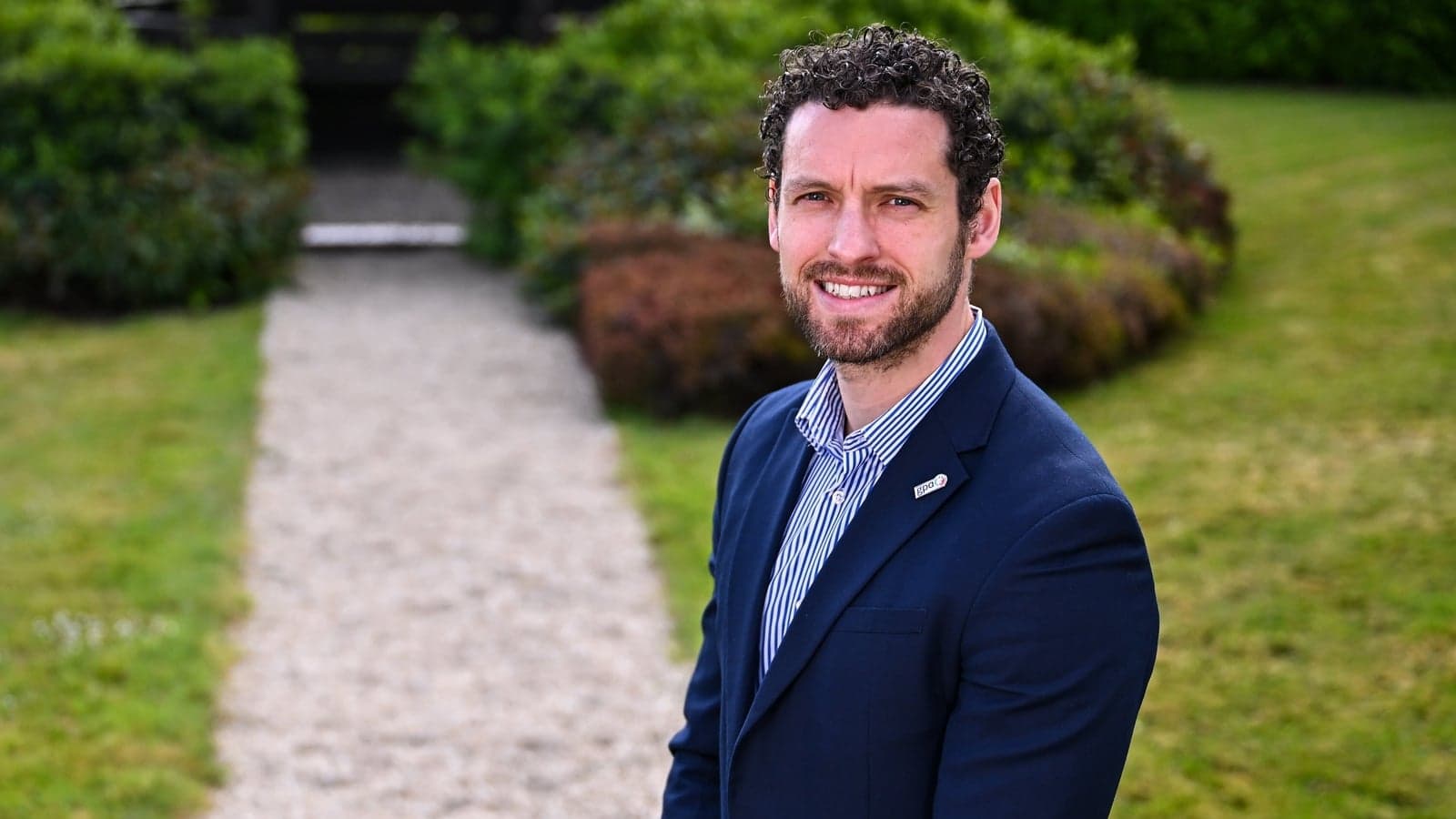
GPA Prioritizes Player Welfare and Governance
The Gaelic Players Association has put a hard number on where its priorities lie – and it is almost entirely with the players.
According to its annual report, released this morning, 97% of the GPA’s revenue now goes directly into player welfare and development programmes. In an era when athletes across sports are demanding a greater say in how games are run, the GPA is trying to match that rhetoric with resources – and now with a louder voice at the top table.
Players push for power, not just support
At Monday night’s AGM, members backed a motion calling for “formal, structured player representation on all key decision-making bodies affecting inter-county players within integrated GAA structures such as Central Council, provincial councils and county boards”.
The GPA already holds a seat on Central Council. That, in the eyes of its leadership and membership, is no longer enough.
GPA chief executive Tom Parsons told RTÉ Sport that the financial commitment to players is clear, but the governance piece is the next battle.
“It's very positive that 97% of revenue goes straight to supporting players. And what really stood out last night was players calling for greater player voice in the governance structures,” he said.
Right now, that voice is thin on the ground once you move away from Croke Park’s top table. Parsons pointed to the provincial councils, county boards, the LGFA and the Camogie Association as areas where players remain under-represented.
The push is simple: if inter-county players are the ones living with the consequences of fixture lists, policy shifts and competition formats, they want a say before those decisions are made.
“The athlete's voice is really important to decisions made for our games, whether that is competition structures, decisions in policy,” Parsons said. “It's really important now for good governance that the athletes are represented at all these committees and boards and decision-making bodies.”
The GPA sees itself as proof of concept. Where it already has a presence within the GAA’s governance, it believes it has shown value and influence. The next step, as Parsons put it, is to embed that presence “in provincial councils and even county boards and the wider Gaelic games family”.
Money on the table – and where it goes
Behind that political push sits a significant financial operation.
In 2025, the GPA spent €4.35 million on player welfare and development. That figure covers personal development coaching, career development programmes and educational supports – the kind of off-field structures that are now seen as essential for amateur athletes operating in a professional environment.
On top of that, €3 million in annual grant funding came from Sport Ireland via the GAA. The GPA administers that government money, ensuring it reaches GAA inter-county players.
Total revenue for the organisation reached €7.6 million, a 1% rise on the previous year. The increase came off the back of a 5% bump in government grants, which helped cushion a 6% drop in core GAA funding. GAA support for the GPA fell from €3.17 million to €2.98 million.
Even with tight control on spending, the GPA reported an operating pre-tax loss of €59,401 and a post-tax loss of €65,881. It is not a crisis figure, but it underlines how finely balanced the books are when almost every euro is pushed towards player services.
The association runs its operation with 10 full-time employees. A further 18 fixed-term contracted staff deliver the Ahead of the Game (Movember) programme, a mental health initiative. Those staffing costs are recharged to the GAA, as the GAA is the official recipient of Movember’s programme funding.
Key management personnel at the GPA received remuneration totalling €250,181, down from €268,317 the previous year, a reduction that will not go unnoticed among members as the organisation talks about maximising resources for players.
A louder voice in a changing landscape
Strip away the numbers and the message is clear: the GPA wants to move from being a service provider to a power broker.
It already channels millions into welfare, education and development. Now it is targeting the rooms where fixtures are set, policies are framed and seasons are shaped. The AGM vote gives it a mandate to push for more seats, more influence and a more formal role across the GAA, LGFA and Camogie Association structures.
Athletes in other sports have already shifted that balance. Gaelic games players are now asking: why not us?
Related News

Raphinha’s Hat-Trick Powers Barcelona to 7-2 Victory Over Racing Santander
Carabao Cup Fourth Round Draw: Liverpool Set to Clash with Chelsea, Arsenal to Face Fleetwood Town
Key Football Matches to Watch in Azerbaijan This Autumn
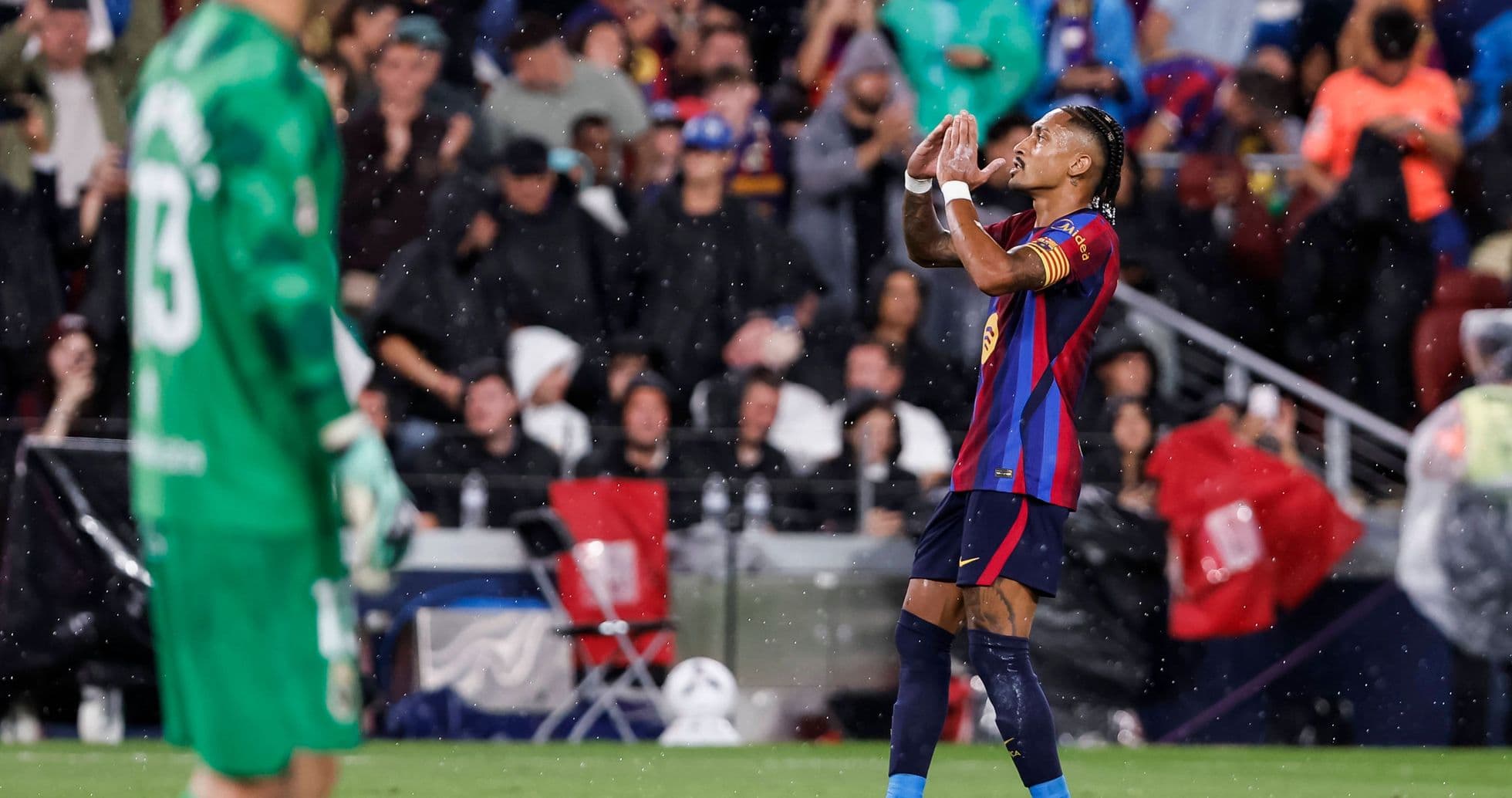
Raphinha's Hat-Trick Drives Barcelona to 7-2 Triumph Over Racing Santander
Hansi Flick Leads Barcelona to Record-Breaking Seven Wins in a Row
Gavi Reflects on Injury Return as Barcelona Dominate Racing Santander 7-2